The Symptom
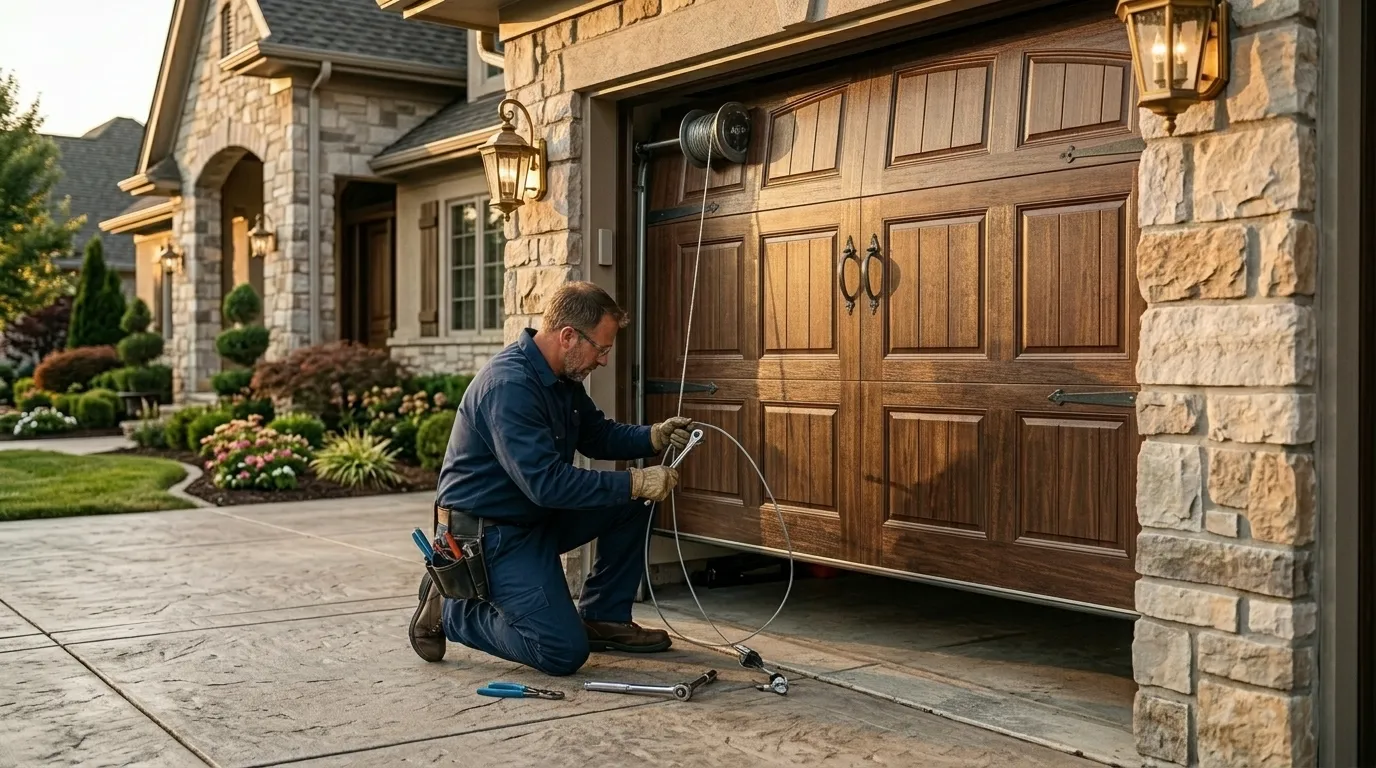
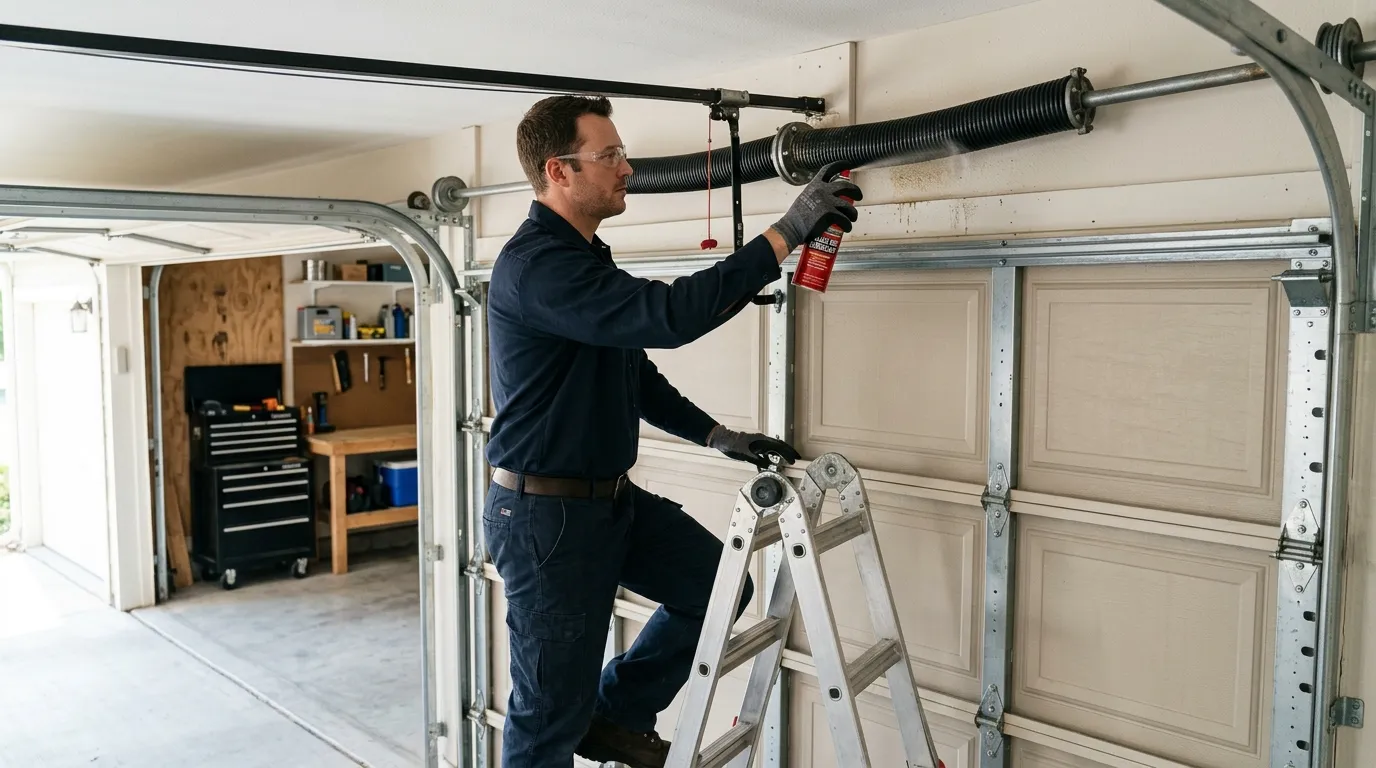
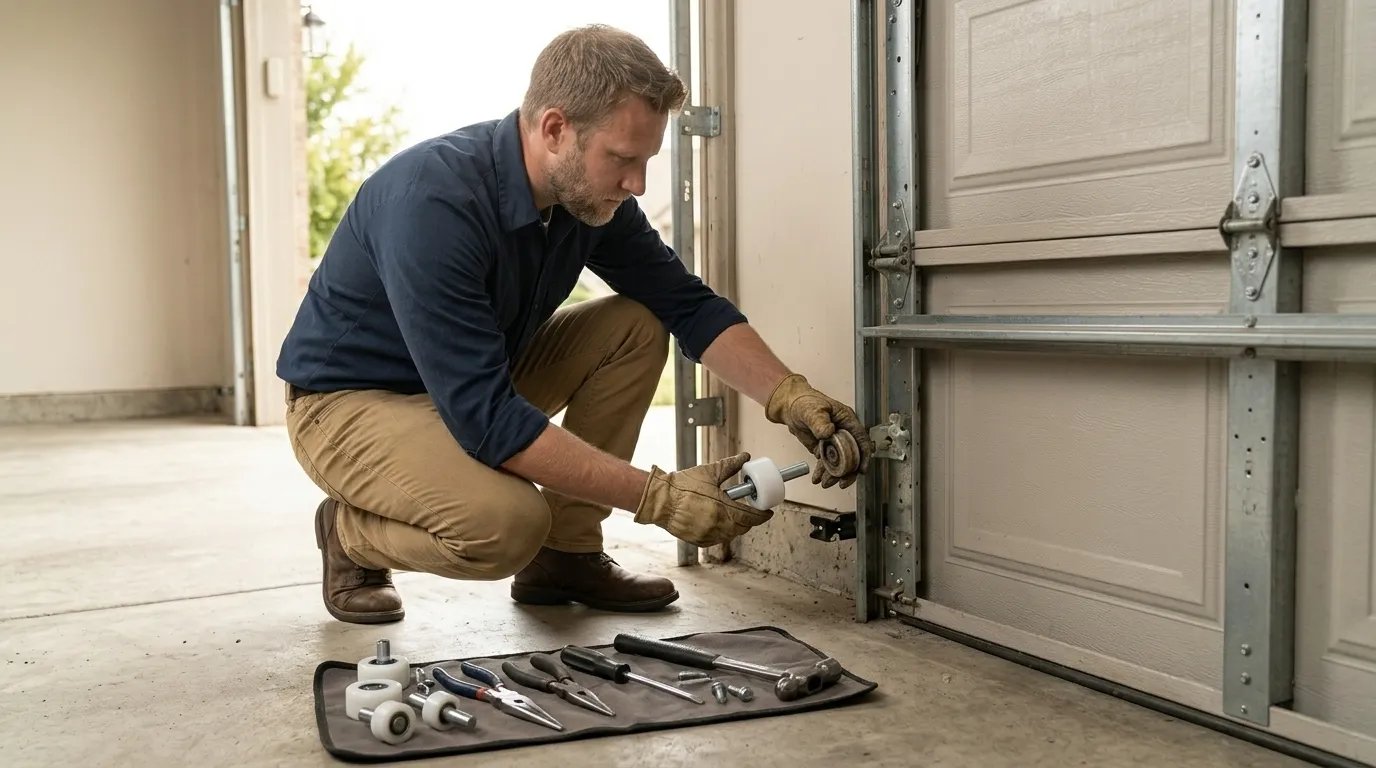
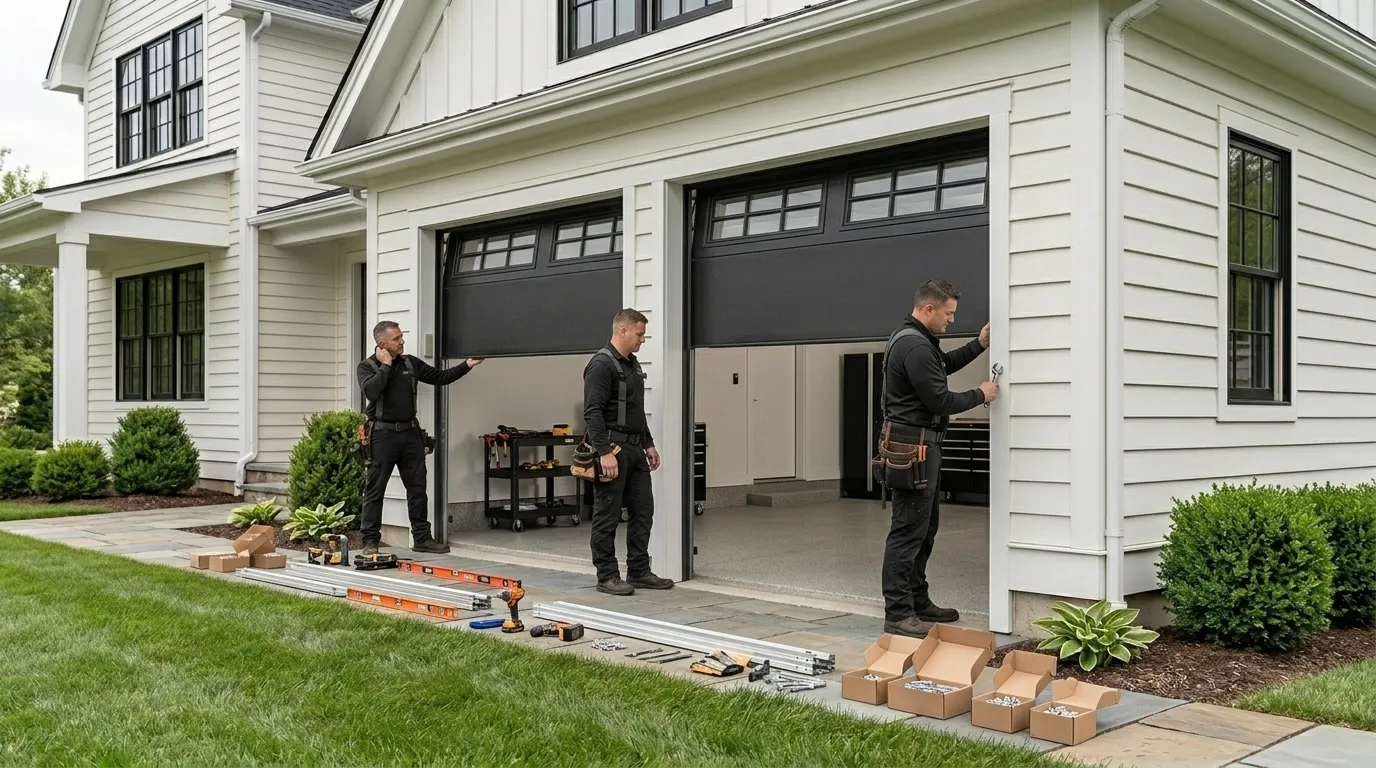
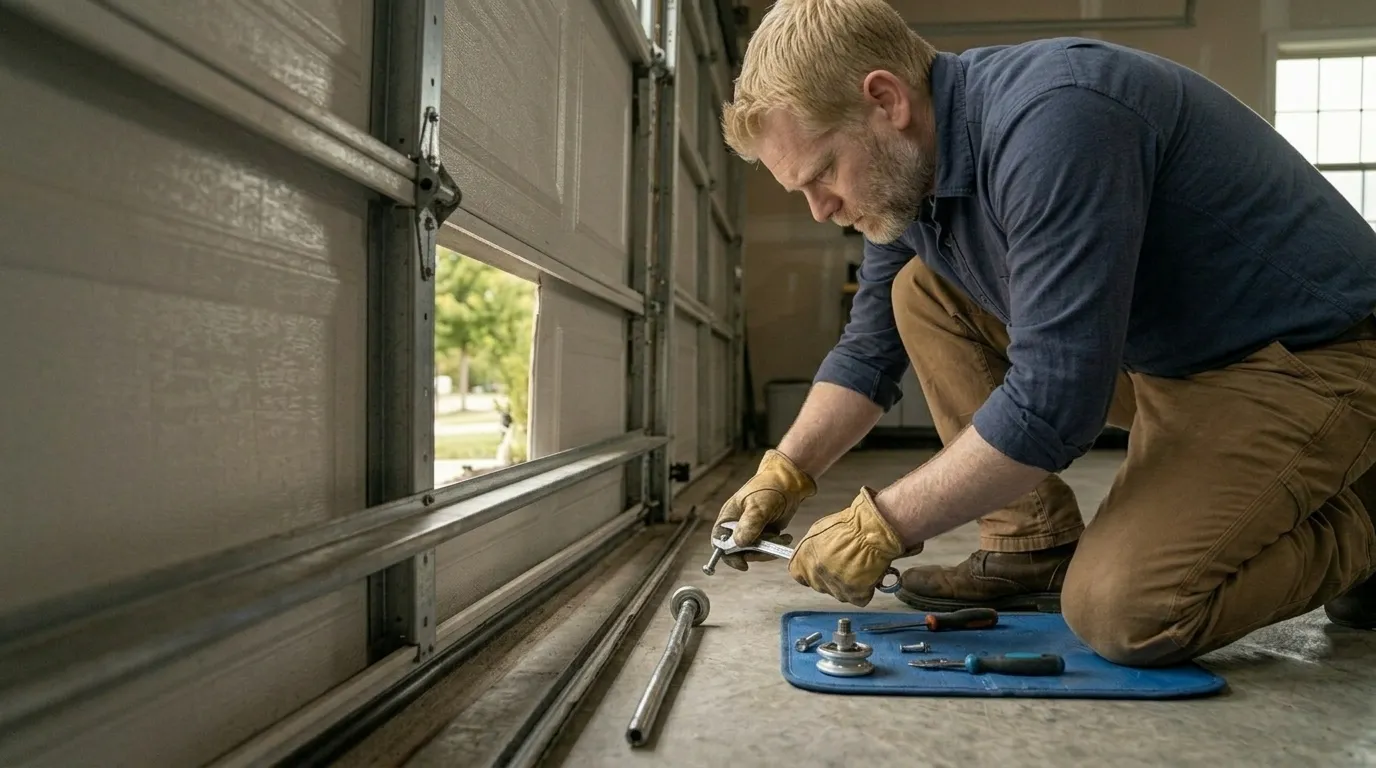
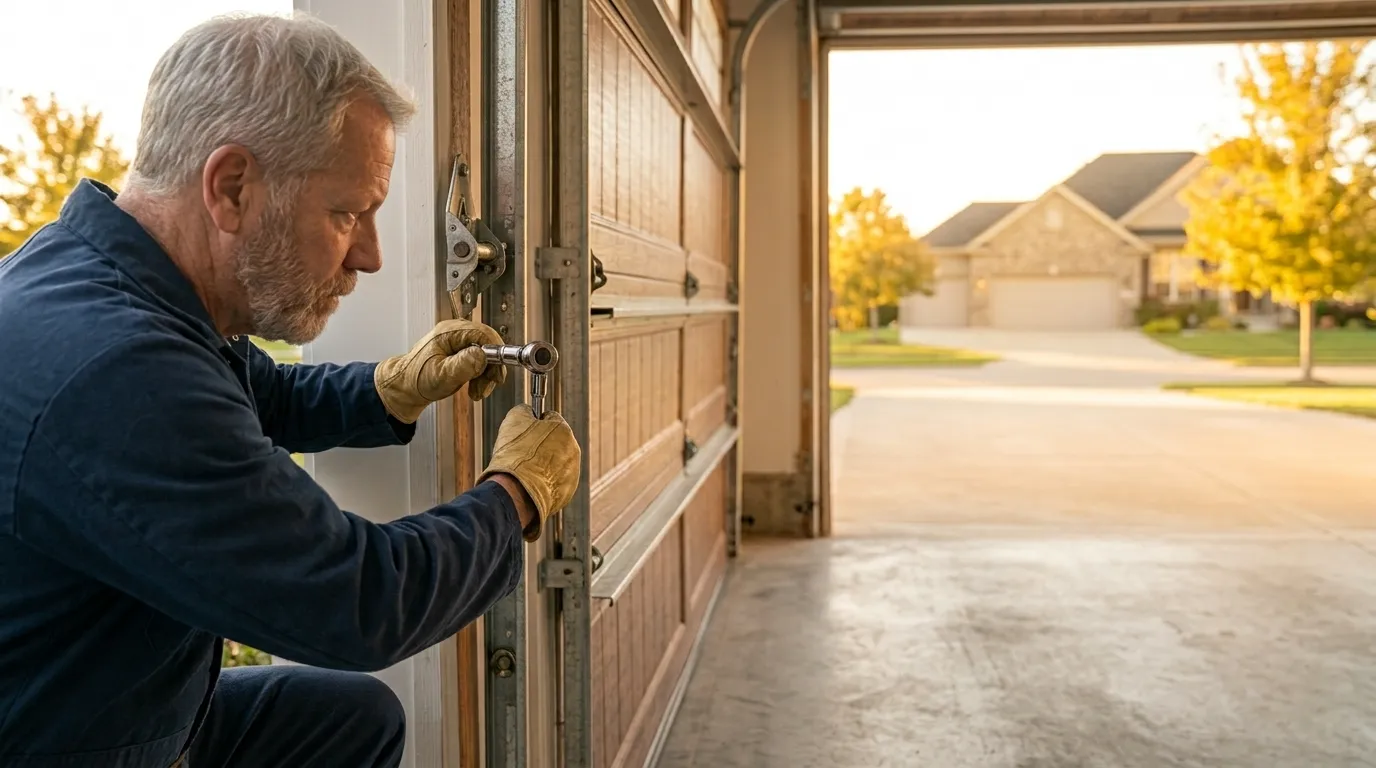
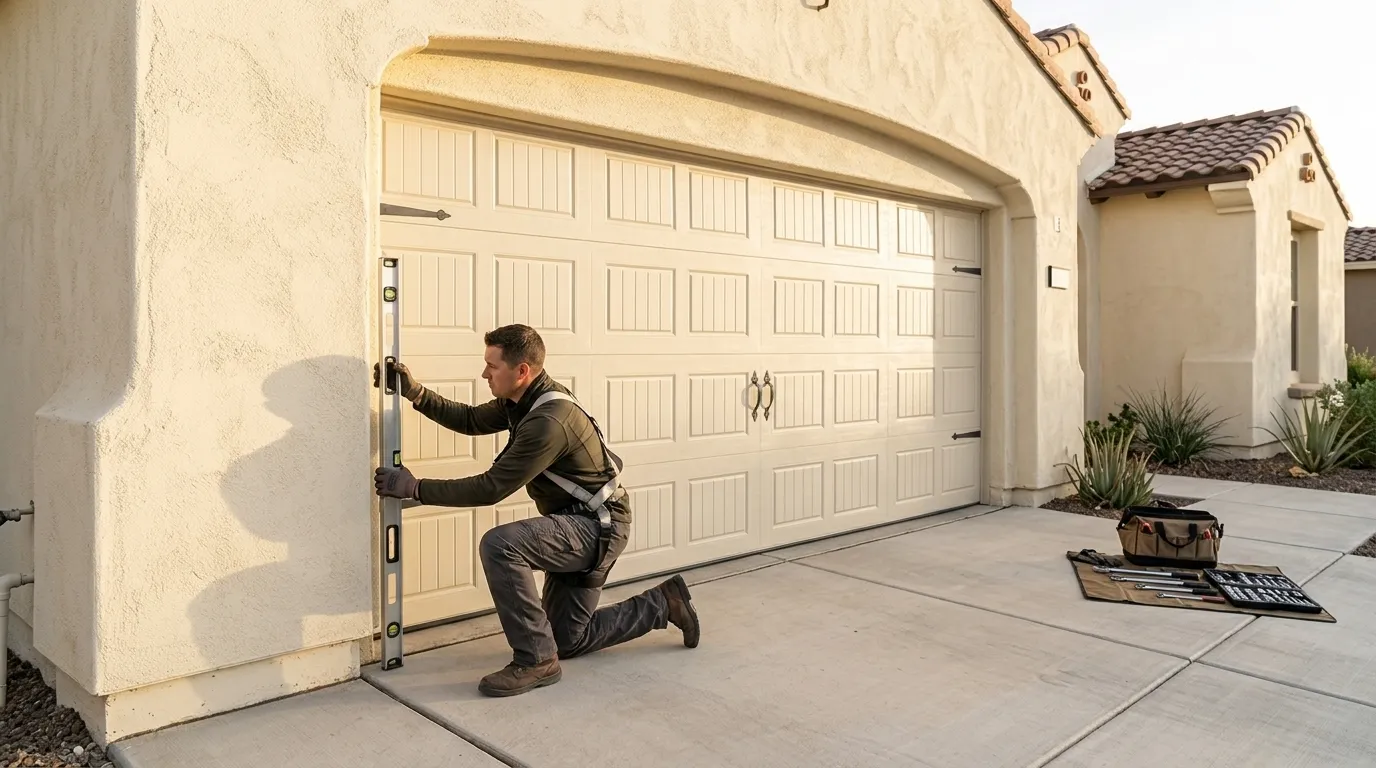
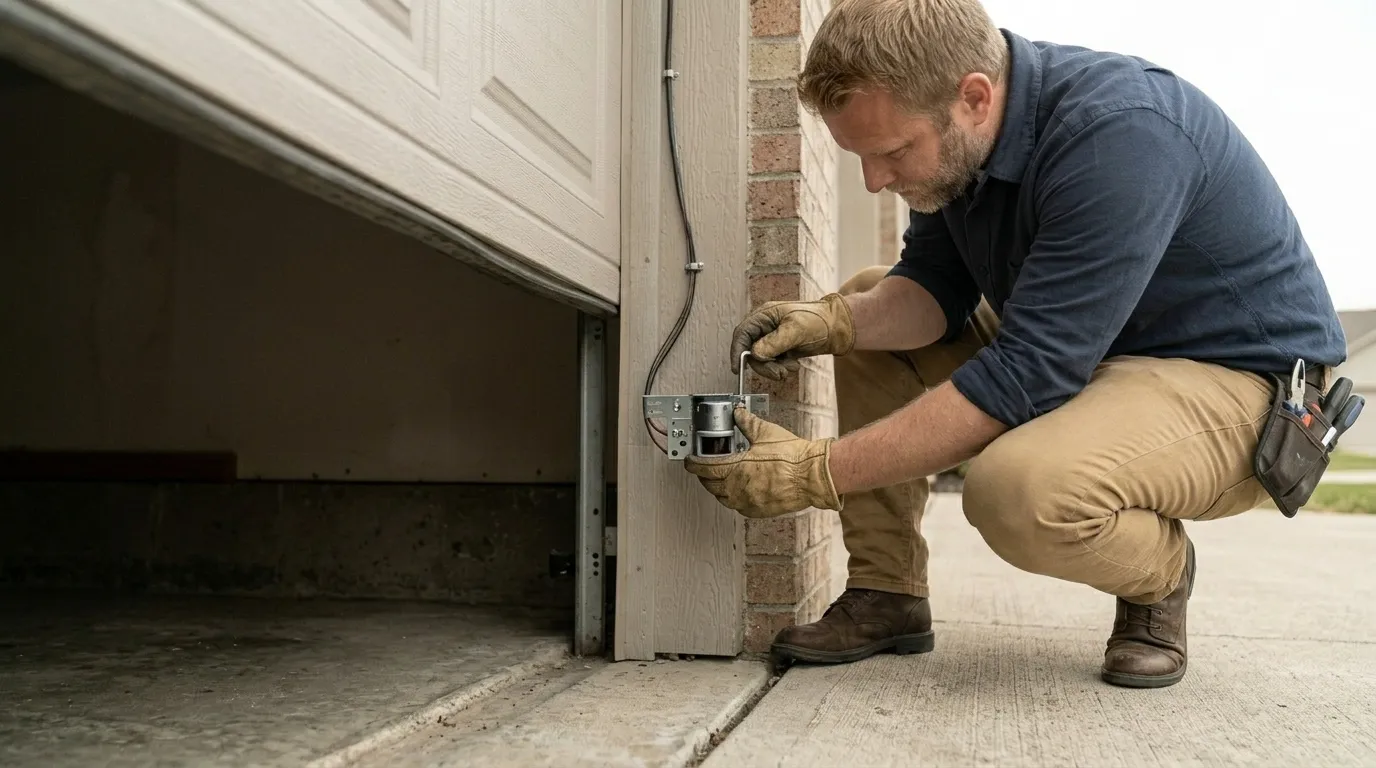
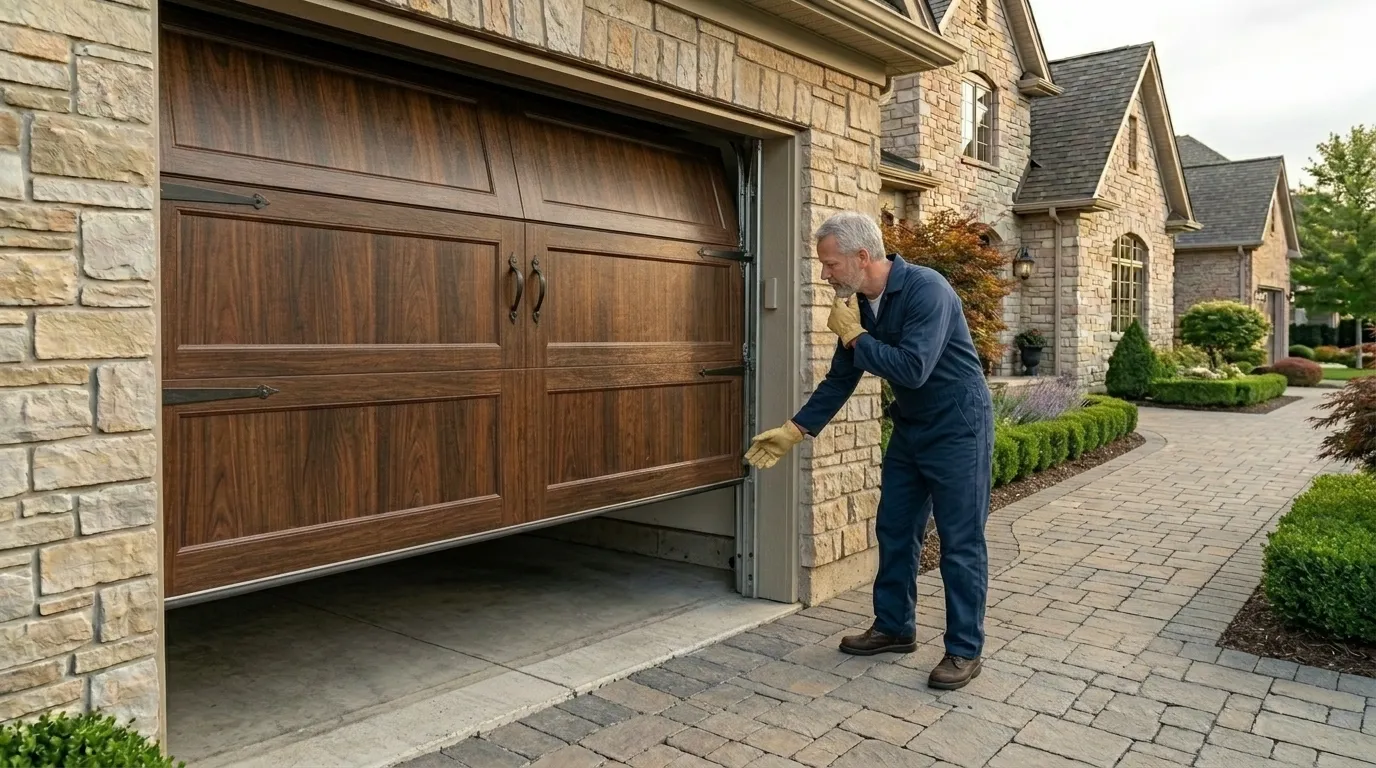
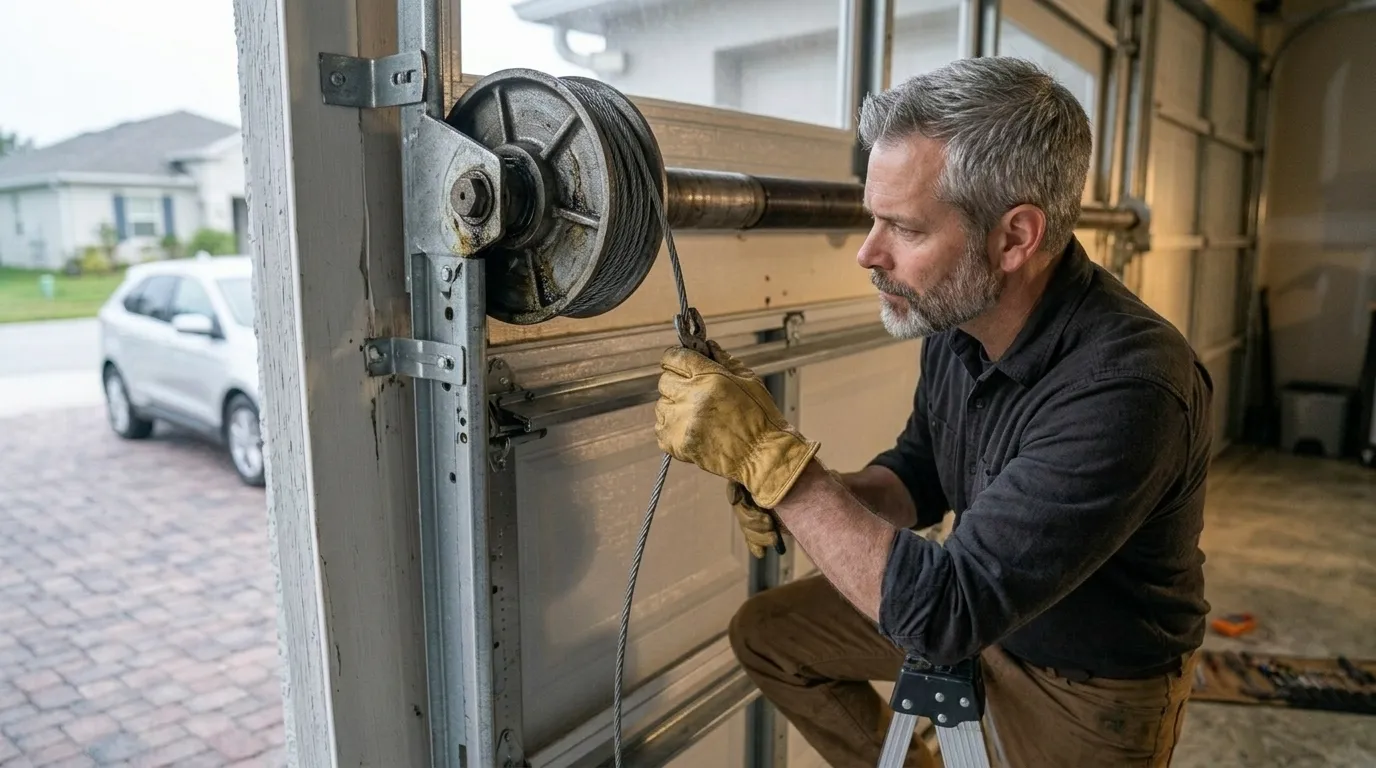
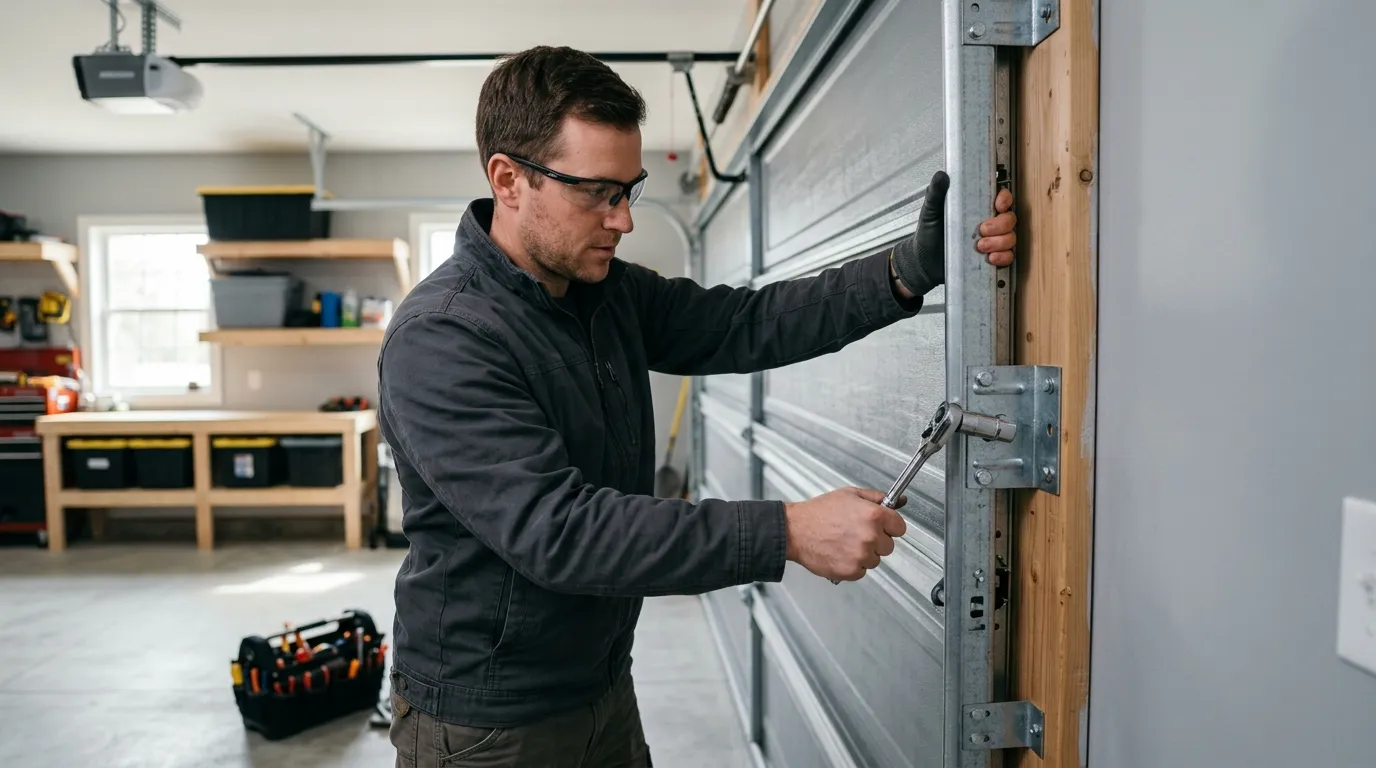
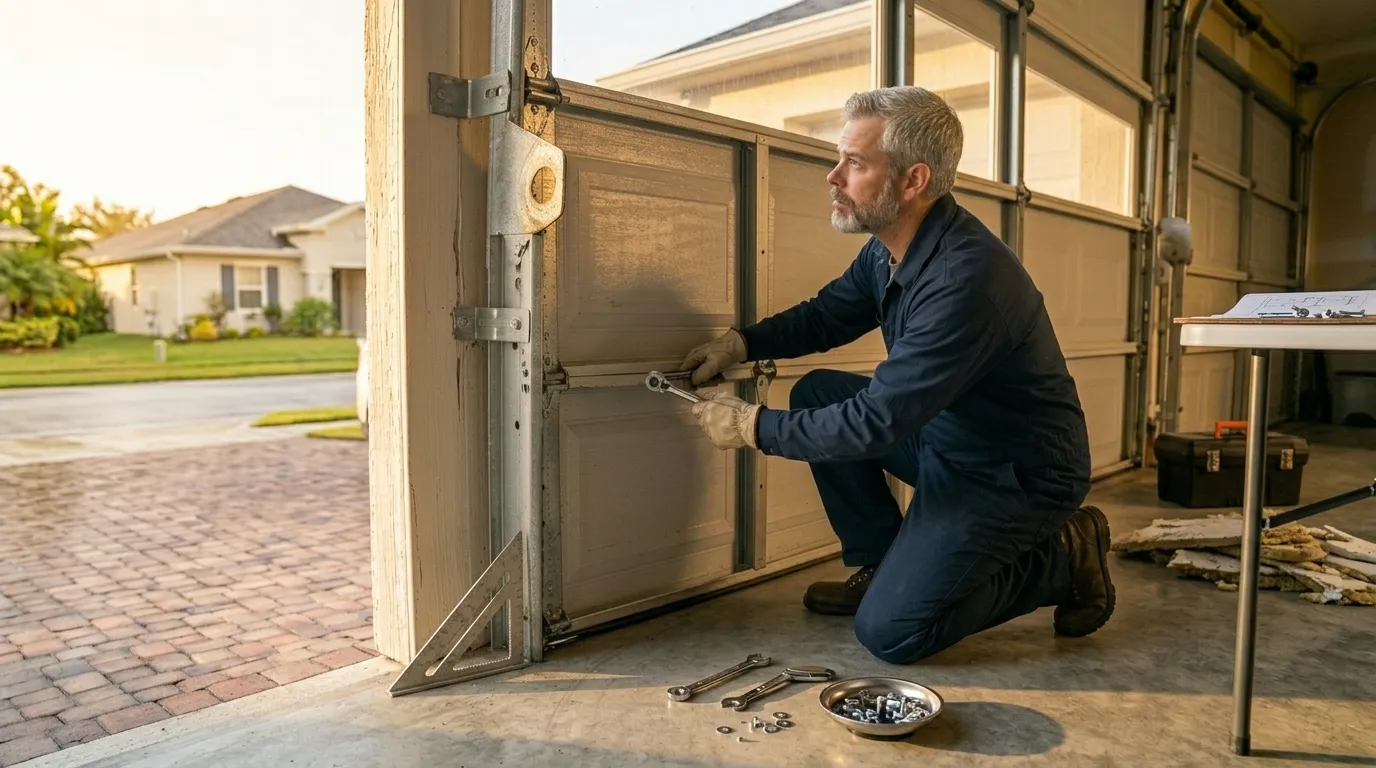
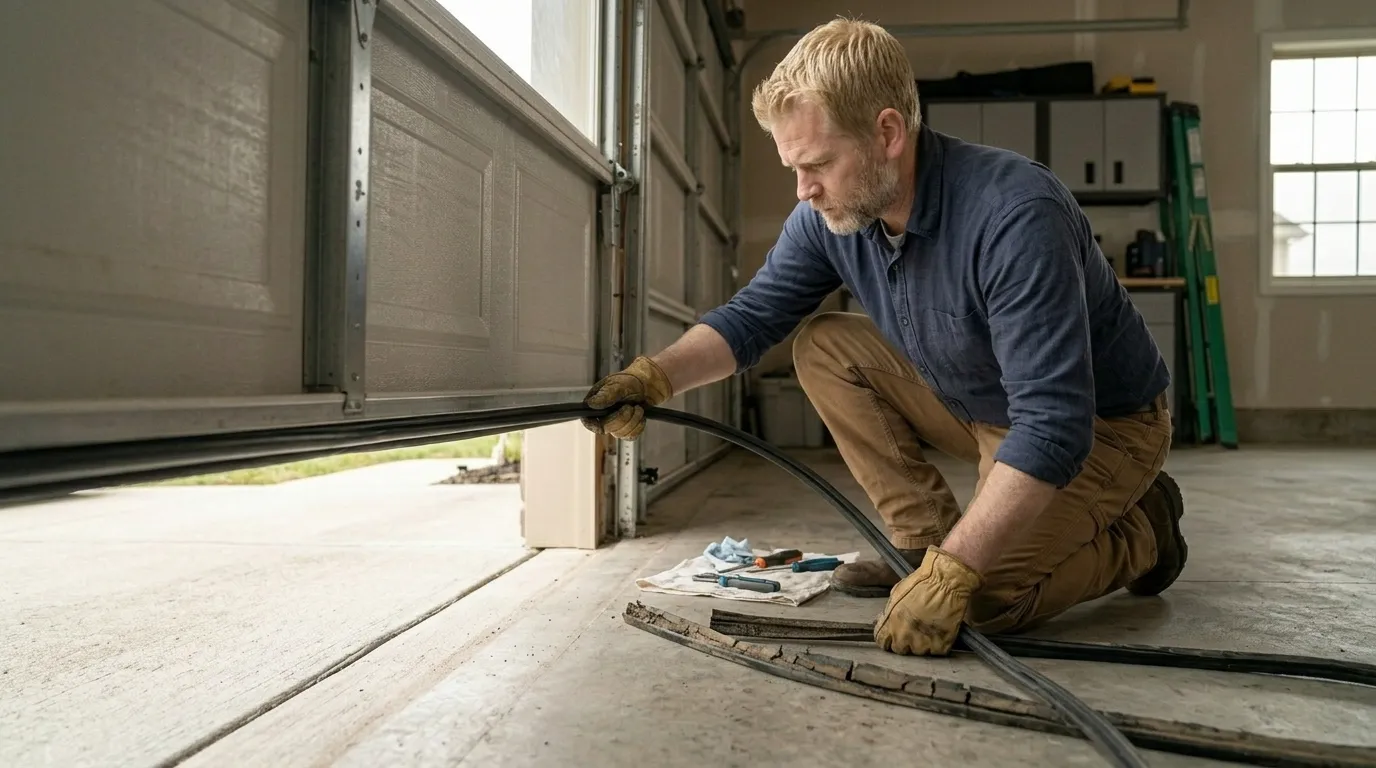
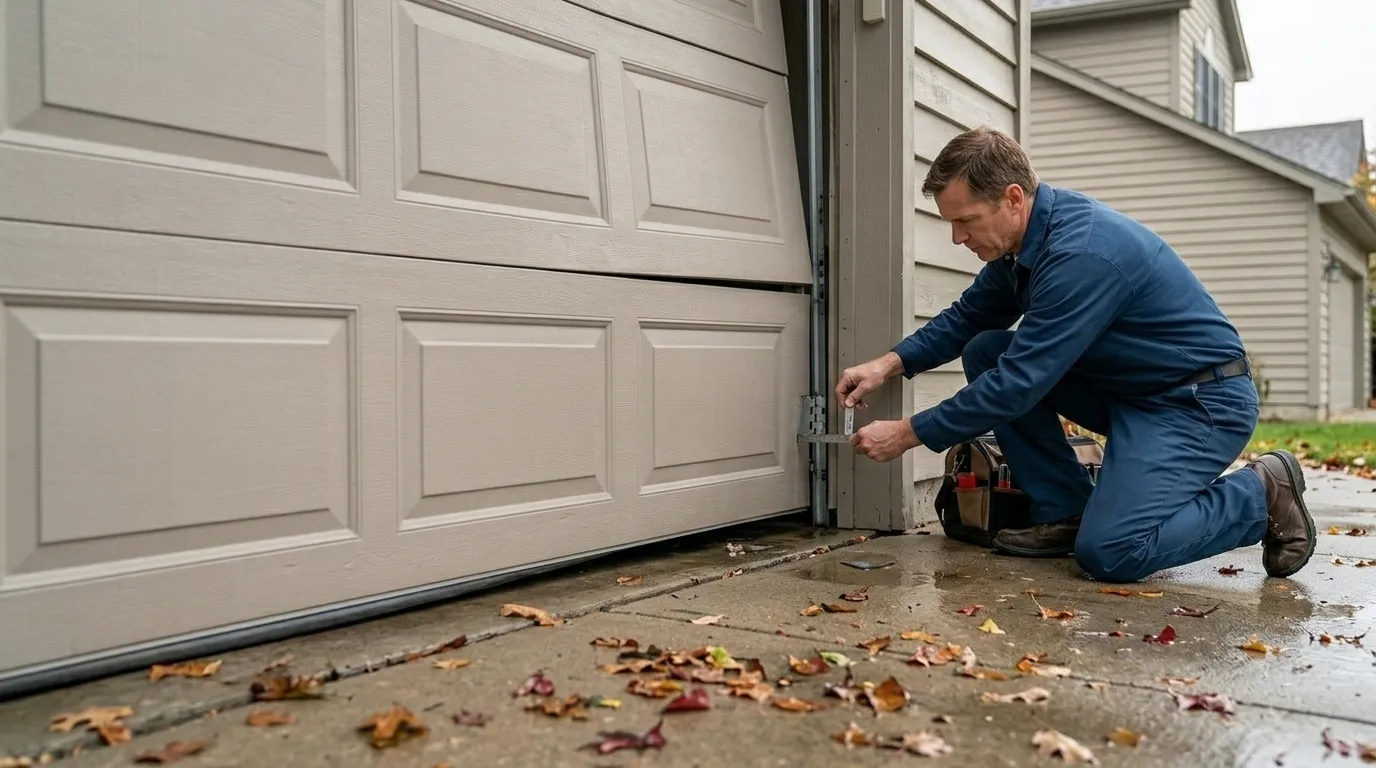
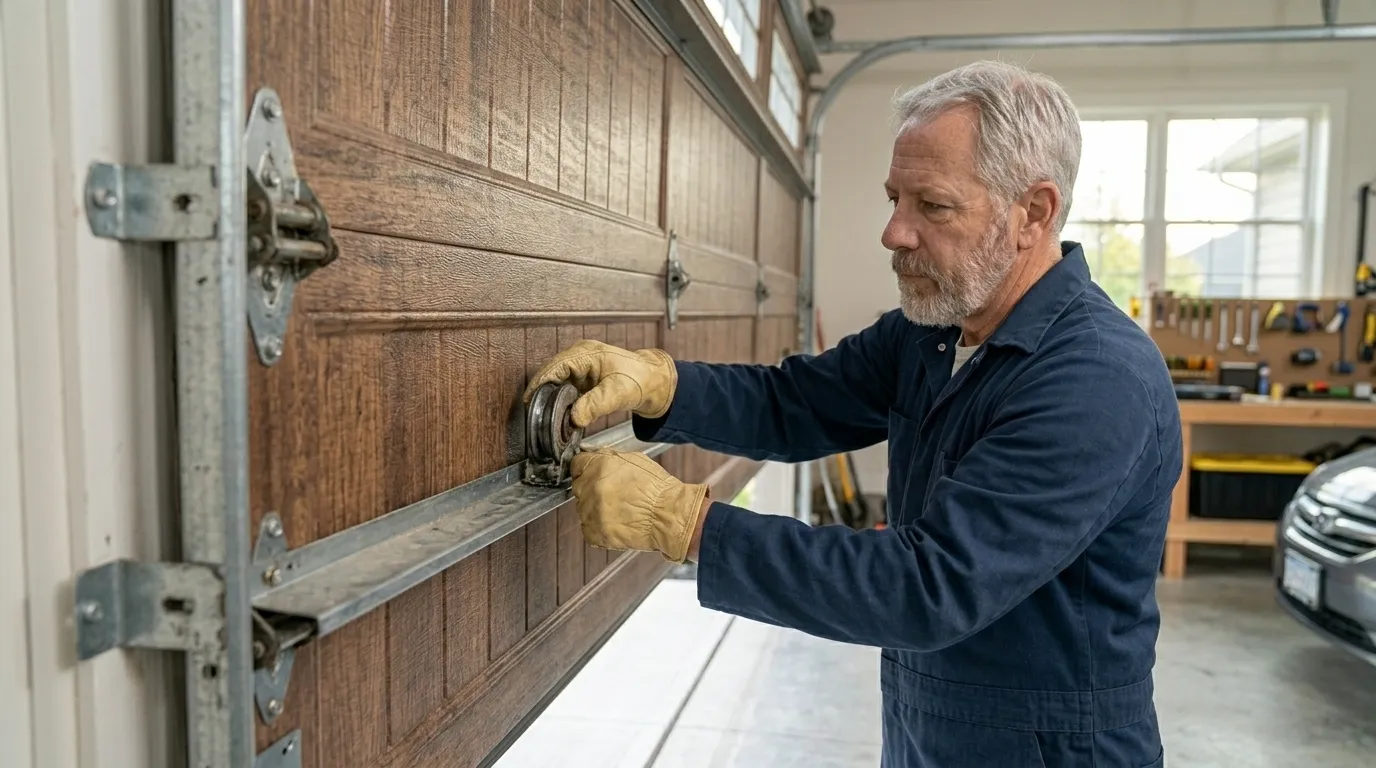
The calls cluster into a short list. A loud bang followed by a door that won't budge - that's a torsion spring, and with two-spring double doors it's often one spring gone while the other is about to follow. A door that closes most of the way and then reverses hard - that's usually a sensor knocked out of alignment or a cable starting to unspool off the drum. A door that's ajar and won't seal at the bottom corner - track alignment, often from a roller that's finally given out after years of riding a bent section.
Less common but real: openers that run but don't move the door at all, which points to a stripped gear or a broken drive belt rather than anything spring-related. We mention it because homeowners often assume any dead door is a spring problem and it isn't always.
What ties these together locally is the age of the hardware doing the failing. A lot of this housing stock carries doors and openers that are original or close to it, meaning parts that were standard when installed but aren't the parts on the shelf today. That gap between what's on the door and what's on the truck is the difference between a same-visit fix and a next-day one.
Why This Fails Locally
Most of the housing across our service area went up between 1968 and 1999, with the median build year sitting at 1979, and the bulk of that stock clusters in the 1960s-70s range across the named areas we cover. That matters for one blunt reason: torsion spring sizing, drum diameter, and cable gauge weren't standardized the way they are on doors built in the last fifteen years. A house from 1979 can have hardware that looks like a modern torsion setup but isn't a drop-in match for a modern replacement spring.
Albuquerque sits in a cold-moderate climate band, which isn't the brutal cold-belt swing some regions get, but it's enough of a temperature range between summer afternoon heat on a steel door and cold winter nights to work steel springs and lubricant harder than a mild coastal climate would. Steel fatigues faster under repeated expansion and contraction than it does sitting at a stable temperature, and that fatigue is invisible until the spring lets go.
Put those two things together - older, non-standardized hardware and a climate that cycles hard on steel - and you get more spring failures per household than you'd expect in a newer-build, milder-climate town. That's not a guess about your specific door; it's the pattern across the housing stock we actually work on.