Opener repair for Albuquerque houses built mostly 1968-1999. We explain why cold-weather swings and original hardware cause the failures we see across the metro.
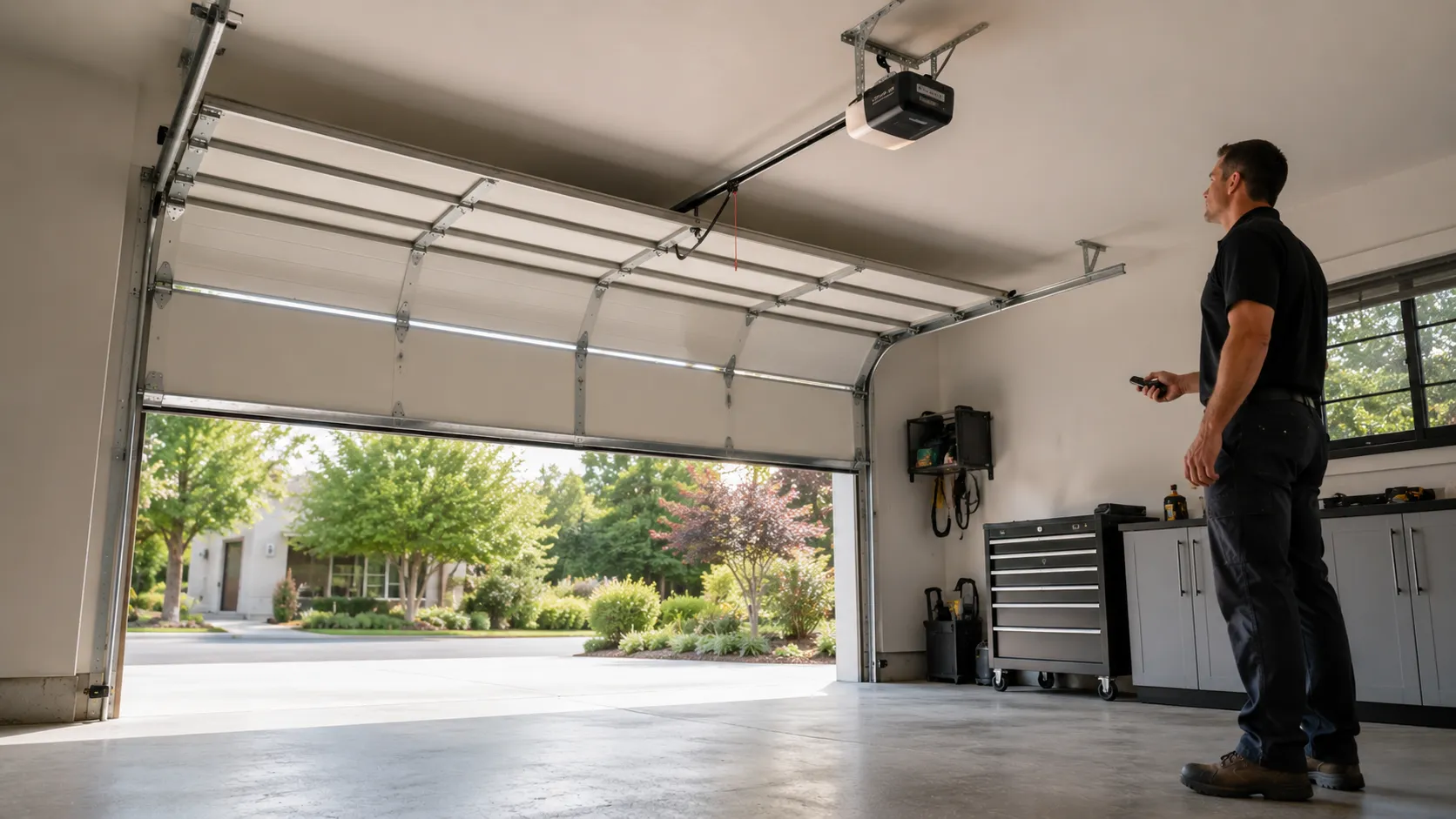
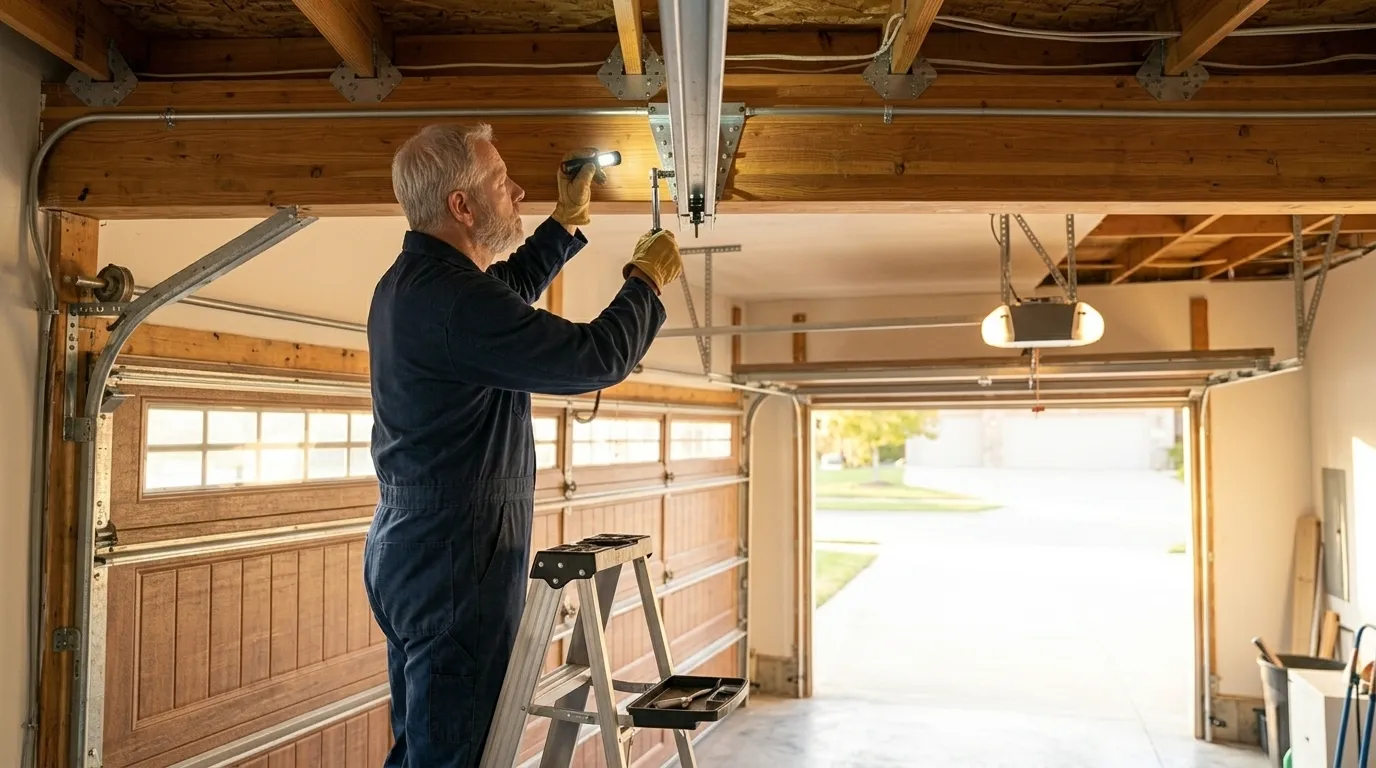
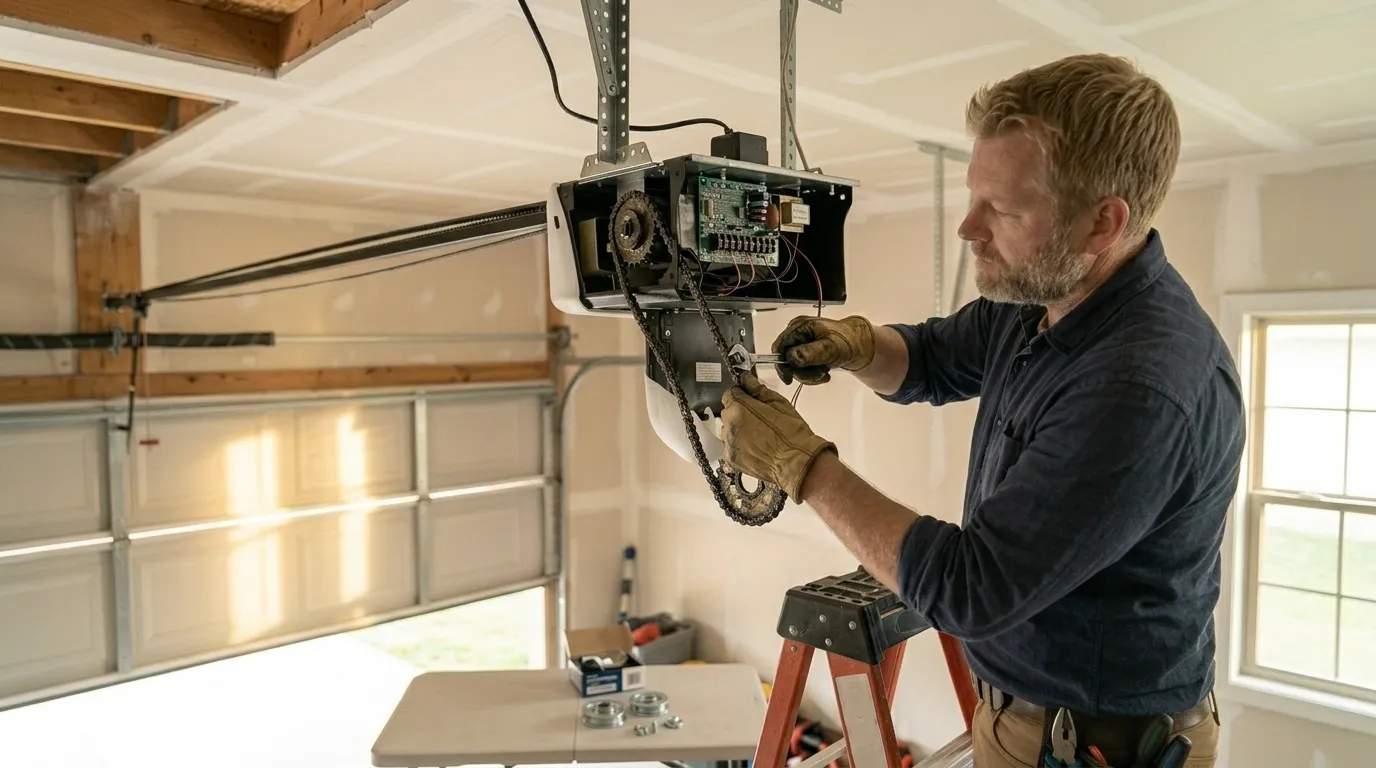
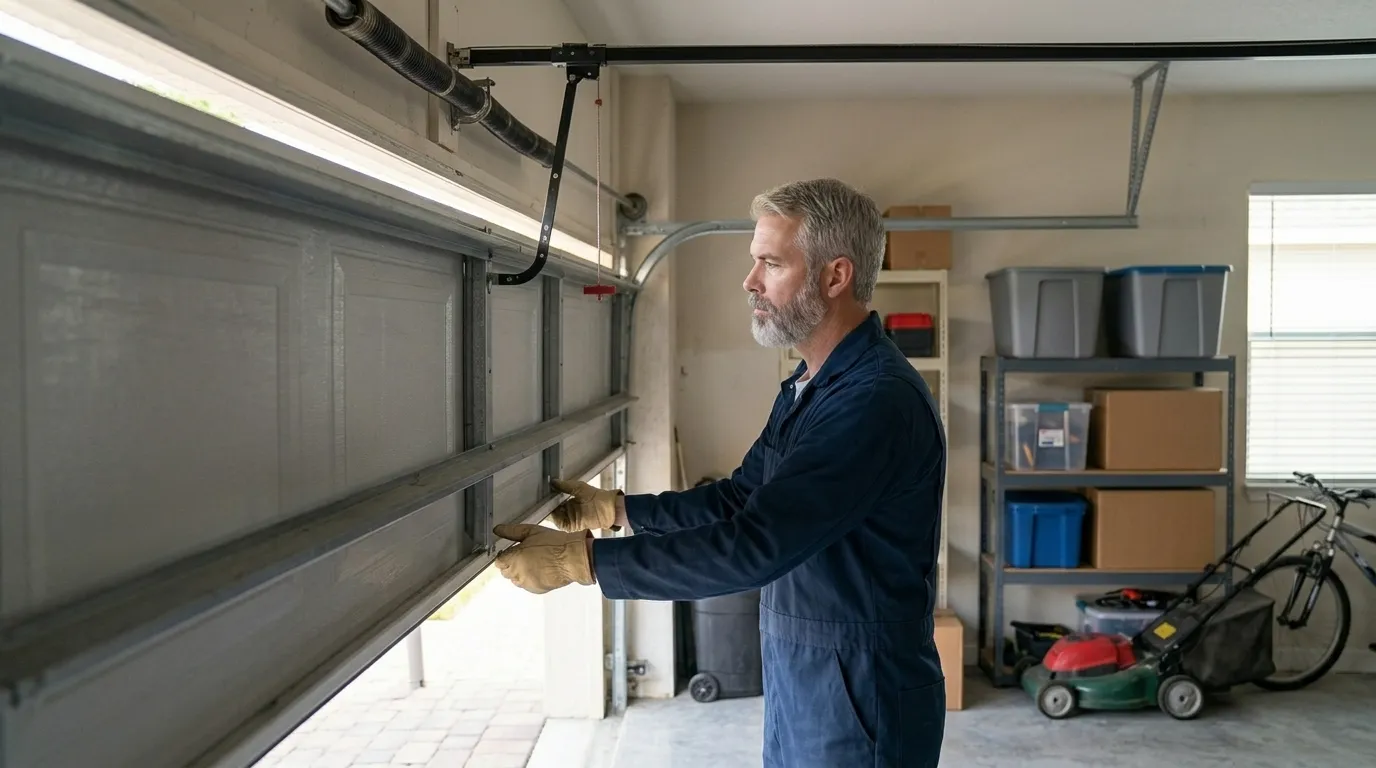
Most opener calls we take in Albuquerque start the same way: the door won't close all the way, or it reverses halfway up for no clear reason. The owner assumes it's the opener unit itself and wants a new motor head. Half the time that's wrong. The opener is doing exactly what it's built to do - stopping when something tells it to stop. The actual fault is usually downstream: a limit switch that's drifted, a sensor eye that's gone out of alignment, or a drive gear worn from years of strain against a spring that's no longer pulling its share of the door's weight.
This matters because a lot of Albuquerque's housing stock dates to 1968-1999, with a median build year around 1979. Openers installed in homes from that stretch have often been swapped once or twice already, sometimes by different installers using different brackets, different rail lengths, different logic boards. When we open the housing we're not always looking at a matched system - we're looking at whatever combination of parts made it through the last three owners. Diagnosing that takes longer than swapping a box, but swapping the box on top of a mismatched rail or a tired spring just moves the failure a few months down the road.
The Symptom
The complaint we hear most is inconsistent behavior: closes fine in the afternoon, won't close at all in the morning, or closes for two days straight then stops working with no warning. That inconsistency is the tell. A dead opener fails the same way every time. A struggling opener fails when conditions change - temperature, load, voltage - which is why cold mornings are when the calls spike.
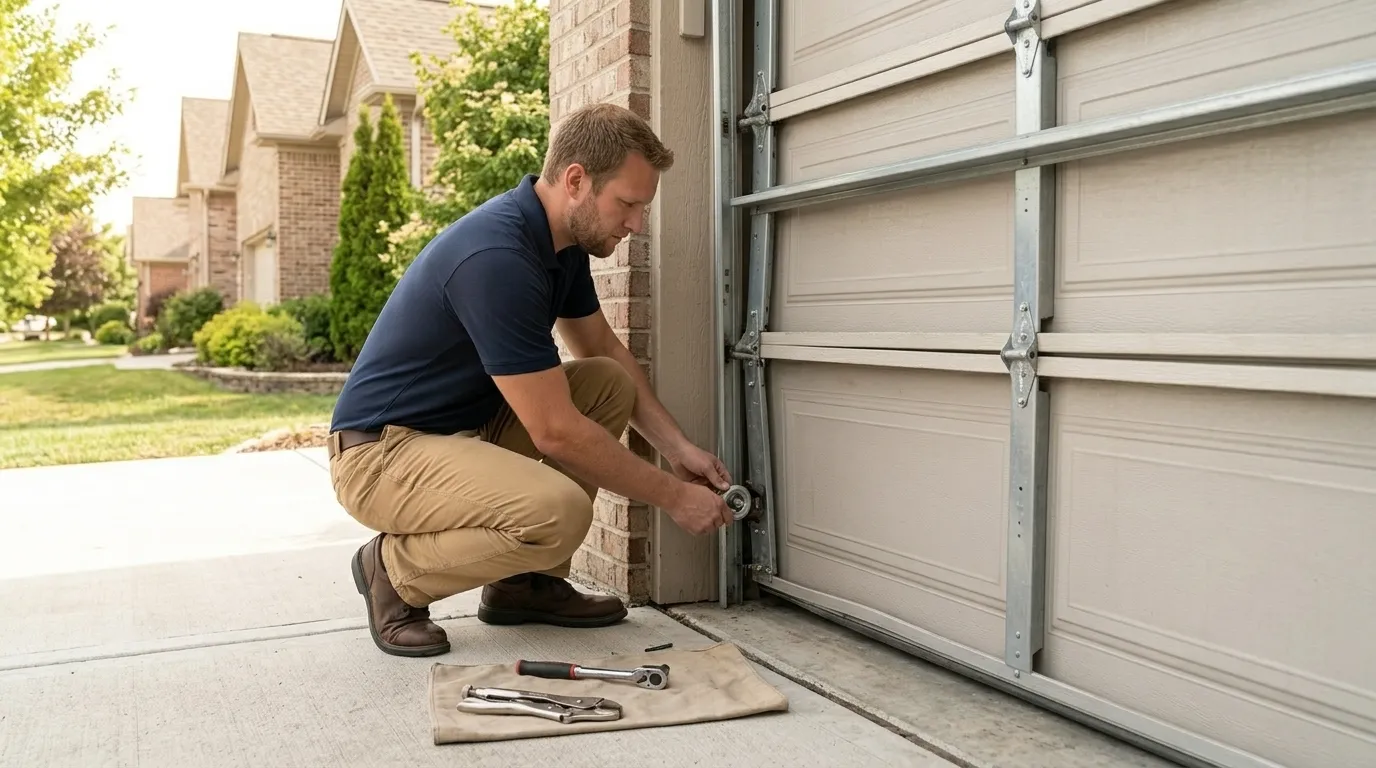
Albuquerque sits in a cold-moderate climate band, and that swing from cold morning to warm afternoon does real work on an opener's moving parts. Grease in the drive gear stiffens overnight. Metal rail sections contract slightly. A sensor bracket that was a sixteenth of an inch off alignment in July can be enough off in January that the safety eyes stop lining up and the unit refuses to close, full stop. Owners read that as 'the opener is broken.' Often it's an alignment and lubrication issue wearing an opener's motor down by making it work harder than it should every single cycle.
Why This Fails Locally
Across the areas we work - from out through the and the rest of the 13-plus named areas in this service area - the housing base is heavily 1960s-70s and carries into the late 1990s. That means a lot of garages were built to a code and a hardware standard from decades before today's openers existed. Bracket spacing, header clearance, even the angle of the track against the frame - none of it was designed with a modern opener's sensor and safety-reverse requirements in mind.
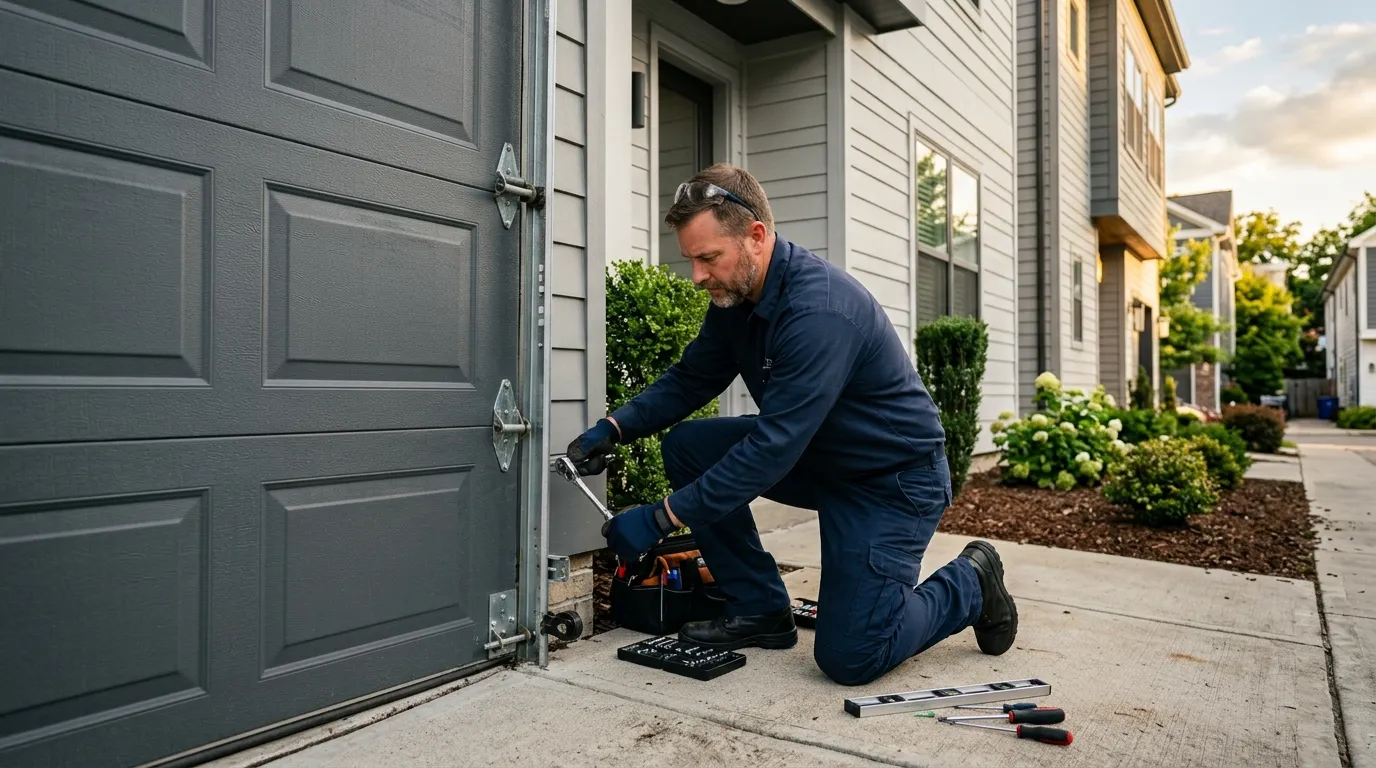
So when a homeowner replaces a dead opener with a new one off the shelf, the install crew is often retrofitting modern electronics onto old geometry. It usually works. But it's the reason 'new opener, same problem' calls aren't rare here - the rail gets forced to fit a header it wasn't built for, or the sensor brackets get mounted to a wall stud that's not quite square, because the garage itself predates the part going into it. That's a structural mismatch, not a manufacturing defect, and no amount of warranty work on the opener itself fixes it.
The DIY Question
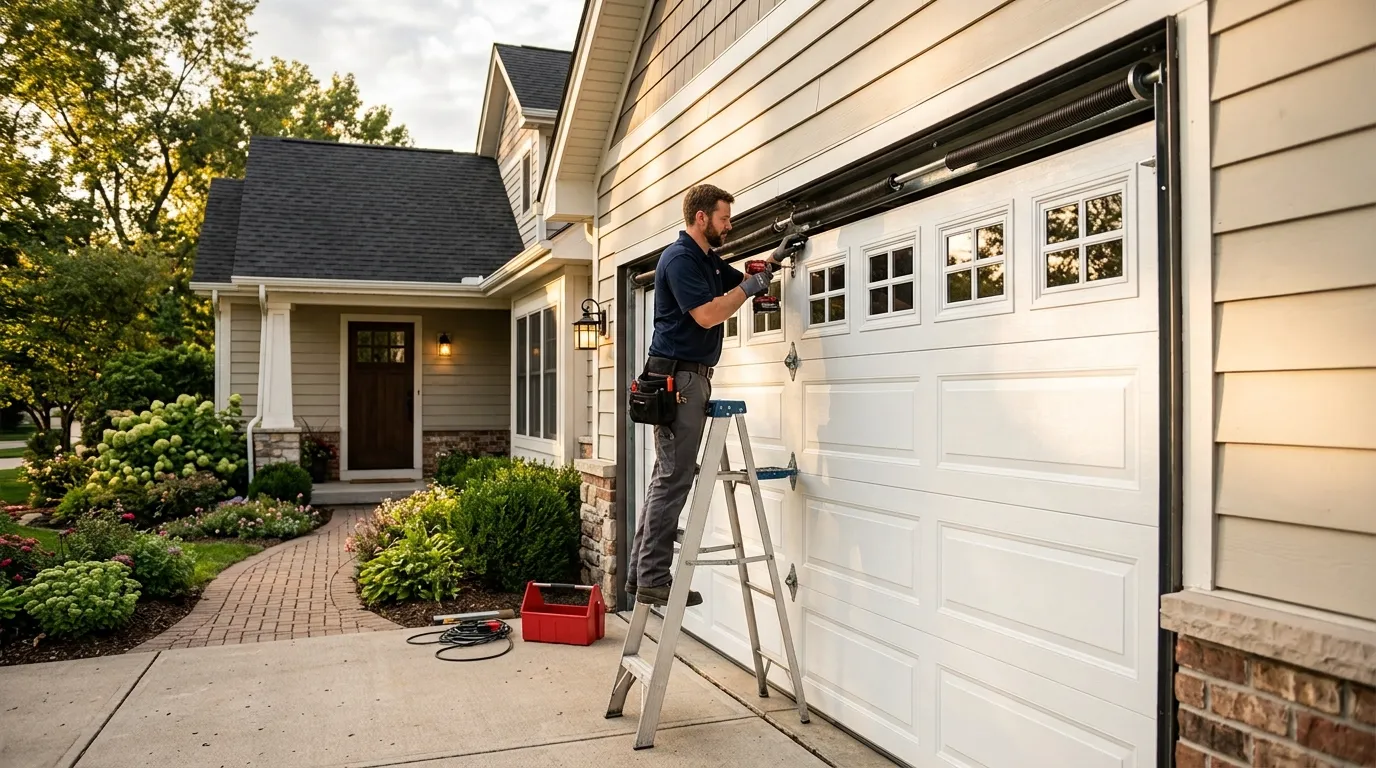
Swapping the logic board or resetting the travel limits is something a patient owner can do with the manual in hand. We won't talk anyone out of trying that first - it costs nothing but time. Where we tell people to stop is spring adjustment and anything involving the torsion bar. That's not an opener repair anymore, and it's not a place to learn by trial and error; a torsion spring under load has put people in the ER.
The other honest limit: if your opener is original to a house built in the 1970s or 80s, we're not going to spend an hour chasing parts for a motor that was discontinued before some of our crew were born. At that point replacement is the repair. With median household income across the service area around $72,000 and roughly 22,000 owner-occupied houses in the mix, most owners here are making a practical call, not an emotional one - fix it if the part's available and the door's sound, replace it if you're chasing ghosts on a 40-year-old drive unit.
How it works
From “it’s stuck” to “it’s fixed”
01
Tell us what’s wrong
Describe the symptom - won’t open, loud bang, opener runs but the door won’t move.
02
On-site diagnosis
A technician tests the door under power and by hand and finds what actually failed.
03
Clear, up-front plan
You get the fix that’s needed and what drives the cost - before any work starts.
04
Repaired & tested
The repair is done, the door is set true and tested, and the work area left clean.
Serving Albuquerque, NM - tell us what your door’s doing and we’ll take it from there.
Cold overnight temperatures stiffen the grease in the drive mechanism and can shift sensor alignment slightly. In Albuquerque's cold-moderate climate, that morning-to-afternoon swing is enough to make a marginal opener fail early in the day and run fine once things warm up.
Is it worth replacing an opener installed in the 1980s?
Usually yes. Parts for units that old are hard to source, and a lot of homes in this area still have original or first-replacement openers from that era. If the drive gear or logic board is failing, a new opener is typically faster and cheaper than chasing discontinued parts.
Can I fix opener sensor alignment myself?
Yes - this is one of the safer DIY steps. Loosen the sensor brackets, make sure both eyes line up and light up steady, and re-tighten. It's a common fix here given how many garages have settled brackets on older framing. Leave spring and torsion bar work to a professional.
Will a new opener fix a door that's hard to lift by hand?
No. A hard-to-lift door usually means a weak or broken spring, not an opener problem. Installing a new opener on a door with bad springs just burns out the new motor faster. That's a spring repair, not an opener repair.
Ready to get your garage door sorted?
Tell us what it’s doing and where you are in Albuquerque - we’ll take it from there.