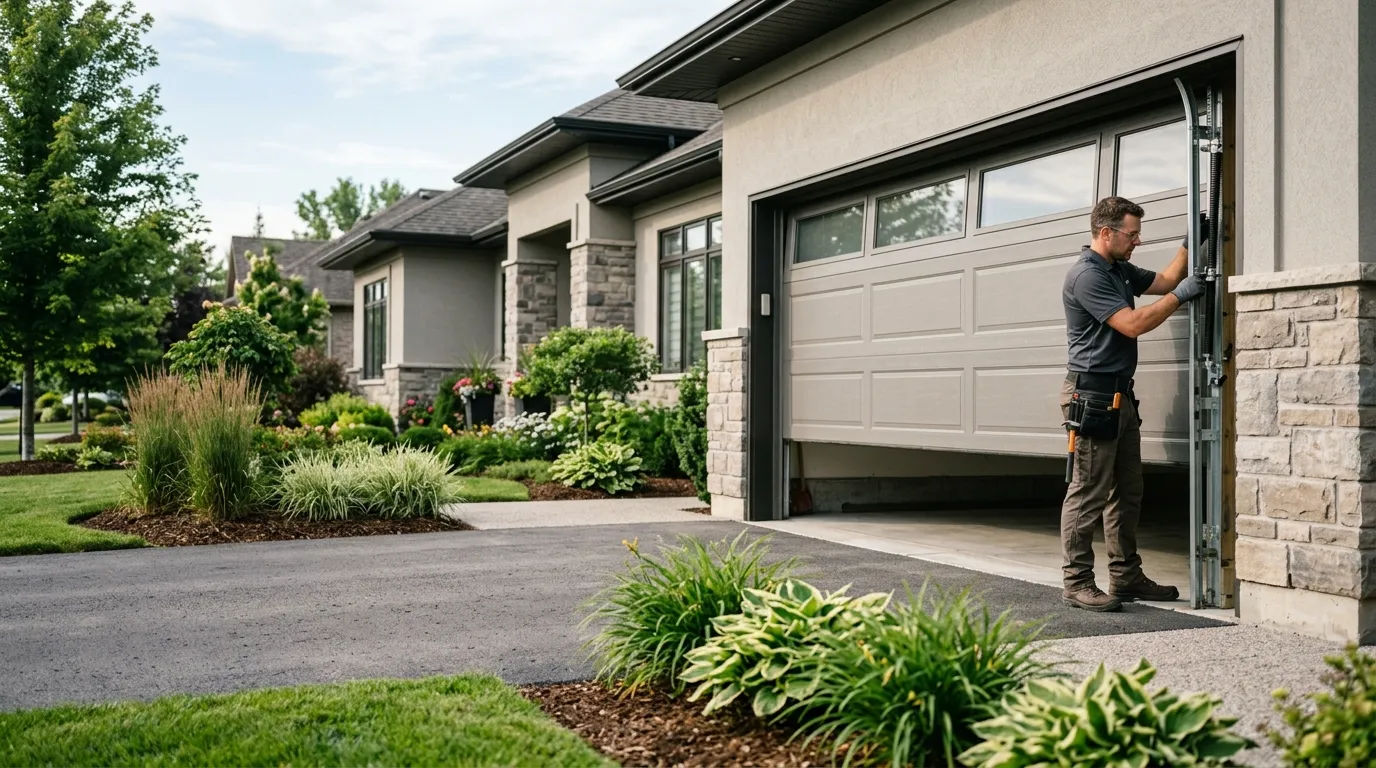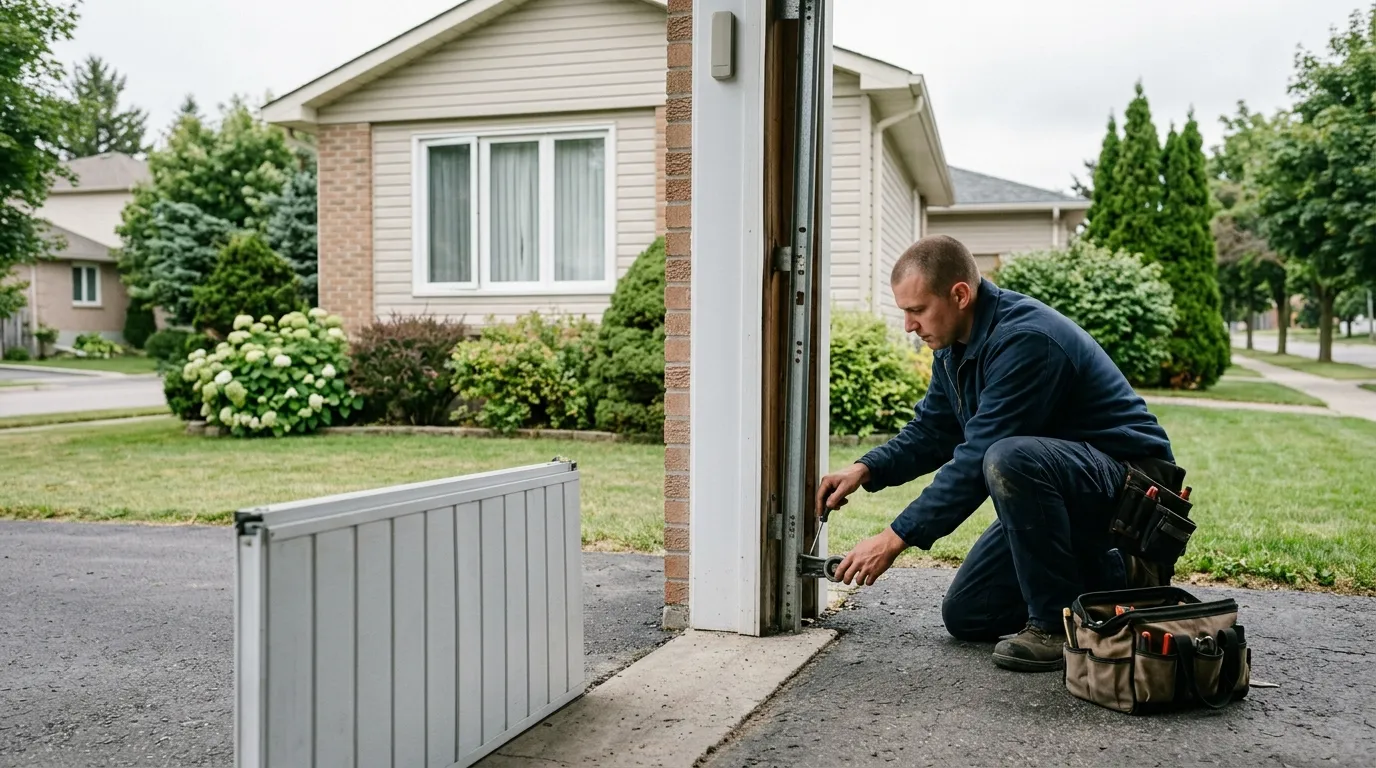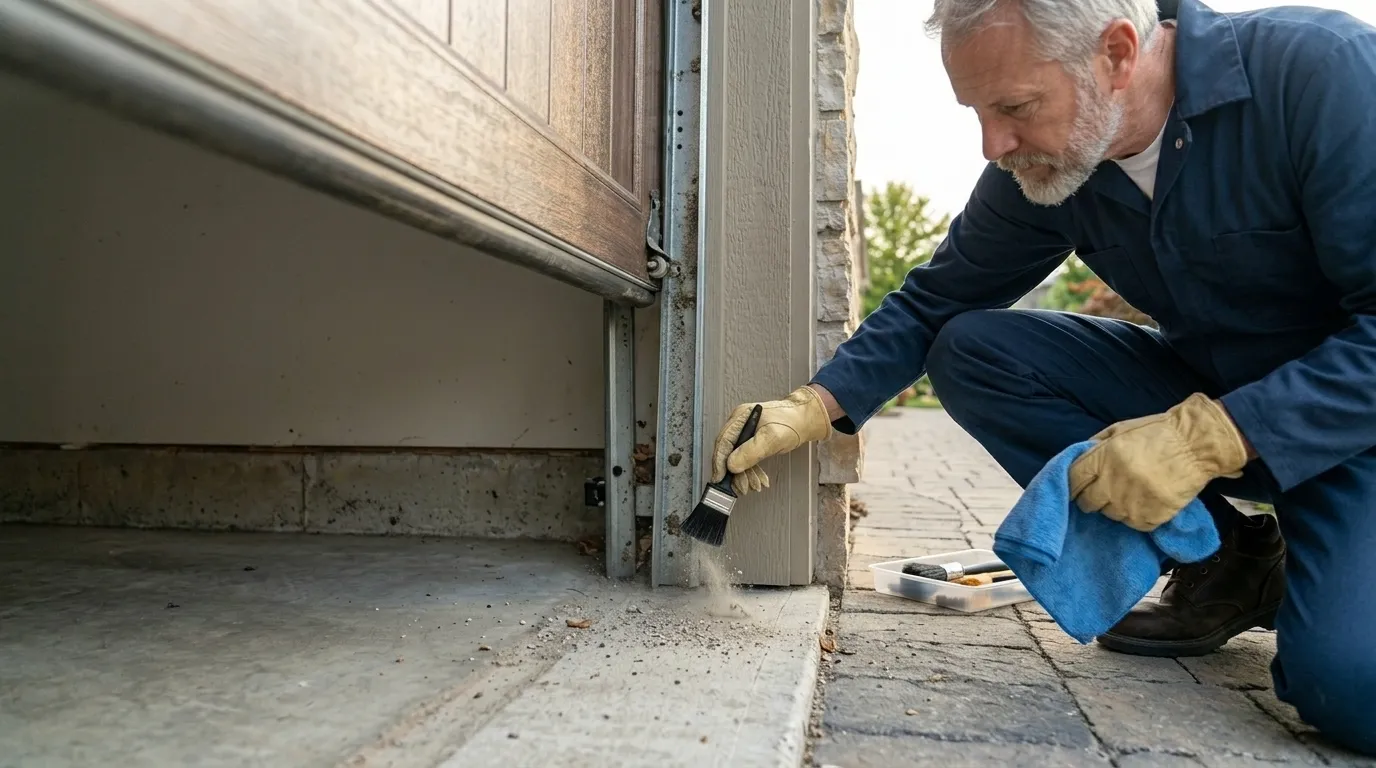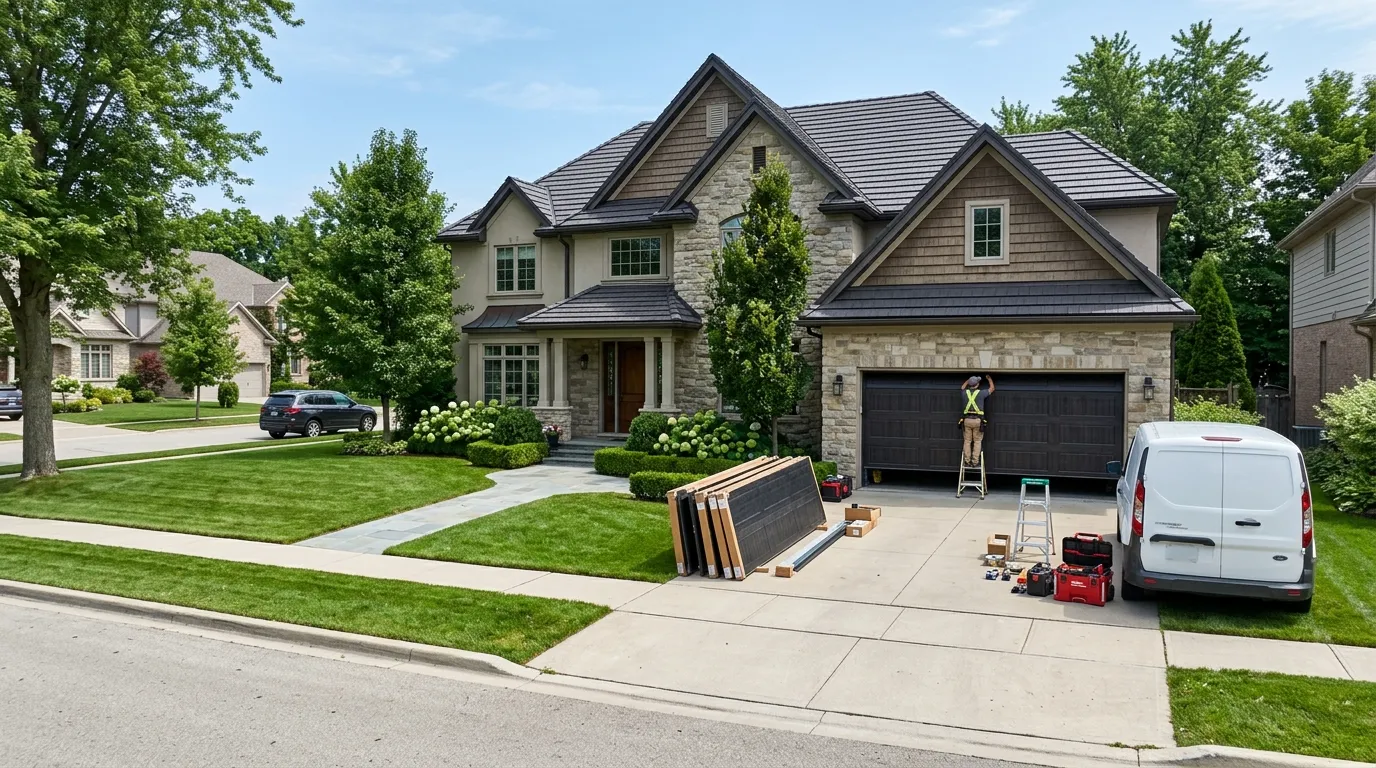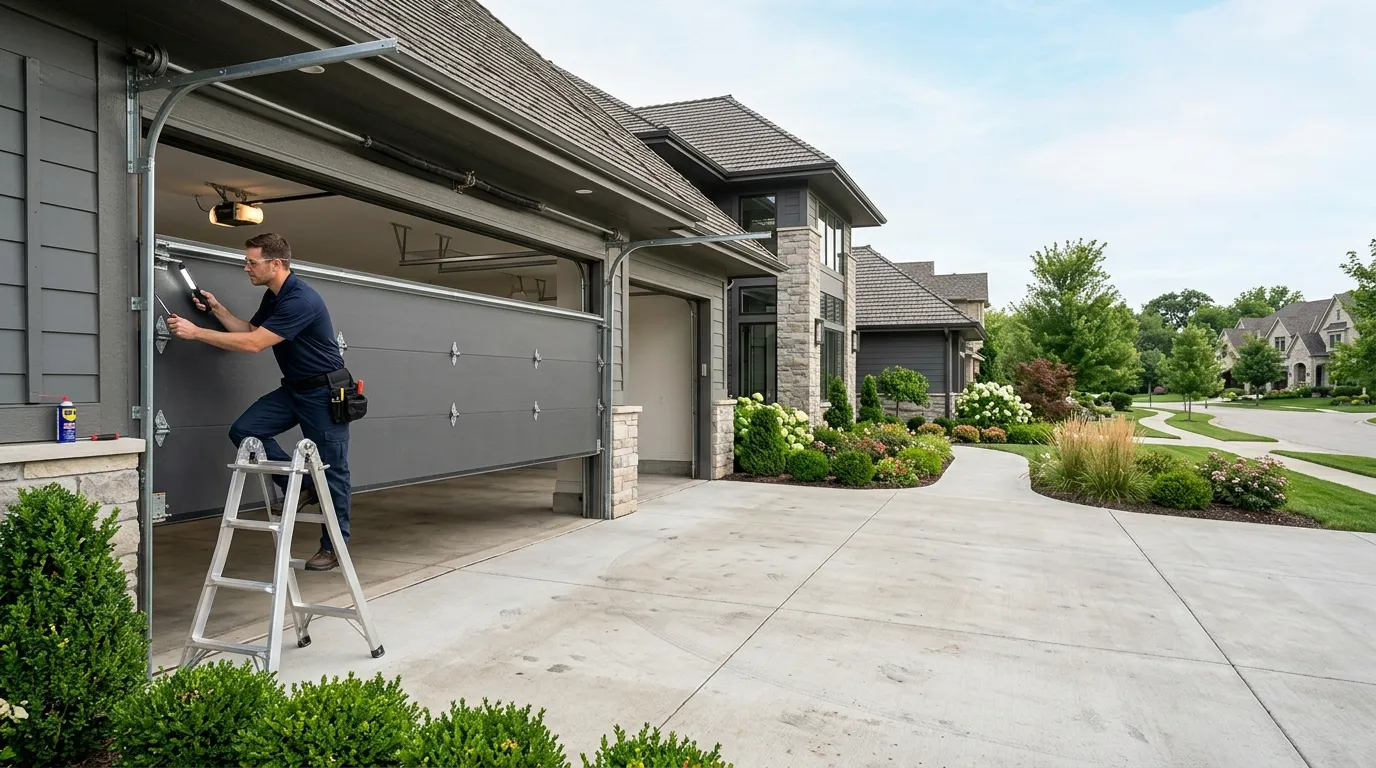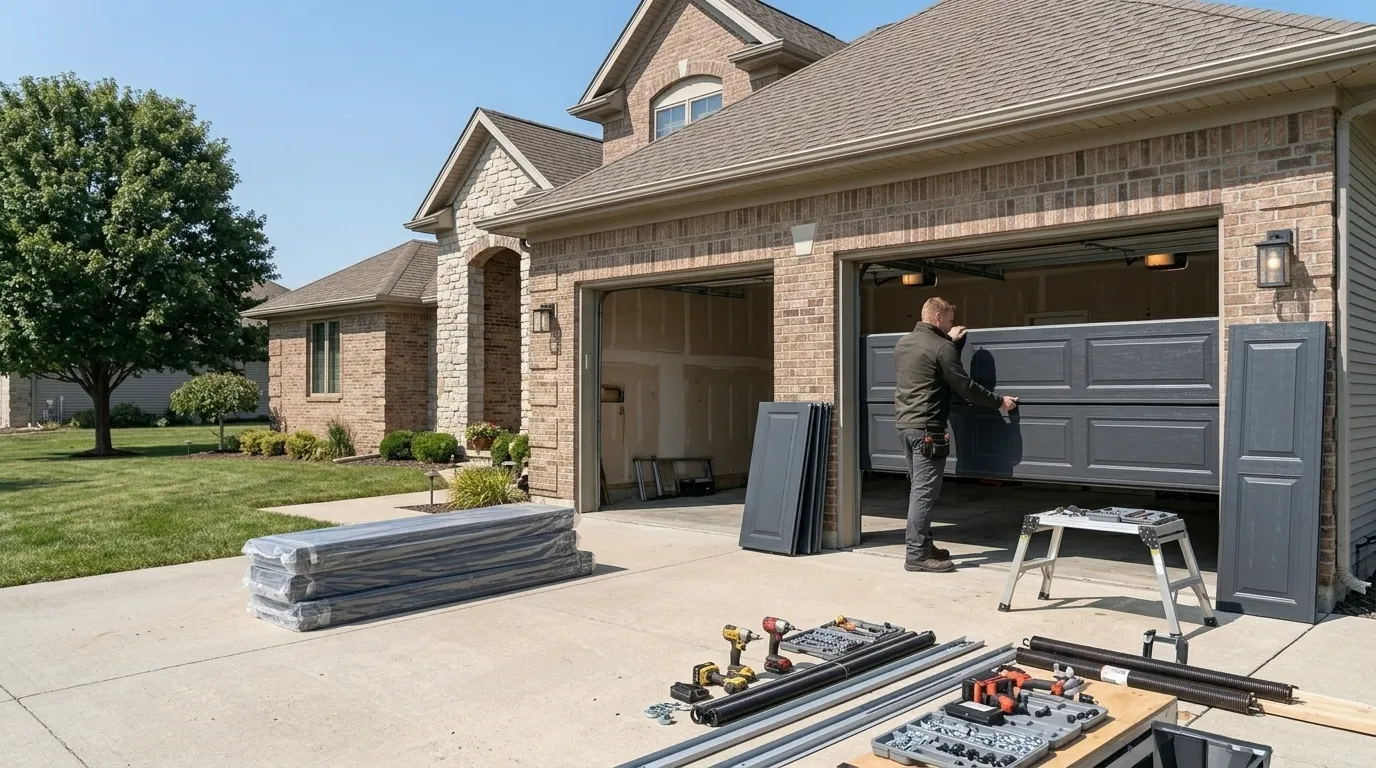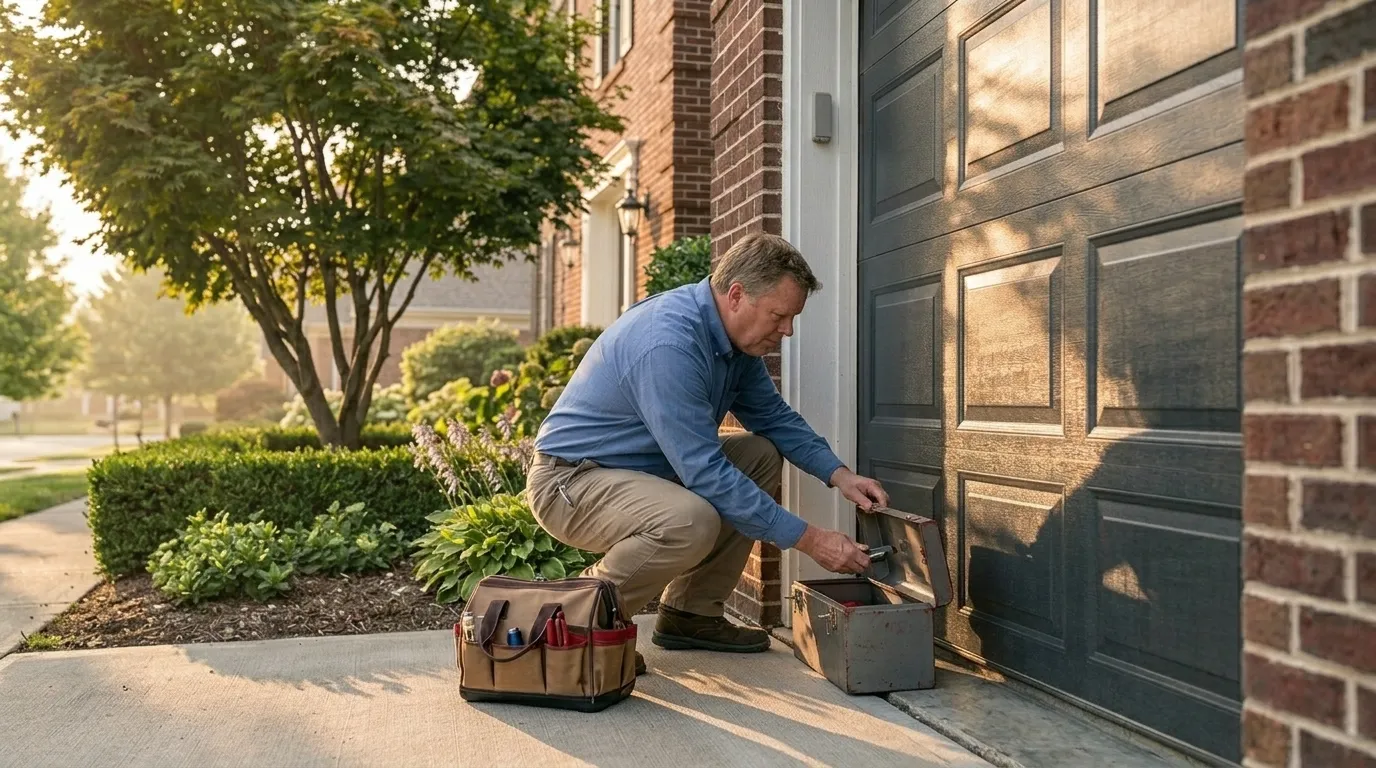
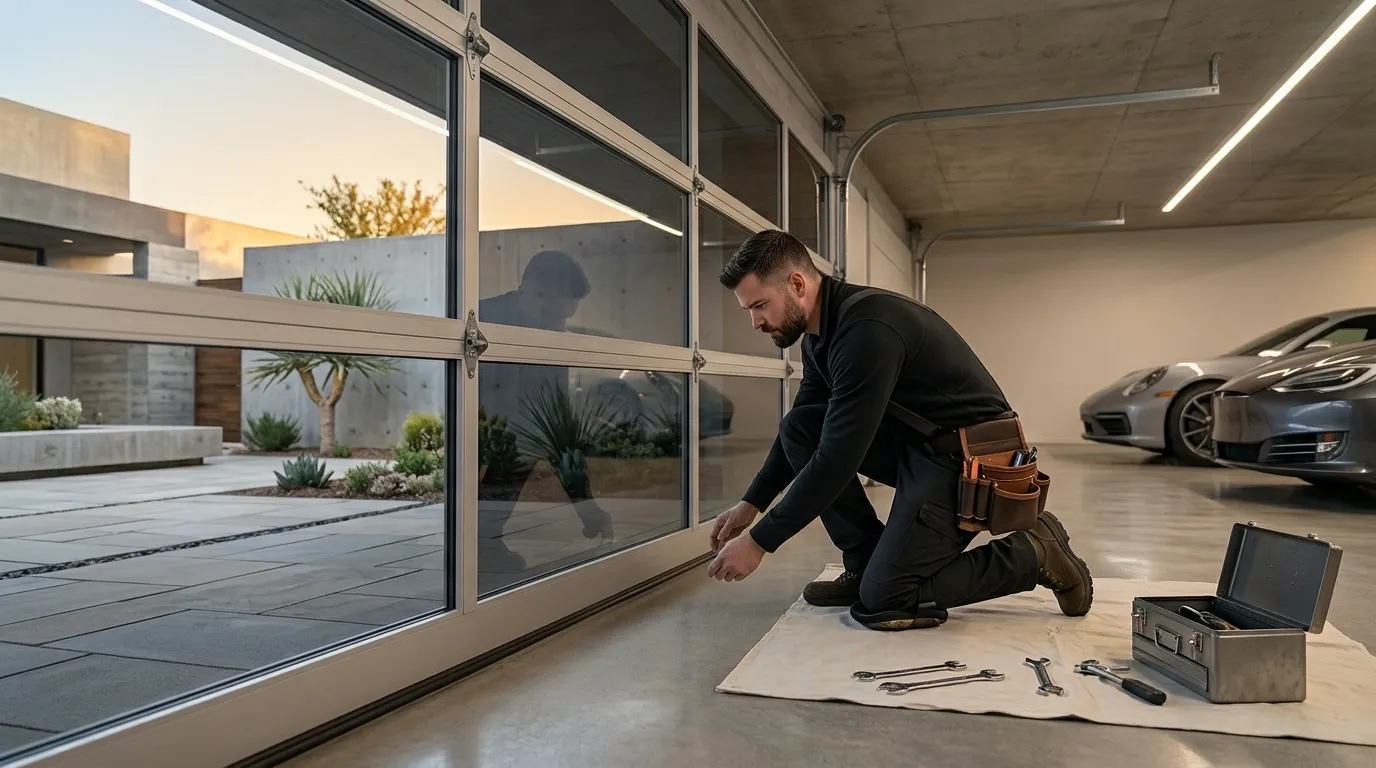
The Symptom
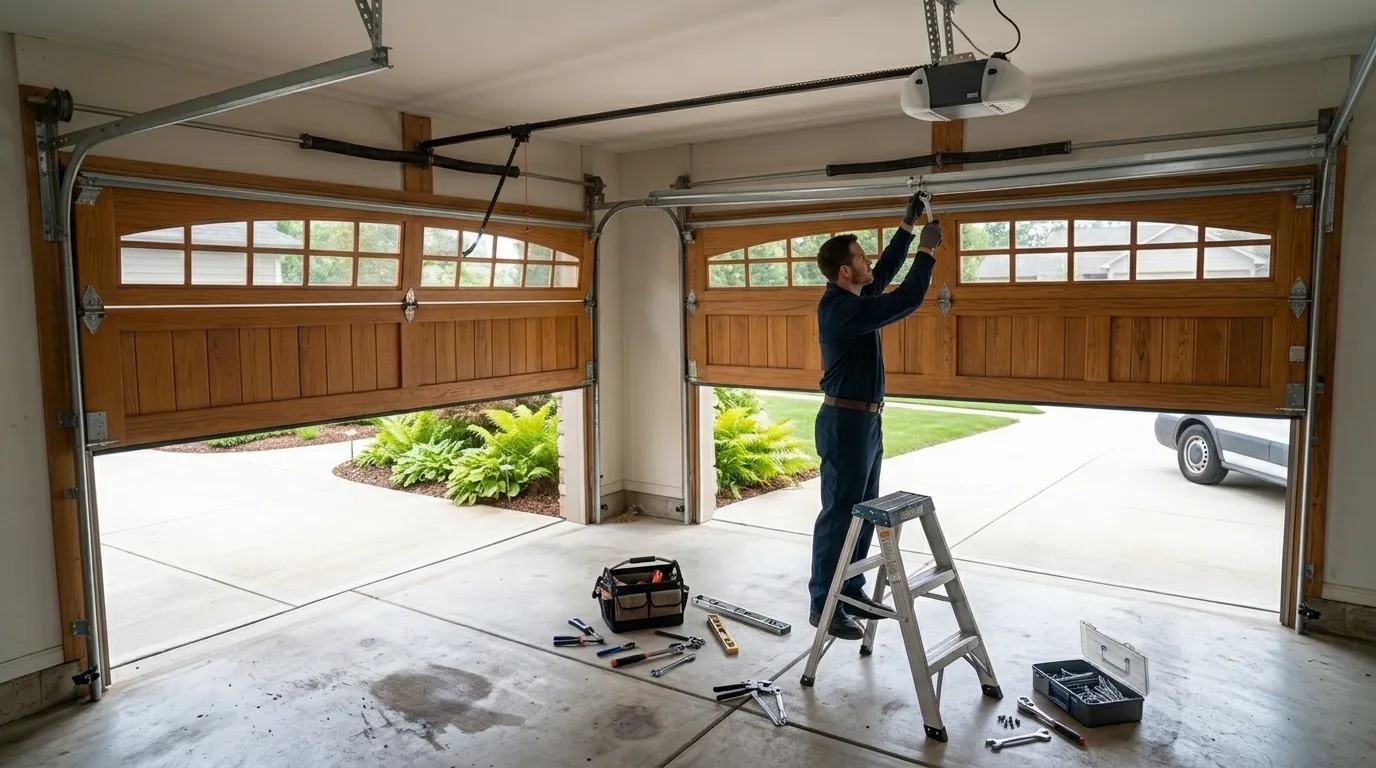
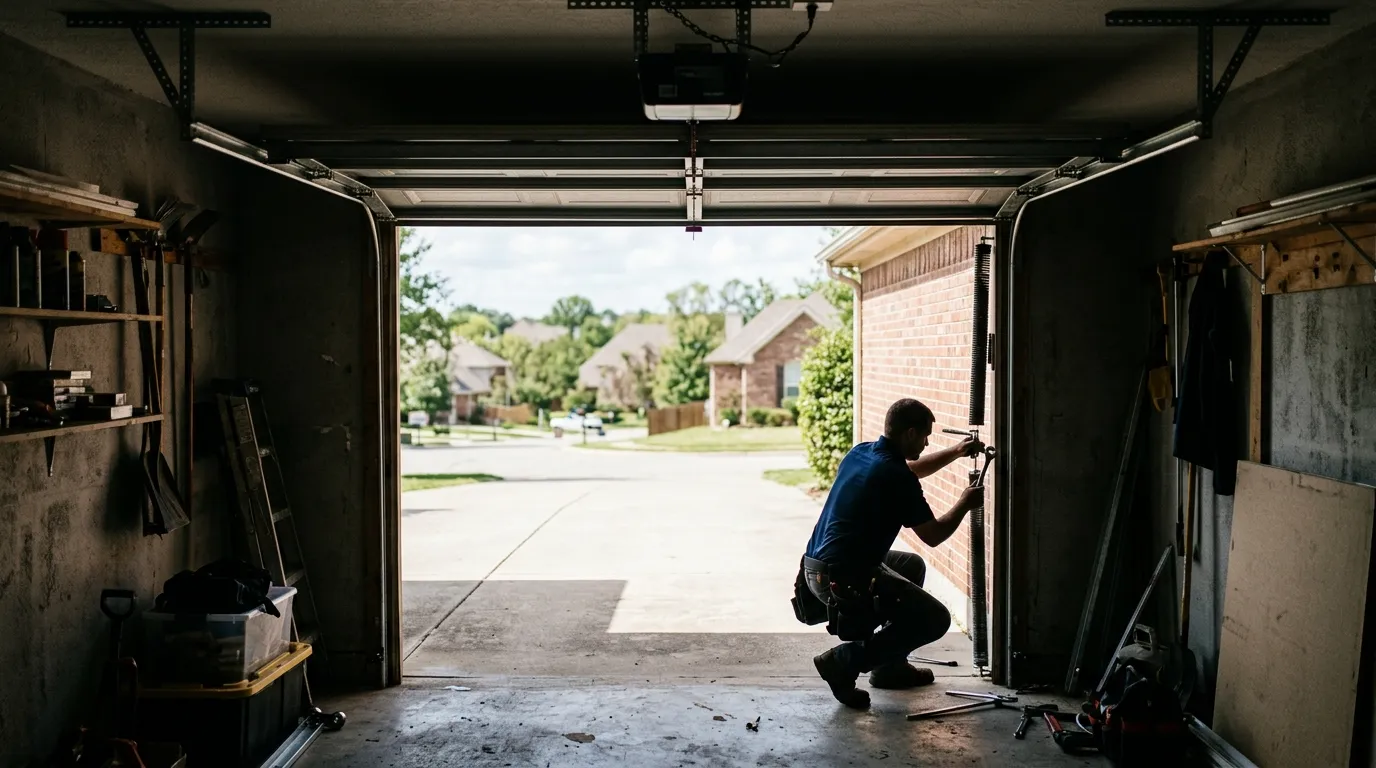
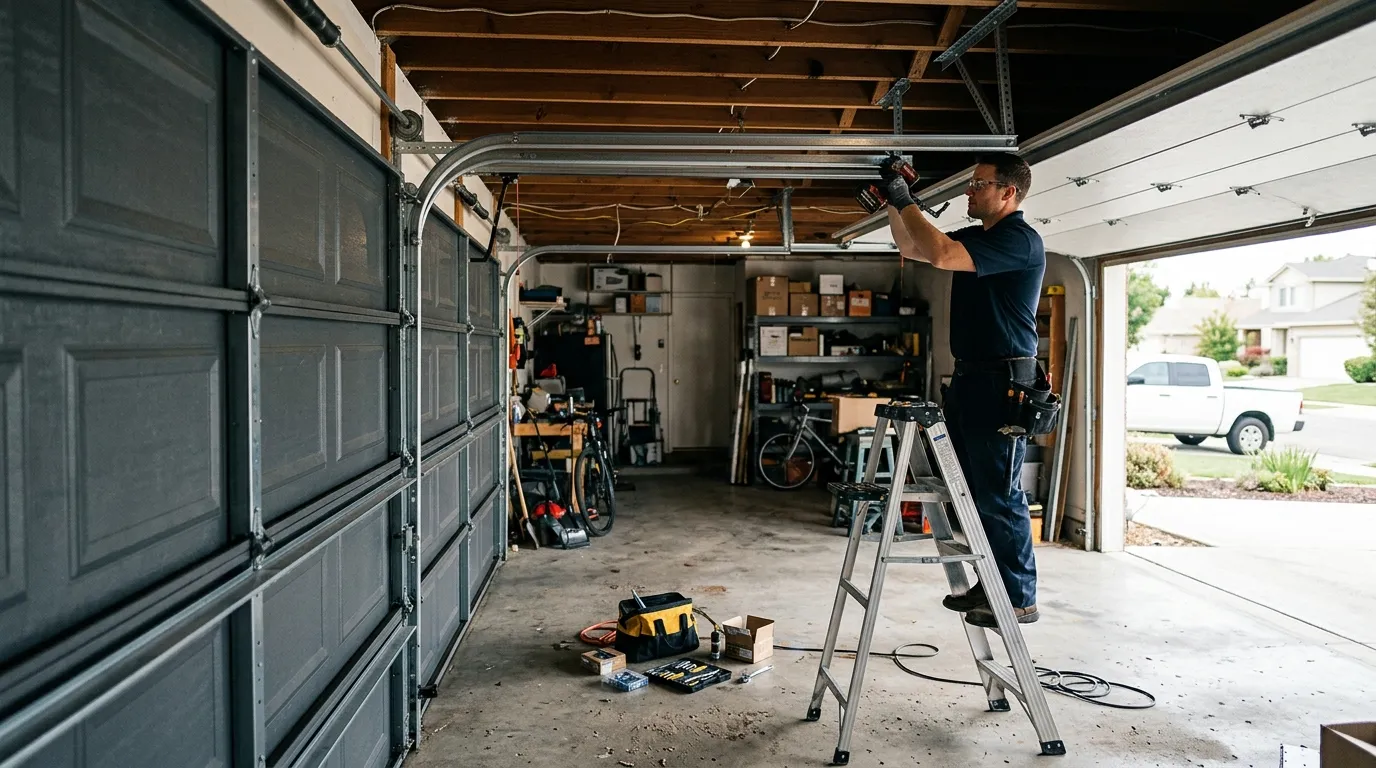
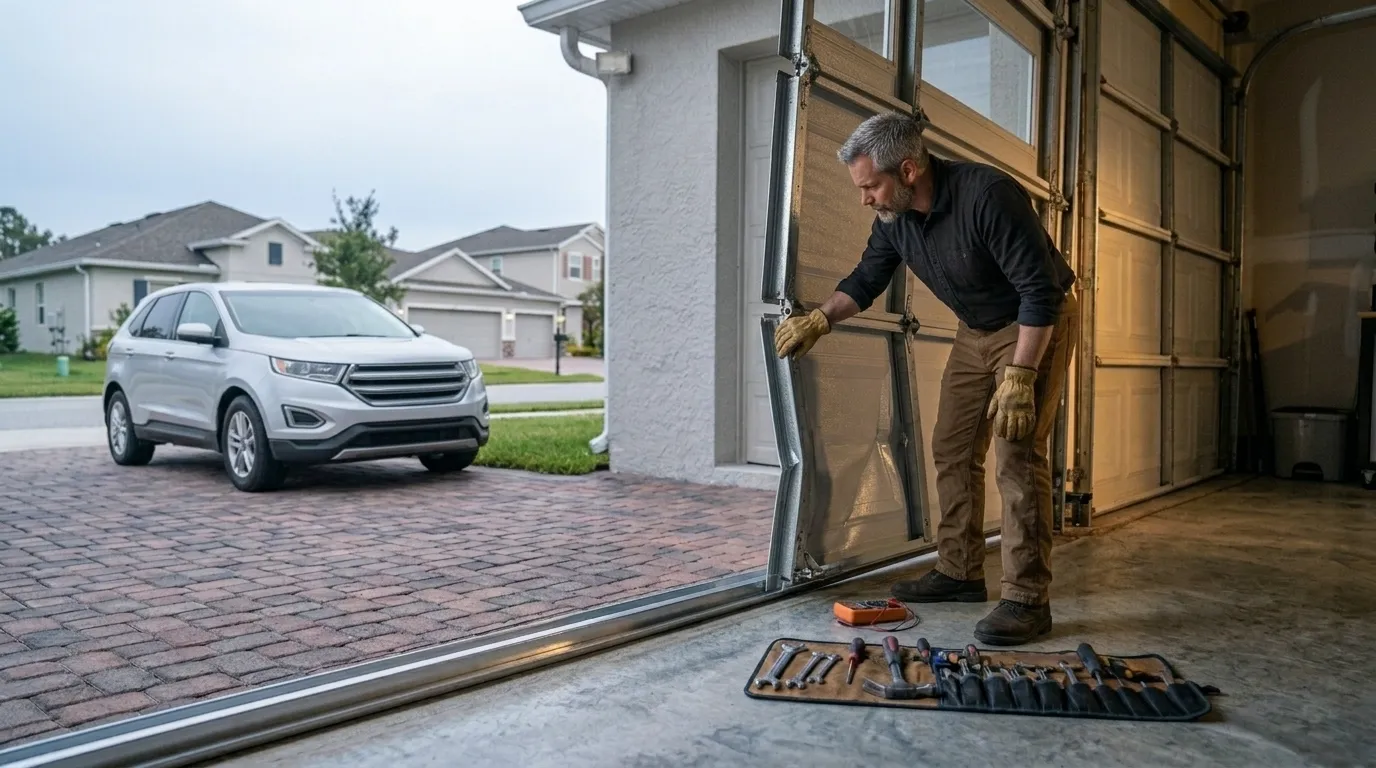
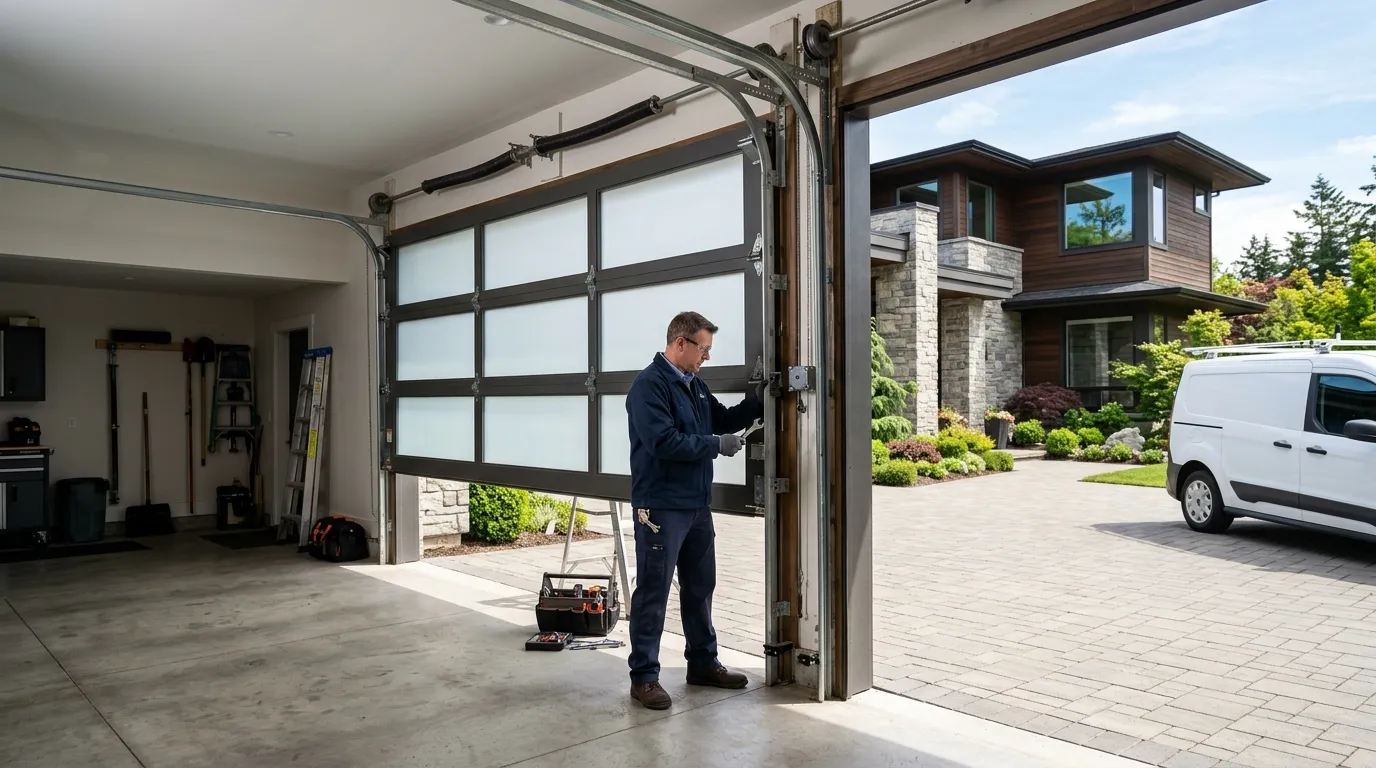
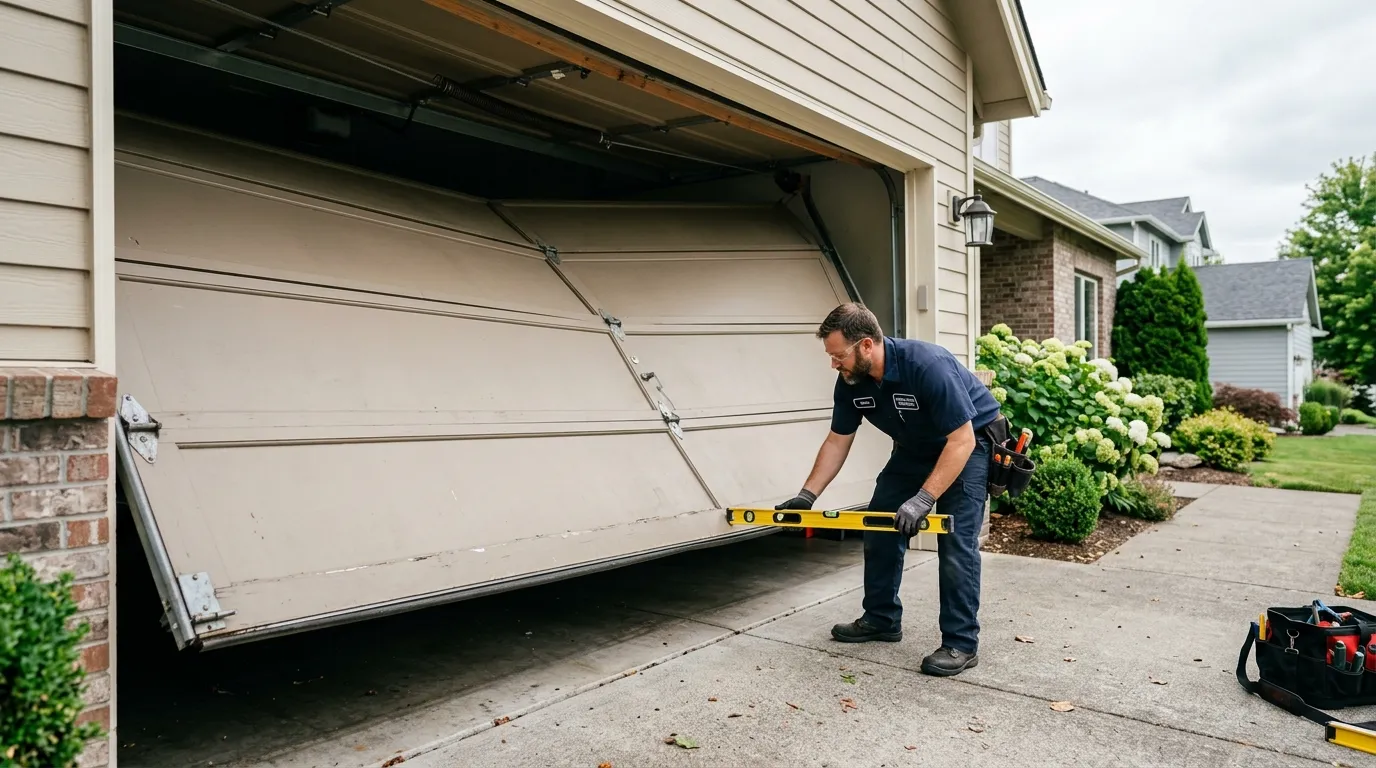
The classic sign is a door that feels heavy the moment the opener tries to lift it - it strains, maybe reverses, maybe stalls halfway with a loud bang from the spring itself. Sometimes there's no bang at all, just a door that suddenly weighs 150 pounds more than it did yesterday because one of the two springs on a double door has quietly given out while the other is still holding partial tension.
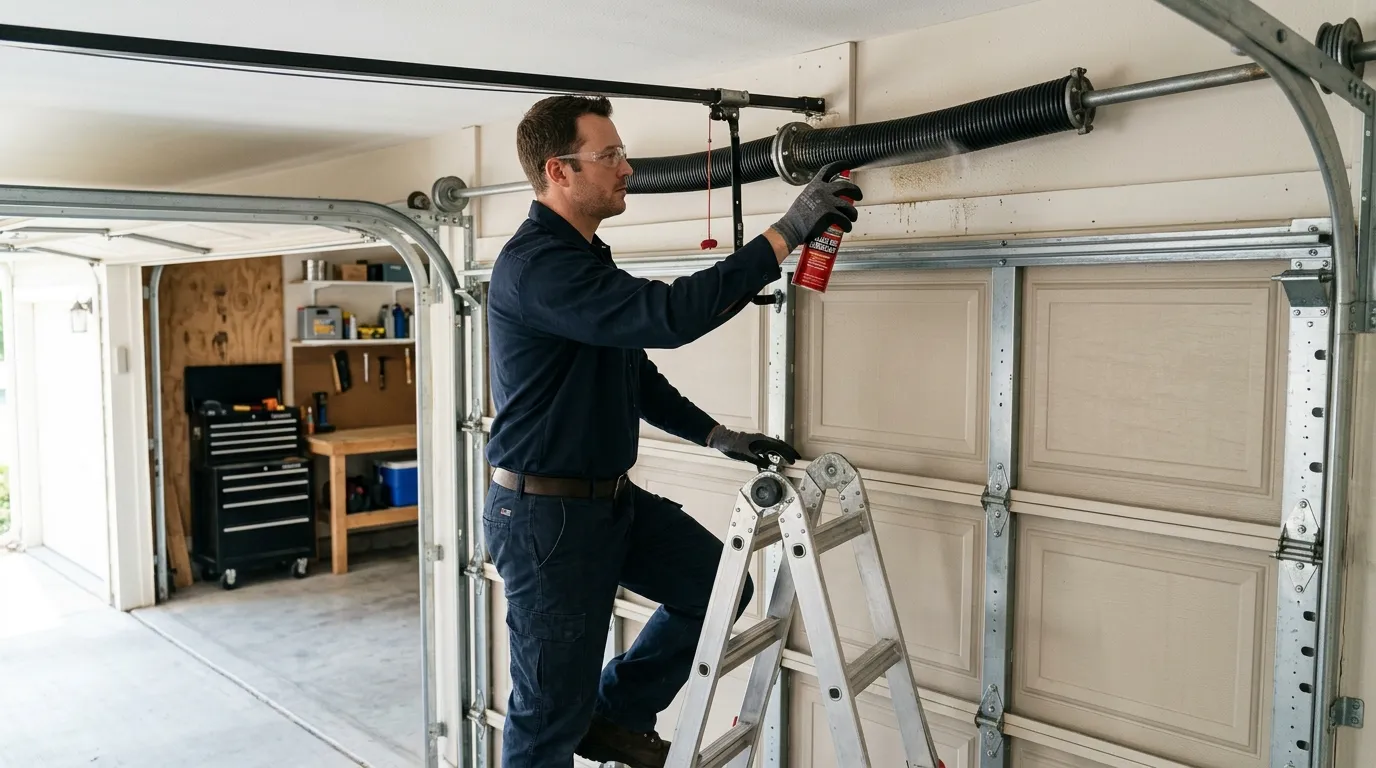
A lot of owners assume this is the opener motor failing and replace that first. It rarely is. The opener is a small motor meant to nudge a properly sprung door, not lift dead weight, so a burnt-out opener is usually a symptom of a spring problem, not the cause of one. If your door is loud on the way up, hesitates, or you can see a visible gap in a coil on the spring bar above the door, that's the tell. Doors built to the specs common in Albuquerque's 1968-1999 housing wave typically run a single or dual torsion spring set sized to a standard 7-foot section door - not the counterweight or extension-spring setups you'll find in older or newer construction elsewhere.
Why This Fails Locally
Two things stack against springs here that don't stack the same way everywhere. First, the age of the housing stock: with most of the service area's stock dating 1968-1999 and clustered in a mix of 1960s-70s construction across the 13 named areas we cover, a huge number of original torsion springs are well past their rated cycle count - most residential torsion springs are rated for somewhere around 10,000 open-close cycles, and a door used twice a day for 40+ years has burned through that math a long time ago.
Second, the climate. Albuquerque sits in a cold-moderate band, which means steel spring coils go through real seasonal temperature swings - hot, dry summers followed by genuinely cold winter nights. That expansion and contraction, cycle after cycle, work-hardens the steel and is a big part of why springs here tend to fail suddenly rather than stretch out gradually. It's not rust from humidity the way it might be in a wetter climate - it's fatigue. That combination, old hardware plus real thermal swing, is why we see more sudden mid-winter spring snaps than you'd expect in a dry, moderate desert city.