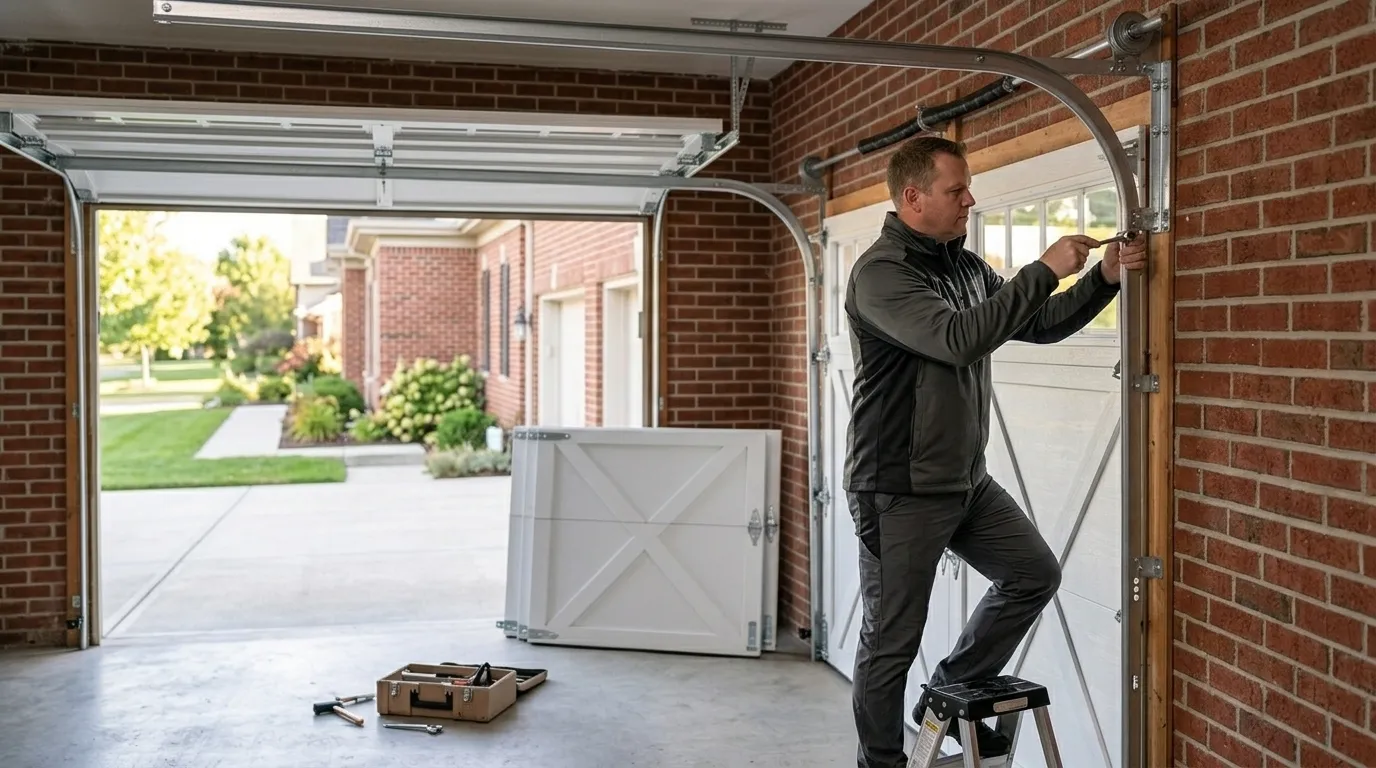

The DIY Question
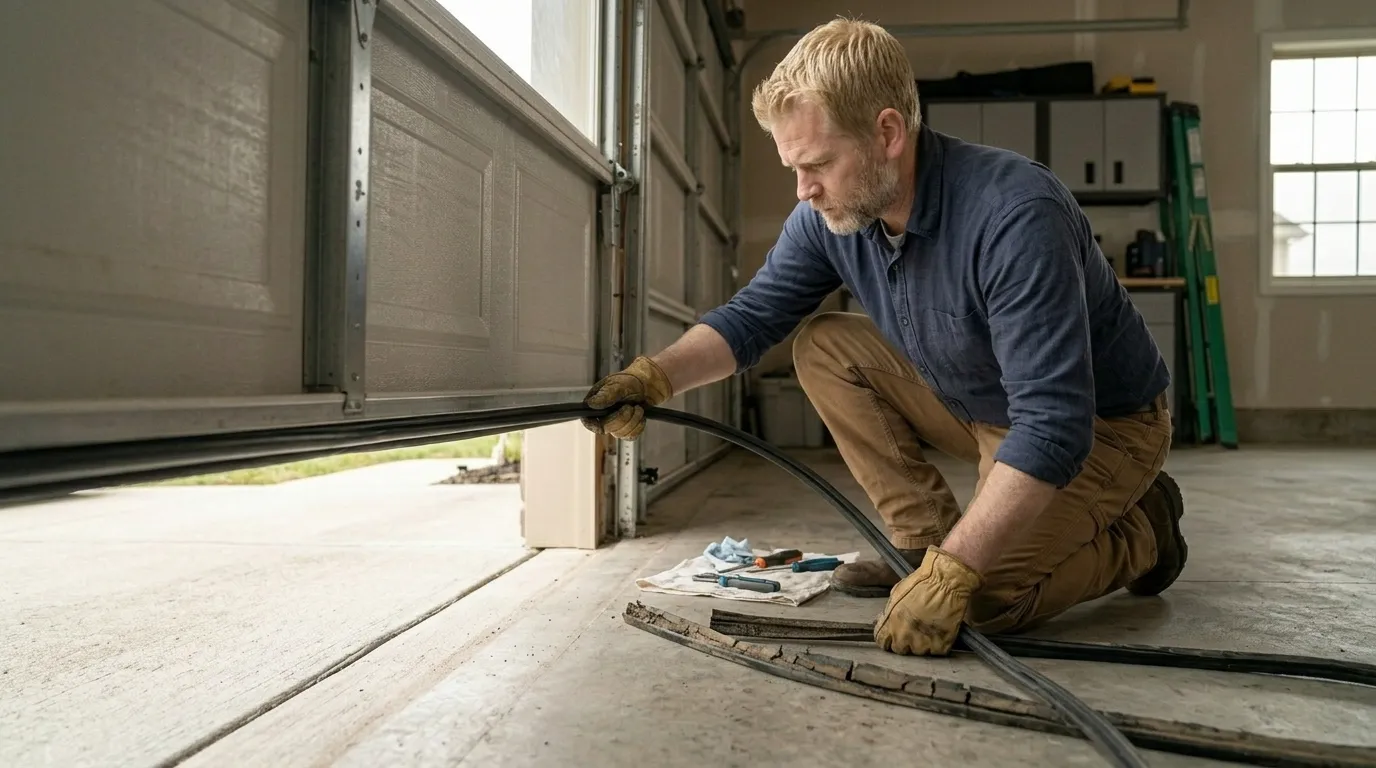
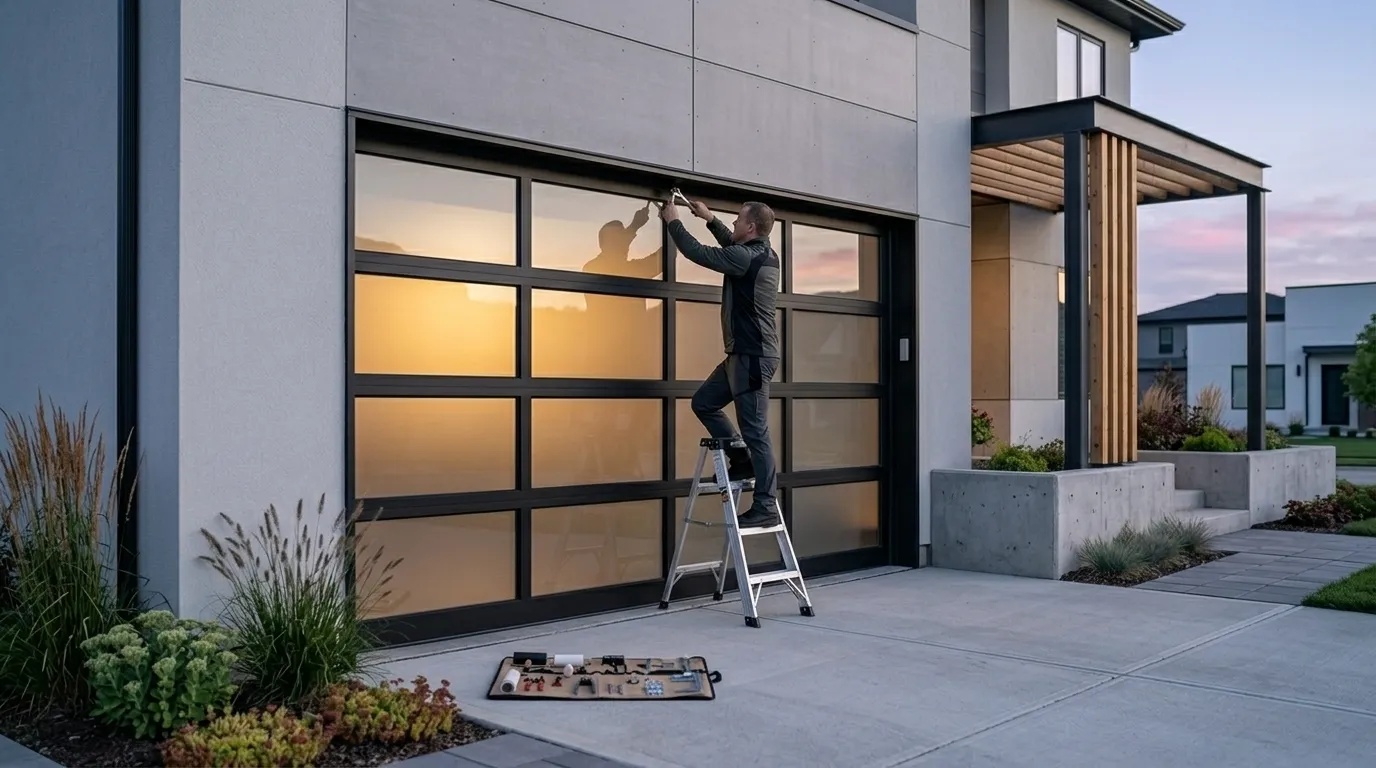
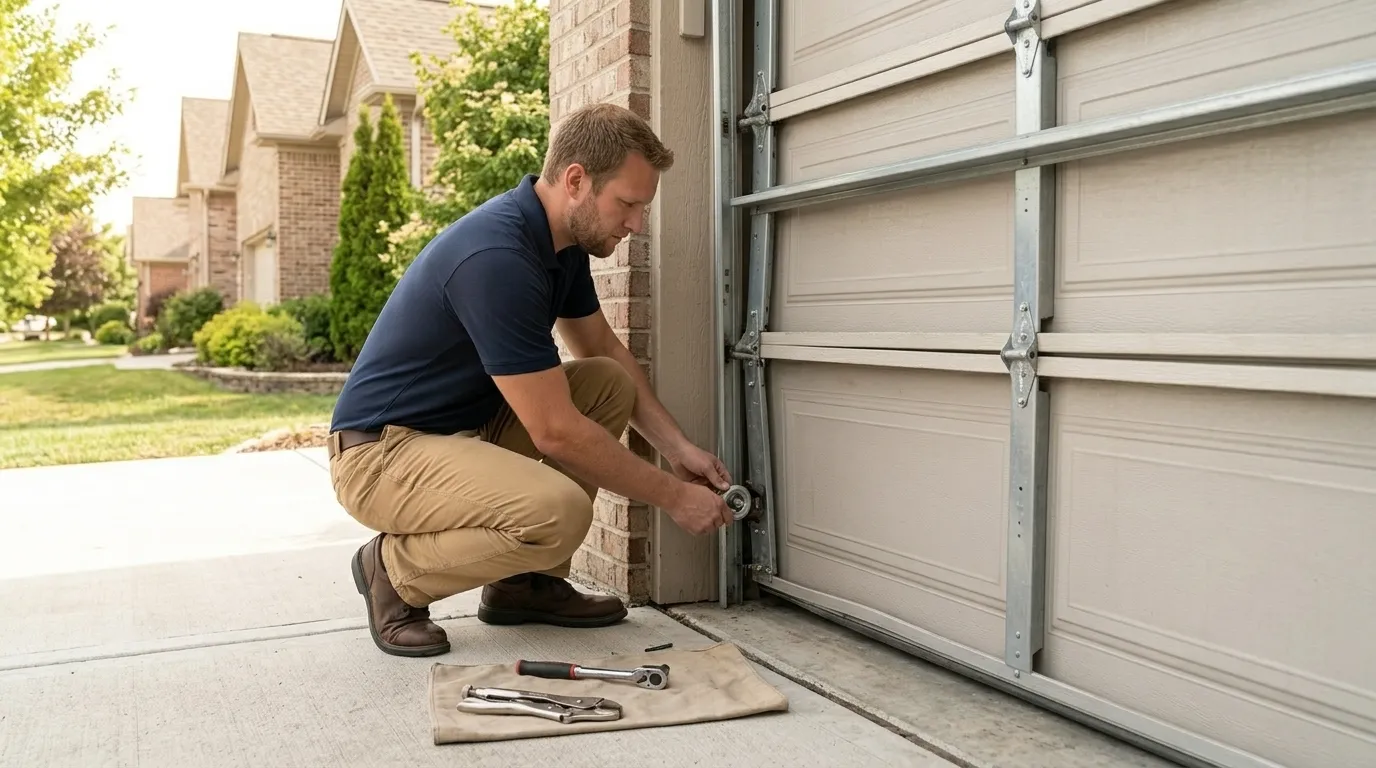
Some of this is fine to handle yourself. Lubricating the rollers and hinges twice a year, tightening the lag bolts on the track brackets, swapping out cracked weatherstrip at the bottom of the door - none of that needs a truck out from Albuquerque.
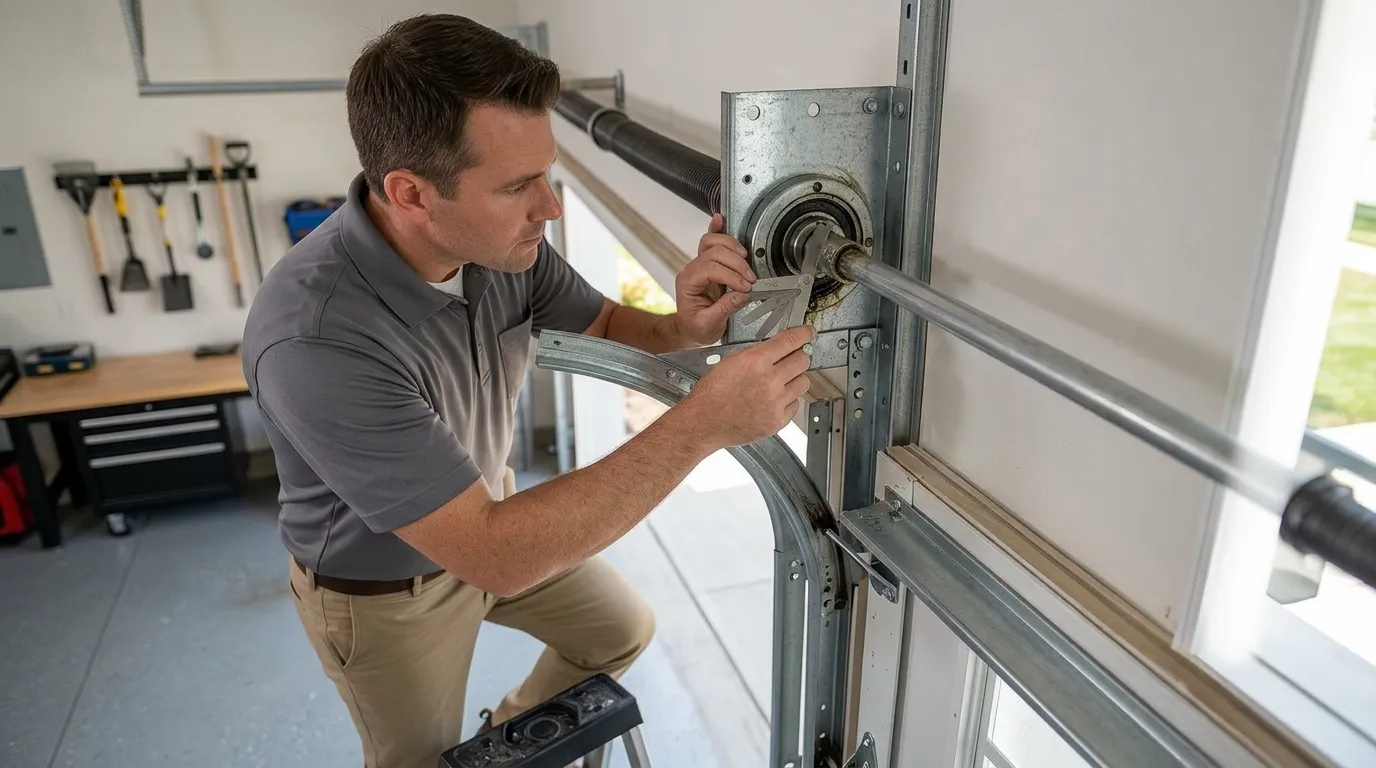
A torsion spring is a different matter. It's wound under enough tension to break a bone or worse if the winding bars slip, and on a door this old you're often dealing with a spring that was never sized right for the door in the first place. We won't talk anyone through that one over the phone, and we'd tell you the same thing in person: if the spring's gone, that's a call, not a weekend project.
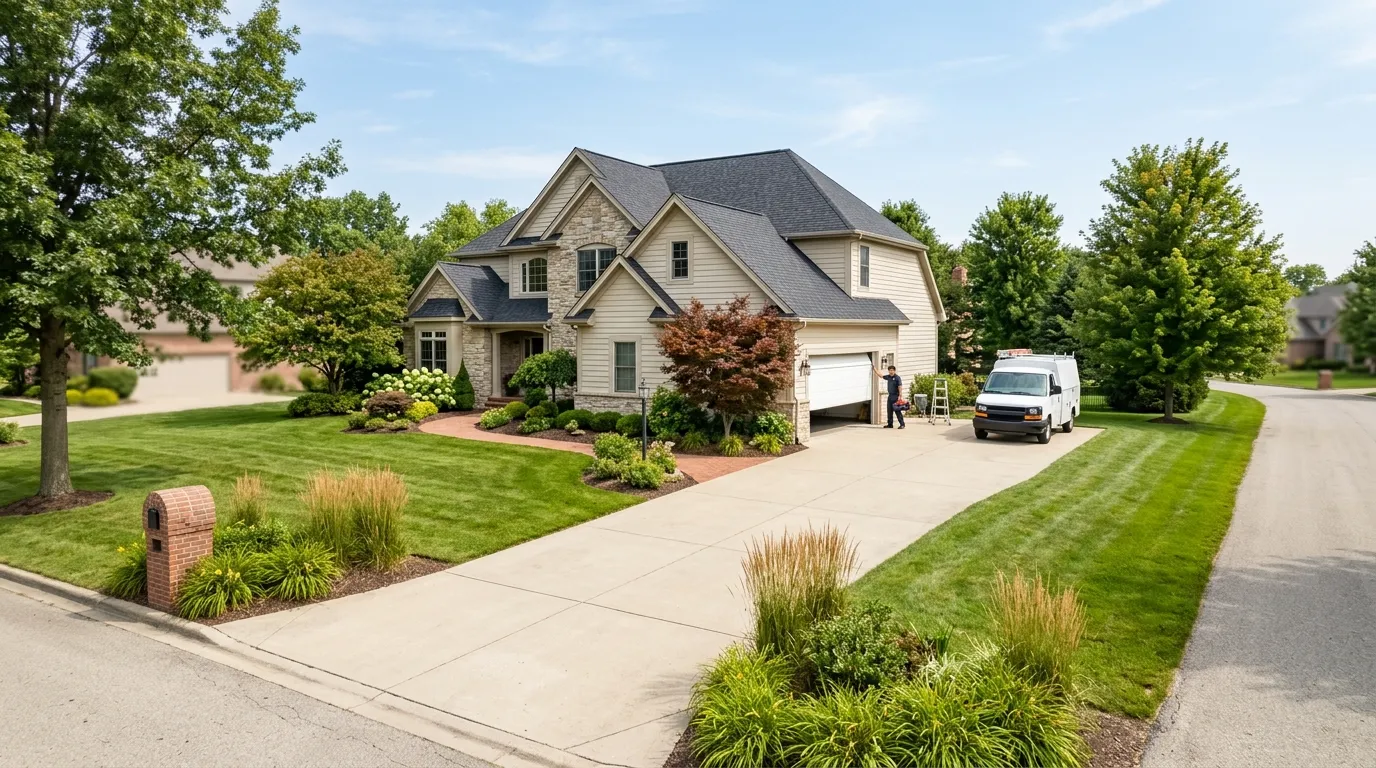
The honest limitation here is drive time. We're 18 miles out from Albuquerque with no branch in Bosque Farms itself, so same-hour emergency work isn't something we can promise the way we might closer to the yard. If the door's stuck shut with a car inside, plan around that distance rather than around us showing up in twenty minutes.
What the Fix Involves
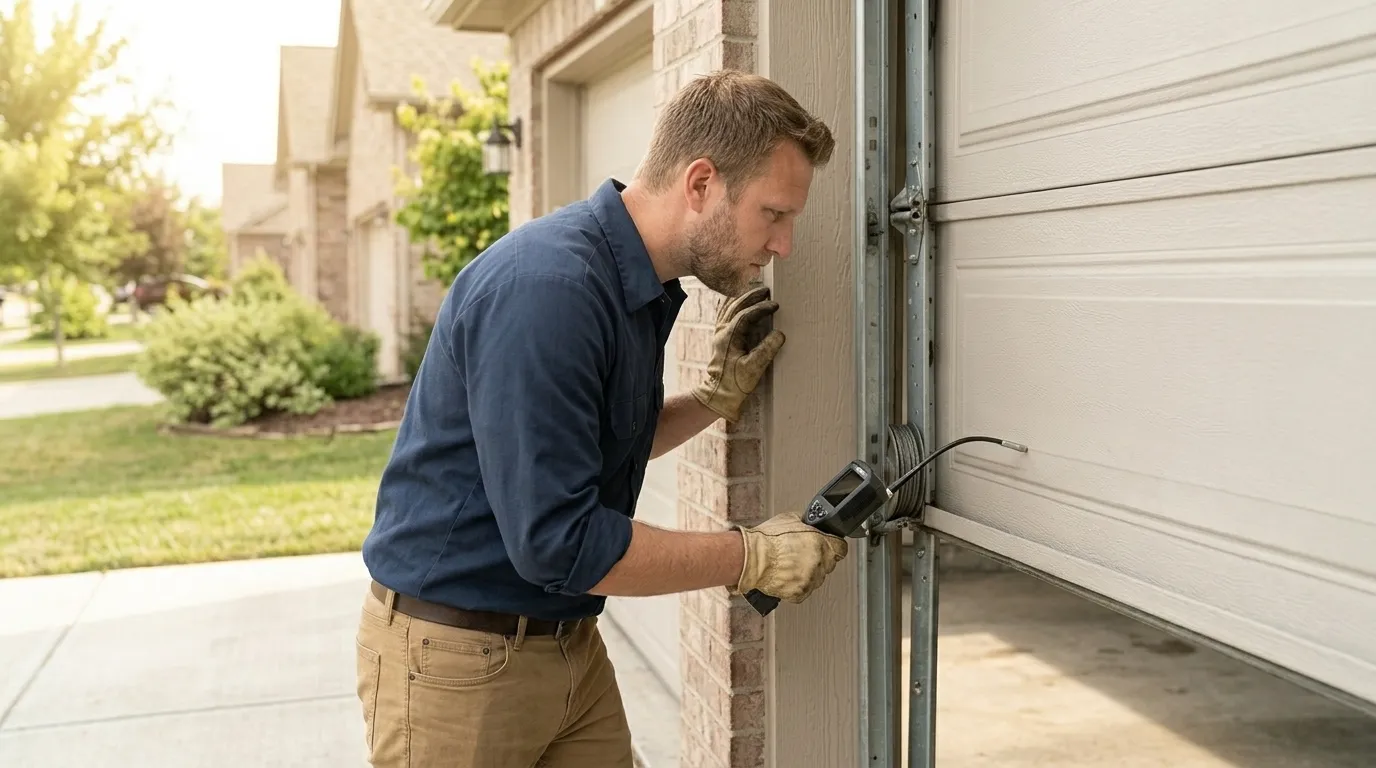
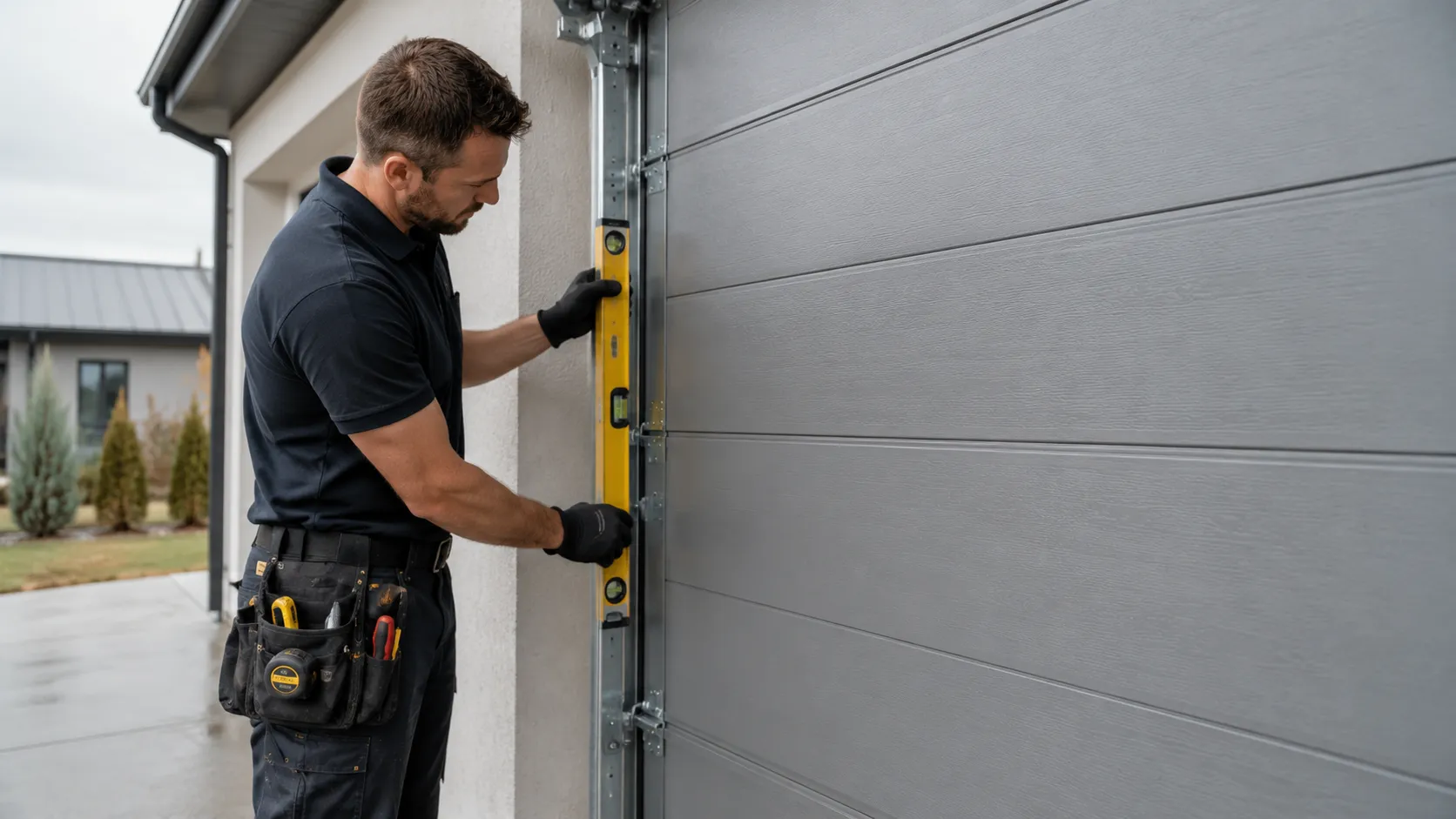
Once we're on site, the first thing we check isn't the spring - it's the track alignment, because on a lot of these 1979-era installs the vertical track was set slightly off from day one, and that's what's been chewing through rollers and shortening spring life for years.
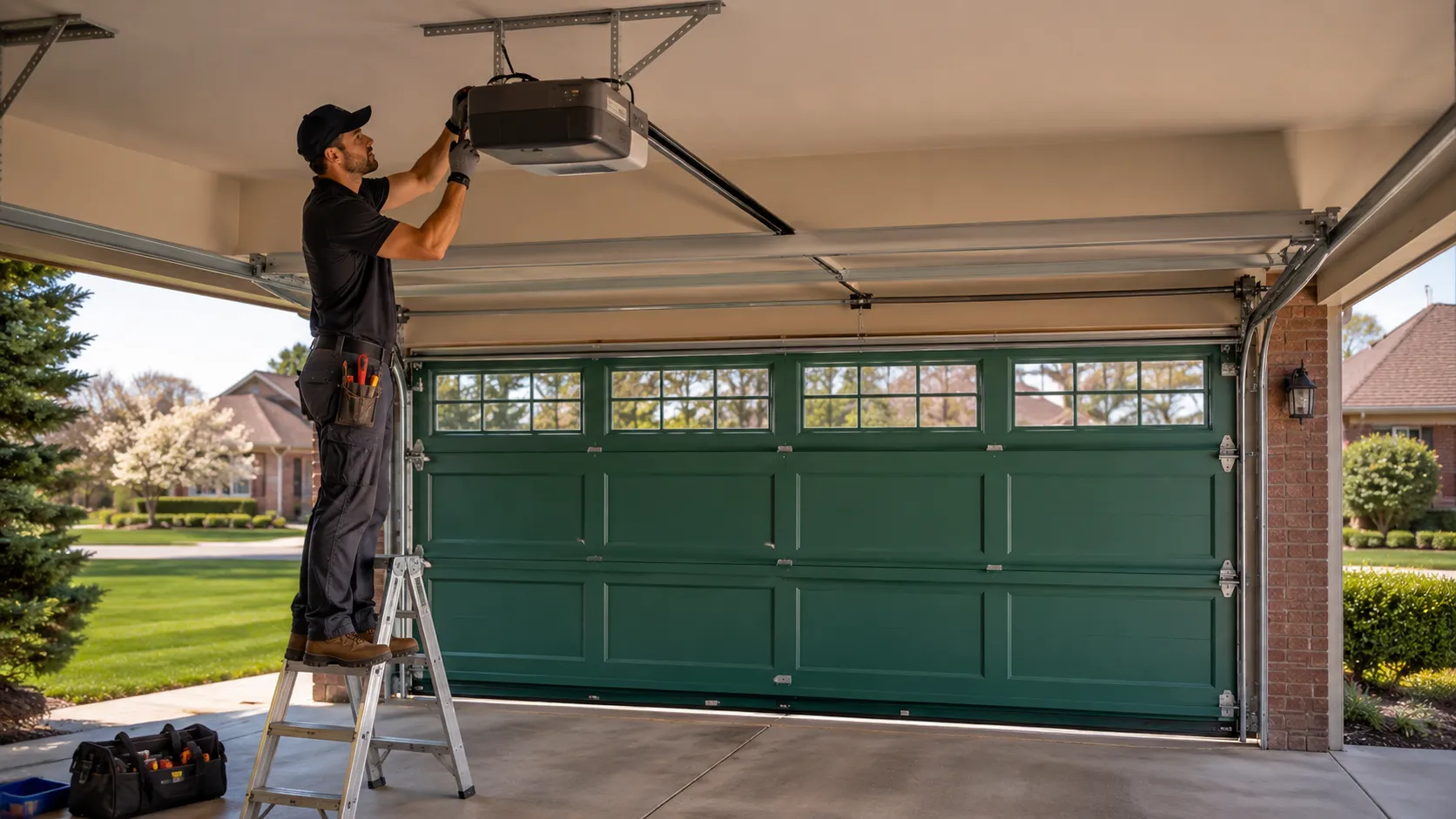
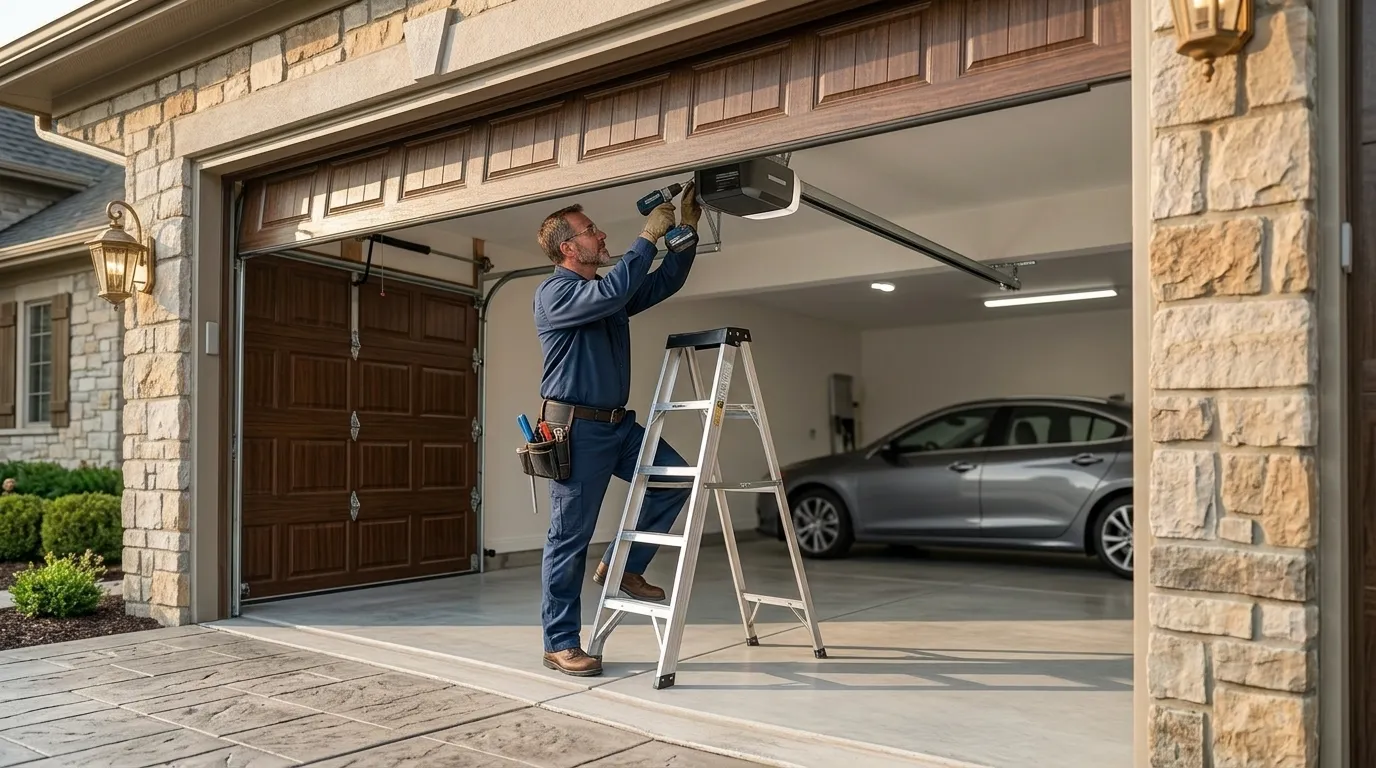
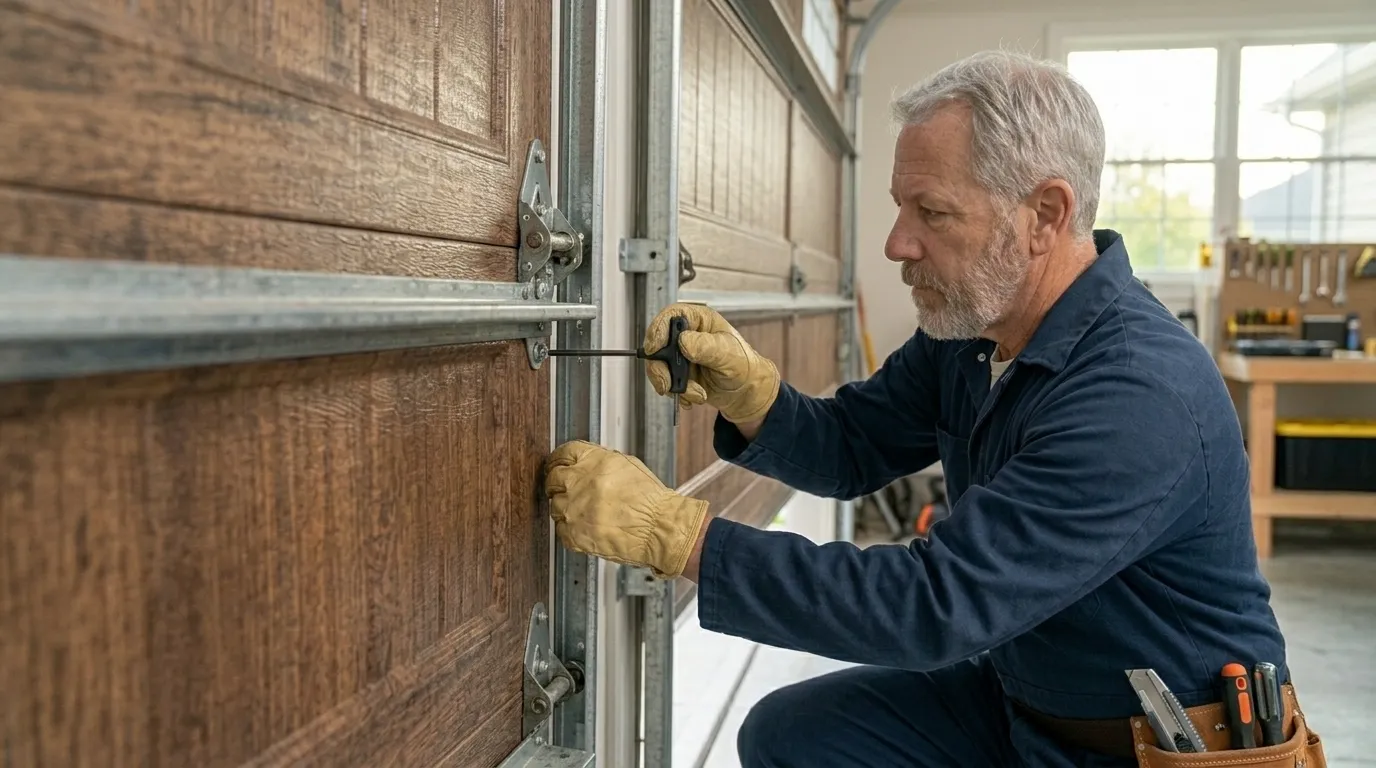
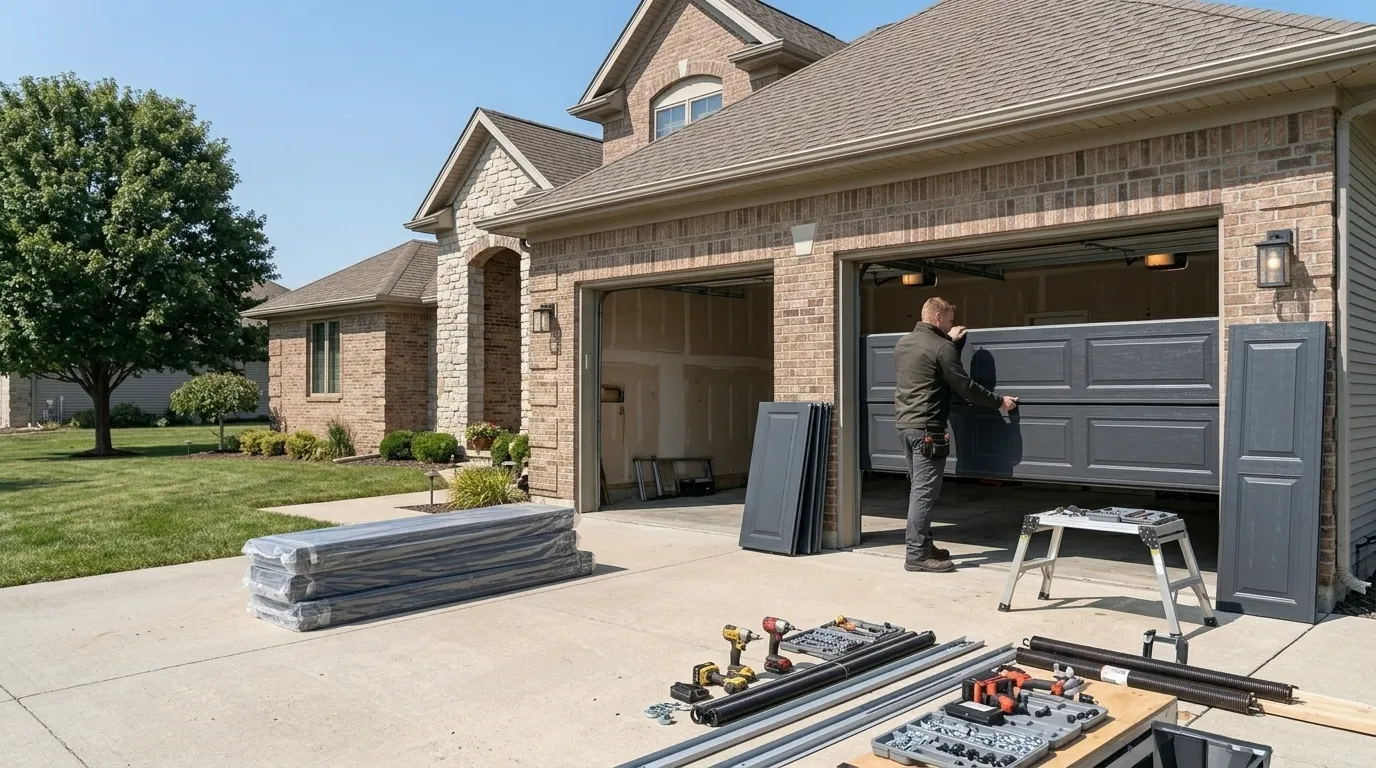
From there it's a matched replacement: a torsion spring sized to the actual weight of the door, not a generic stock size, new rollers if the old ones have flat spots, and a check on the opener's force and travel limits so the new spring doesn't fight the motor. On doors from this build era we often find the opener itself is a later add-on, sometimes two owners removed from the original door, so the settings rarely match what the hardware actually needs.
We don't replace parts that don't need it. If the door itself is sound and it's just the spring and rollers that failed, that's what gets fixed - a full door swap only comes up when the panels themselves have gone soft or the track is bent beyond a simple realignment.