The DIY Question
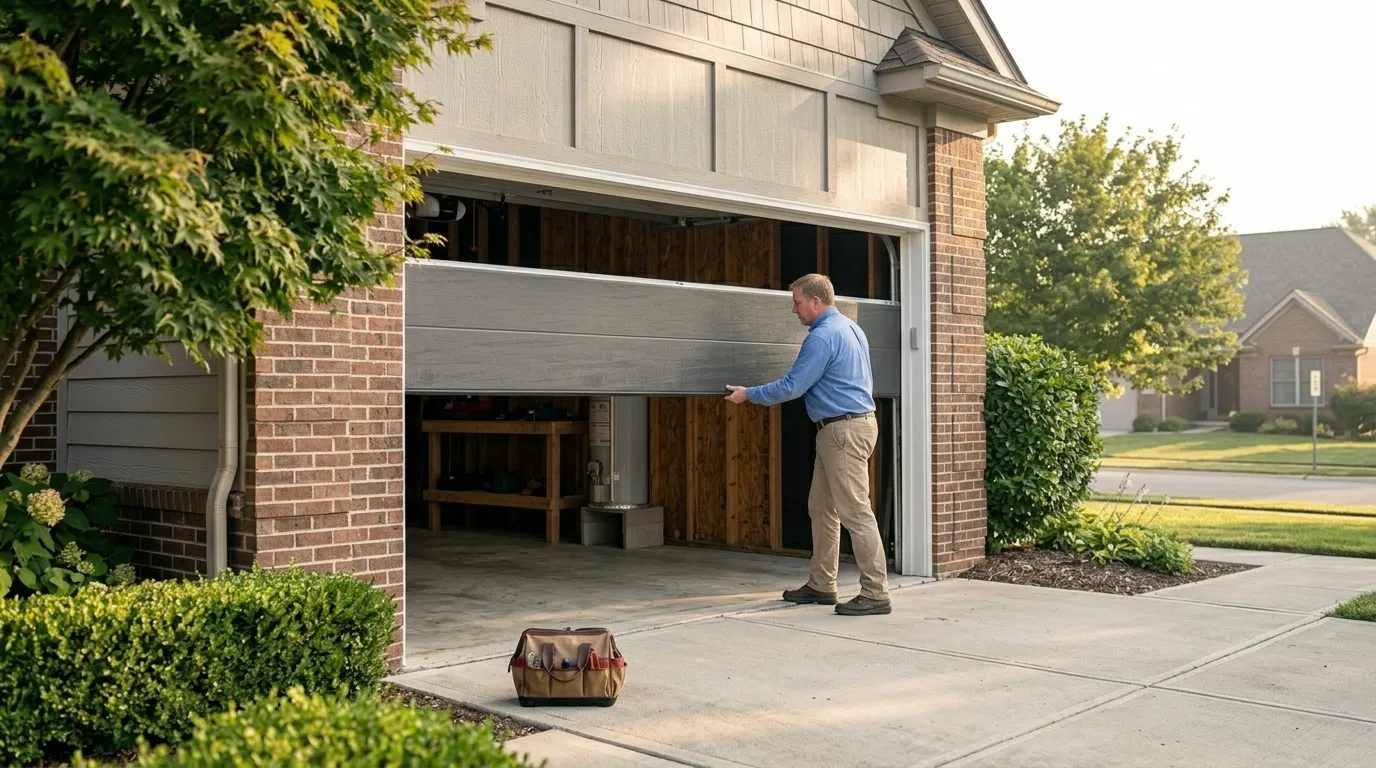
Some opener problems are worth attempting yourself. A dead remote battery, a photo-eye sensor knocked out of alignment, a limit switch that needs a small adjustment - these are things a homeowner with a ladder and patience can usually sort out.
What you shouldn't touch is anything involving the motor's internal gears, the logic board itself, or a chain/belt that's jumped its track under tension. Bosque Farms sits roughly 18 miles from Albuquerque, so a same-day opener swap here means the truck is already committed to a longer haul than most of our other stops. That's not a complaint, it's just the honest math of the drive - if you call and something turns out to be a five-minute fix you could have done yourself, we'll tell you so on the phone rather than let you wait on a truck for nothing.
We won't pretend every job needs a visit. But once you're inside the opener's housing, on a 1979-era chassis, there's a real chance of stripping a gear or shorting a board that was already near the end of its life. That's where doing it yourself stops saving money.
What the Fix Involves
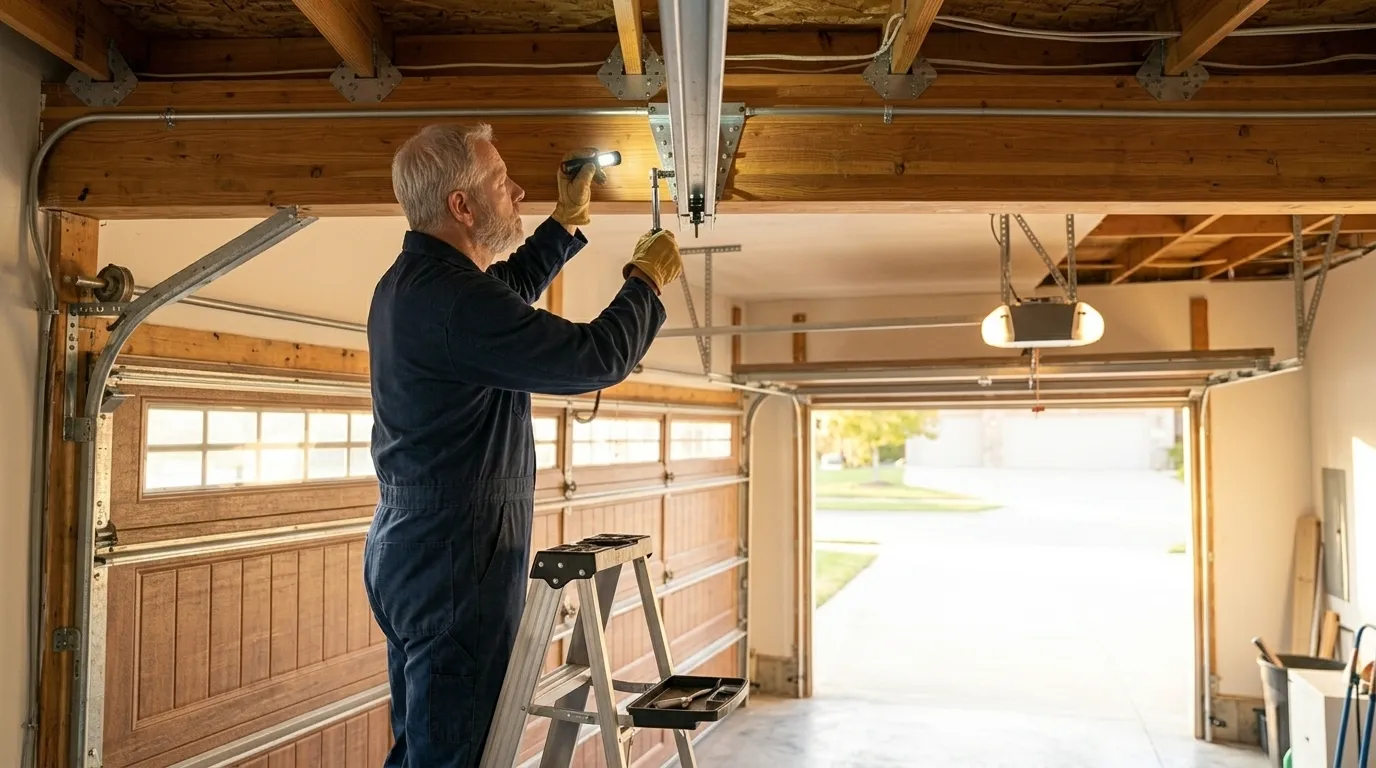
On a house from this era, the first thing we check isn't the opener at all - it's whether the door itself is original, because a heavy old wood or early steel panel puts extra strain on any motor, new or old. Once we've ruled that out, the opener inspection covers the drive mechanism (chain, belt, or screw), the logic board, the safety sensors, and the wiring at the motor head.
Most of what we replace on these older units isn't the whole opener - it's the board or the sensor pair, since the motor housing and drive rail are often still sound even after decades. When the motor itself has gone, though, we're usually not sourcing parts for a forty-year-old unit; we're installing a new opener built to work with the existing rail if that rail is still true, or replacing the whole assembly if it's warped or rusted.
At a median household income of $63,889, replacing rather than repairing an opener is a bigger decision here than in wealthier parts of the service area, so we walk through both options - board repair versus full replacement - before starting anything, not after.