Why This Fails Locally
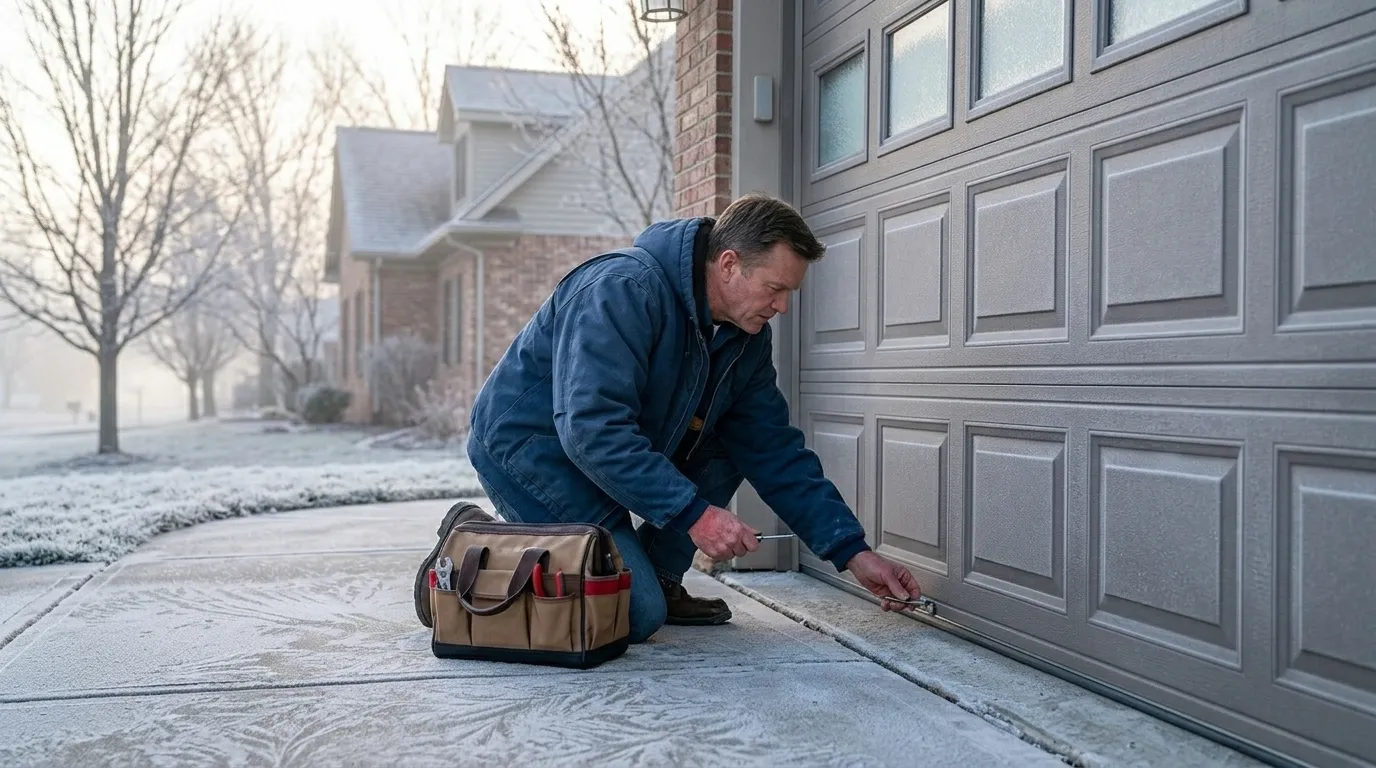
Before you get to what broke, it helps to know what the door actually is. Houses in South Valley cluster around a 1968 build date, which puts most of the original garage doors here a decade or more older than the newer stock filling in elsewhere across the wider service area, where the median build year runs closer to 1979. A door installed in 1968 was almost certainly a single-layer steel or wood-panel door on open-coil extension springs mounted along the horizontal track, not the torsion bar over the header that's standard now. Those extension springs stretch and sag with age, and the safety cables that later code required to run through them were often never retrofitted. Add in this area's cold winters and the hot, dry swings in between - the climate here runs cold-moderate, with real temperature swings between night and day - and the steel expands and contracts enough over fifty-plus years to loosen fasteners, warp track, and fatigue springs that were never rated for this many open-close cycles. That combination - old spring type, no retrofit cable, decades of thermal cycling - is what actually breaks, not general wear.
Time on the Job
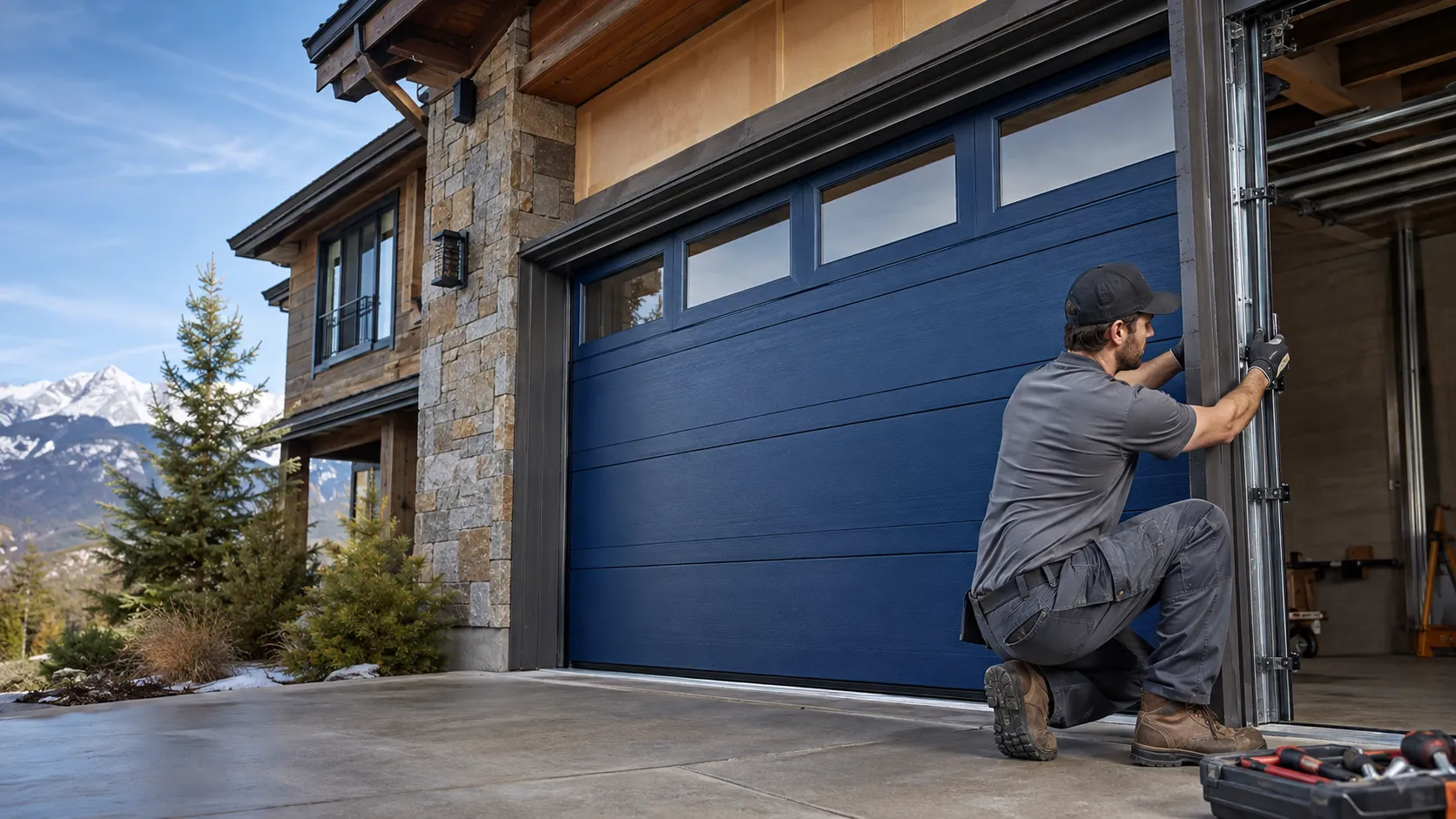
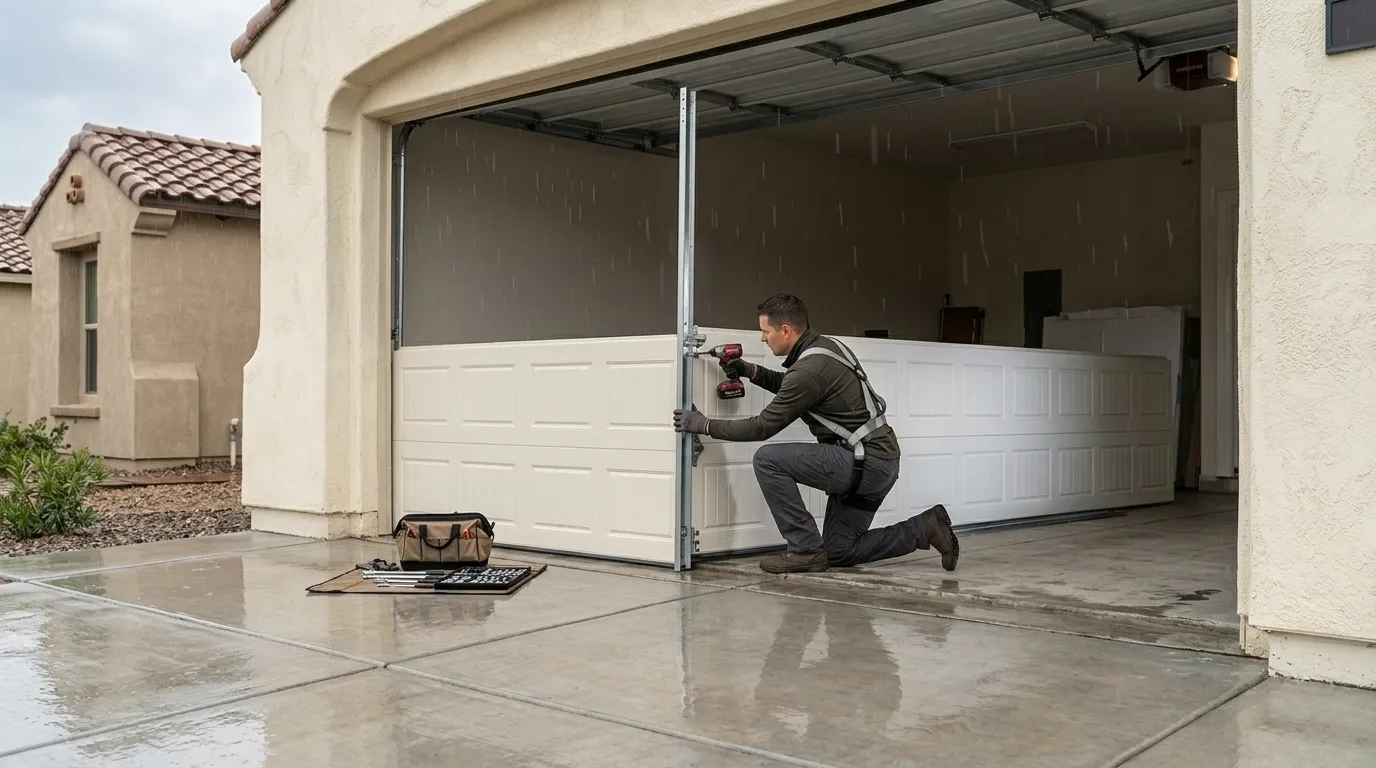
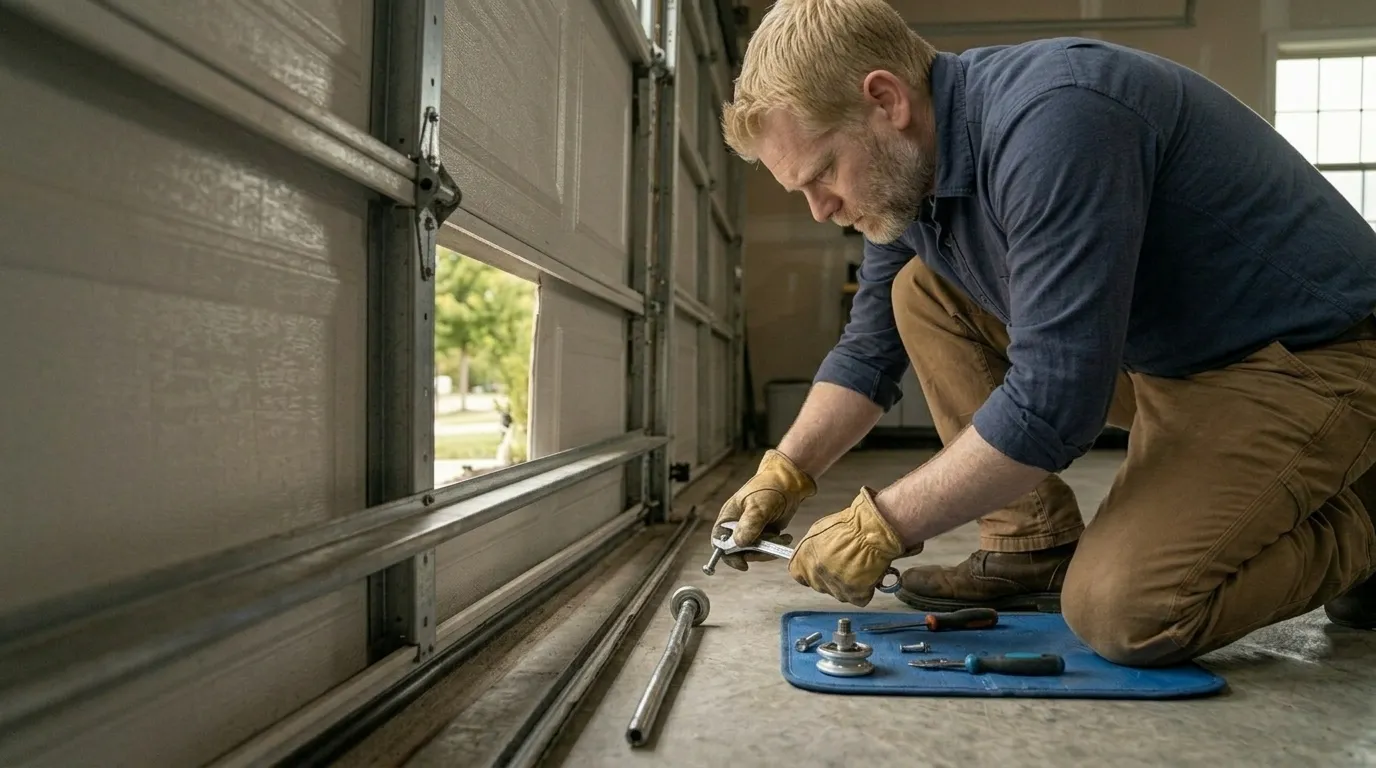
Most emergency calls here fall into two buckets: a snapped extension spring, or a cable that's jumped the drum on a door that's still on its original 1960s-era track. Either one is usually a same-visit fix once the tech is on site - the work itself, spring swap or cable reseat, runs under two hours for a single door. What can slow a job down in South Valley specifically is parts. If the door is still the original 1968 install and hasn't been touched, the track width and drum size sometimes don't match anything on the truck, because that hardware hasn't been made in decades. In that case the tech will get the door safe and closed on the visit, then come back once the right part is in hand. That's a real limitation, not a stall tactic - nobody stocks 1968 extension-spring drums as a matter of course, and pretending otherwise would just mean a second trip anyway.
The DIY Question
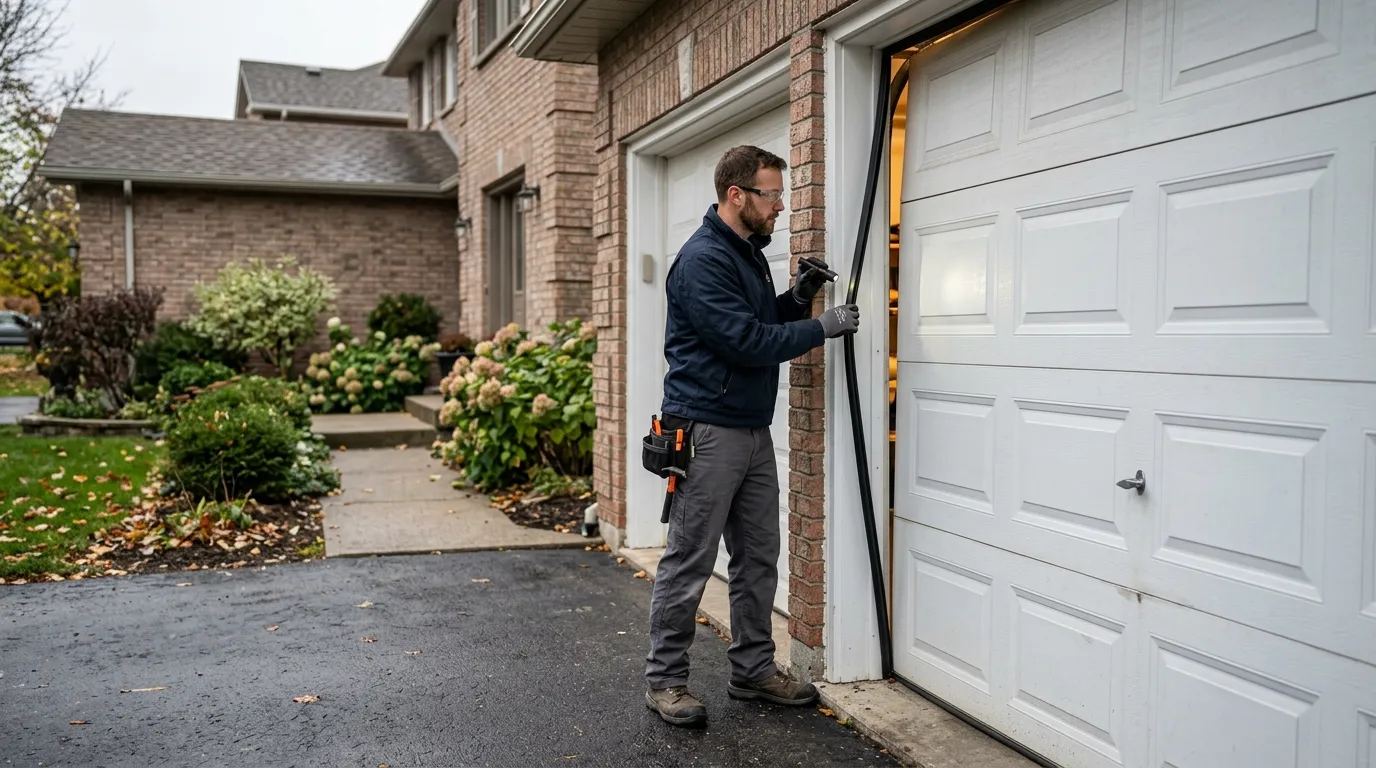
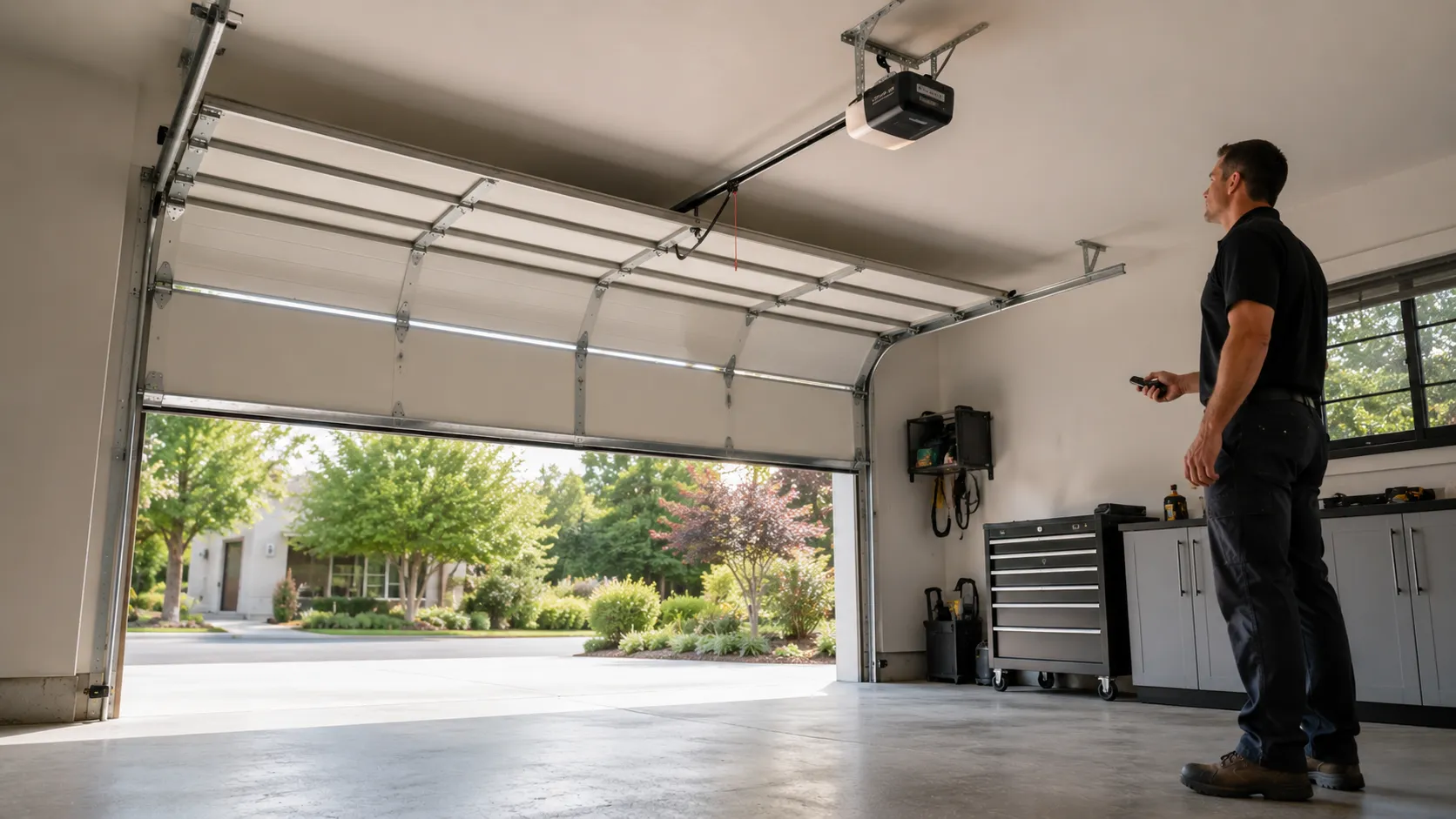
An open-coil extension spring under tension is not a safe DIY repair, full stop - on a door this age, the spring has had fifty-plus years to fatigue, and there's often no retrofit safety cable running through it to catch it if it lets go. That's a genuinely different risk than working on a newer torsion-spring door, and it's the one job here worth calling in for every time. What a homeowner can reasonably check first: whether the opener has power, whether the manual pull cord has been engaged by accident, and whether the track has visibly bent or come loose from the wall bracket - all things you can see without touching a spring. If the door is original to the house and 1968-era, don't force it open or closed by hand if it's binding; that's usually the track or a spring giving way, and forcing it tends to turn a repair into a full hardware replacement.