
Why This Fails Locally
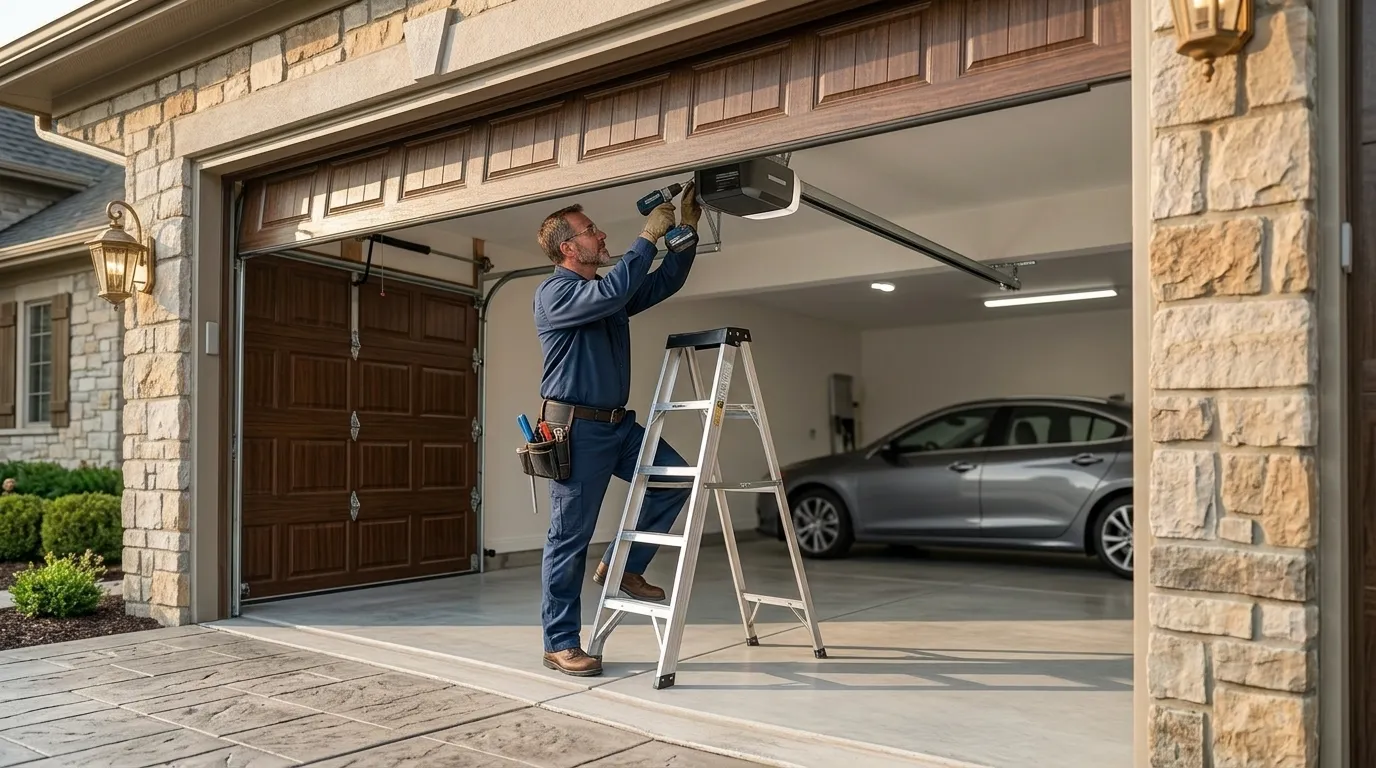
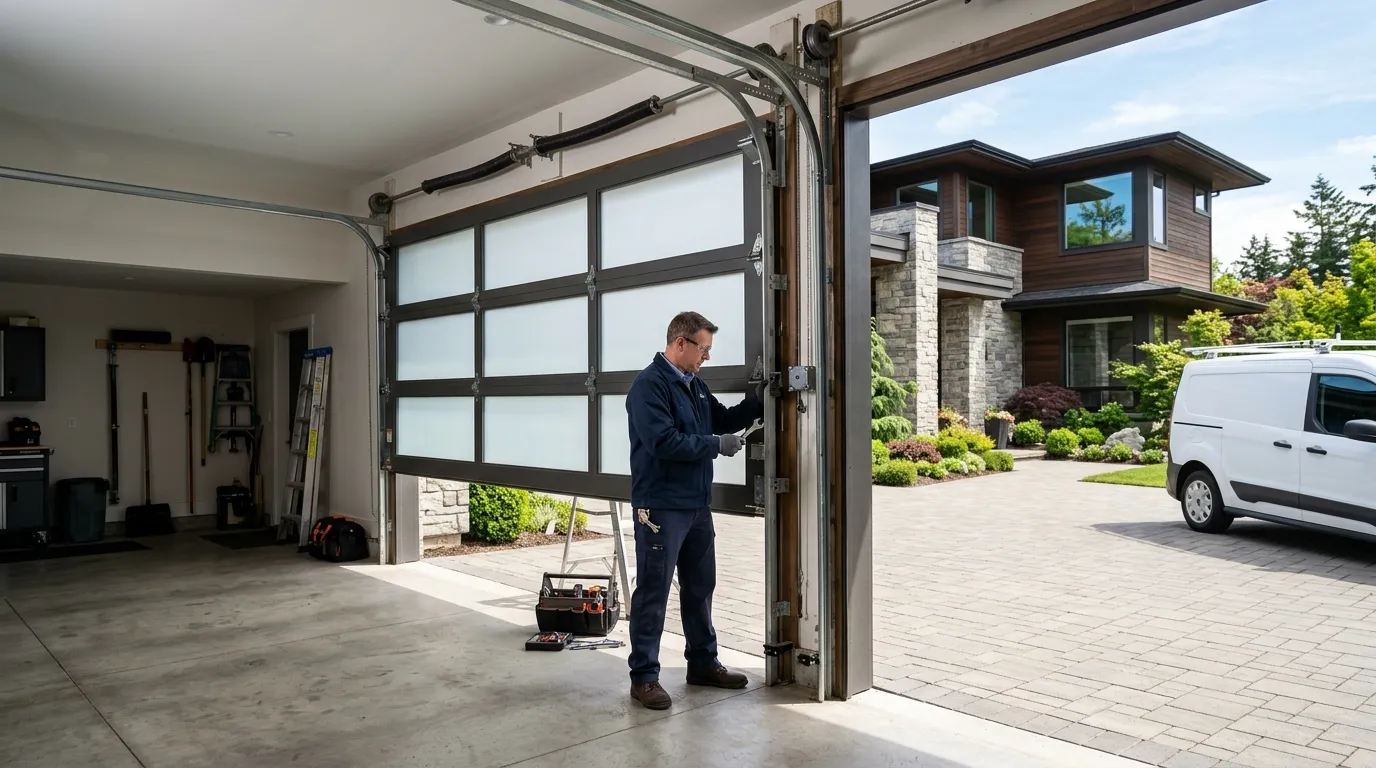
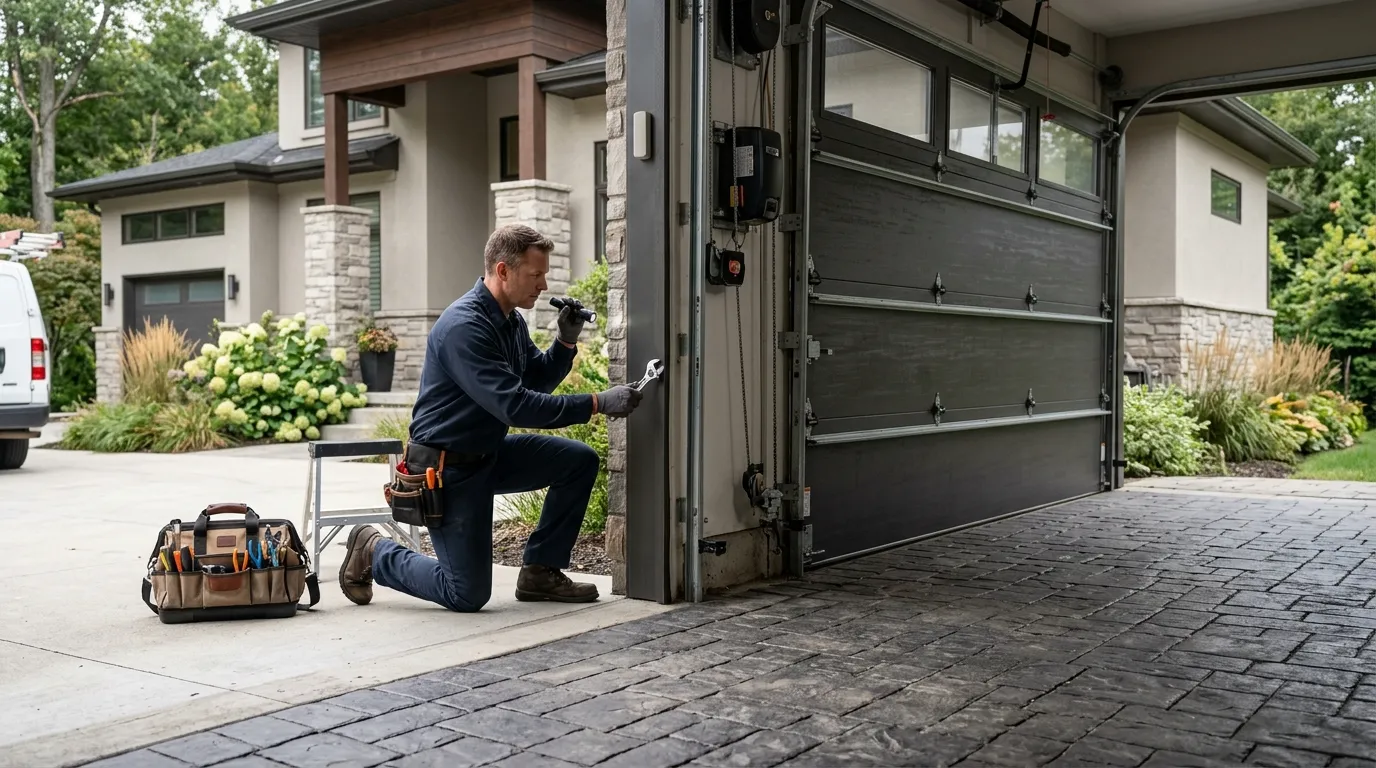
South Valley's housing stock runs older than most of the rest of the service area - the median home here went up around 1968, about a decade ahead of the metro-wide median of 1979, and it sits inside the broader pattern of 1960s-70s construction that covers most of this territory. Openers installed in that era, or the second-generation units that replaced them in the 80s and 90s, were built before rolling-code security and before photo-eye safety sensors were required. What we find on these calls: chain-drive units with worn sprockets, logic boards that have outlived their control panels, and safety sensor retrofits wired in later, sometimes not aligned correctly. The cold-moderate winters here don't spare this hardware either - grease in an old gear set stiffens in the cold, and a motor that's already working against age starts skipping or straining. None of this is unique to one house; it's what you get when the opener is the same age as the door it's lifting.
Time on the Job
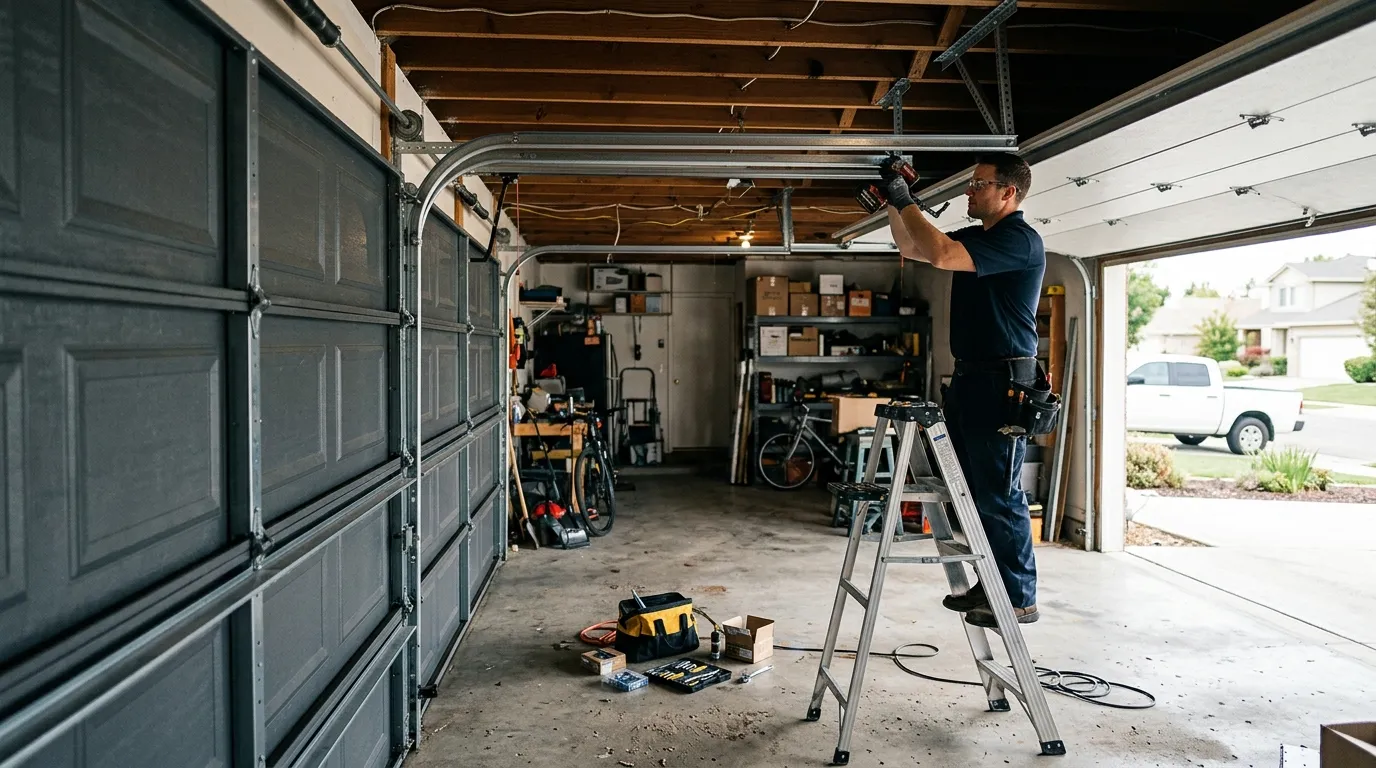
Add the drive to the repair time and you get a realistic window, not the shop-side number alone. Once we're on site, a straightforward sensor or logic board swap on one of these older units usually moves fast because the fault is easy to isolate - either the board isn't firing or the sensors aren't talking to each other. What slows a job down here is parts: if the opener is old enough that its control board isn't something we carry standard, we may need to source it before we can finish, which can mean a second trip. We'll tell you on the phone if that's likely based on the unit you describe, so you're not standing in the driveway waiting on a part we didn't know we needed.
The DIY Question
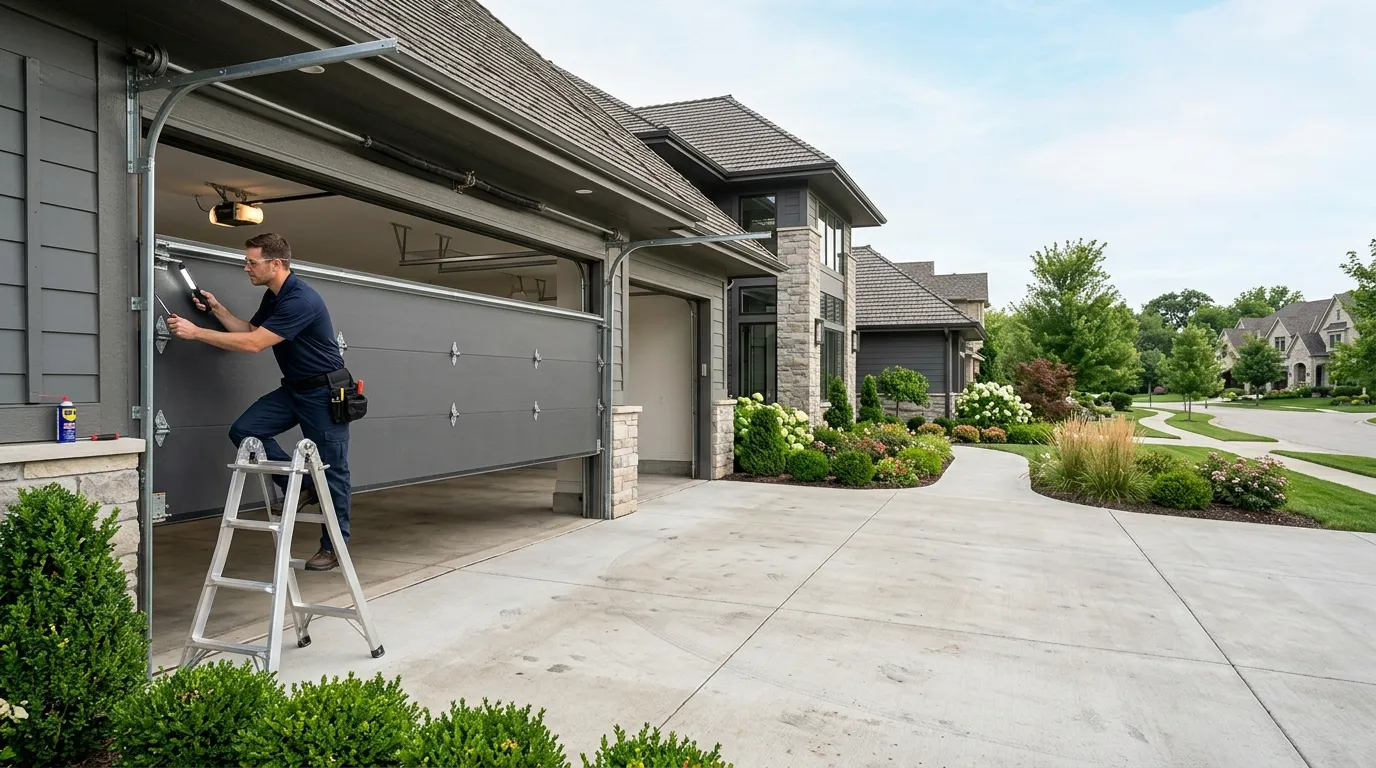
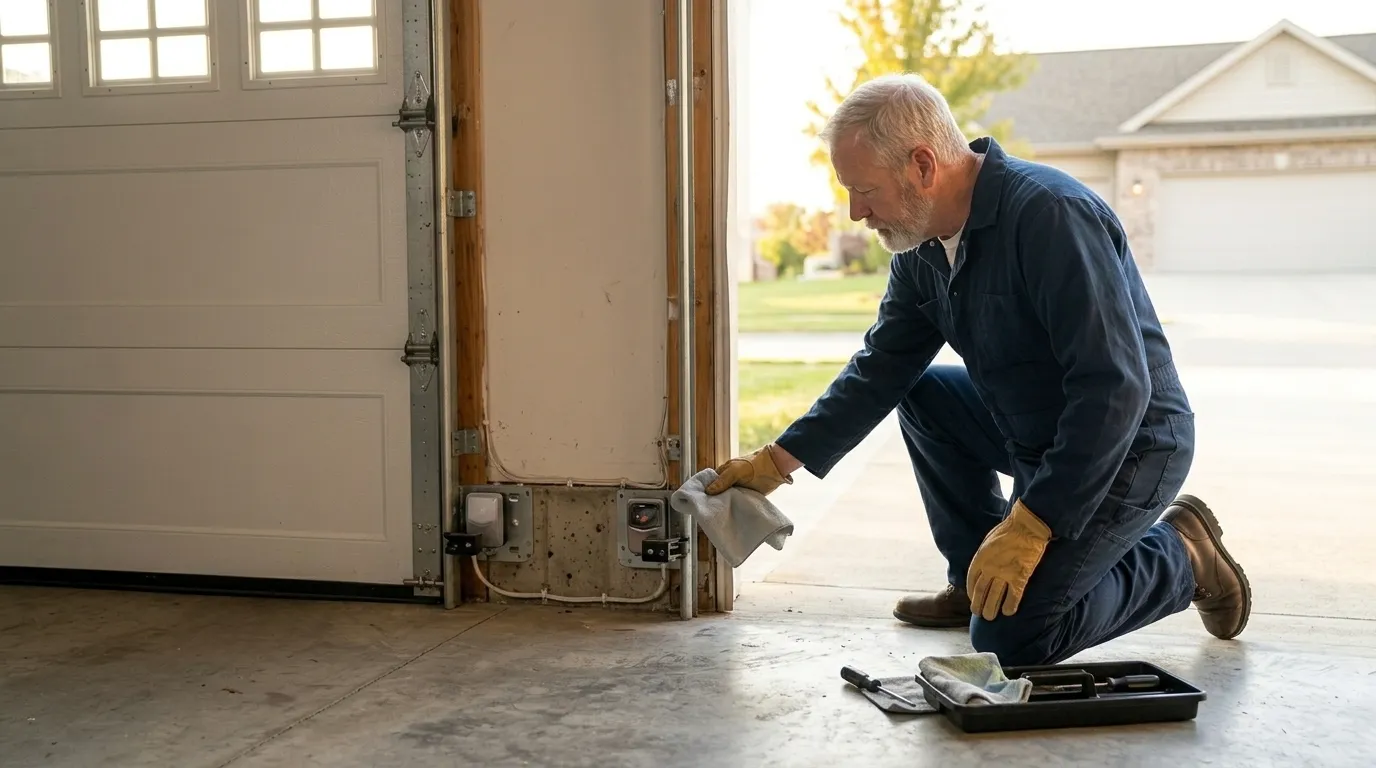
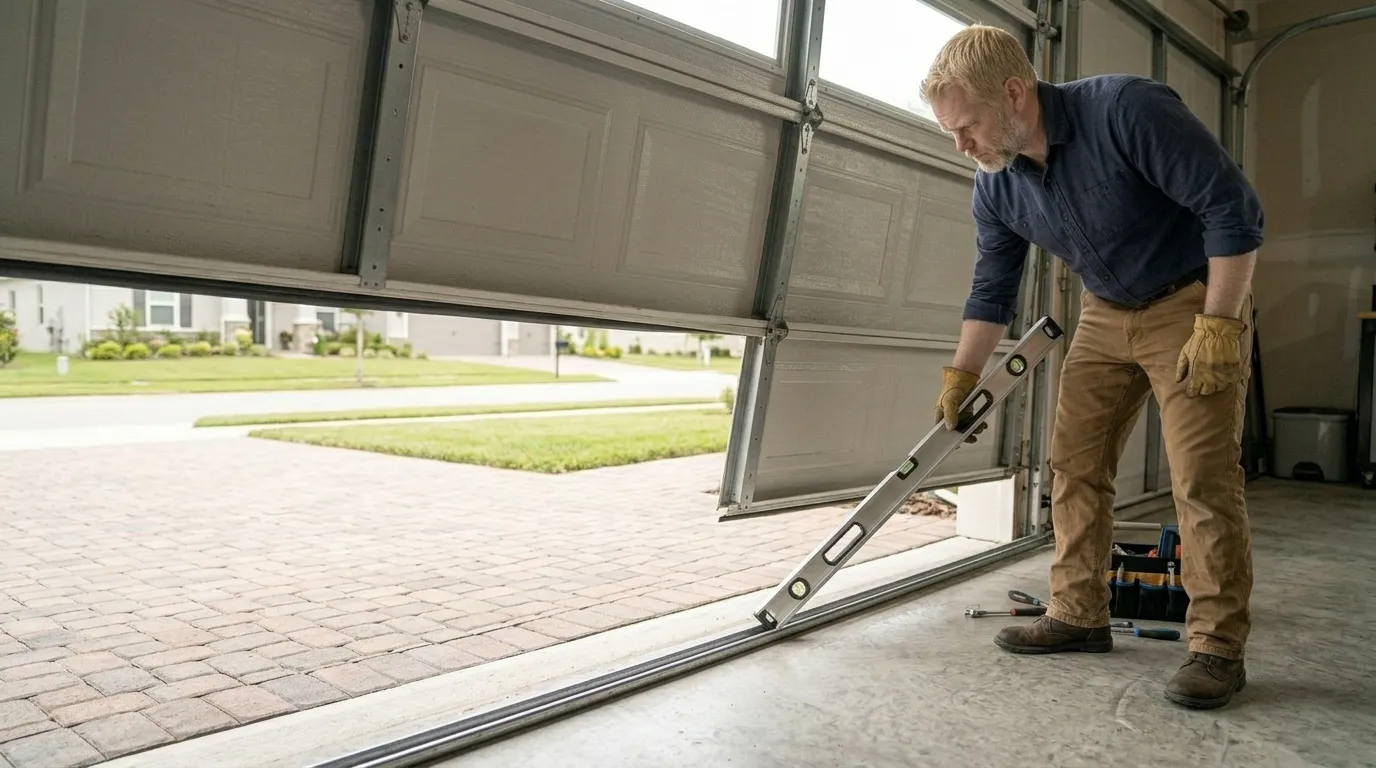
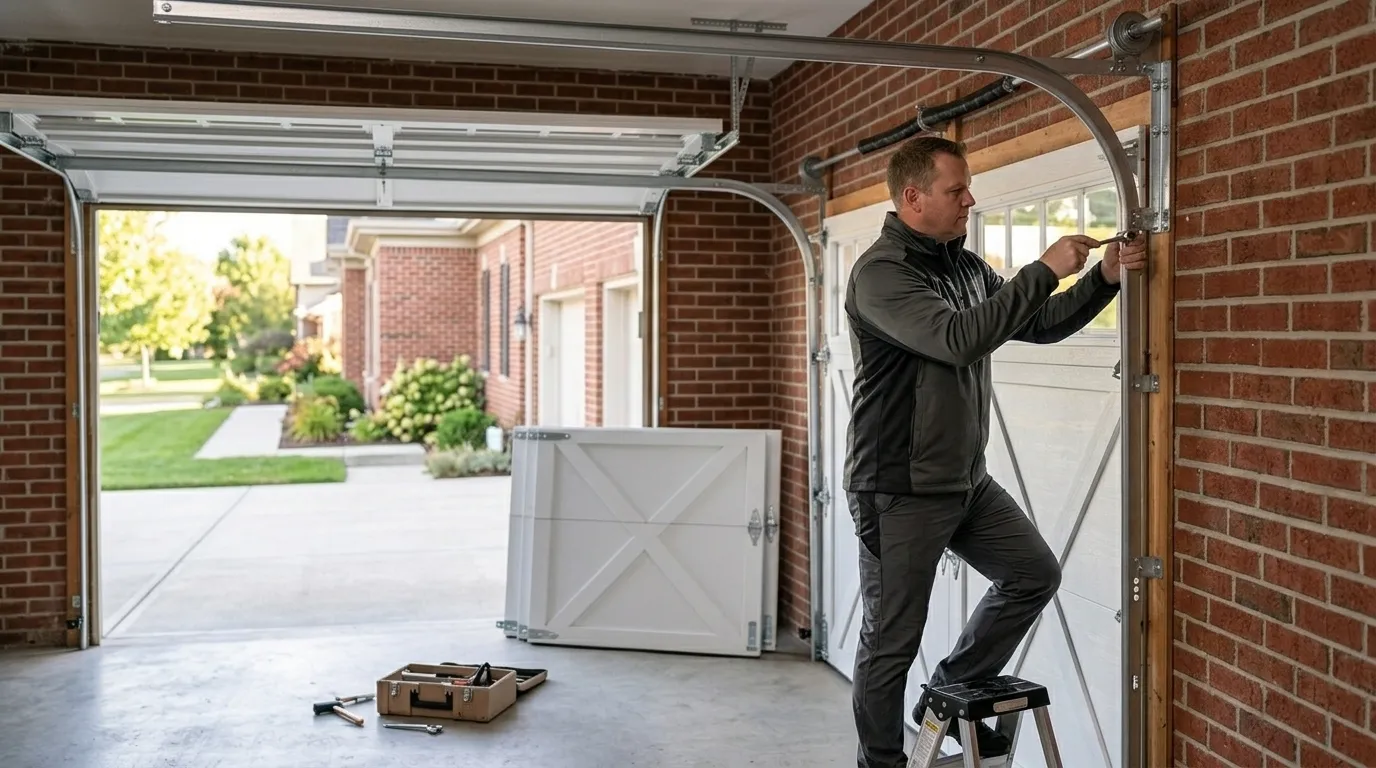
You can diagnose a lot of this yourself before you call anyone. If the opener hums but the door doesn't move, that's usually the gear set, not the motor - a fixable, moderate job. If the lights on the unit blink and the door won't respond at all, check the sensor alignment at the base of the tracks first; a knocked sensor is the single most common false alarm we get called out for, and it costs nothing to check yourself. Where we'd tell you to stop: anything involving the spring system, or any logic board work on a unit old enough that the wiring diagram isn't printed inside the cover anymore. That's where a wrong guess either breaks something further or puts a hand near a loaded spring, and it's not worth the risk to save one visit. Full opener service details live on our main opener repair page.