
Why This Fails Locally
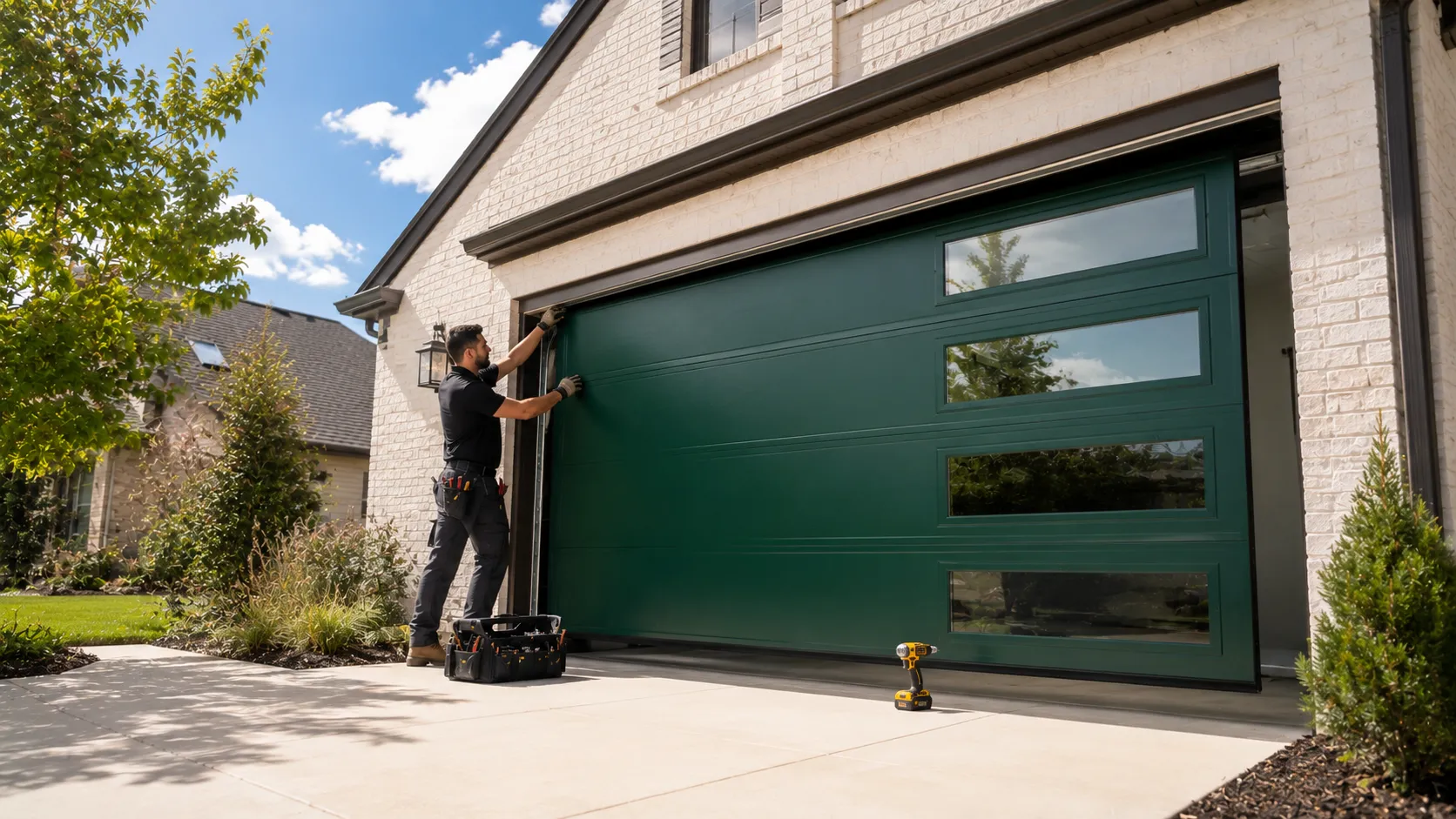
South Valley's housing stock leans older than the area average. Median build here lands around 1968, while the wider service area's median sits closer to 1979 - a decade of difference that shows up on the door itself. Houses from that era commonly carry single-panel or early sectional doors on hardware nobody stocks new anymore: side-mounted torsion springs, narrow-track rollers, openers with drive systems long since redesigned. That older pattern lines up with the general 1960s-70s stock found across the named areas in this service territory, and South Valley sits right in that band. Add a cold, moderate climate that puts real freeze-thaw cycling on steel and lubricant every winter, and older springs lose tension faster than a spring installed in a house built in 1995. The failure mode here usually isn't cosmetic. It's a spring that's cycled past its rated life on a frame that's shifted slightly with decades of settling, so a straight parts swap sometimes uncovers a track or jamb problem underneath. We won't pretend every job in South Valley is a simple bolt-on fix - on a house this age, what looks like a broken spring can turn into also squaring up a track that's walked out of true over the years.
Time on the Job
On a house built in the late 1960s, the job usually takes longer than the same repair on a newer build - not because the work is harder, but because older hardware doesn't come off cleanly. Bolts corrode into brackets, track mounting holes have shifted, and sometimes the opener is a generation the manufacturer no longer supports, which turns a part swap into a full replacement mid-job. We don't have a stopwatch number to hand you here, and we're not going to invent one - every door in South Valley's older stock behaves a little differently once the panel comes off. What we can tell you: give us the make and rough age of the door and opener when you call, and we'll have a realistic sense of what's involved before the truck leaves Albuquerque, not after we're standing in your driveway. That's a small thing, but it saves everyone a wasted trip when the real problem turns out to be bigger than the one line you called about.
The DIY Question
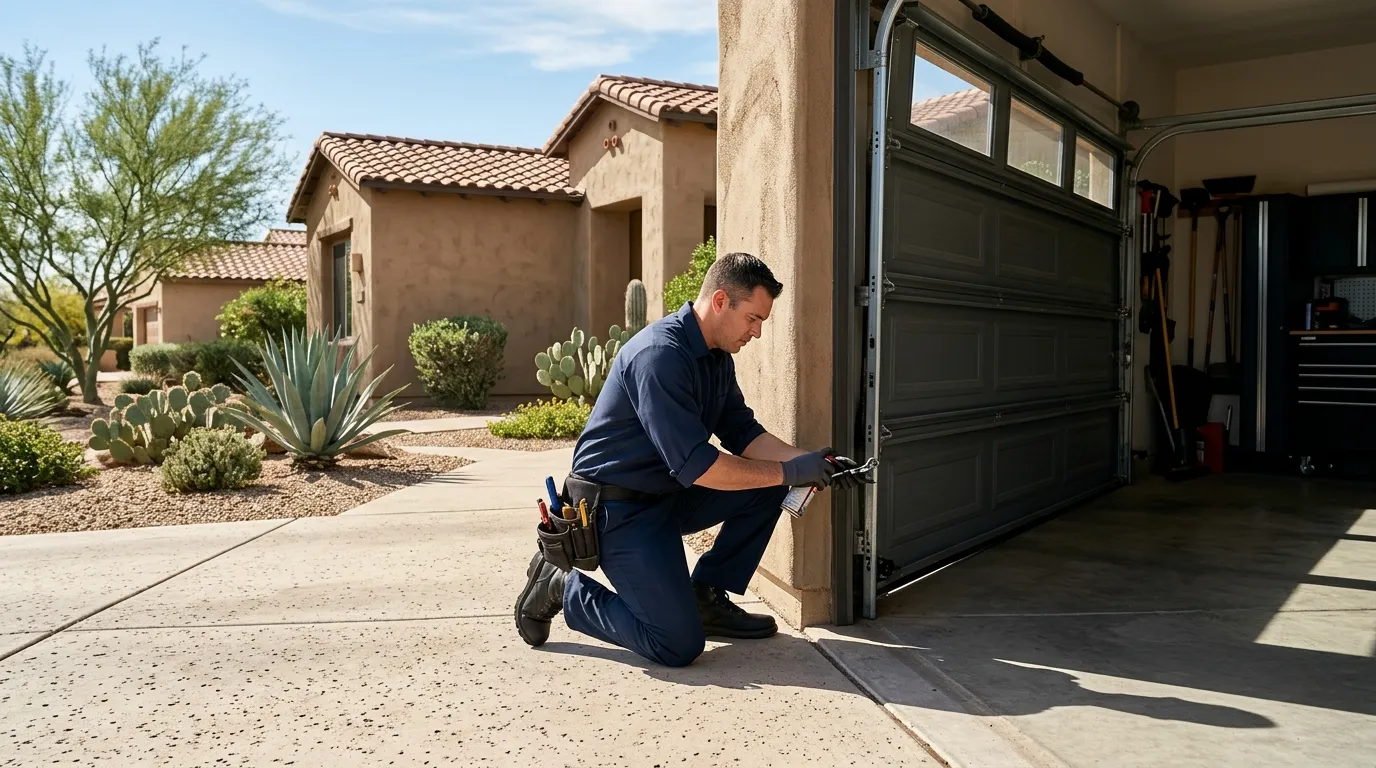
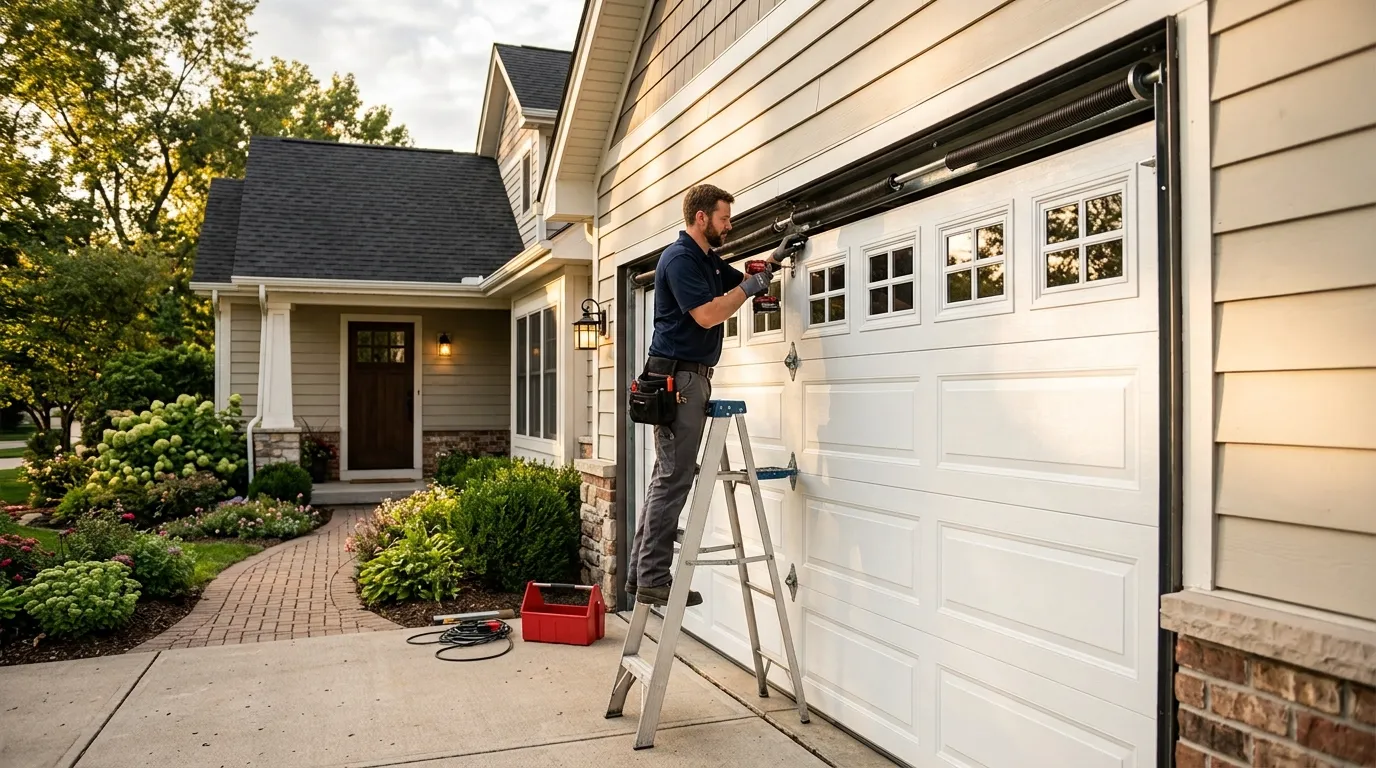
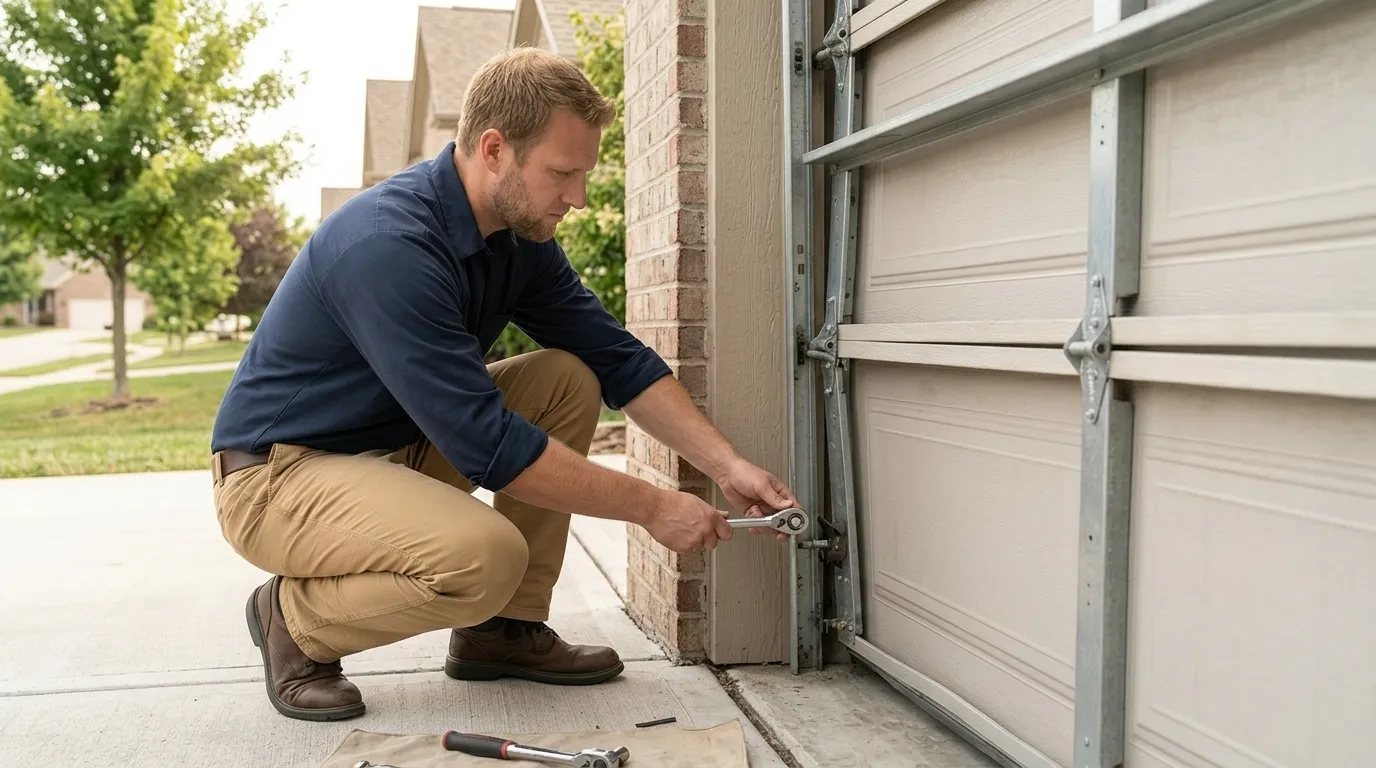
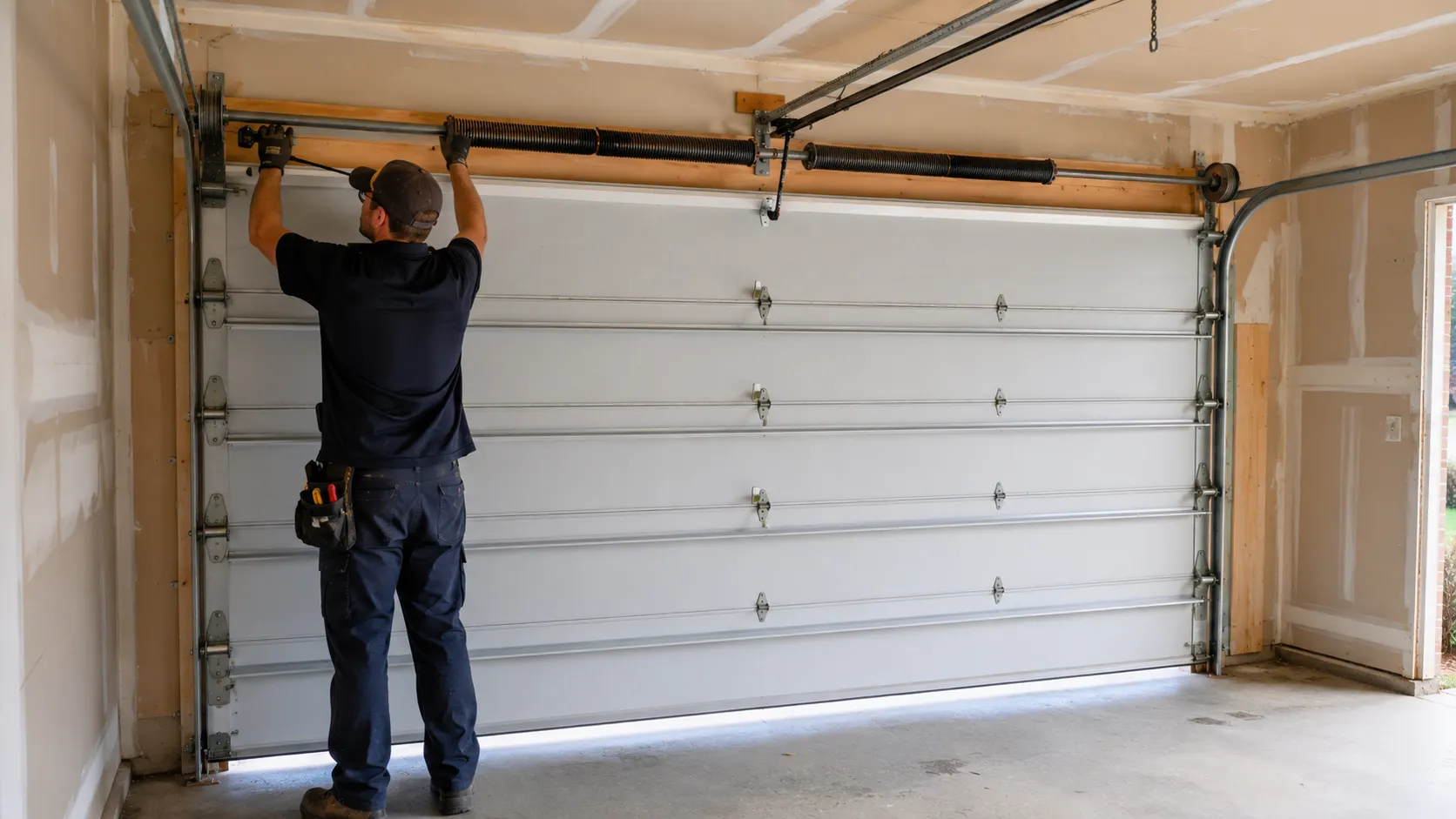
Some of this you can check yourself before calling anyone. If a spring is visibly stretched or separated, that's a two-person, torque-tool job, not a weekend project - torsion springs store enough force to break bones, and that doesn't change with the age of the house. What's worth checking yourself: track alignment, cracked rollers, and whether the opener's safety reversal still works - set a two-by-four under the door and see if it reverses on contact. On a house from the late 1960s, a lot of what looks like a spring problem is actually decades of track drift, and that part you can often diagnose with a level and a flashlight before spending a dime on a call. The one thing we'd tell you not to touch, on any door of any age: the torsion bar and the cable drums. That line has to hold regardless of when the house went up.