Why This Fails Locally
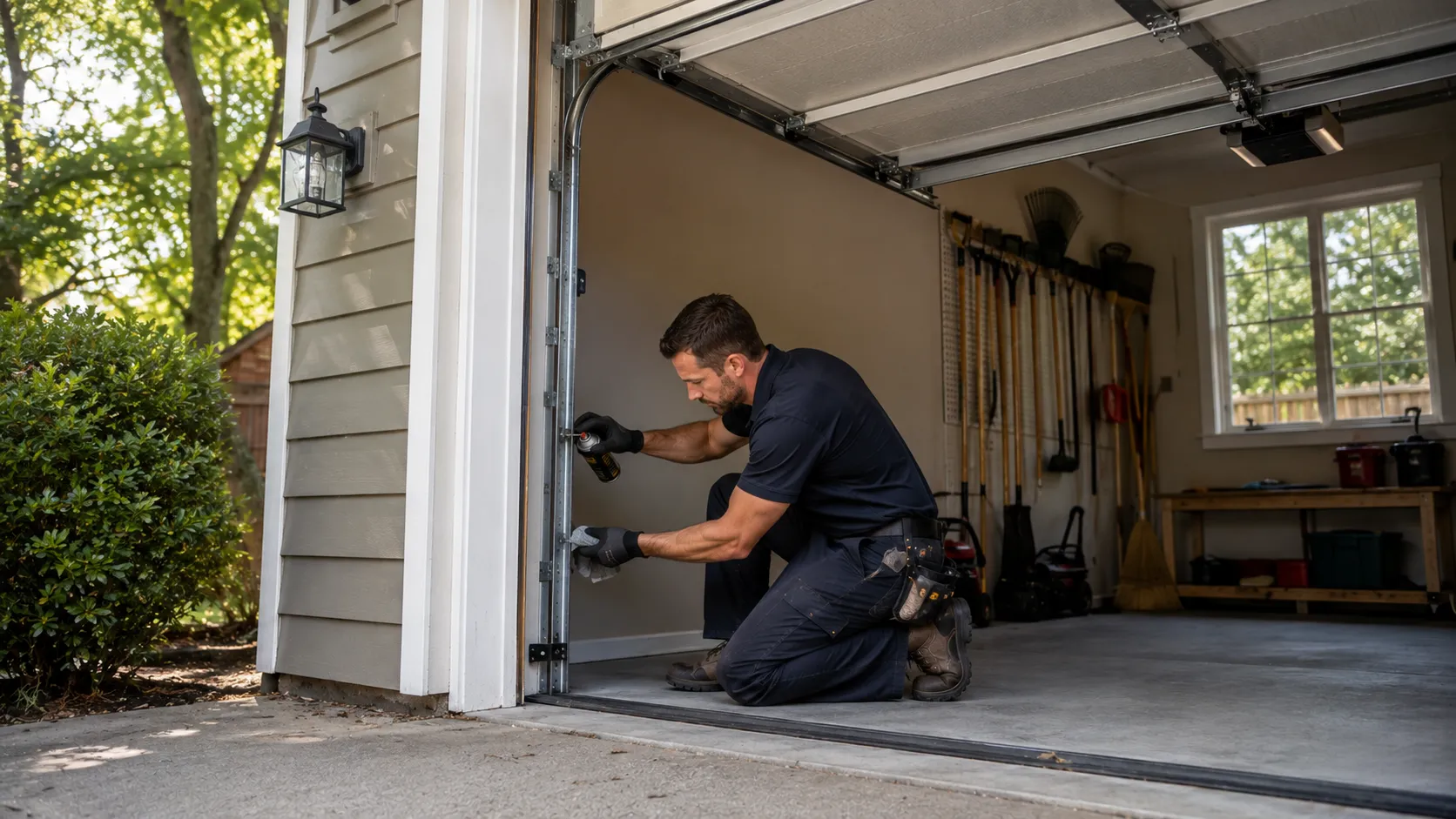
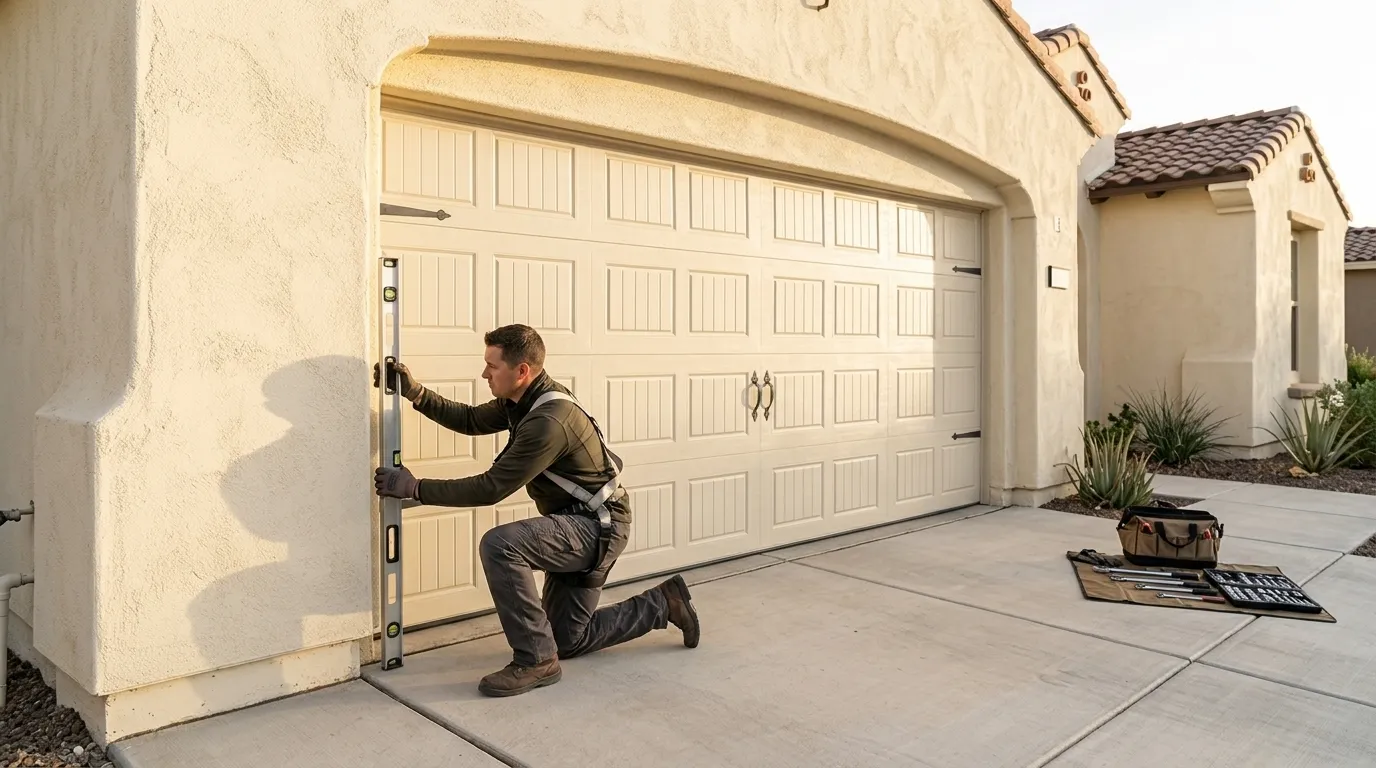
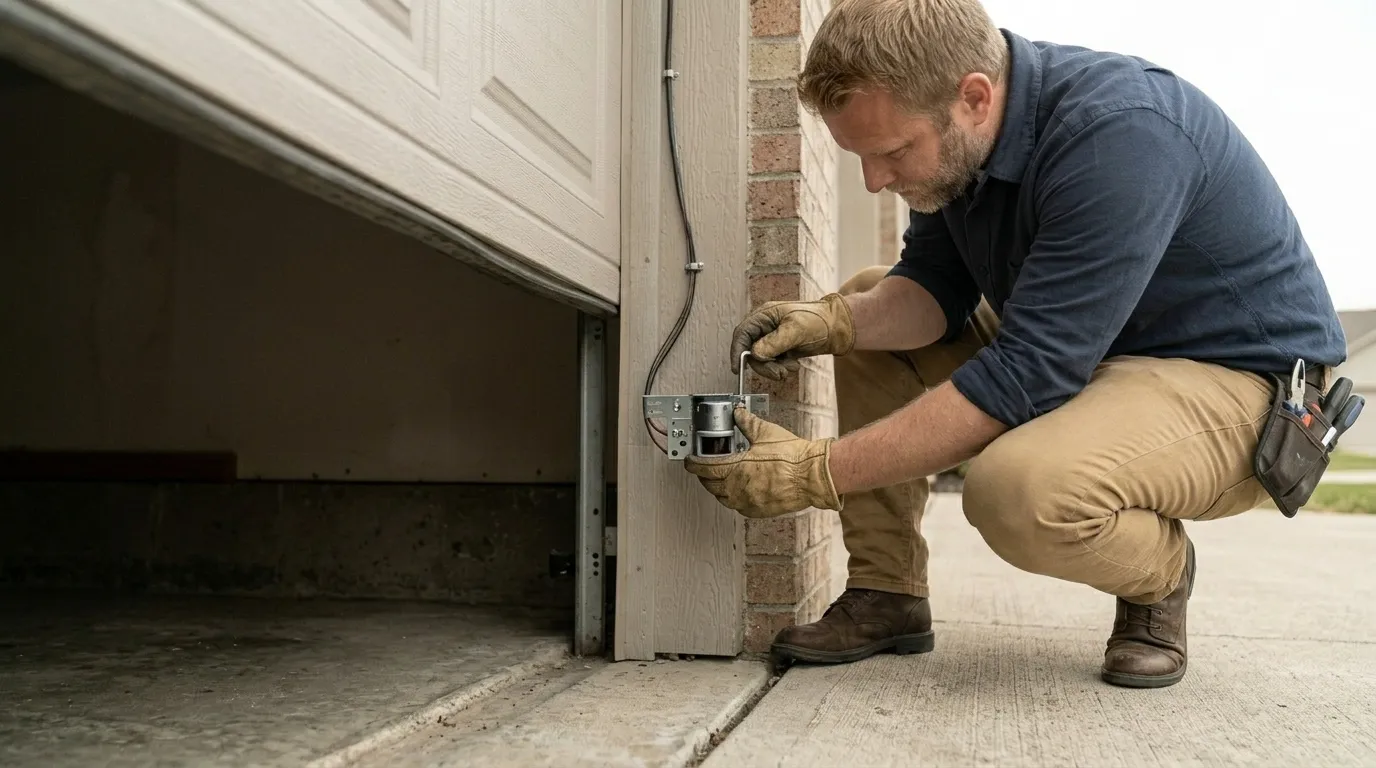
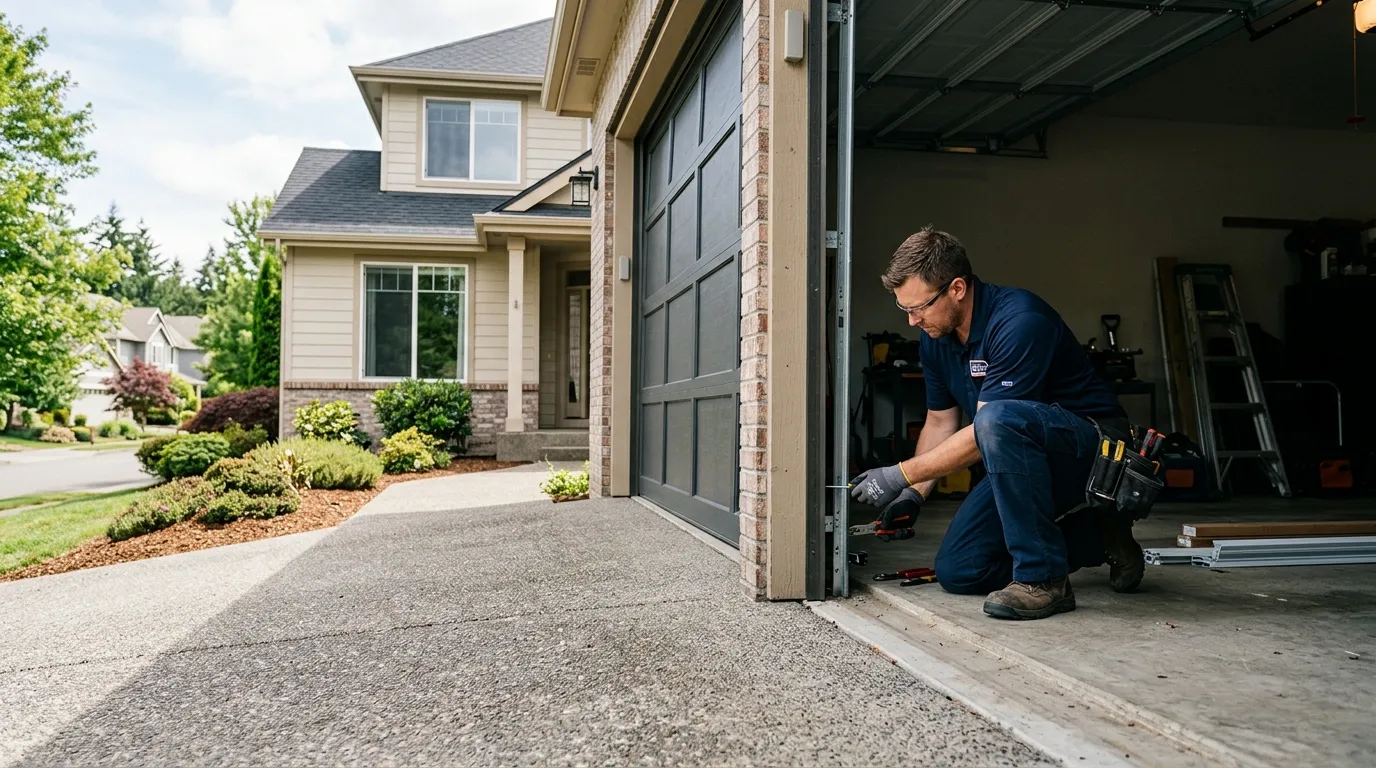
South Valley's housing stock centers on 1968, which puts most garage doors here on the steel track and roller hardware that was standard through the late 1960s and 1970s - heavier gauge track, riveted brackets, and rollers with less tolerance for drift than what goes into newer doors. Over fifty-plus years, mounting brackets work loose from the jamb, track bolts back out, and a track that's even a quarter-inch out of parallel will walk a door off the rail on the next open-close cycle. Add the area's cold-moderate climate swings - freeze and thaw cycling that loosens fasteners in wood framing over the seasons - and you get a slow drift that ends in a sudden jump, usually on a cold morning when the metal has contracted. This isn't a defect in the door. It's fifty years of original hardware doing exactly what that generation of hardware does at the end of its life. A house built in the 1990s down the road doesn't have this problem the same way; the track spec and the fasteners are different.
Time on the Job
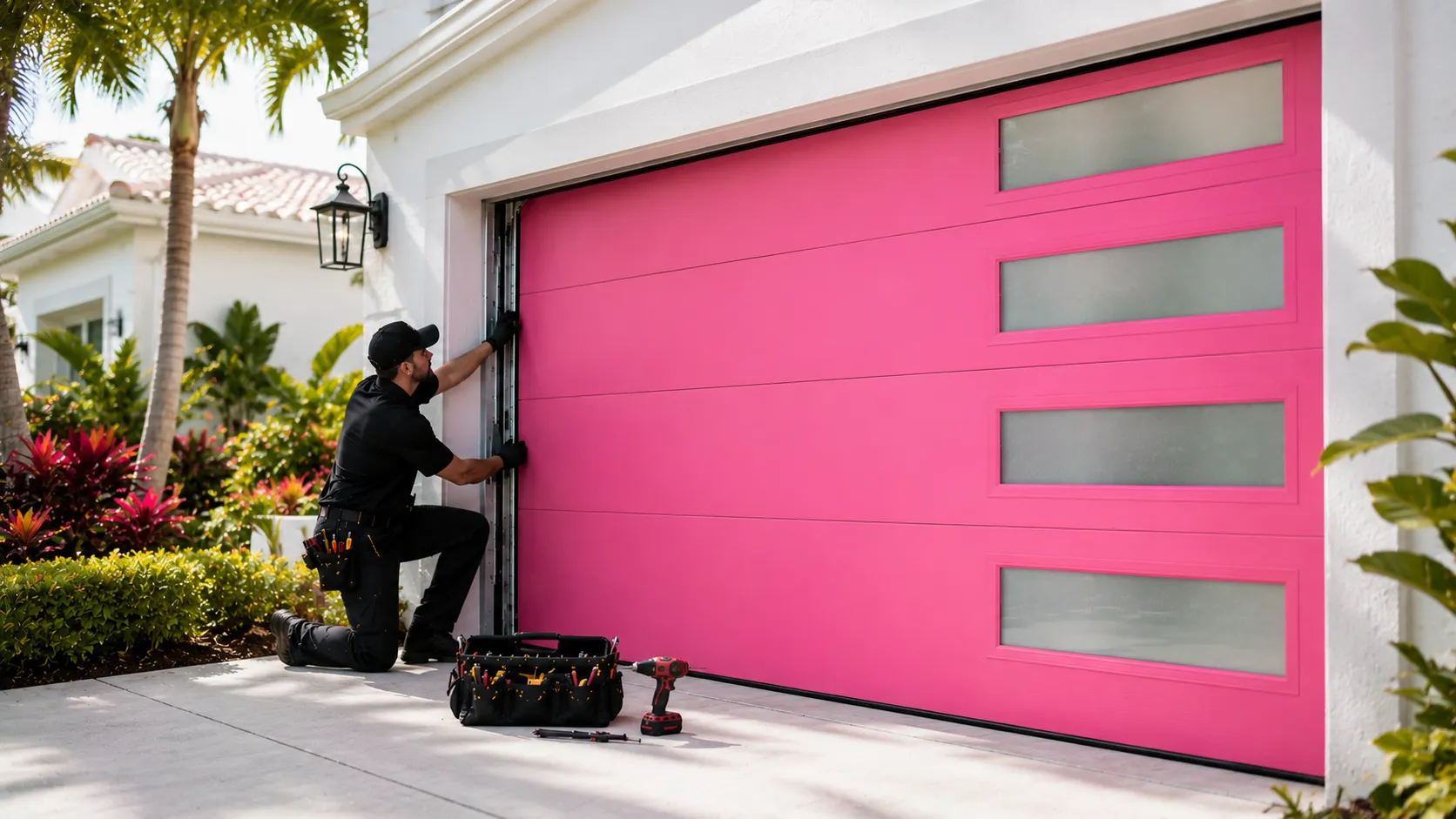
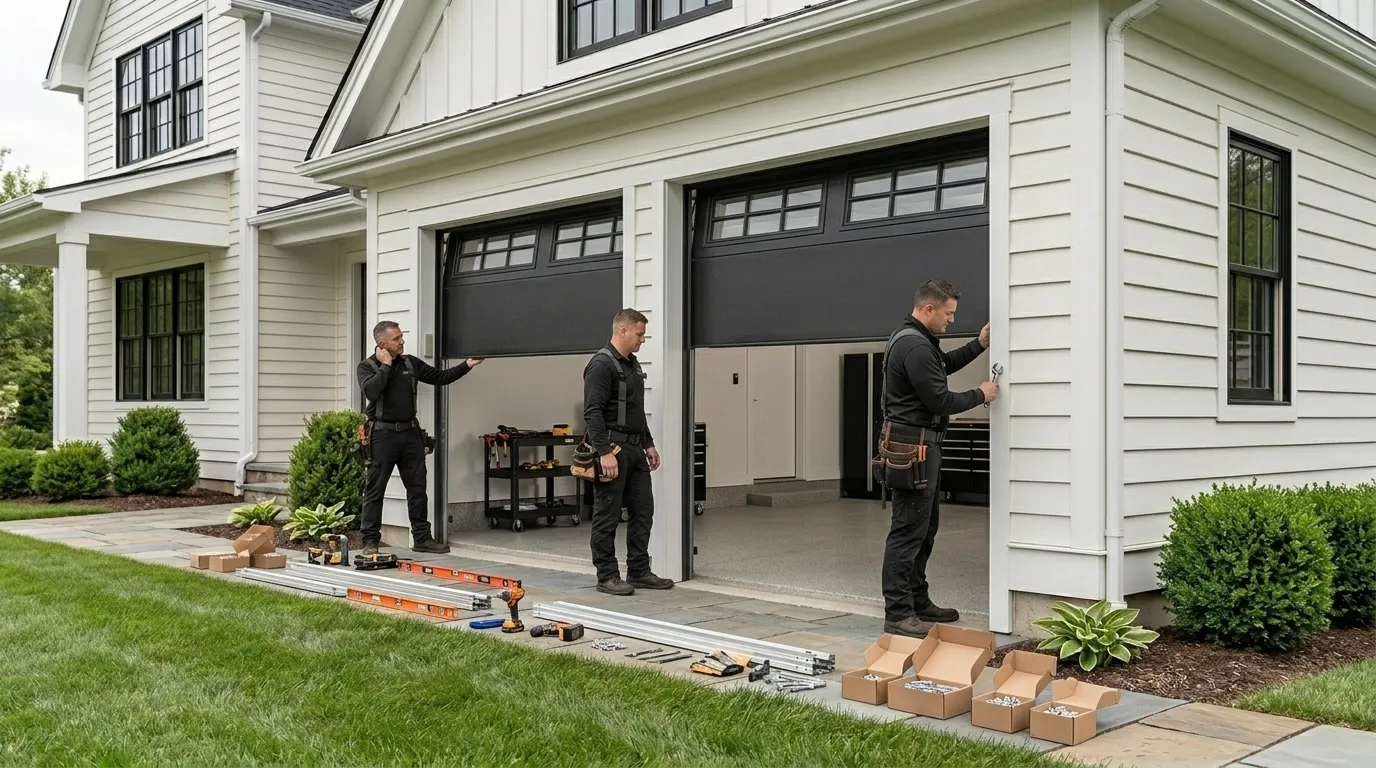
A straightforward off-track reset - door still on rollers, track just knocked out of alignment - usually runs under an hour once we're on site. Where South Valley's older hardware adds time is when the bracket itself has pulled loose from the jamb or the track is visibly bent, which is common on doors that have been off-track more than once on the original 1968-era mounting. That's a repair, not a reset: we're re-anchoring or replacing bracket and track section, which adds time for fitting to a jamb that's had decades of settling. We won't quote a single number for every house here, because a door that jumped once versus a door that's been dragging off-center for months are different jobs. What we can tell you is that original steel track from this era is heavier than what's sold today, so straightening or swapping it takes longer than it would on a newer door.
The DIY Question
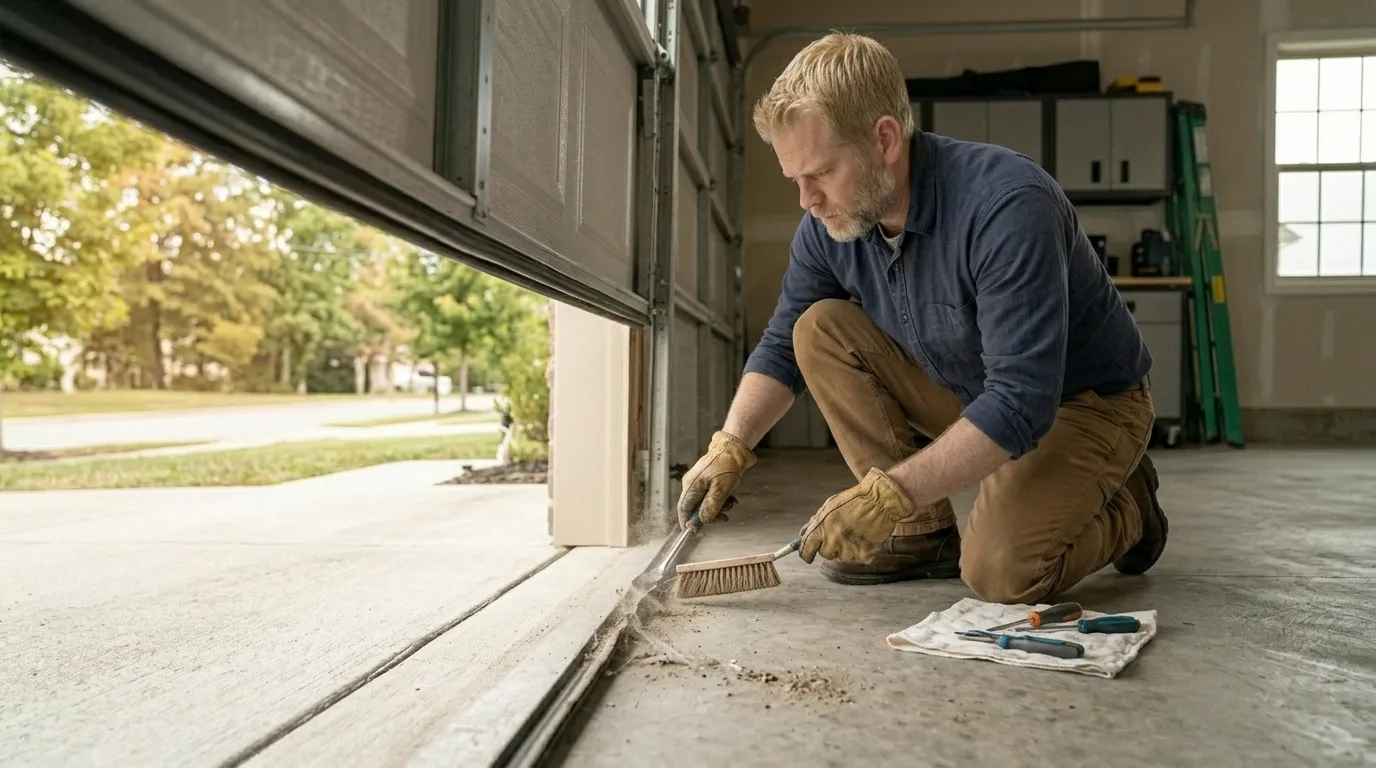
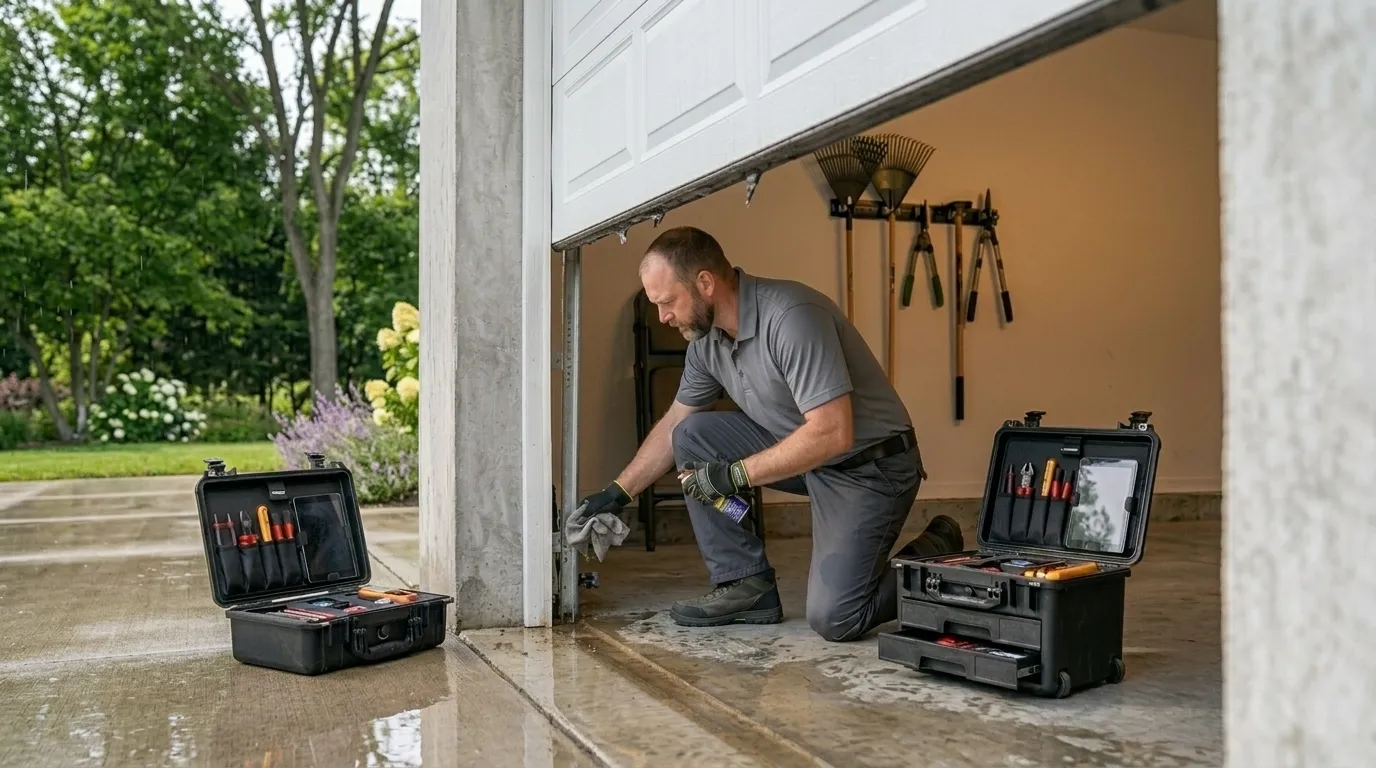
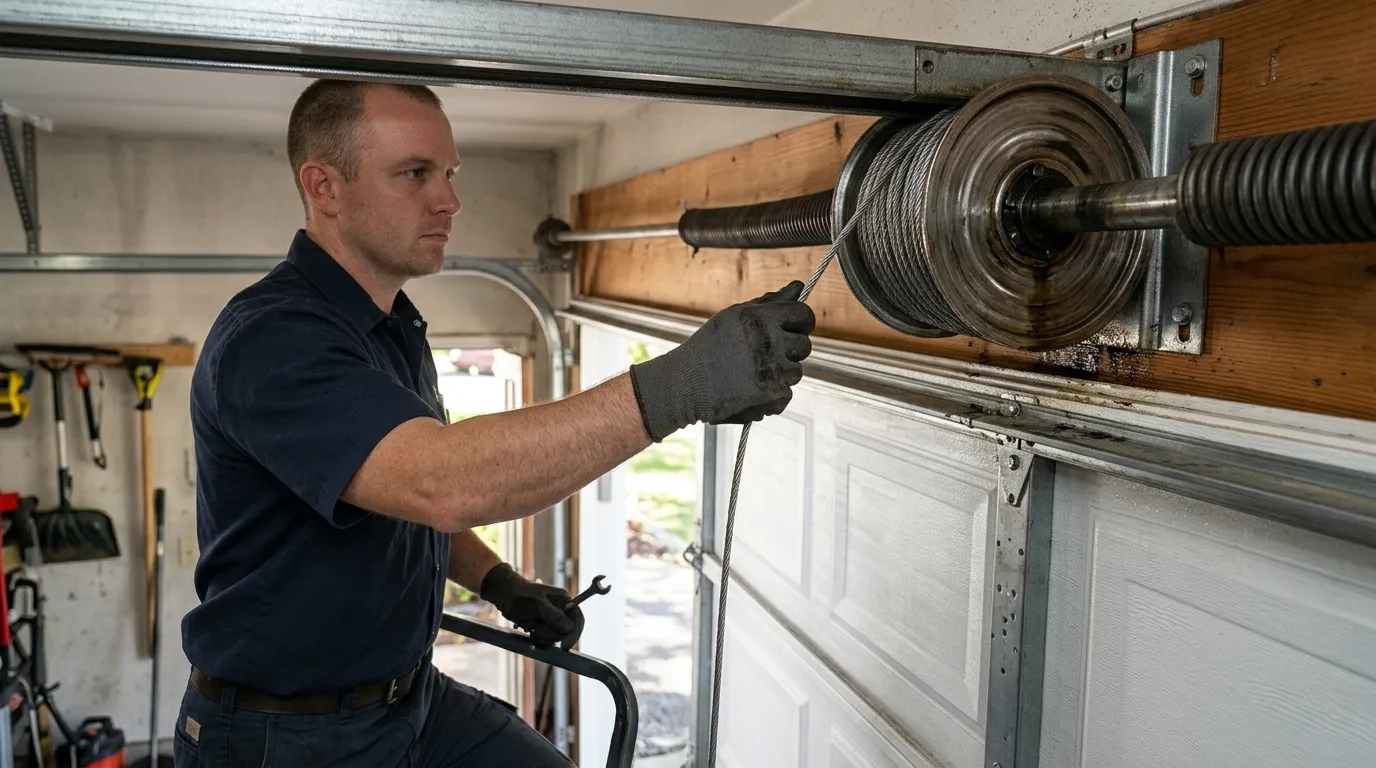
Don't try to force a door back onto the track yourself, especially on the older bracket-and-rail hardware common in South Valley. The door is under spring tension even when it looks slack, and a bracket that's already pulled from the jamb can let go further under load. What you can safely do while you wait for a call: don't run the opener, don't try to close it by hand past the point it's caught, and check whether the bottom rollers are actually visible outside the track - if they are, leave it exactly where it is. This is one job we don't recommend as a homeowner fix, full stop, no matter how simple the reset looks from the driveway.