Why This Fails Locally
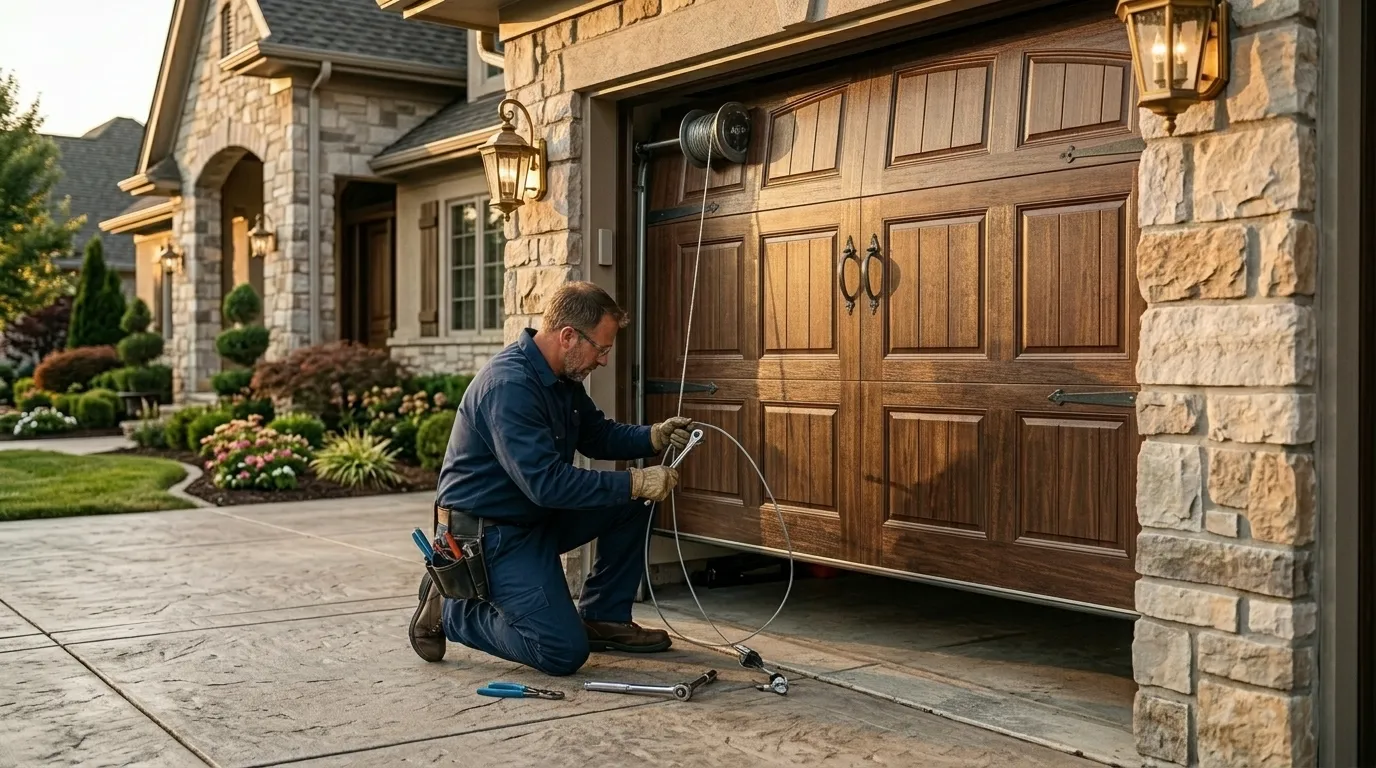
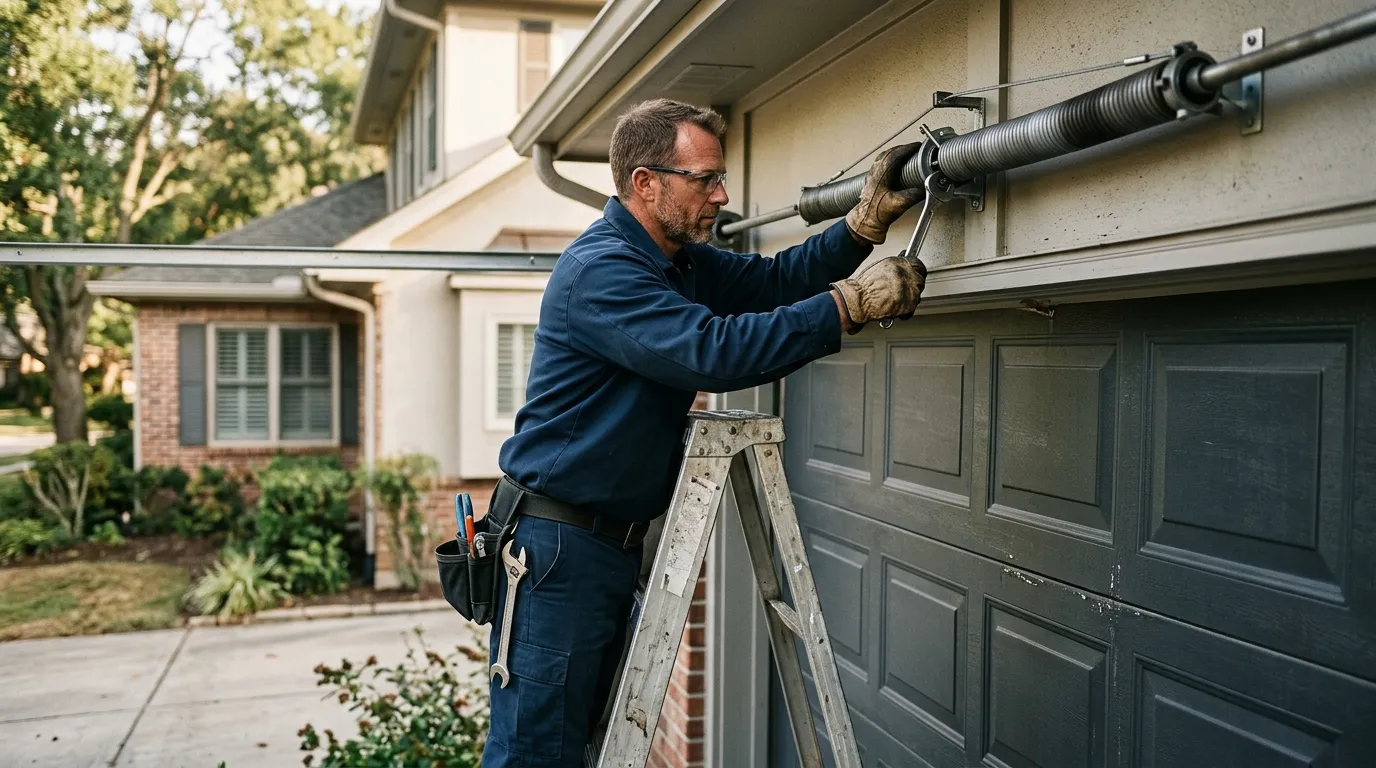
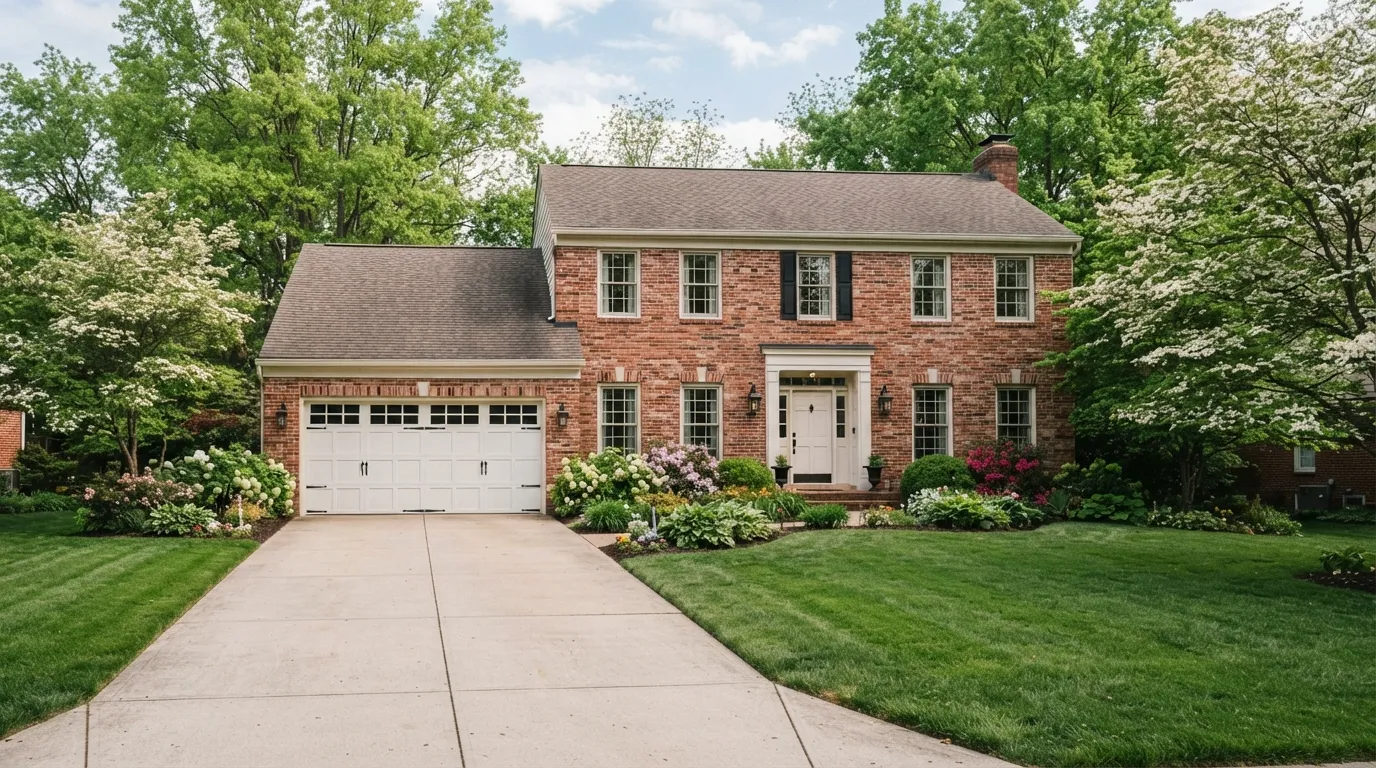
South Valley's housing runs older than the rest of the areas we cover - median year built here is 1968, ahead of the 1968-1999 range and 1979 median across the wider service area. That decade of garages means a lot of original extension-spring setups: two springs stretched along the horizontal tracks instead of a single torsion bar over the door. Extension springs don't fail the same way torsion springs do. They stretch, the coils fatigue unevenly, and the safety cables meant to catch a broken spring are often missing or brittle on doors that old, because nobody's touched the hardware since it went in.
The climate here is cold-moderate, and that's rougher on old spring steel than people think - freeze-thaw swings work the coils and the mounting brackets that hold everything to the header. On a door pushing fifty years of that cycling, a spring that finally lets go usually isn't the only thing giving out; brackets loosen, cables fray, rollers seize in the tracks. We're honest about that when we're on site - sometimes the spring is the whole job, and sometimes it's the first thing you notice on a door that needs more.
Time on the Job
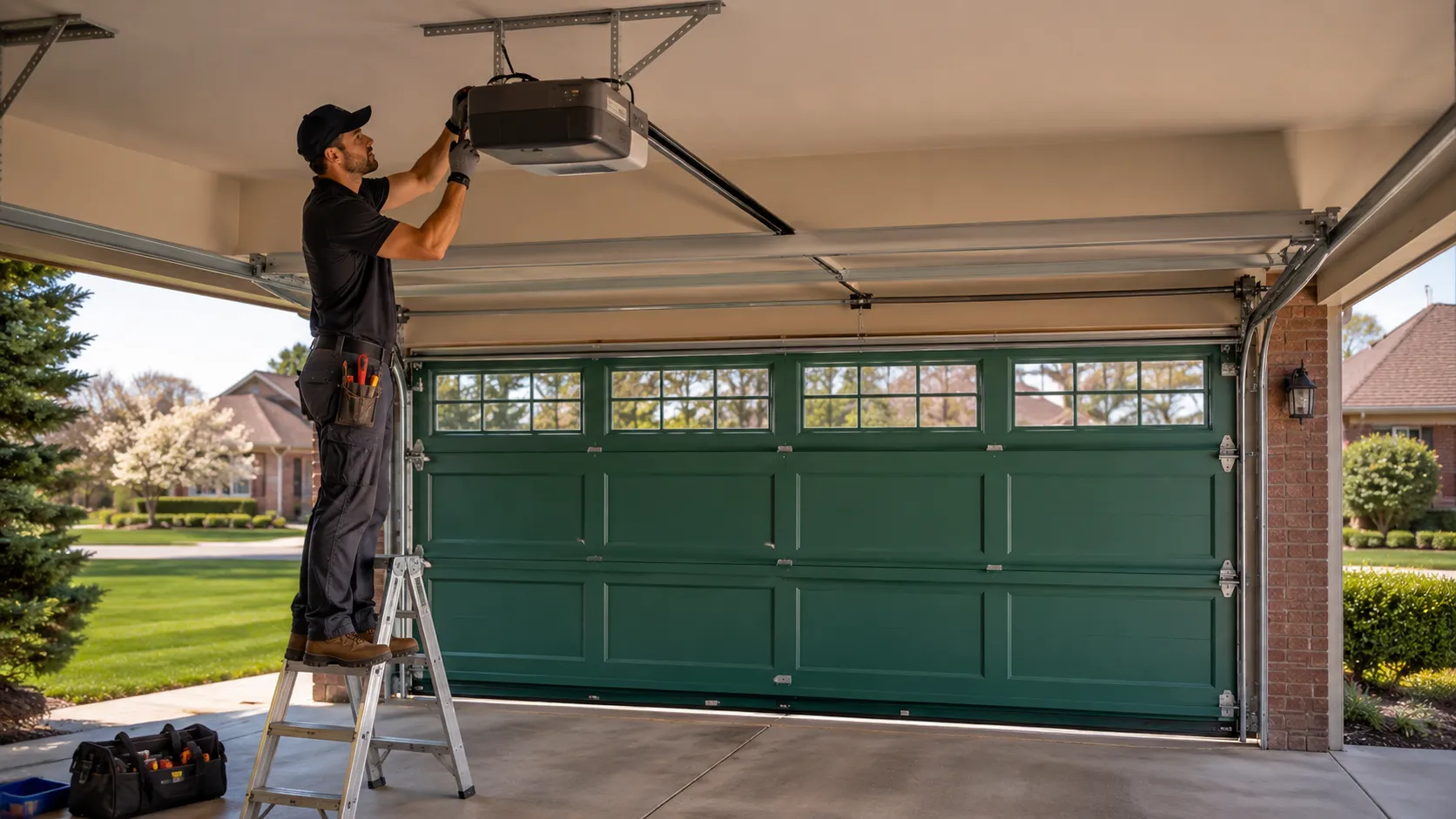
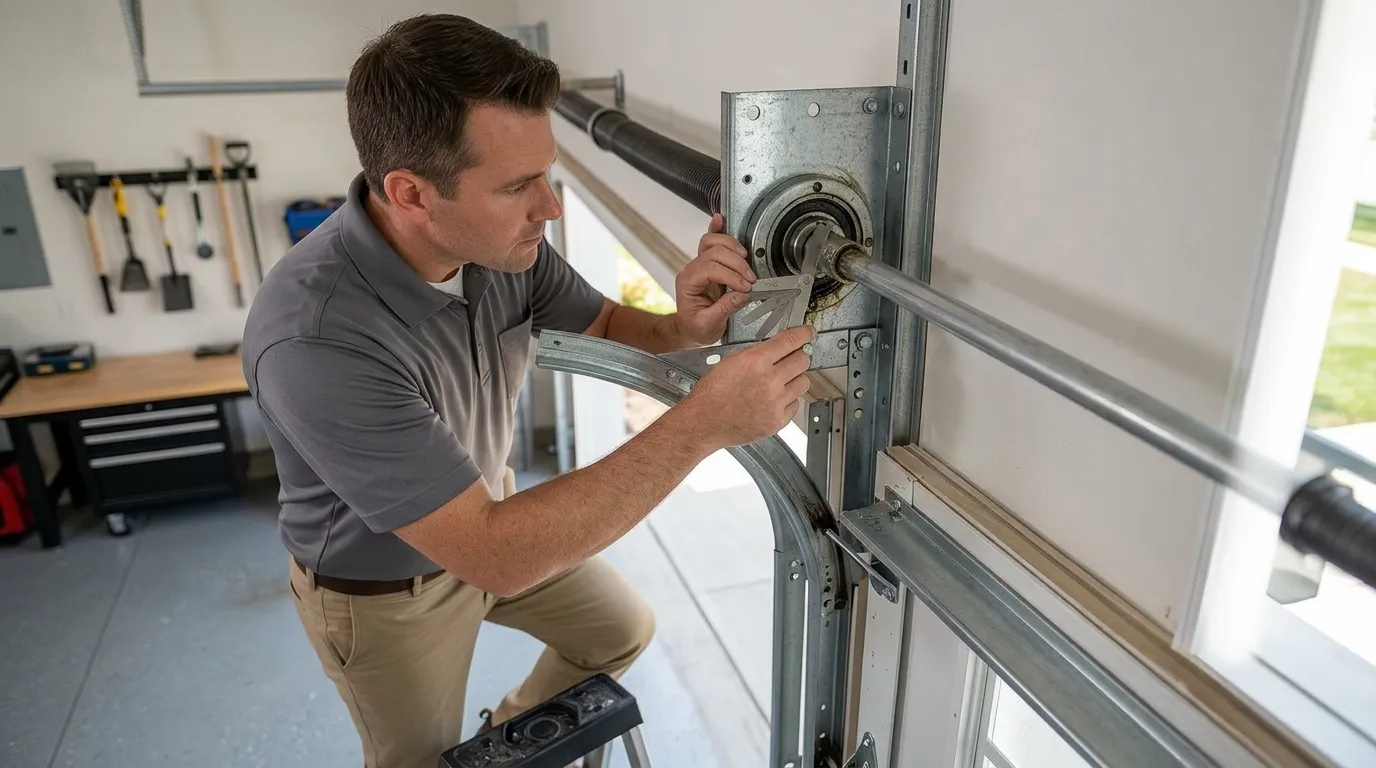
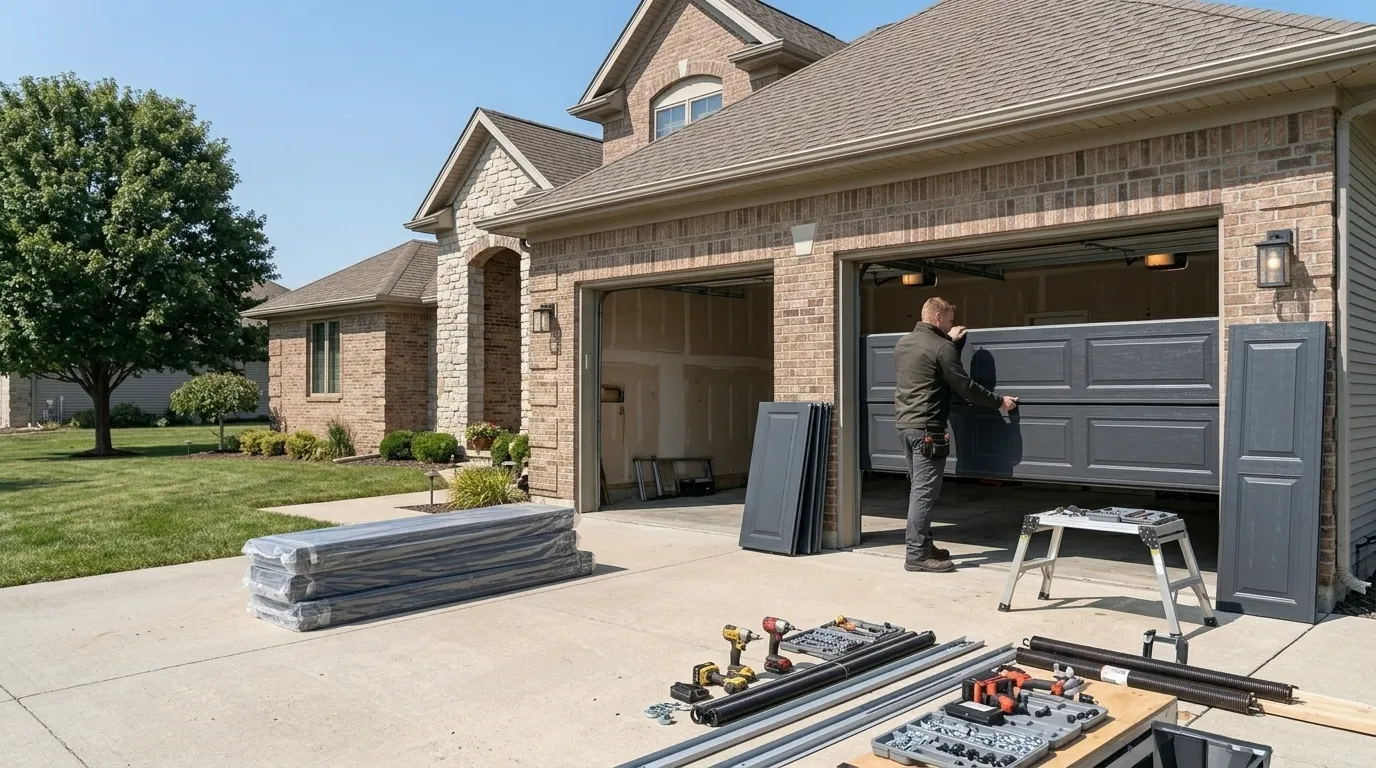
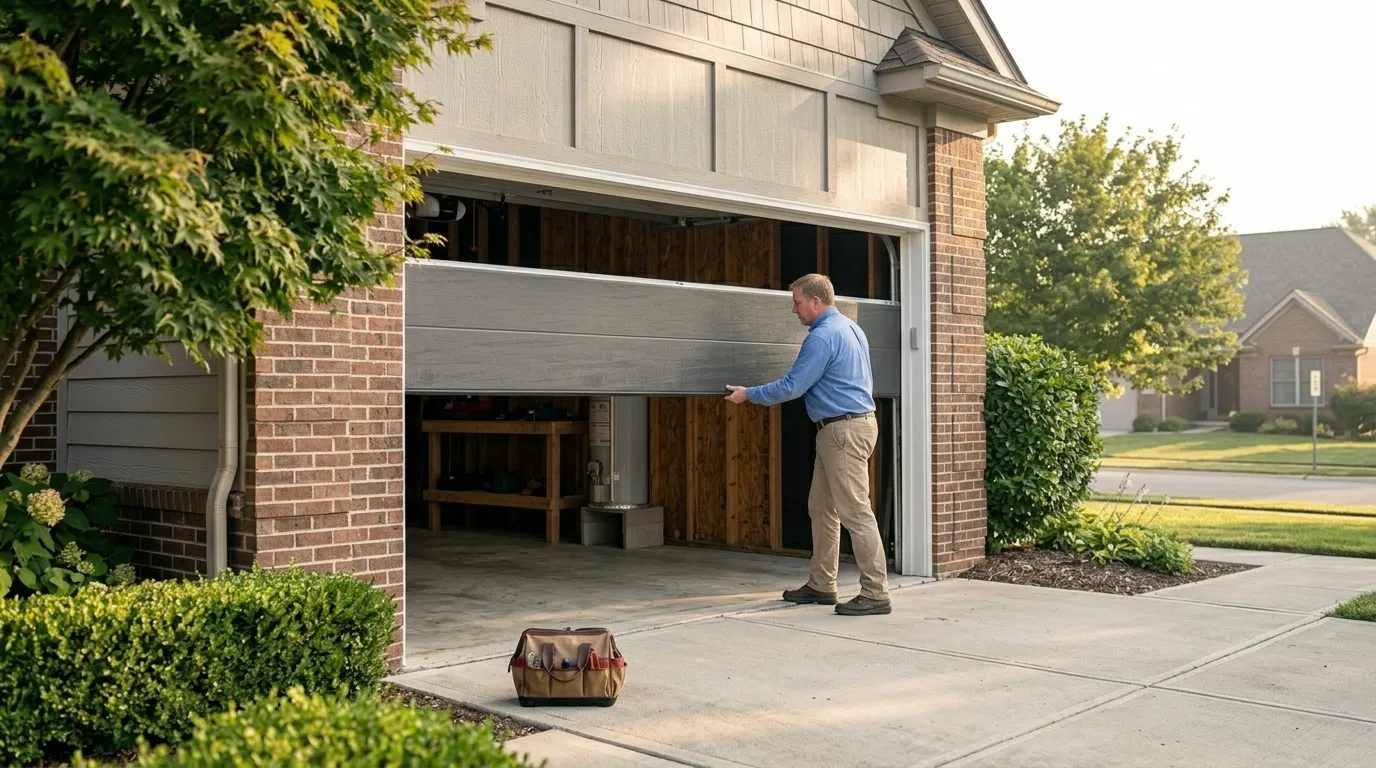
A straight spring swap - pull the old torsion spring or the pair of extension springs, set new ones to the right tension, run the door through a full cycle - is usually the bulk of the visit once we're on site and have assessed the hardware. Older extension-spring setups on doors from this housing era can take a bit longer than a modern torsion job because we're also checking the safety cables, the pulleys, and the track alignment that a torsion conversion would replace outright.
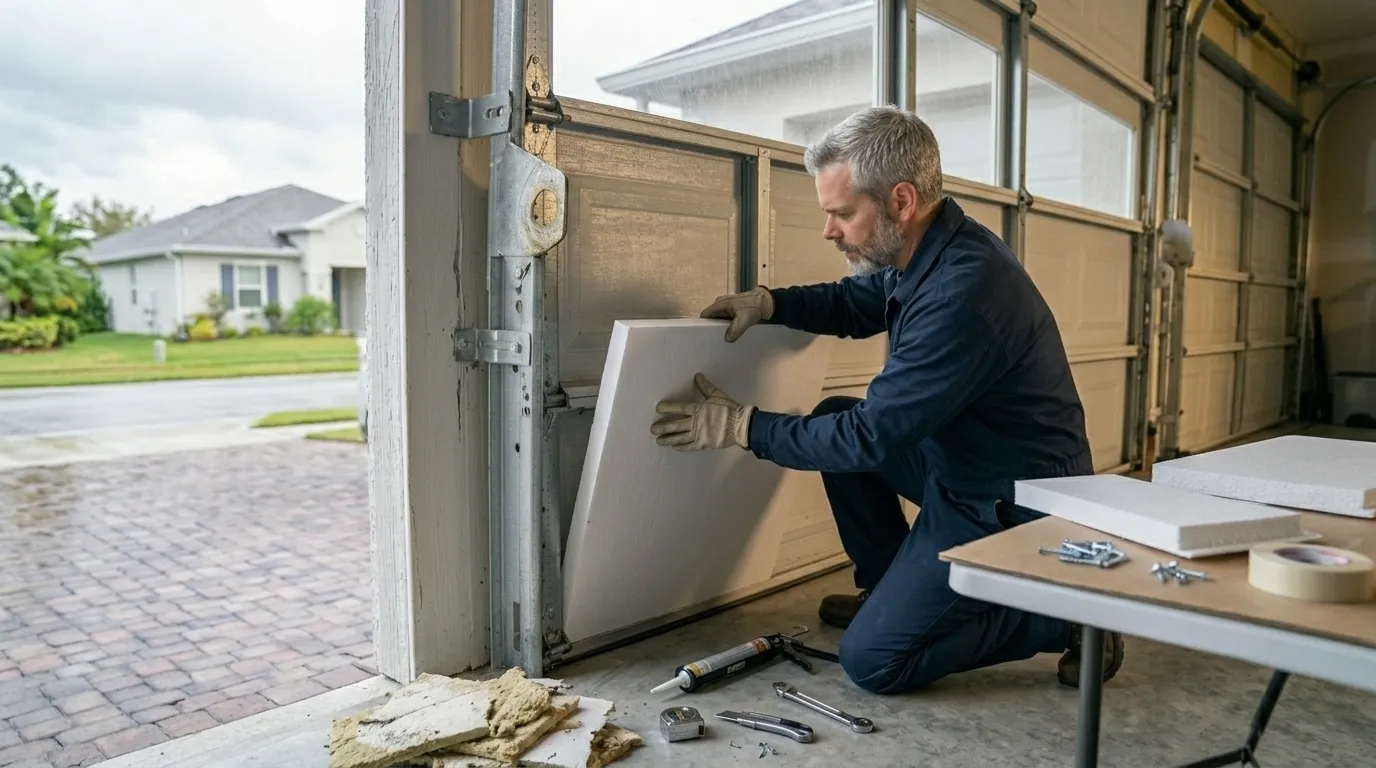
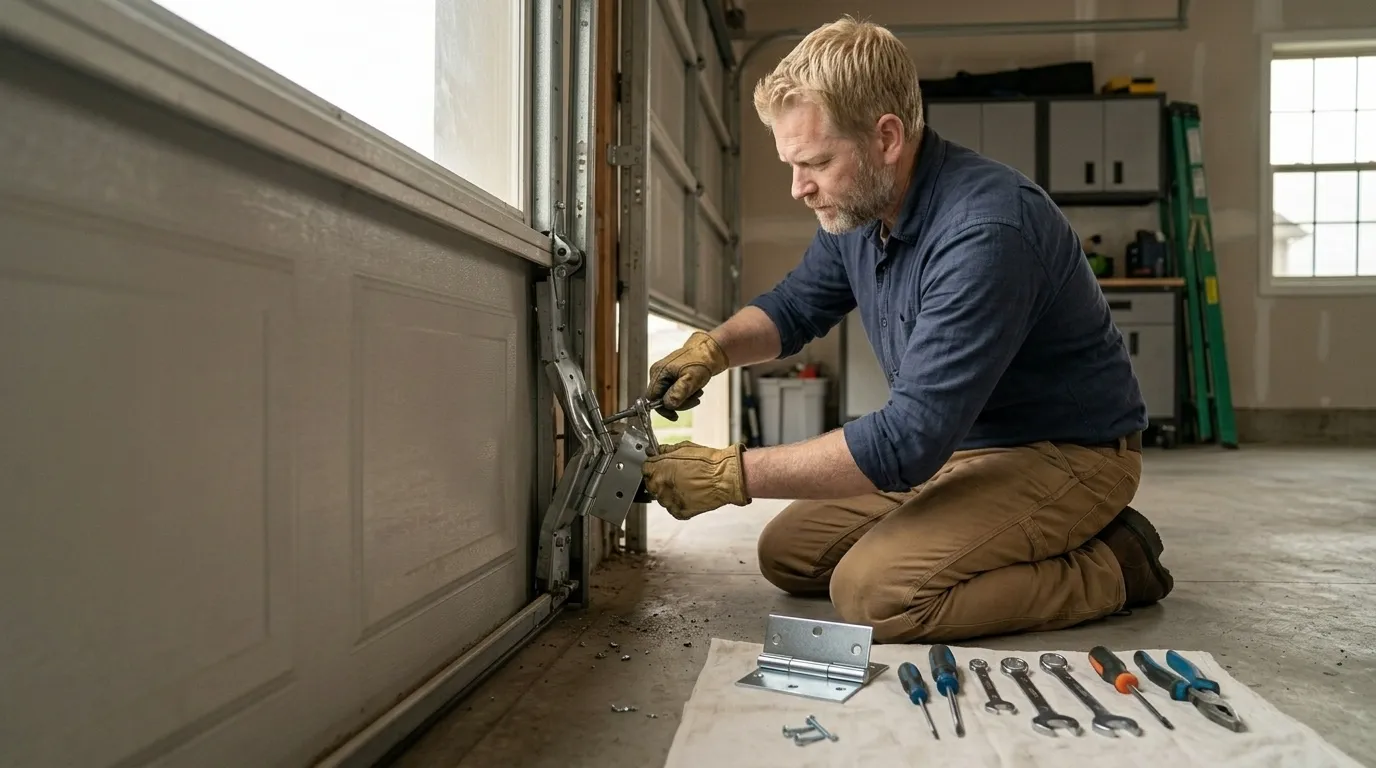
We don't pad the visit, but we also don't rush a job on hardware this old just to hit a number. If a bracket is stripped or a track is bent from years of an unbalanced door working against a bad spring, that gets fixed the same visit if parts are on the truck. If it isn't - some older extension-spring parts aren't something we carry as standard stock - we'll tell you honestly and schedule the return rather than force a mismatched part onto the door.
The DIY Question
Don't do this one yourself. A garage door spring, torsion or extension, is holding the full weight of the door under tension, and letting that tension go wrong - the wrong tool, the wrong hand position - is how people lose fingers or worse. This isn't a caution we add for liability; it's the actual physics of the job.
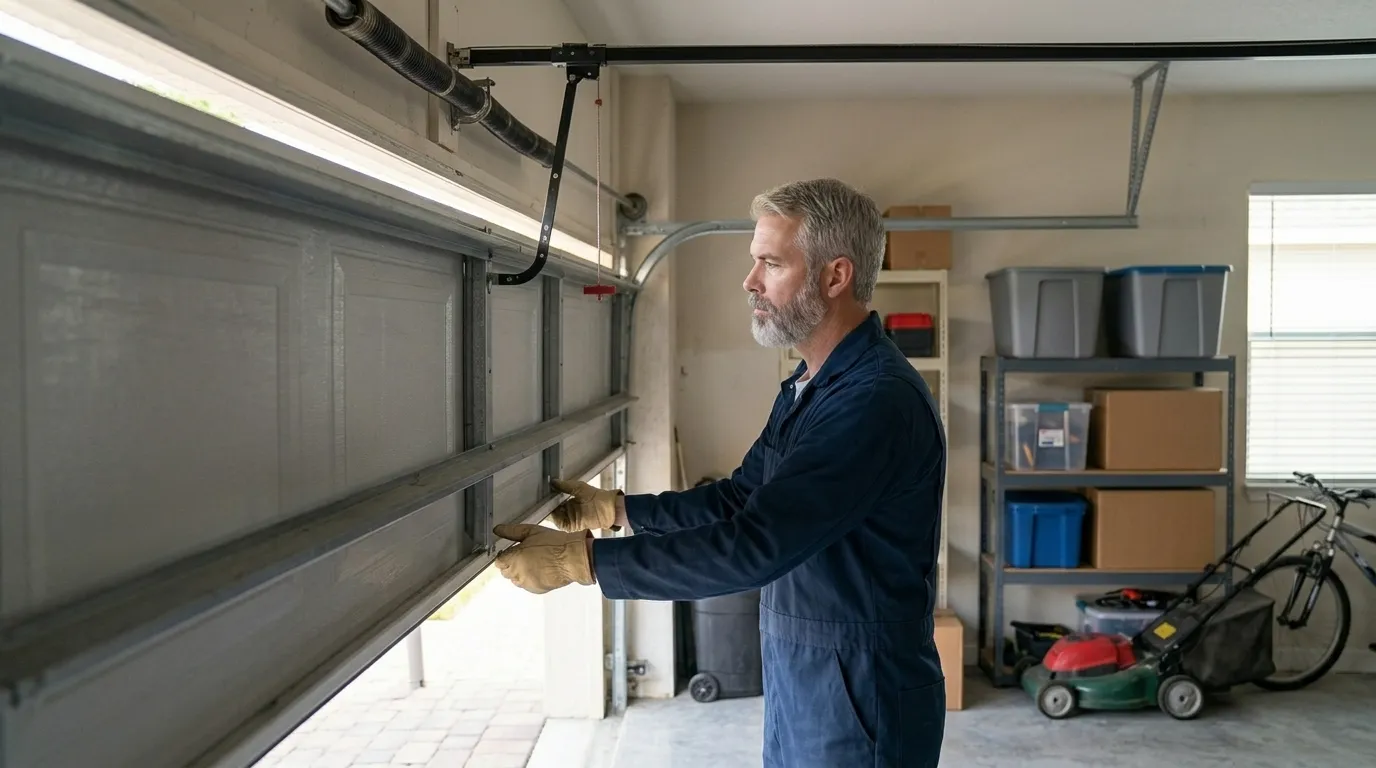
What you can do yourself: watch for the warning signs before the spring lets go completely. A door that's noticeably heavier to lift by hand, a loud bang from the garage, visible gap in the spring coil, or an opener that strains and reverses partway through the cycle - all of those mean the spring is going, not gone yet. Call before it fails all the way, especially on the older extension-spring setups common on South Valley's 1960s stock, where a full failure is more likely to also snap a worn safety cable.