Why This Fails Locally
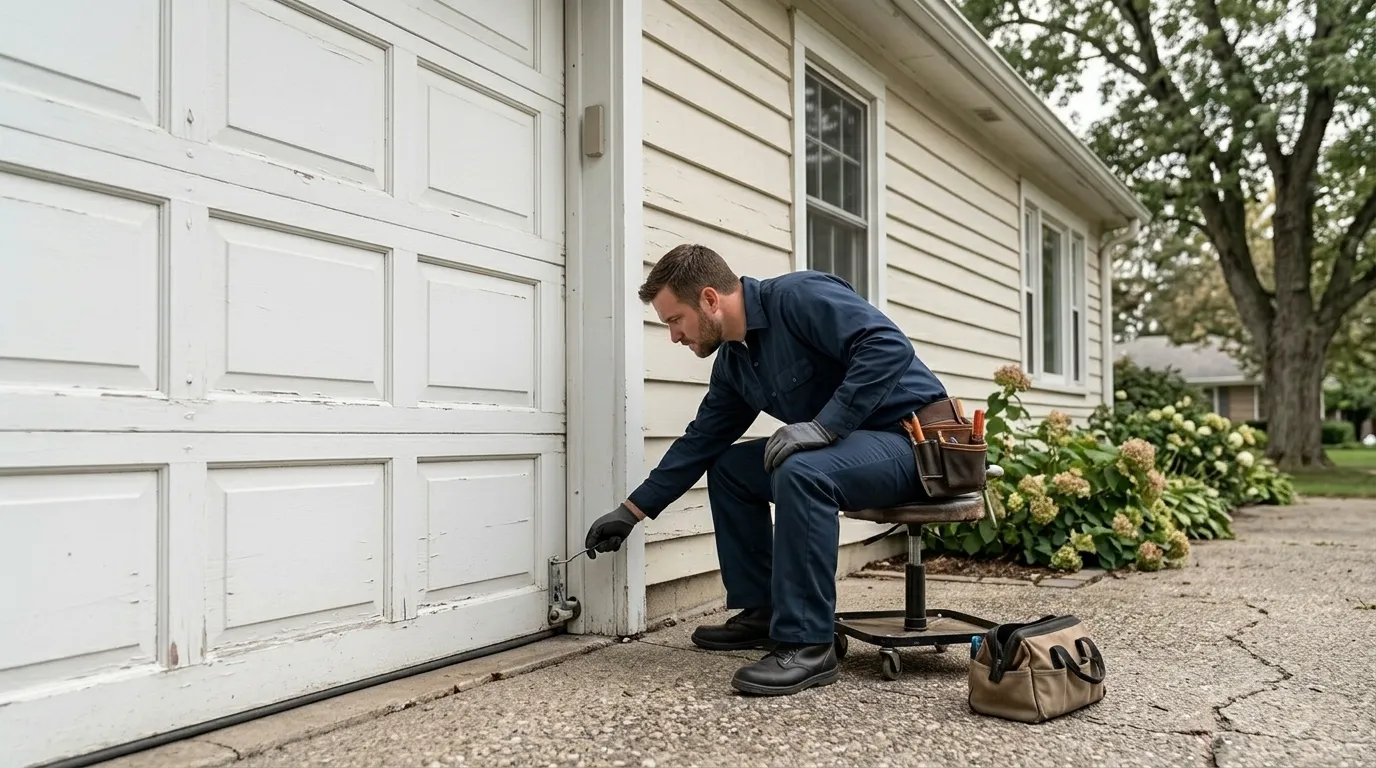
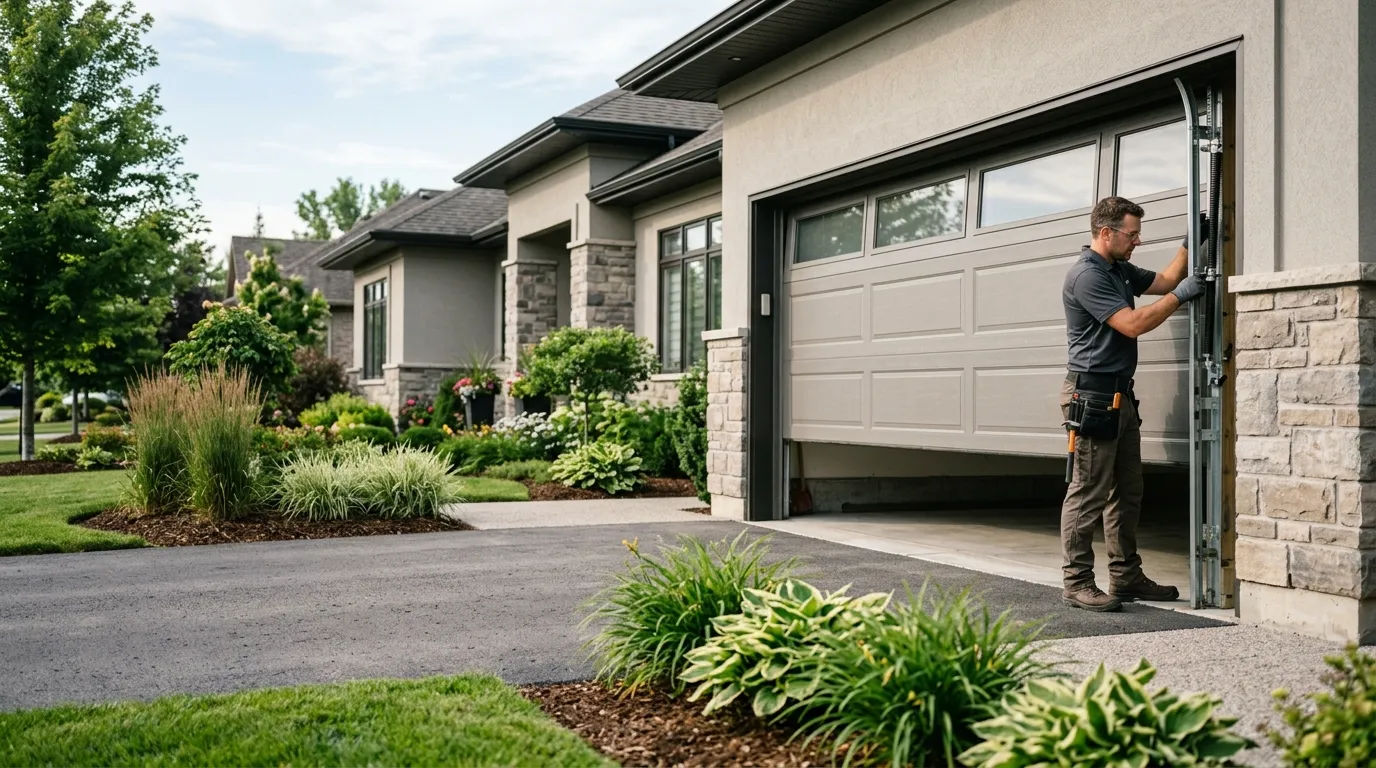
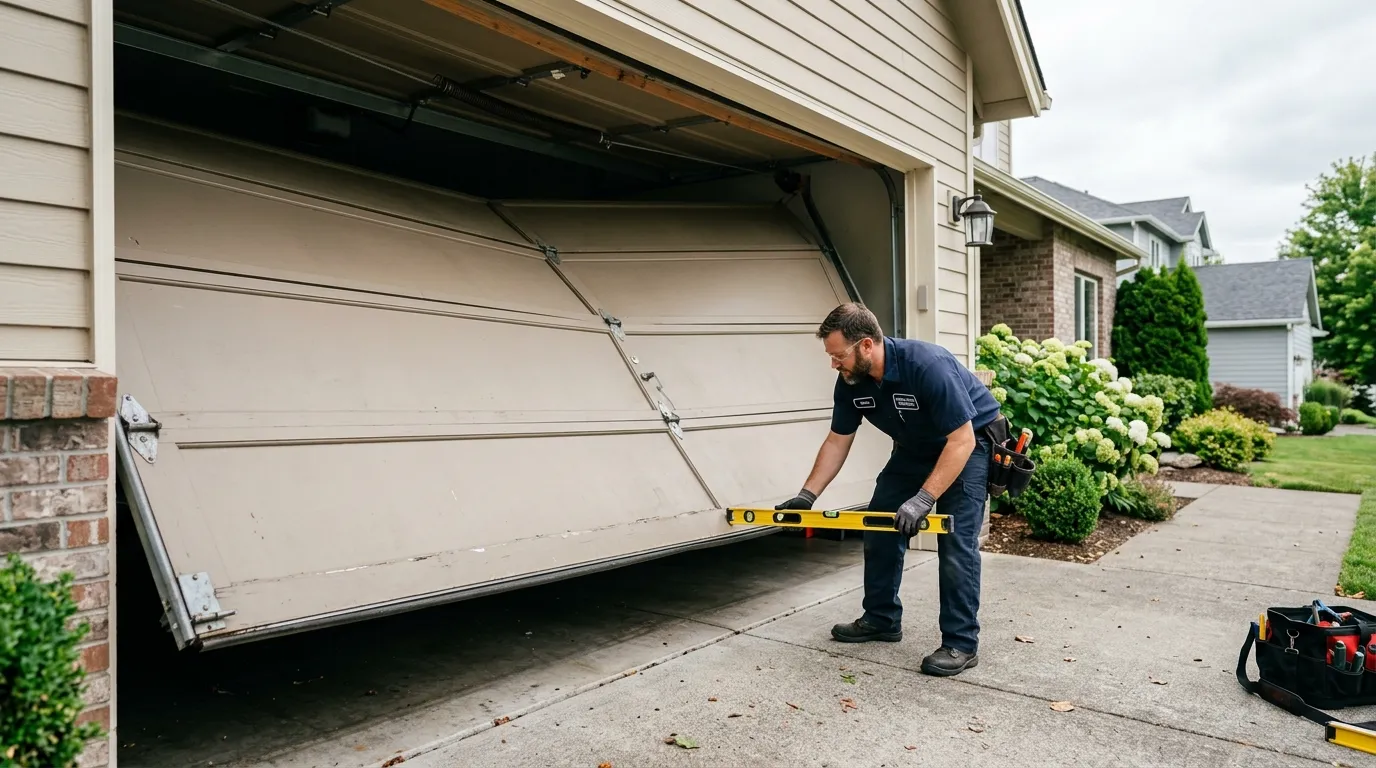
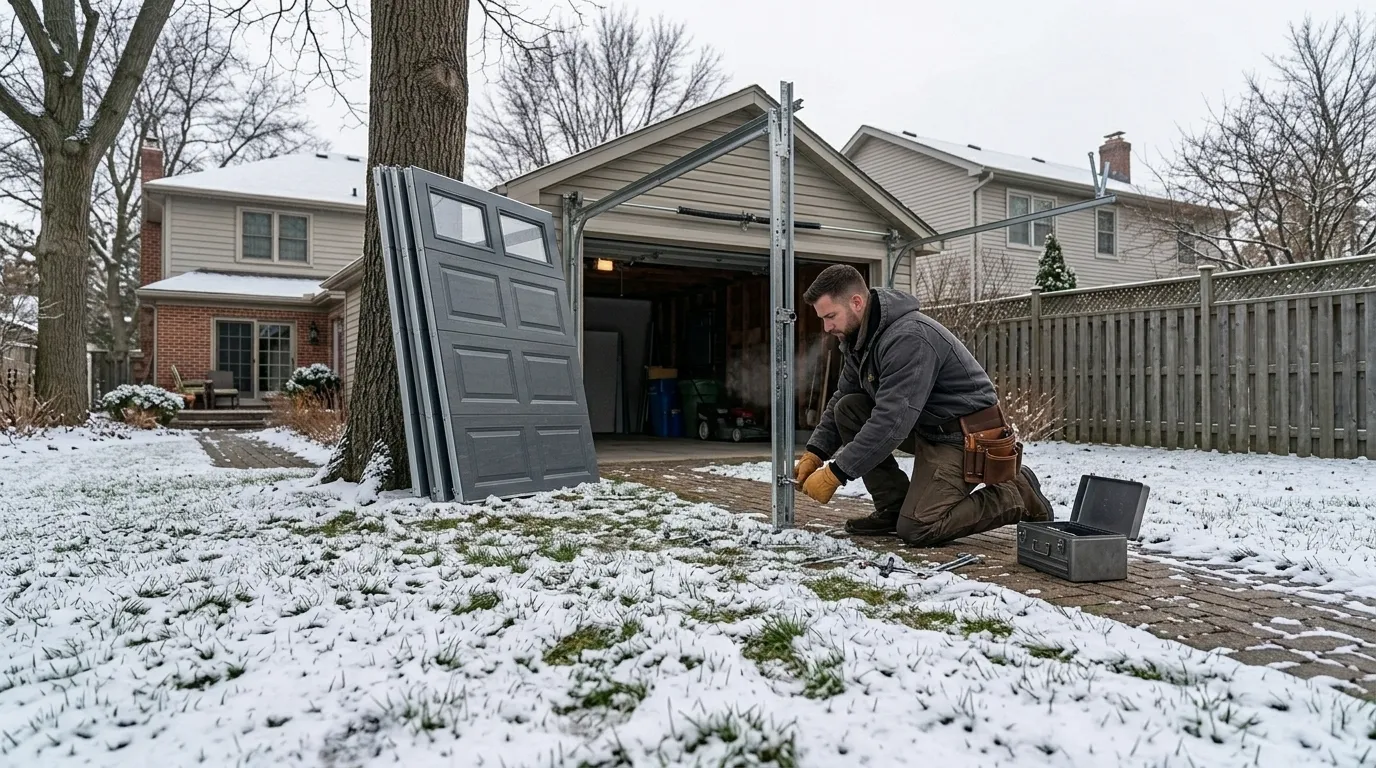
The fault we see most in South Valley isn't a broken spring or a bad opener - it's an opening that doesn't match anything a big-box door comes in. The median home here dates to around 1968, and a lot of that stock was framed for a single-panel door on light hardware, not the sectional steel doors sold today. When a homeowner orders a standard 16x7 online and we show up to hang it, the header height or the side clearance is often off by an inch or two, which is enough to keep a torsion spring assembly from mounting the way it's designed to.
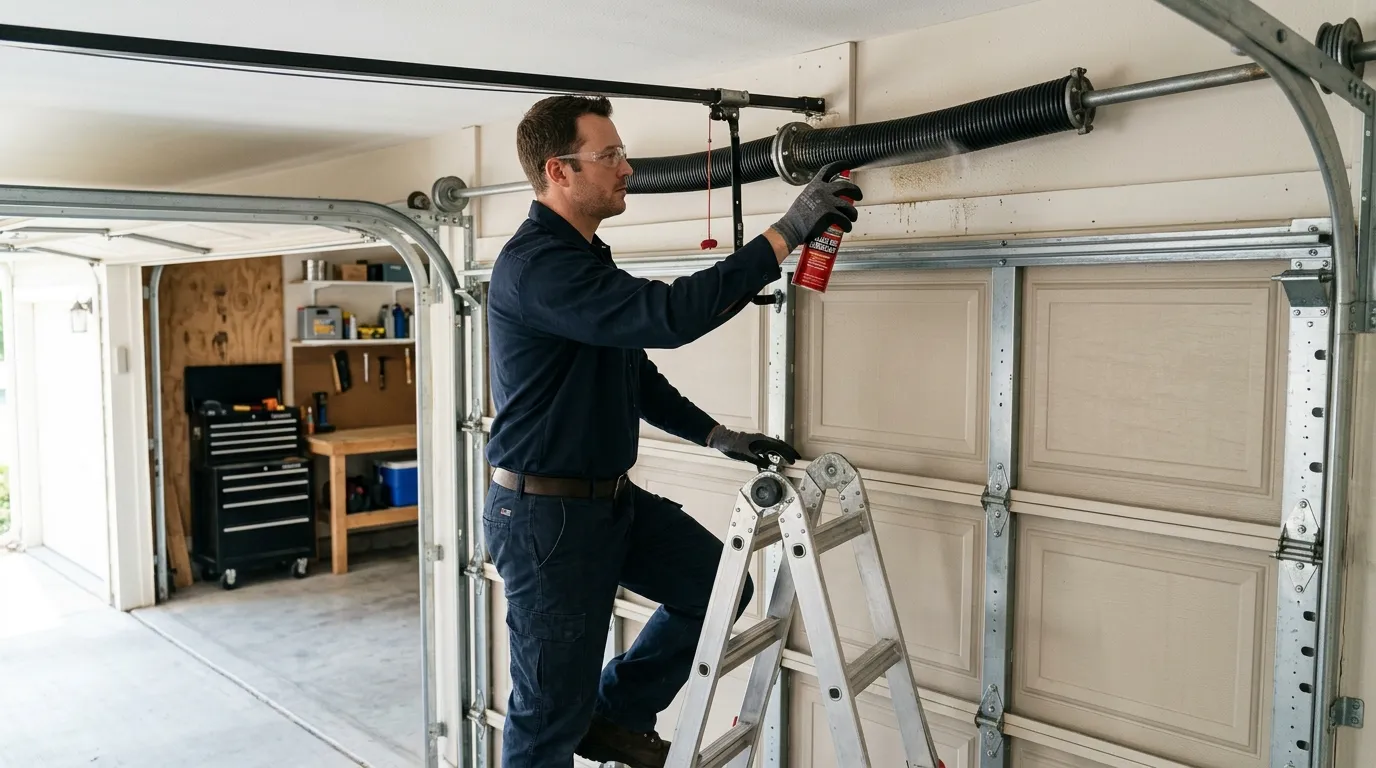
This matches the wider pattern across the service area - F1 and F2 put most of the housing stock in the 1960s-70s range, built years before sectional doors with torsion springs became the default. That means the fix usually isn't just hanging a new door; it's adapting the framing, the track radius, or the jamb to take modern hardware. Skip that step and you get a door that binds, an opener that strains against a misaligned track, or springs that wear out early because the drum spacing was never right for them. We measure for this specifically because guessing costs you a callback.
Time on the Job
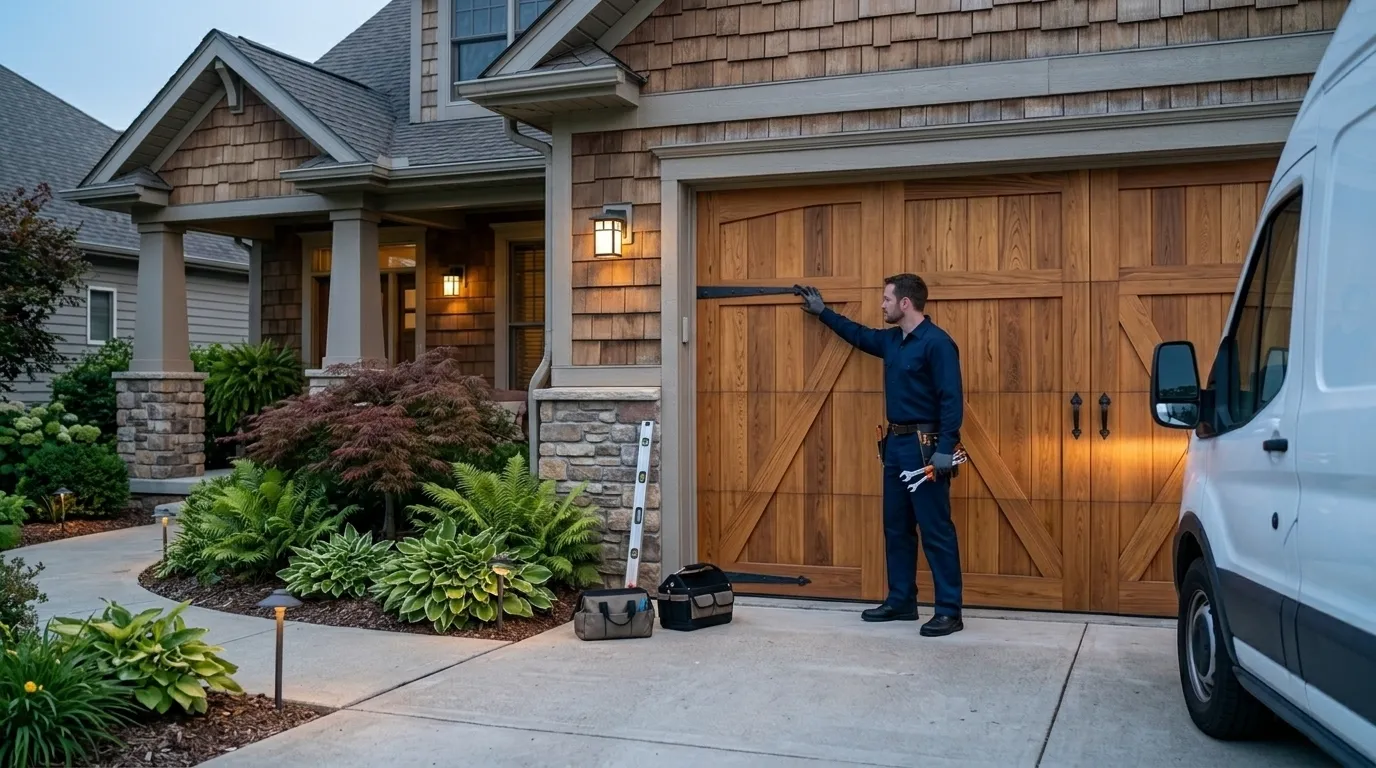
A straightforward swap - same size opening, no framing changes - usually runs a single visit. Where South Valley jobs run longer is when the opening needs correction before the new door goes in: shimming a header, adjusting jamb width, or re-cutting track brackets to clear a lower ceiling than modern torsion springs expect. We won't know which category your job falls into until the measure visit, and we'd rather tell you that up front than promise a fast turnaround and miss it.
Ordering time adds to the schedule too. If your opening takes a standard size, we can often get the door faster; if it needs a custom width or a low-headroom kit, that order takes longer to arrive, and the install date moves with it. We'll give you a real number once we know which door you need, not before.
The DIY Question
Ordering a new door online and hanging it yourself is doable if your opening happens to be a standard size with standard headroom - plenty of homes anywhere are. The risk in South Valley specifically is that a fair share of the housing stock here predates the sizes that mass-market doors are built to, so the panel that fits the box at the store doesn't always fit the opening at the house. Springs under tension in a mismatched frame are not a place to guess.
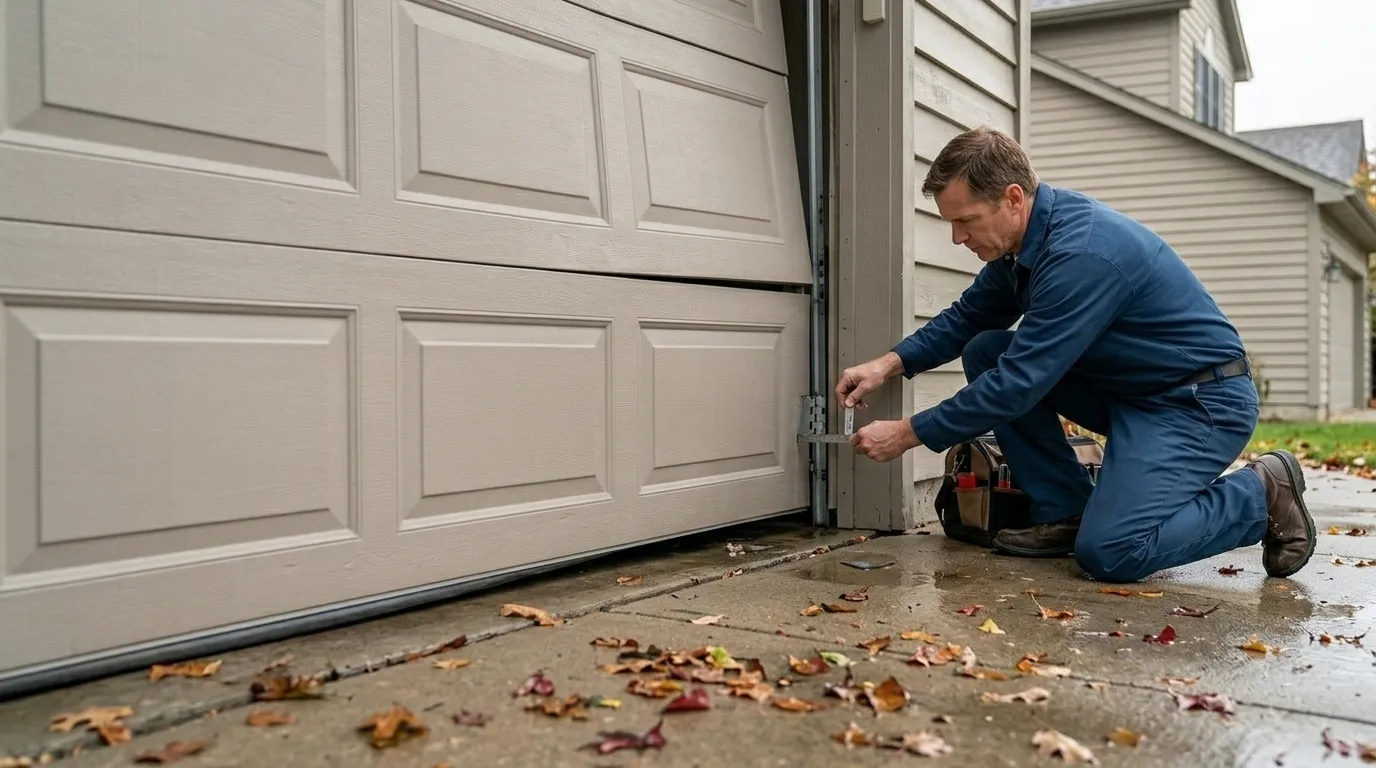
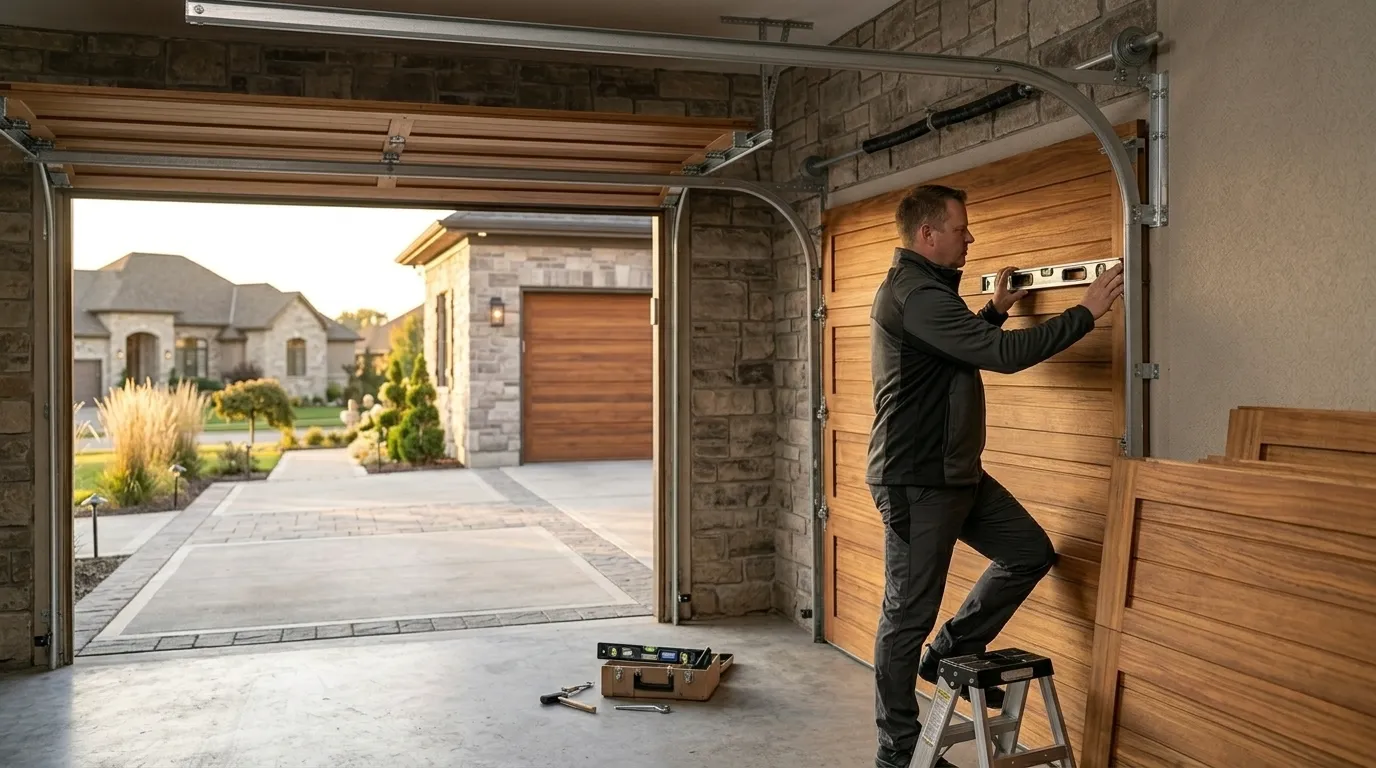
If you're set on doing it yourself, at minimum have someone check the rough opening width, height, and side room against the door's actual spec sheet before you cut anything or mount a track bracket. If those numbers don't match, that's the point to call - not after the door's already half hung. We can do the measure and correction work as a standalone visit if you just want a second opinion before you commit to buying.