The Seasonal Bit
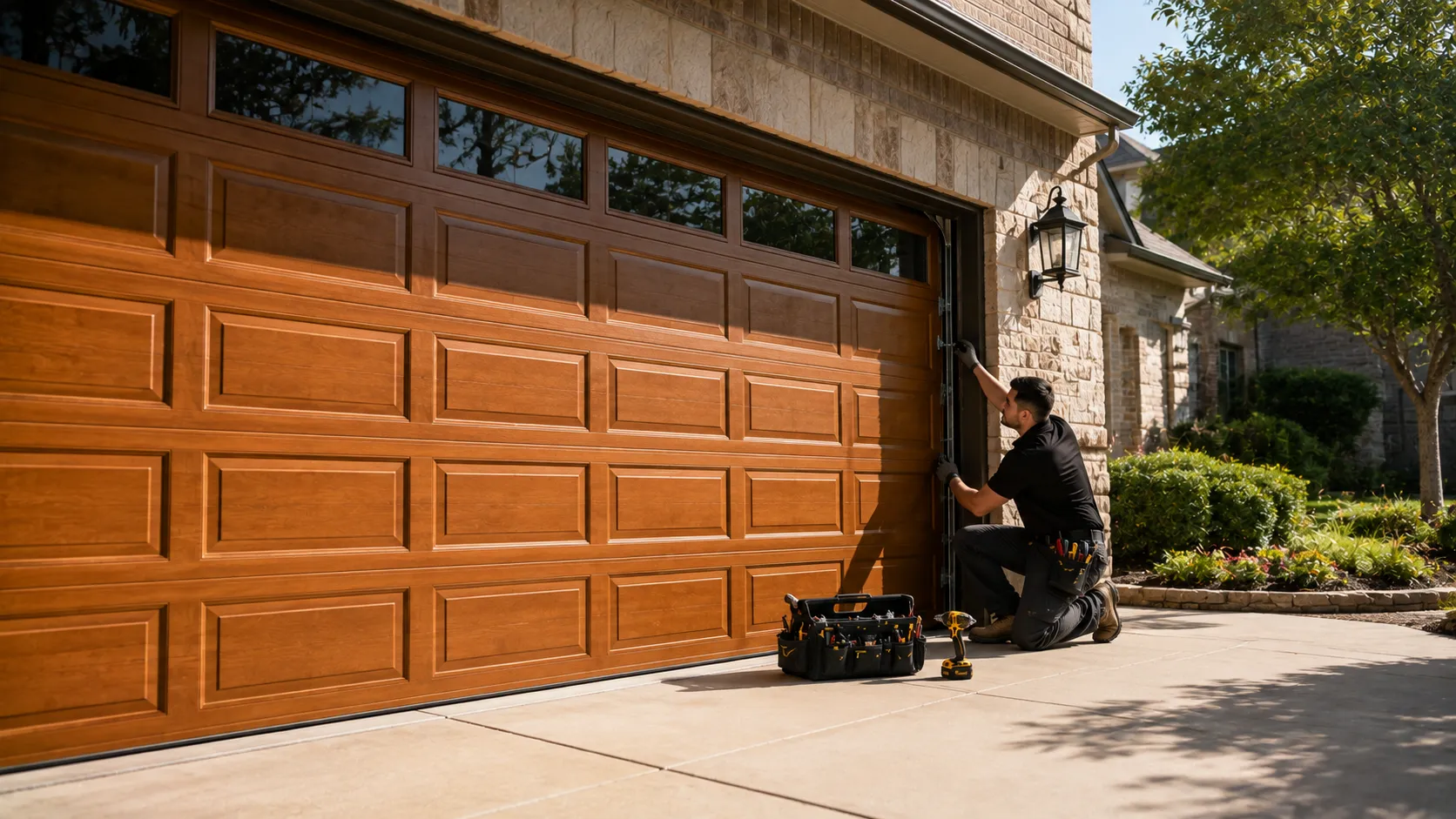
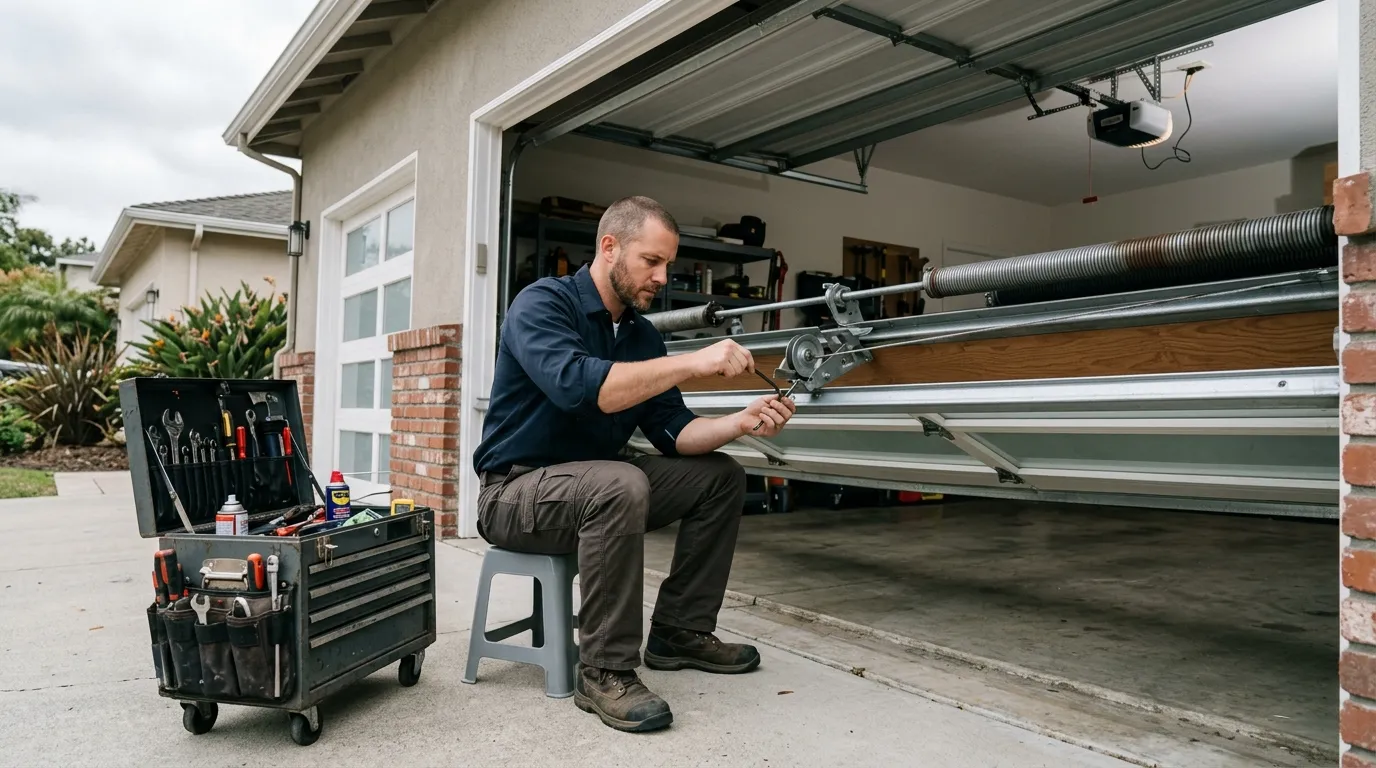
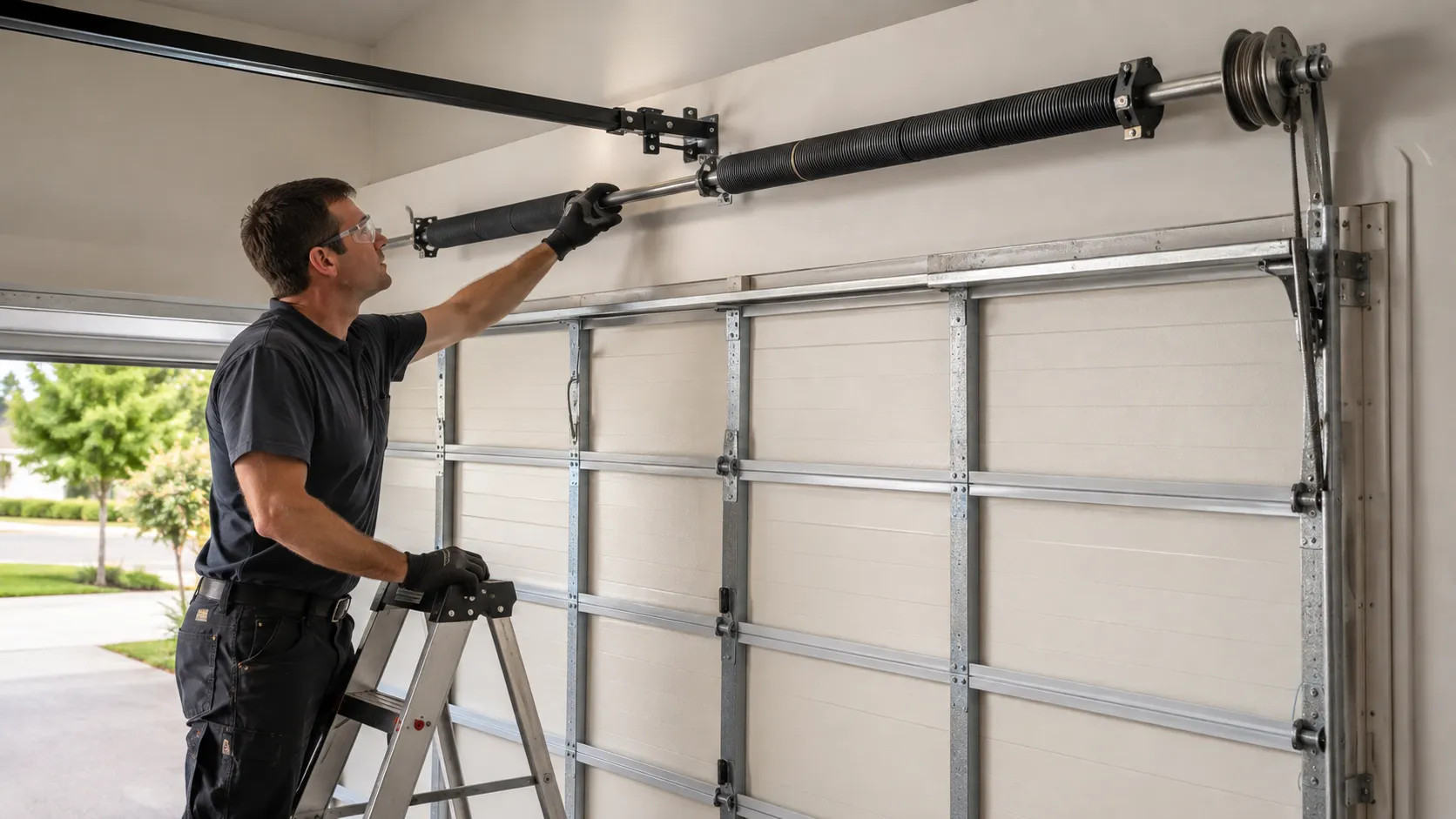
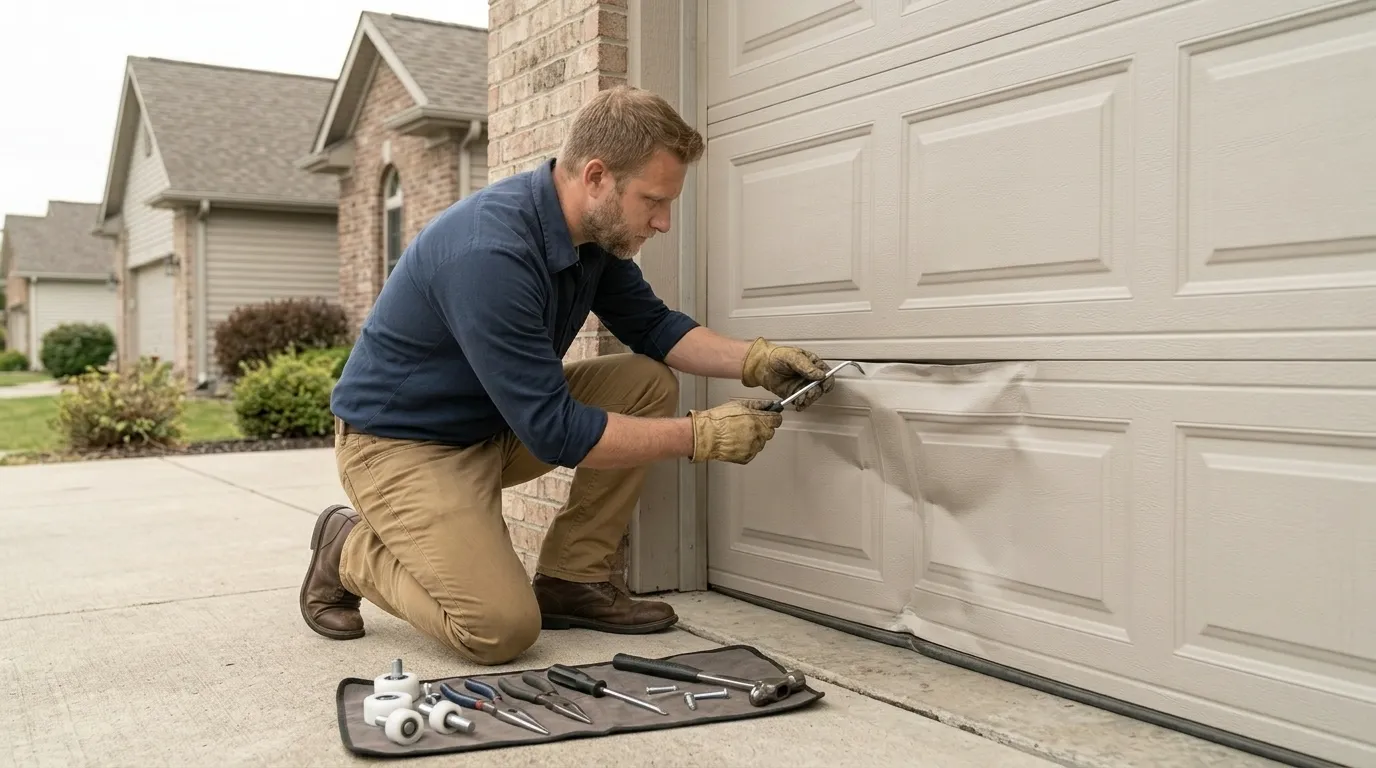
Albuquerque sits in a cold-moderate climate band, which means the door lives through a real freeze-thaw cycle every winter and a hard, dry heat every summer, sometimes within the same week. That daily swing is harder on a door than steady cold ever would be. Steel contracts overnight and expands again by afternoon, and every cycle works the same joints and the same spring coil a little more. On a door installed when the house was built, somewhere in that 1968-1999 window, those cycles have been running for decades. You'll see it first in the weatherstripping along the bottom panel, which dries out and cracks rather than wearing down evenly, and in torsion springs that lose tension faster than the manufacturer's rated cycle count would suggest. None of this means the door is done. It means the seals and the spring are consumable parts on a schedule that has nothing to do with how the door looks. A door that looks rough but was resprung and resealed in the last few years can easily outlast a newer door nobody's touched.
What Is Going On
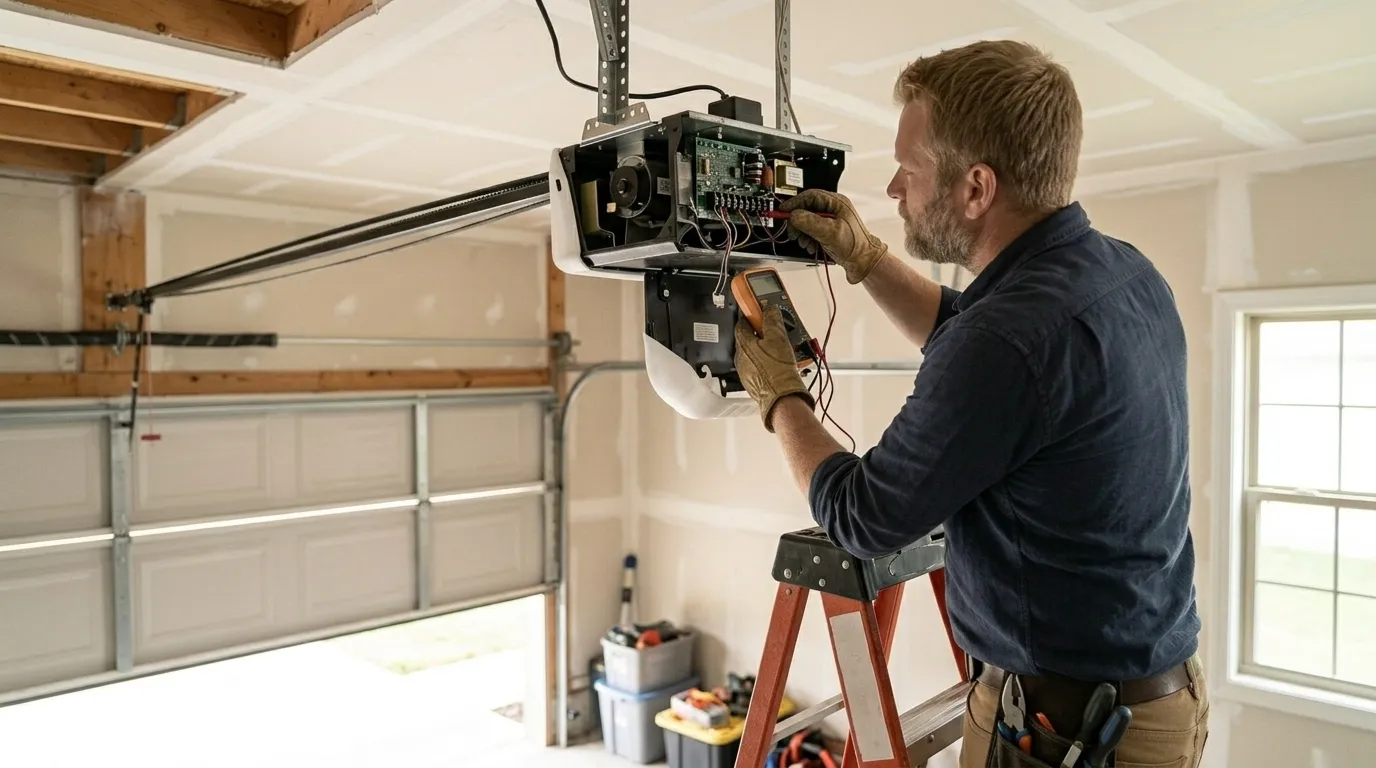
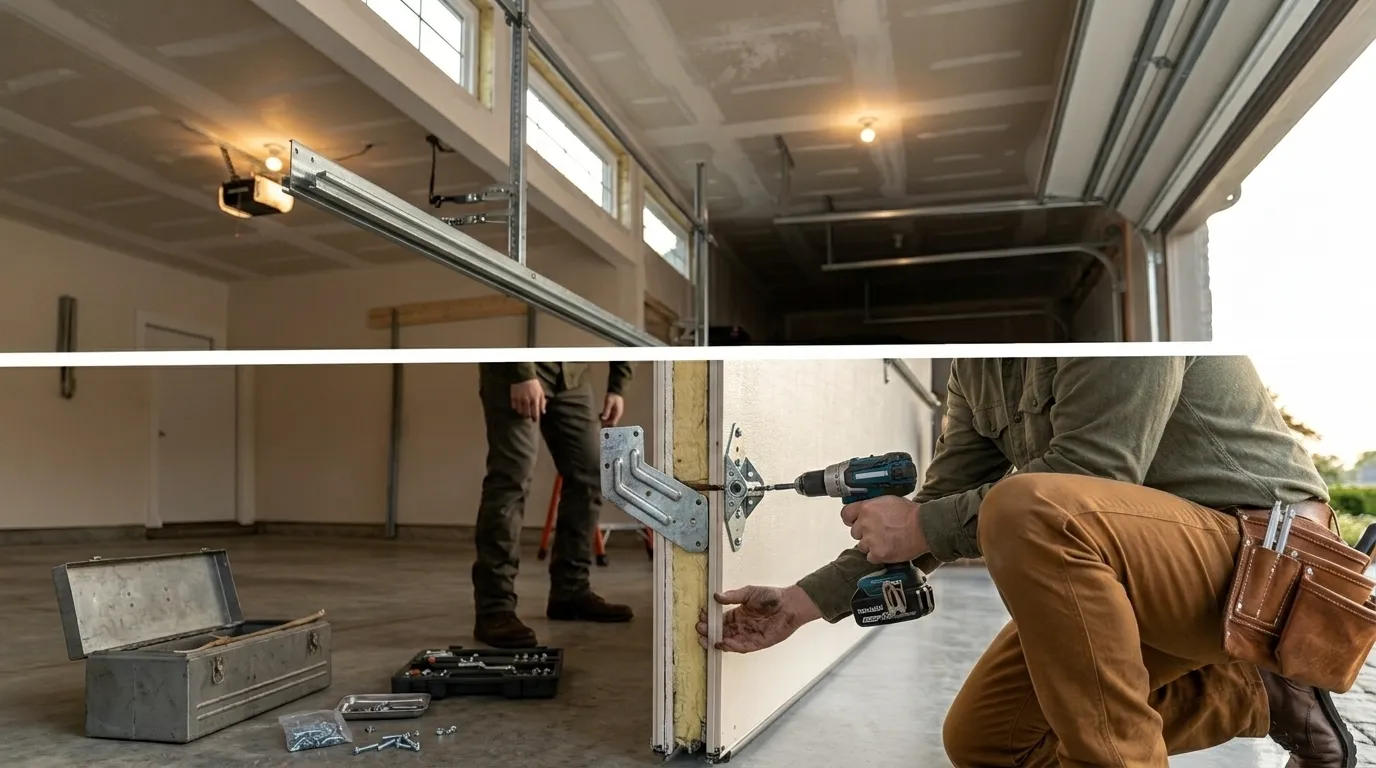
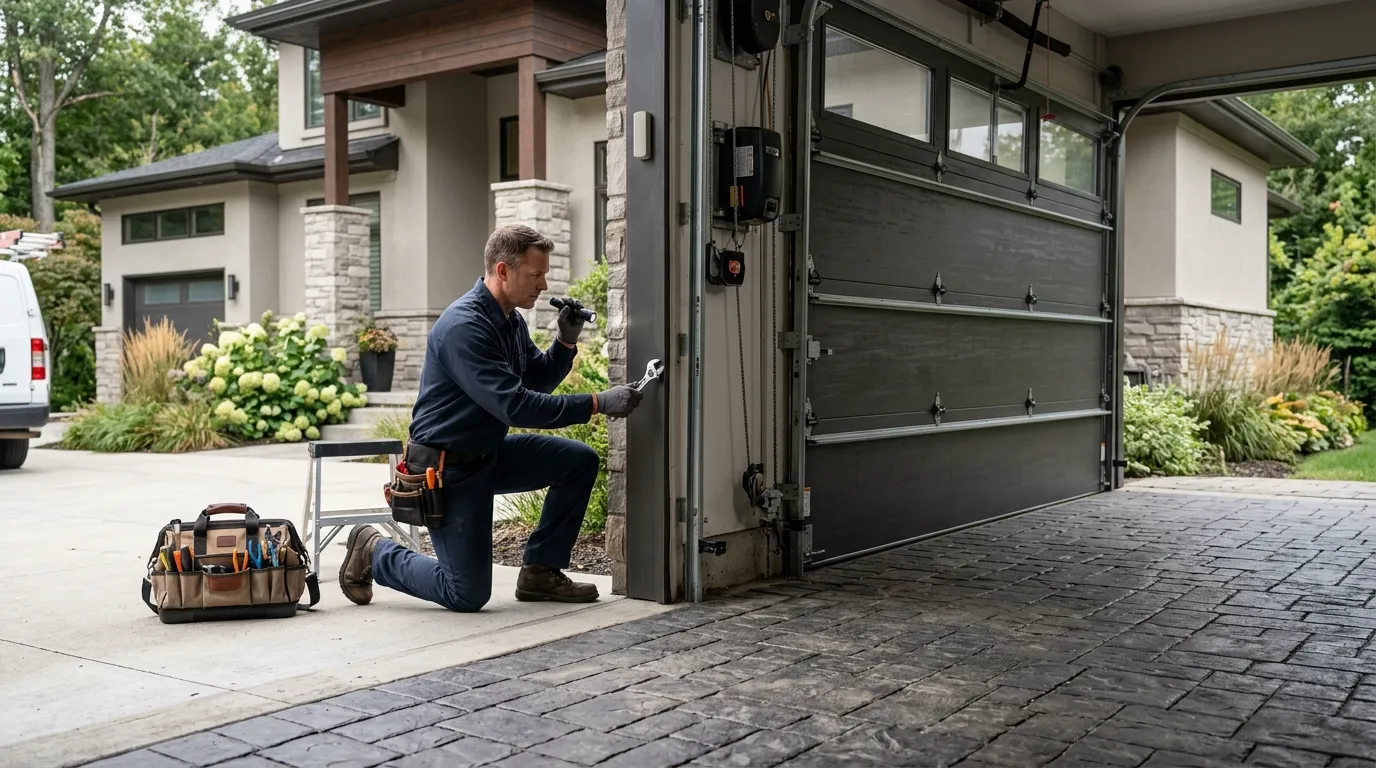
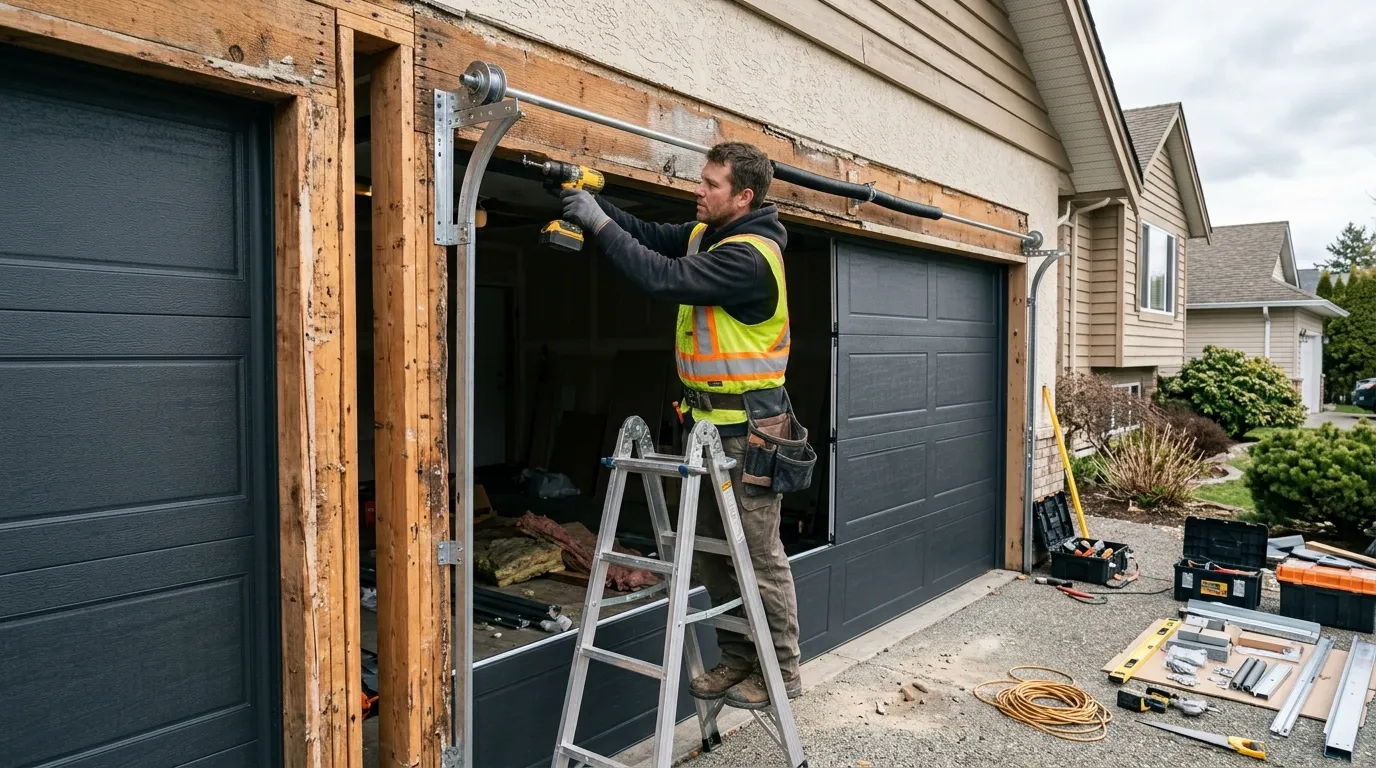
Across the older parts of the service area, mostly built in the 1960s and 70s, we're still running into a specific pattern: the opener has been swapped once, sometimes twice, but the door itself, the track, and the hinges are original to the house. That combination is common enough that it's worth naming. A newer opener bolted to an old door doesn't fix the door's actual wear, it just masks it until the day the opener strains against a spring that's finally given out. If your house falls in that 1968-1999 build range and nobody's touched the spring or the track since move-in, that's the part of the system due for attention, not the opener. We'd rather tell you that than sell you a second opener replacement that doesn't address what's actually wearing out underneath it.