Having It Looked At
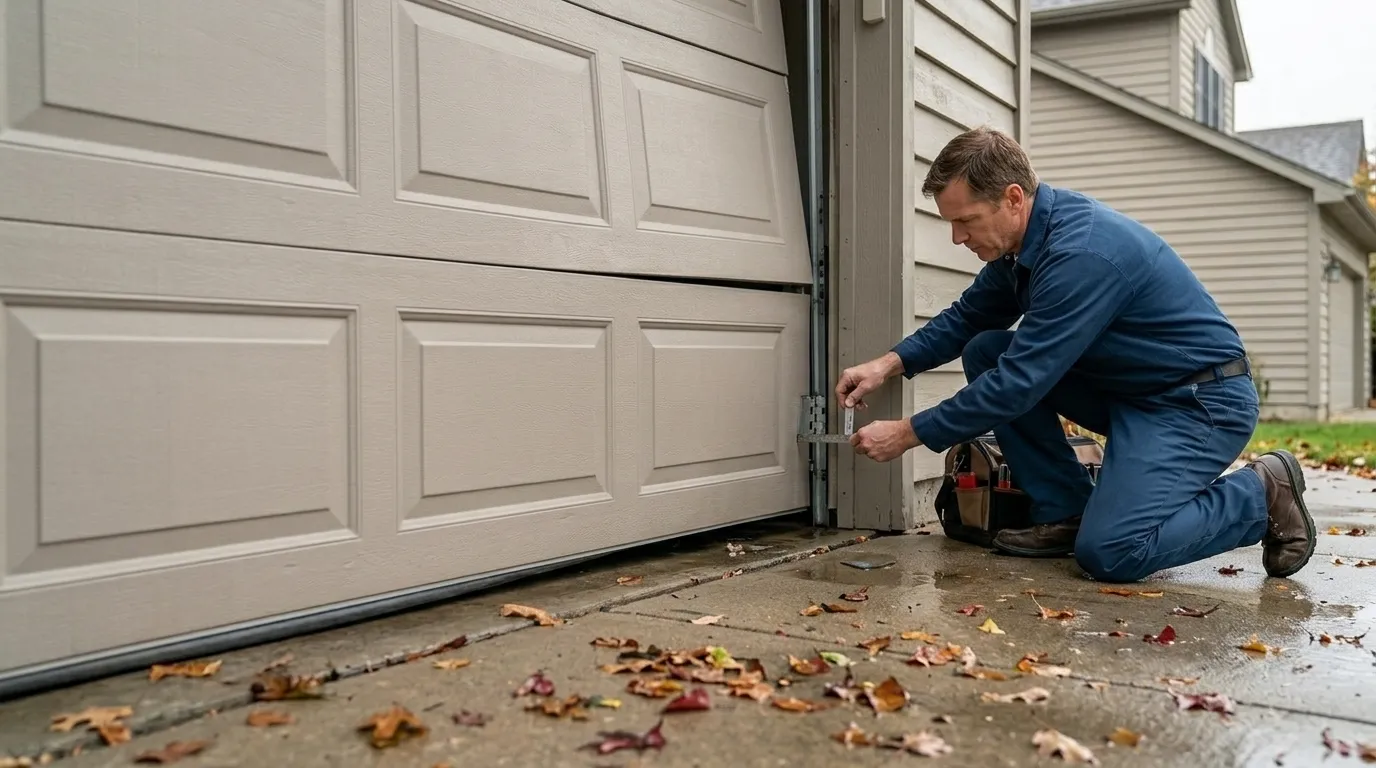
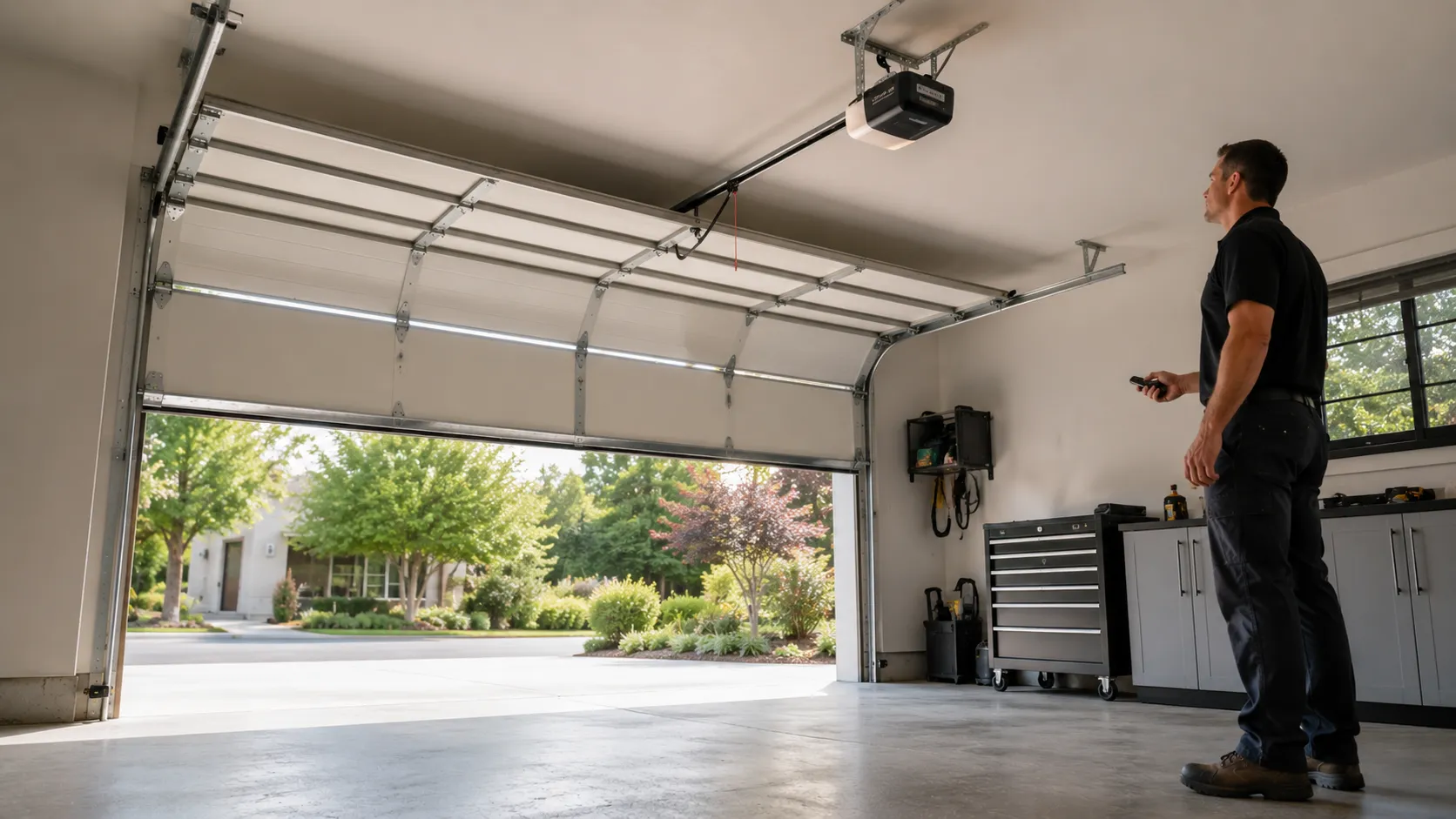
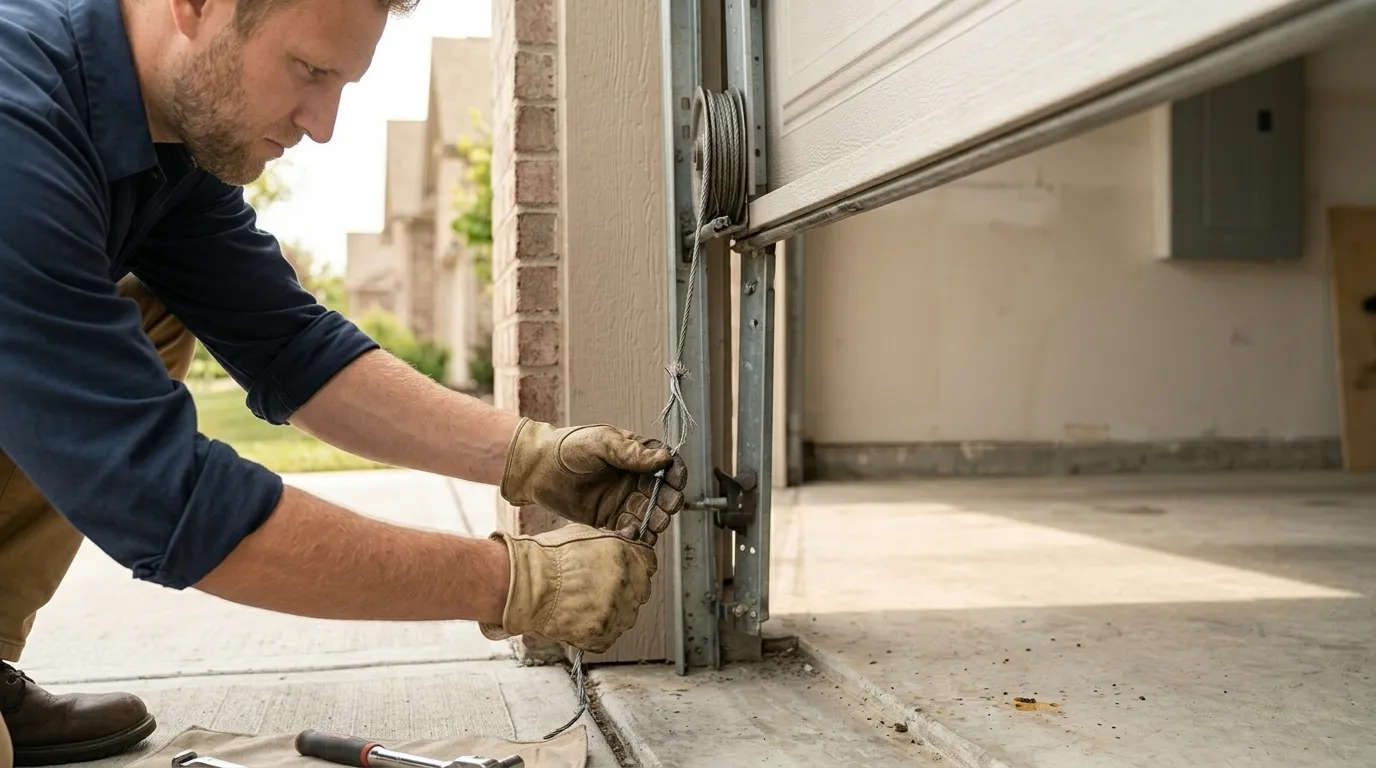
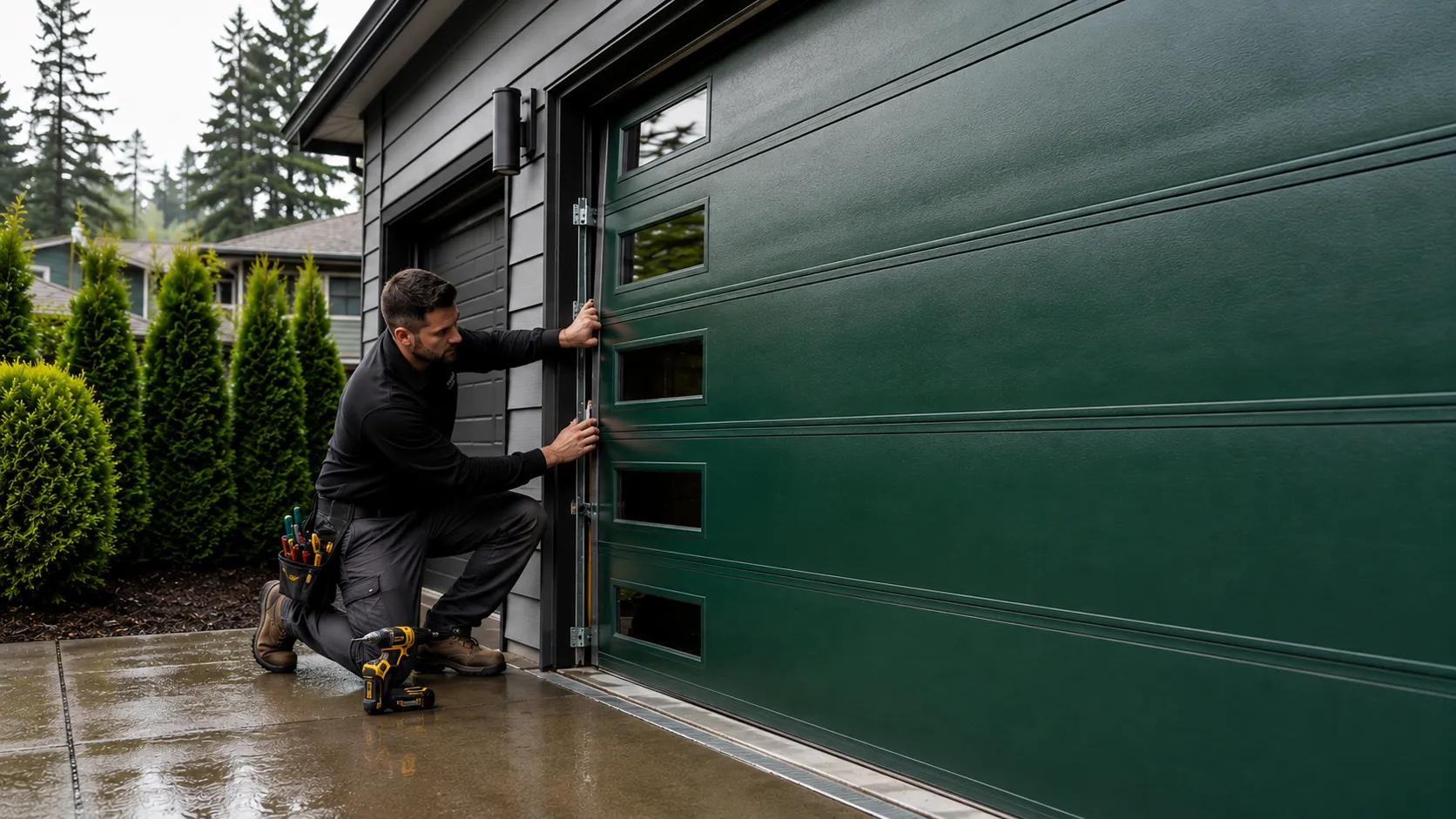
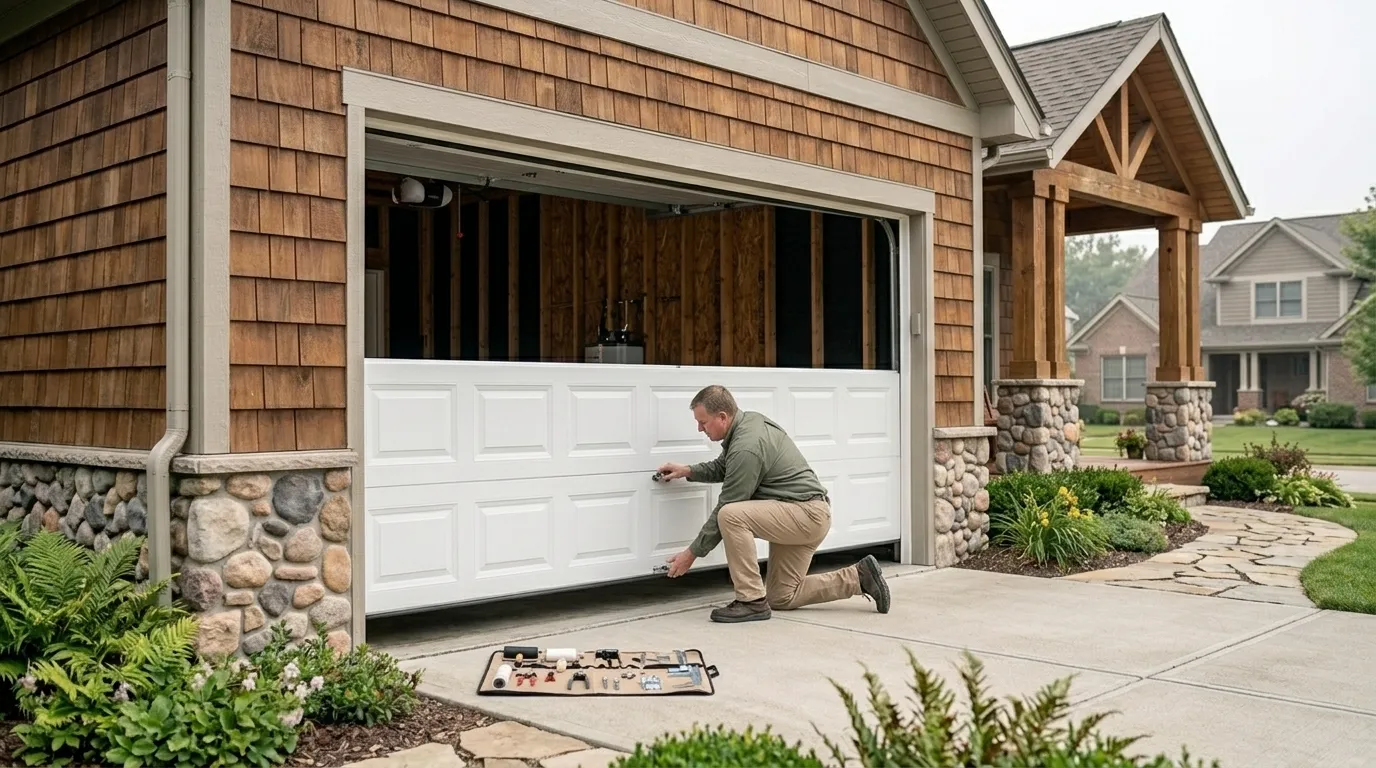
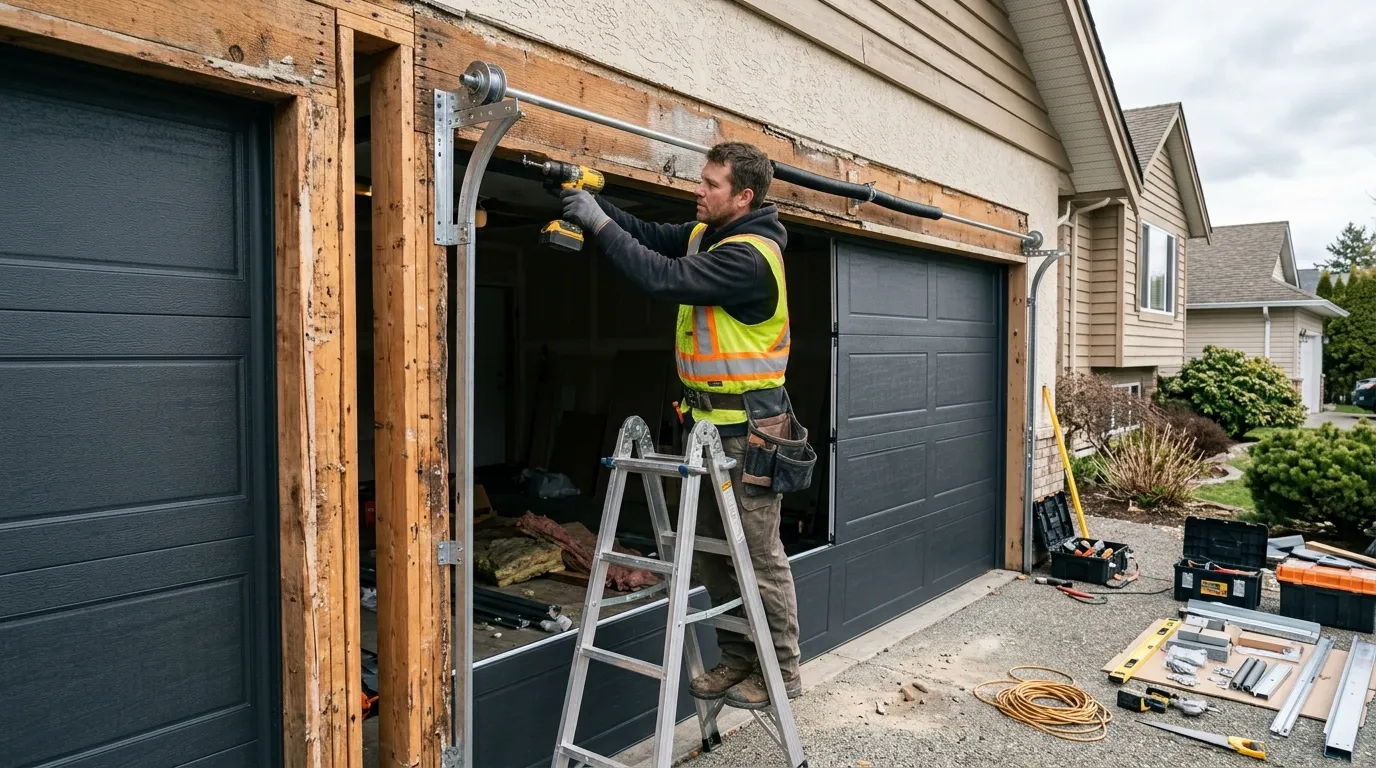
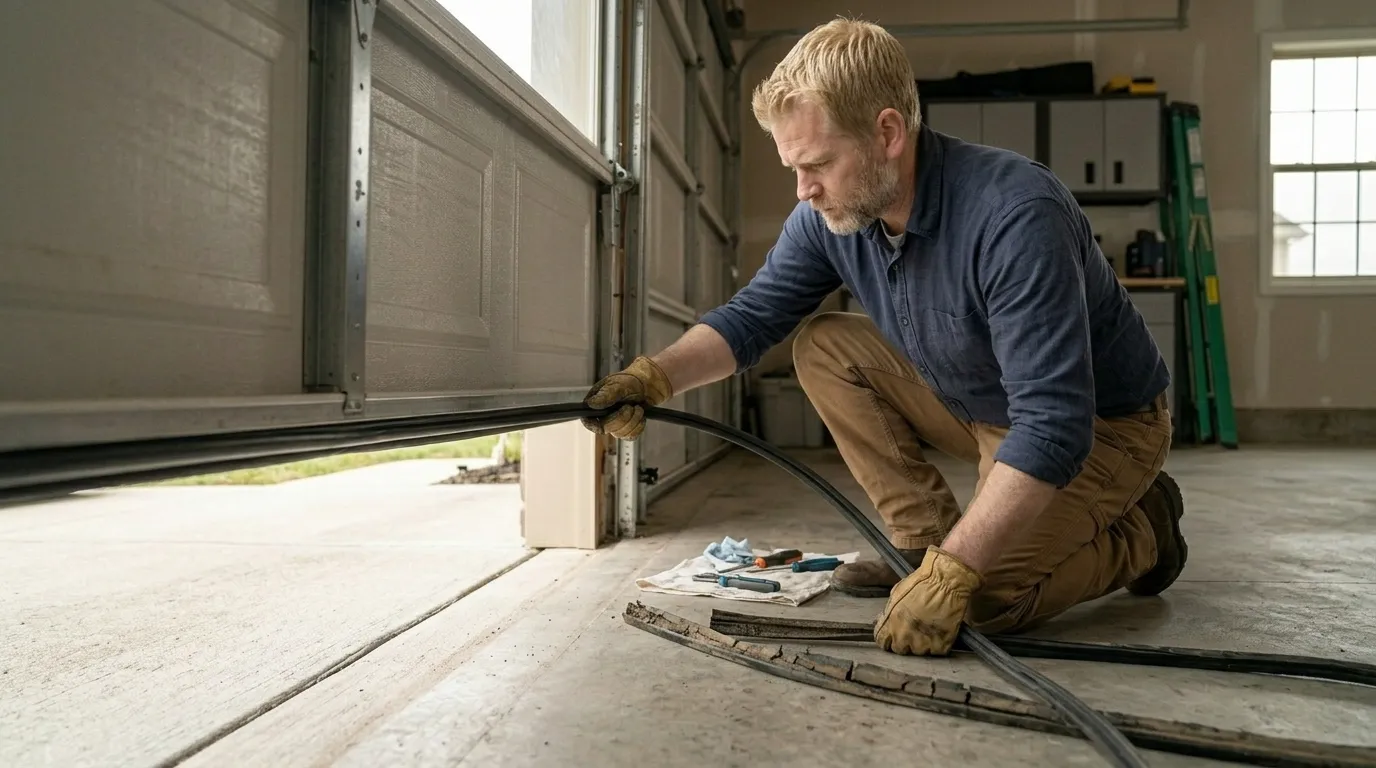
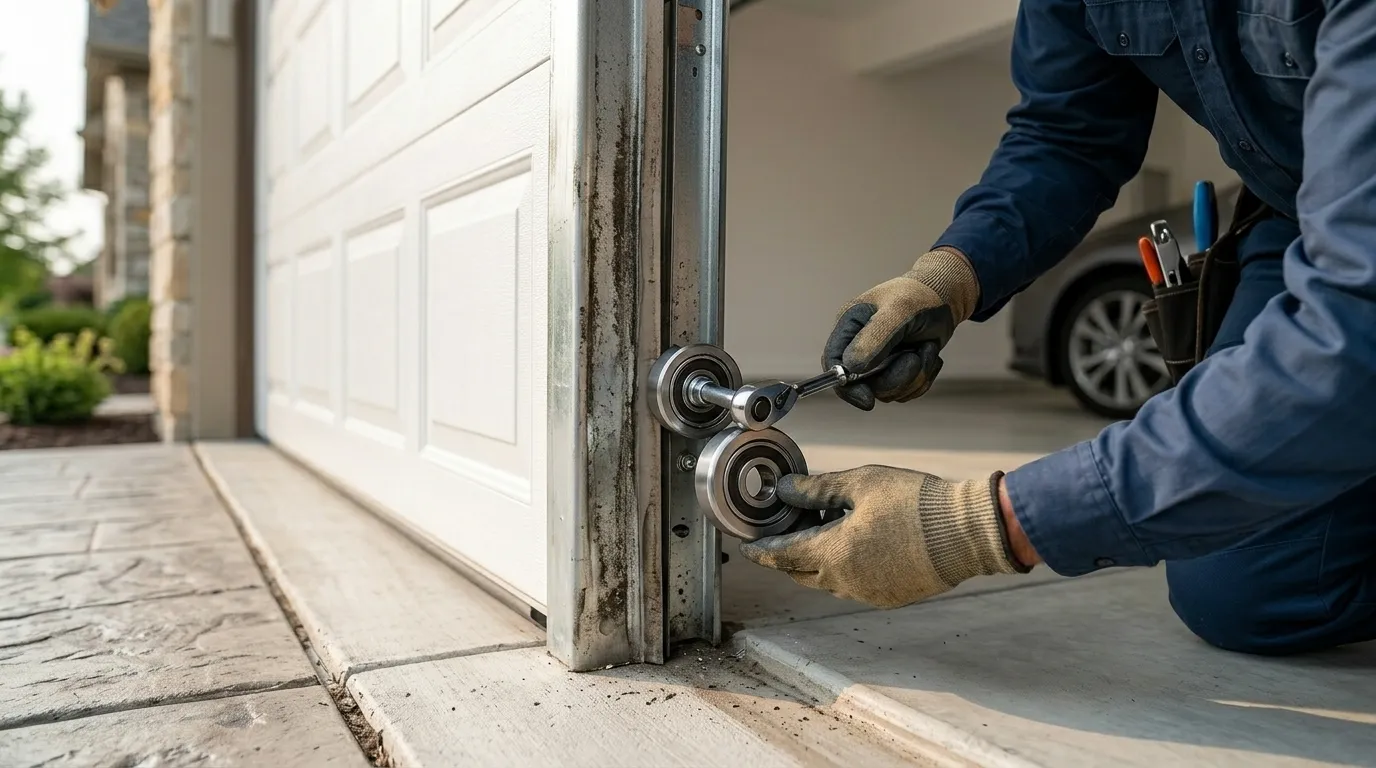
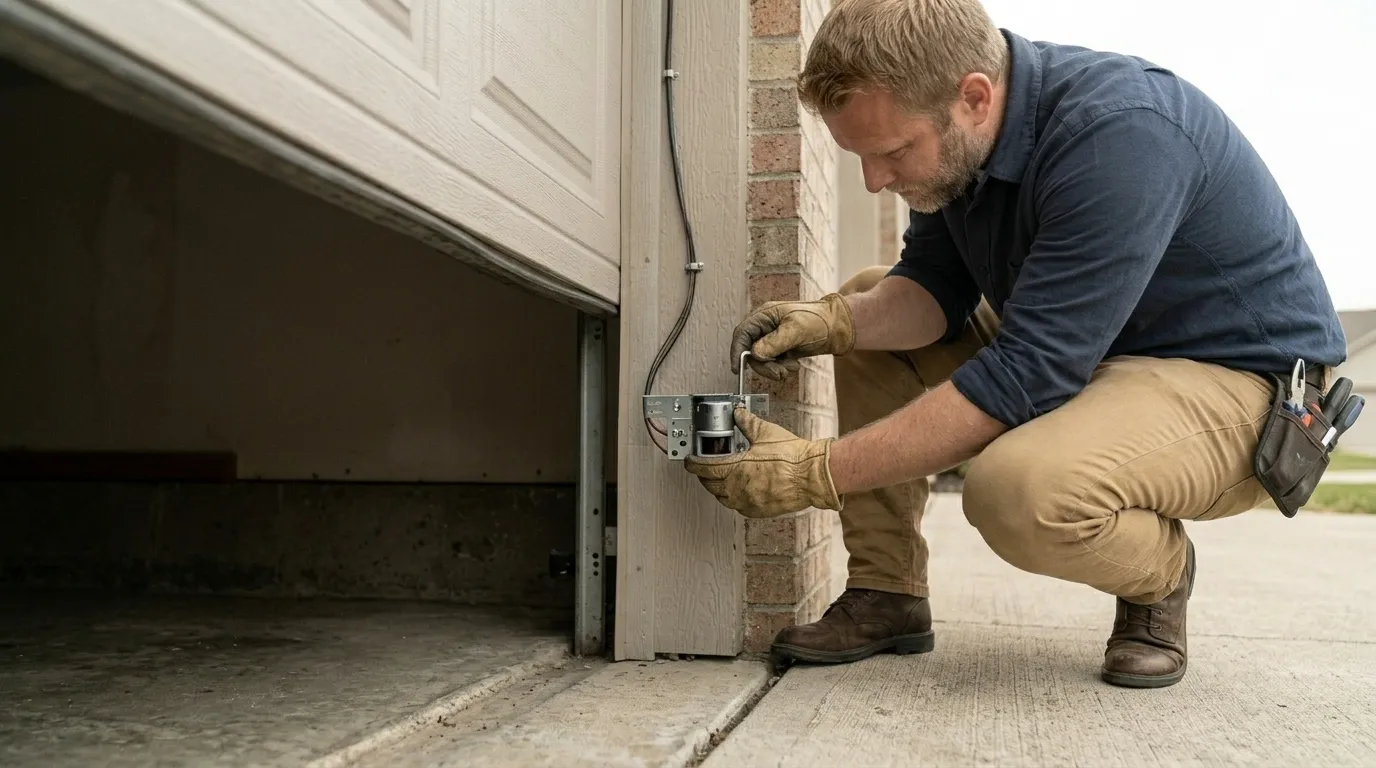
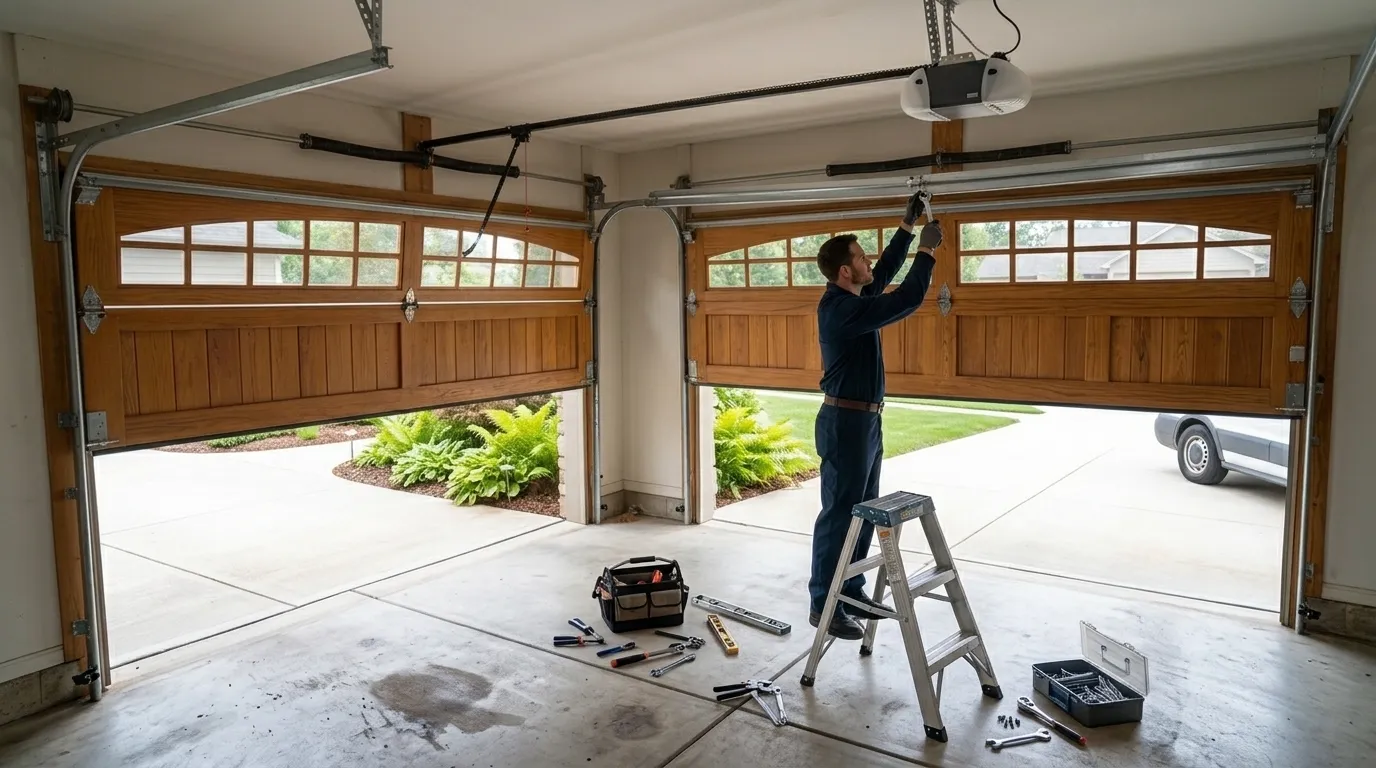
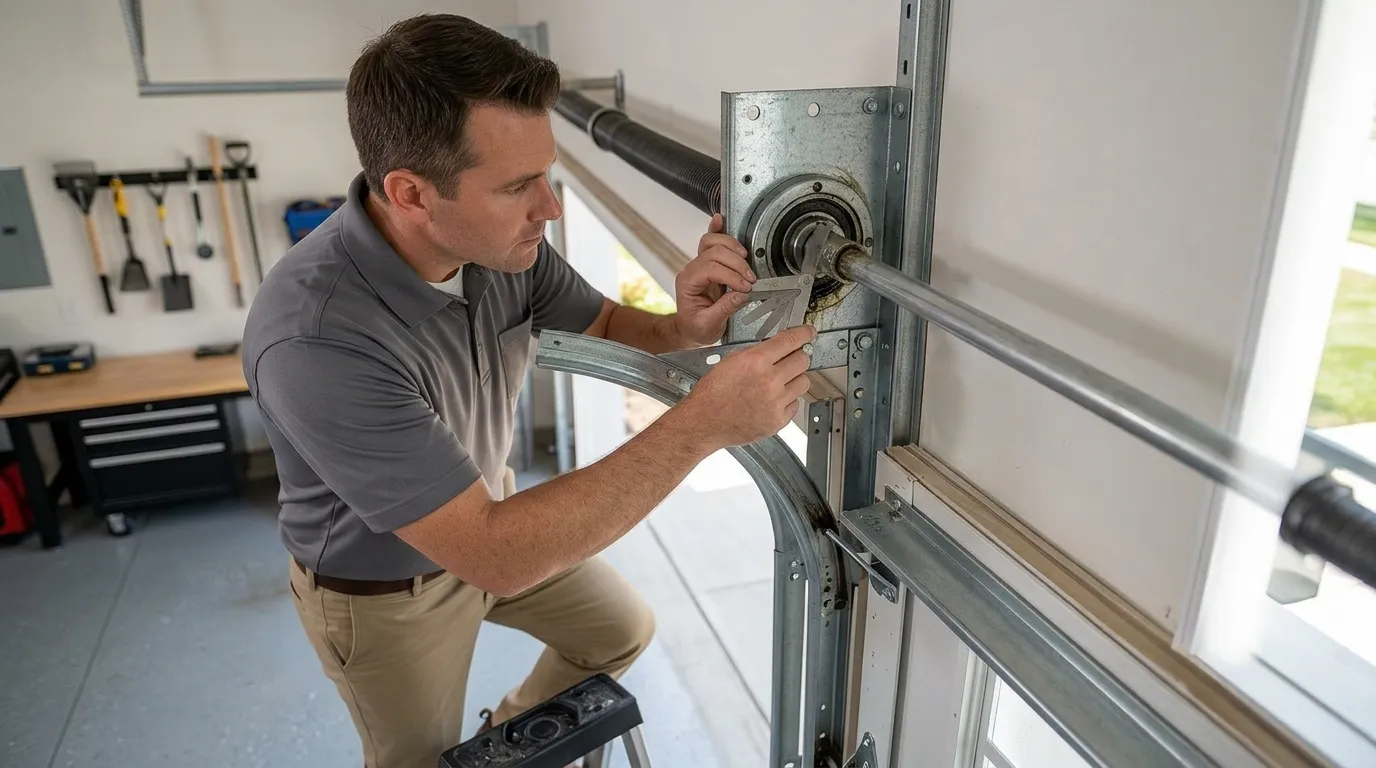
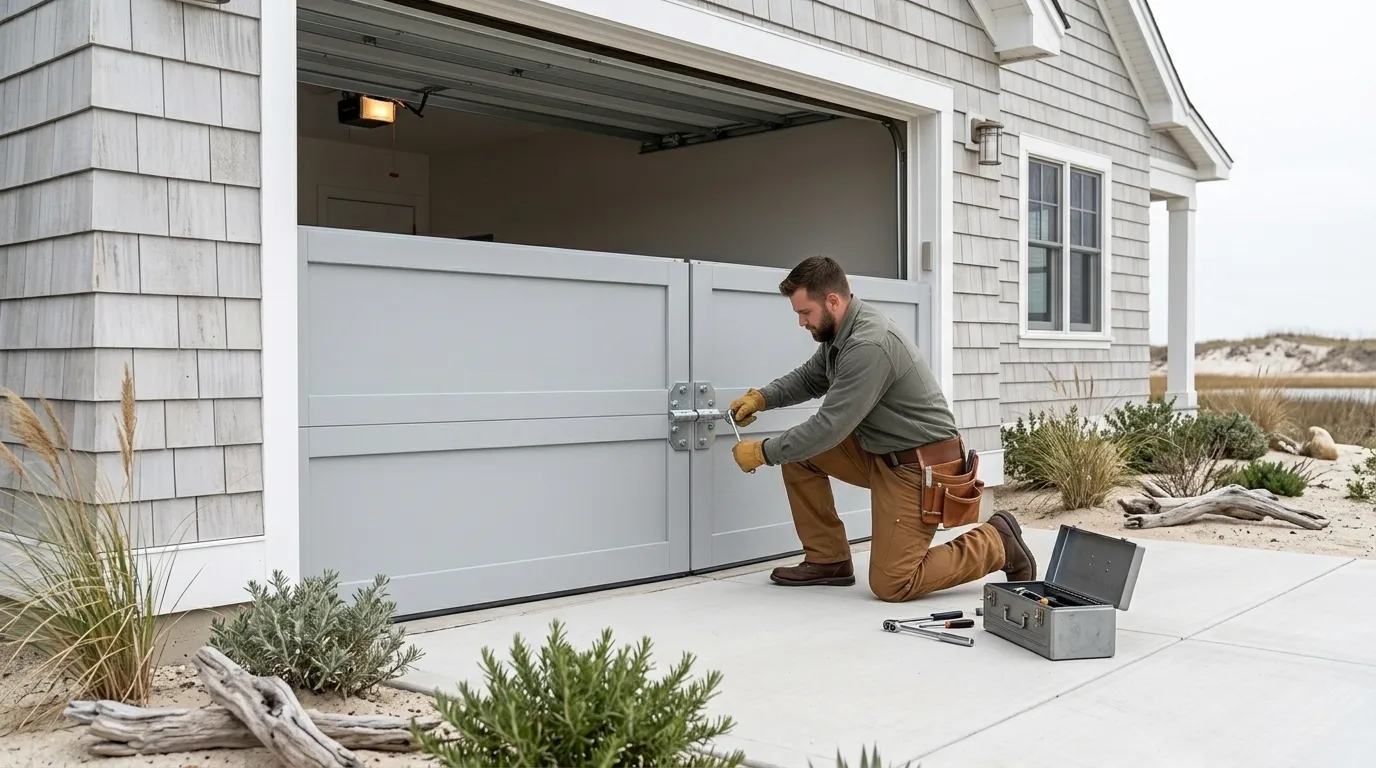
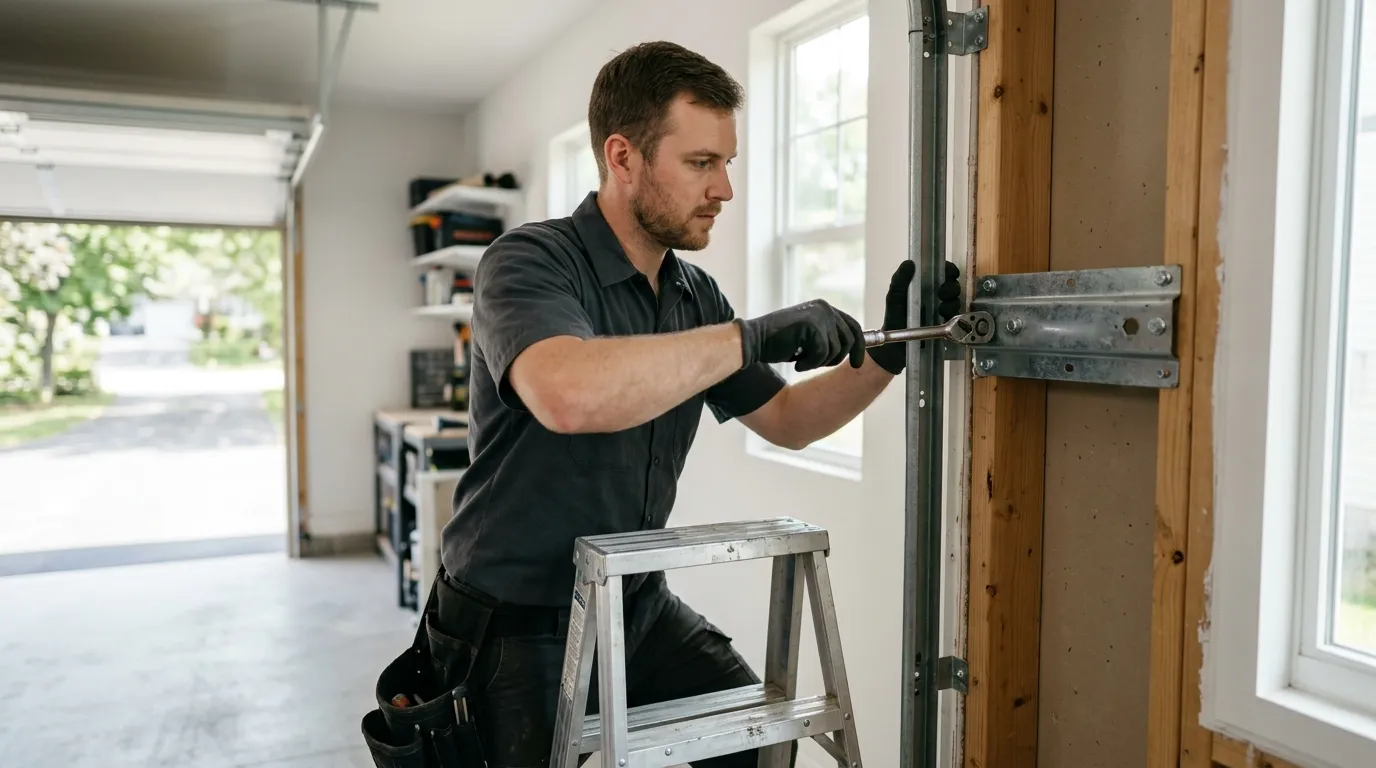
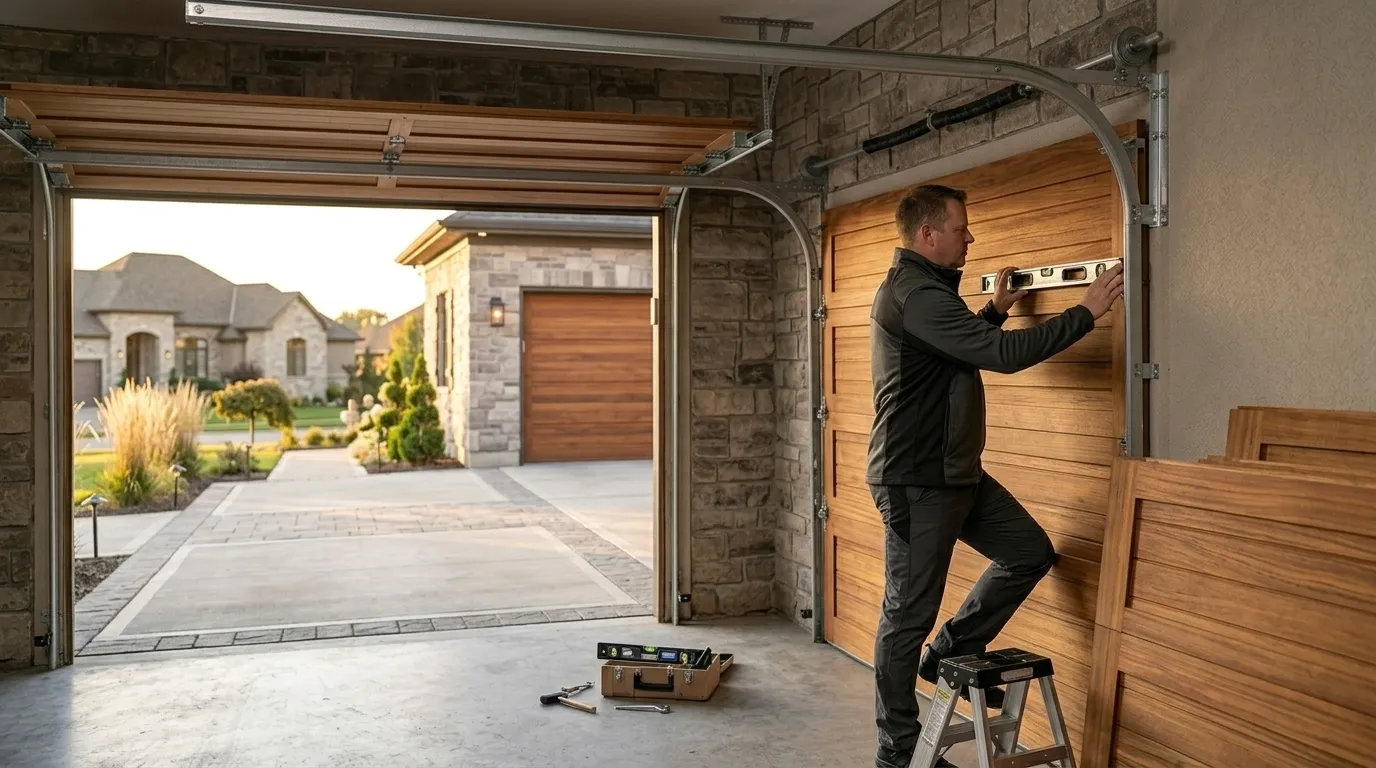
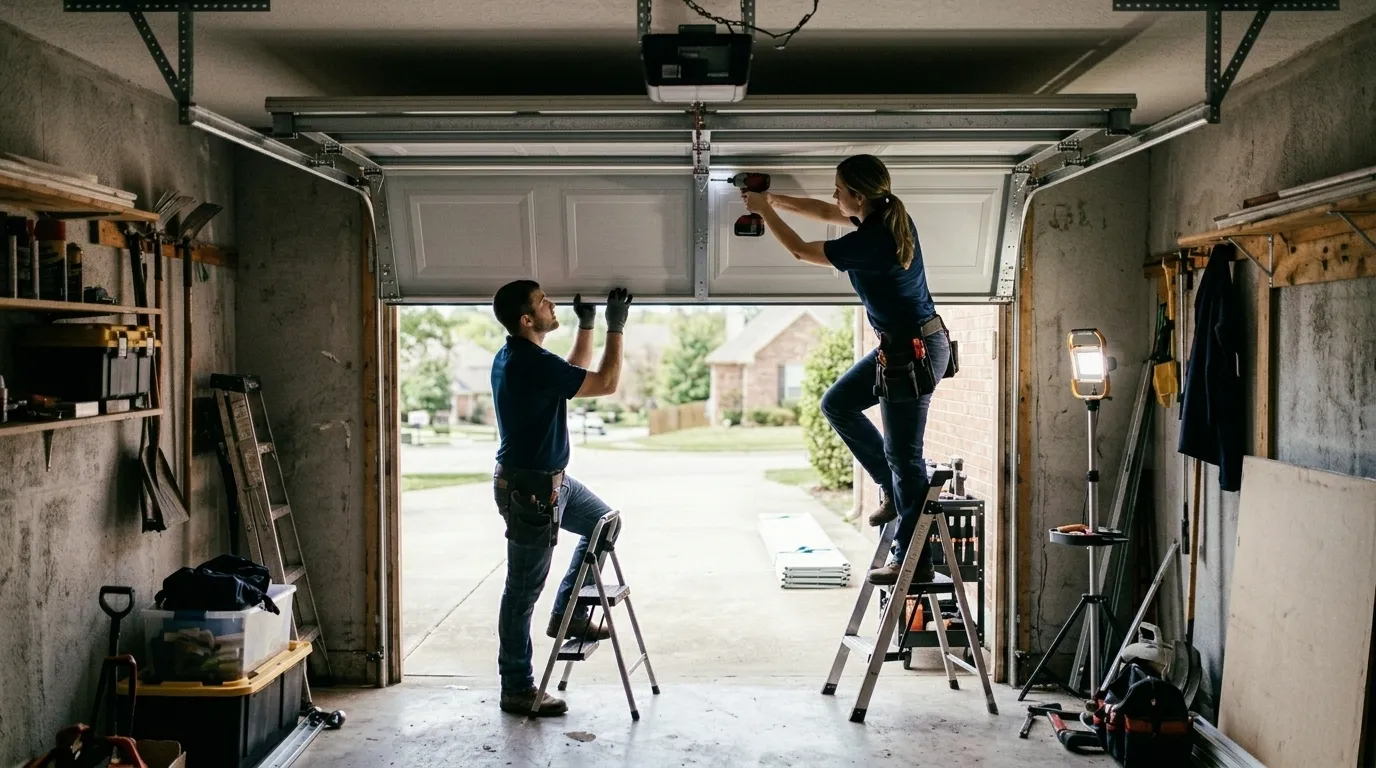
Winters here get cold enough that steel tracks contract and grease stiffens, and that's when a marginal spring or a worn roller finally quits - often on the coldest morning of the stretch, not gradually. If your door has gotten heavy to lift by hand, or the opener strains and reverses partway up, that's usually a spring losing tension rather than the opener failing. We'll check spring wind, roller wear, and track alignment before we touch the opener itself, because replacing an opener motor won't fix a spring problem and just costs you twice. One limitation worth saying plainly: if the door itself is original and the track hardware is decades old, sometimes the honest call is replacement over another patch repair, especially once a bent track has already been straightened once. We'll tell you when that math doesn't favor another repair, even though a repair is the easier sale.
The Housing Here
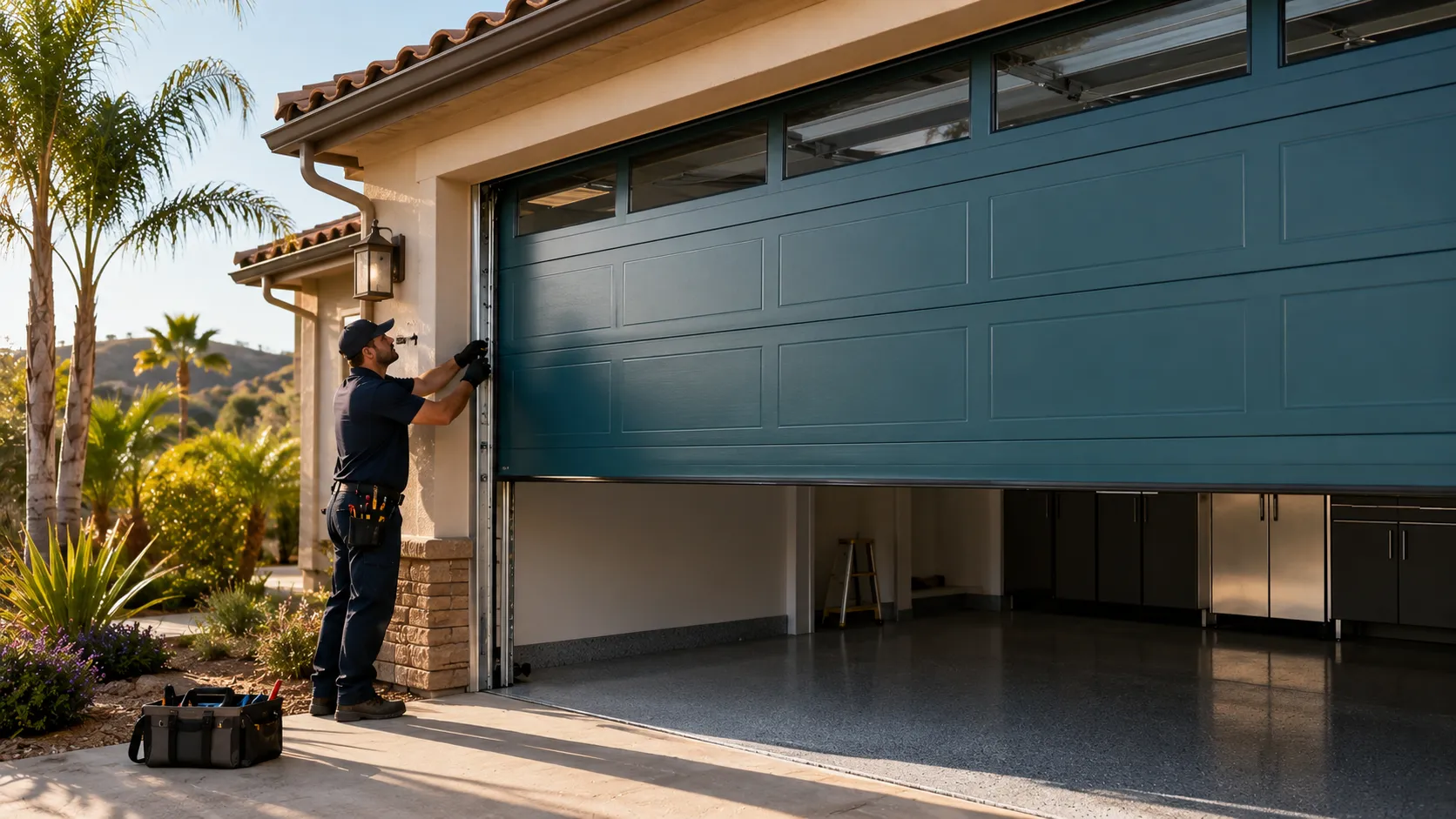
Academy Acres North is inside a service area where housing mostly went up between 1968 and 1999, with the typical build year around 1979, and it's one of the areas on this side of the city where 1960s-70s stock still dominates the block. That means original hardware is common - steel doors with side-mounted torsion springs, sometimes a chain-drive opener from a later retrofit rather than the house's first install. Across the wider service area there are roughly 33,690 households and about 22,430 owner-occupied houses, with median household income near $72,188, which tracks with what we see on calls out here: owners who want the door fixed right rather than swapped for the cheapest option, but who also want a straight answer on whether the part still exists. On older one-piece and sectional doors from that build era, some hardware sizes simply aren't stocked anymore, and we'll say so instead of guessing a fix that won't hold.