
Having It Looked At
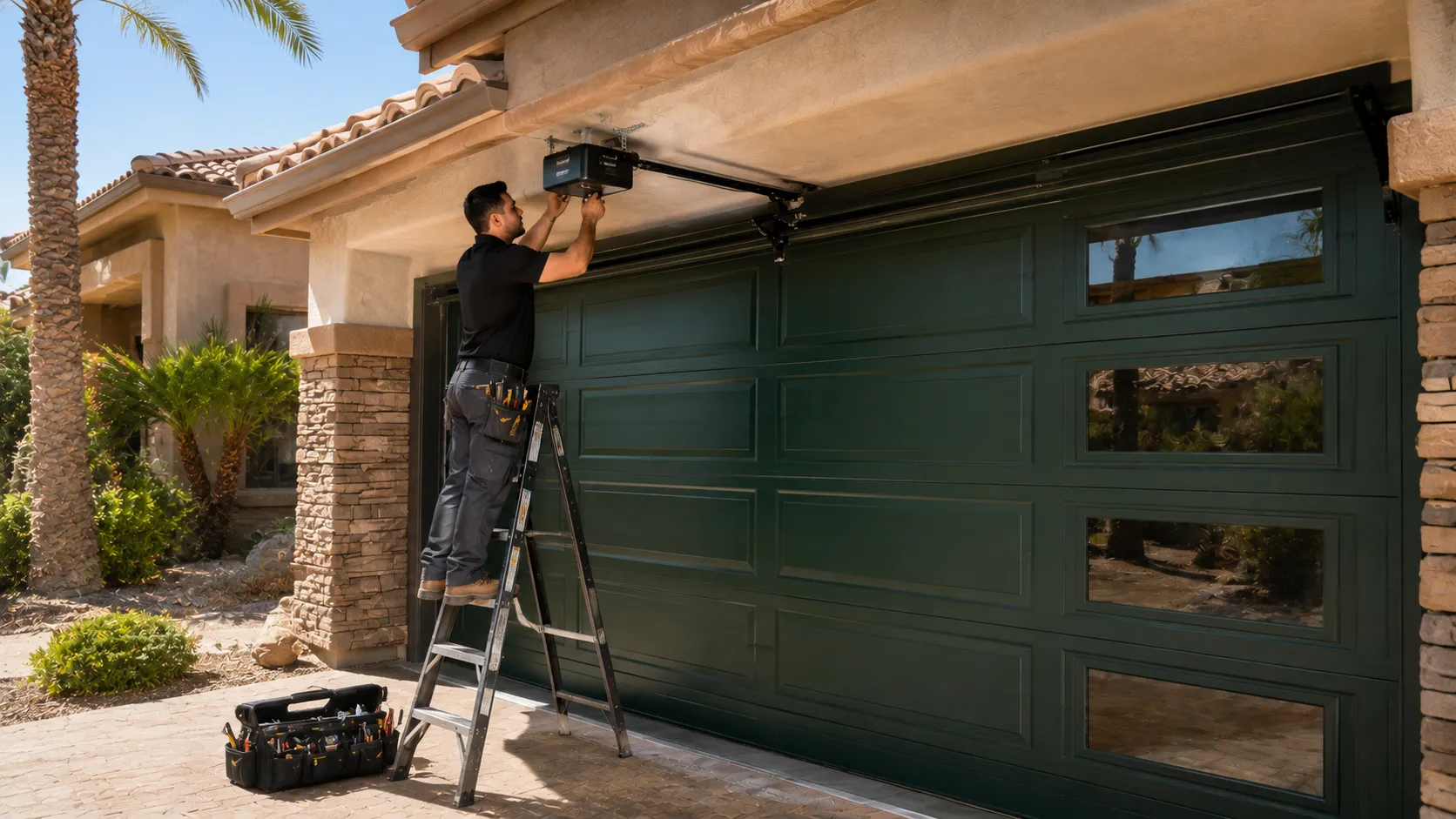
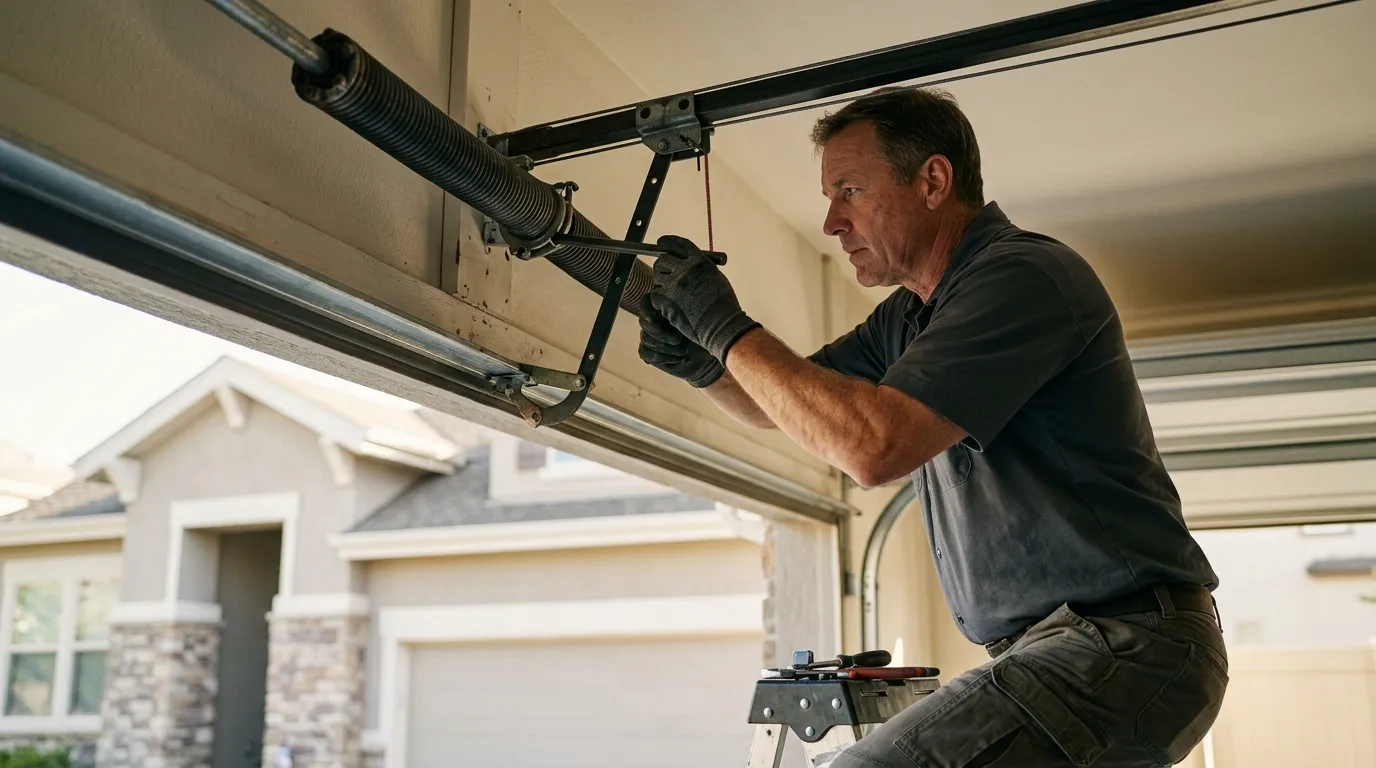
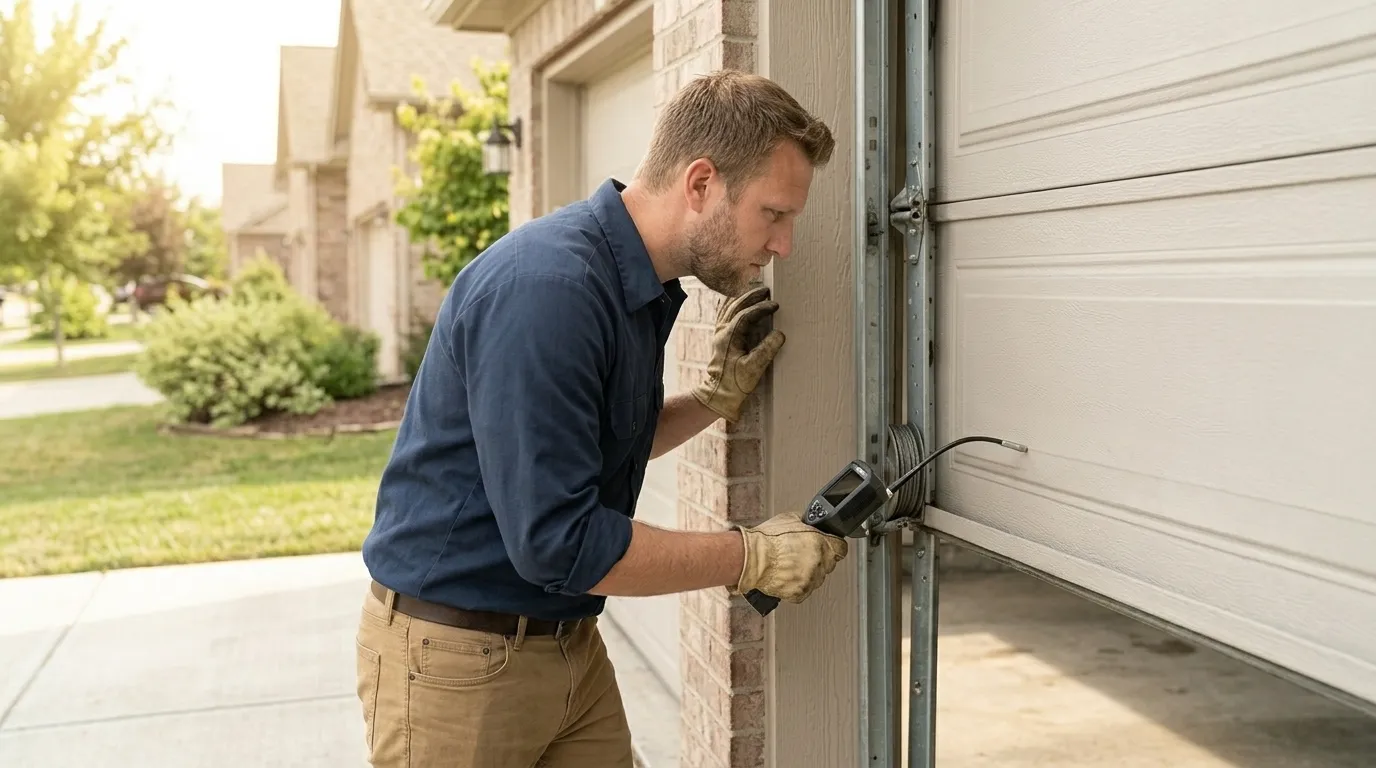
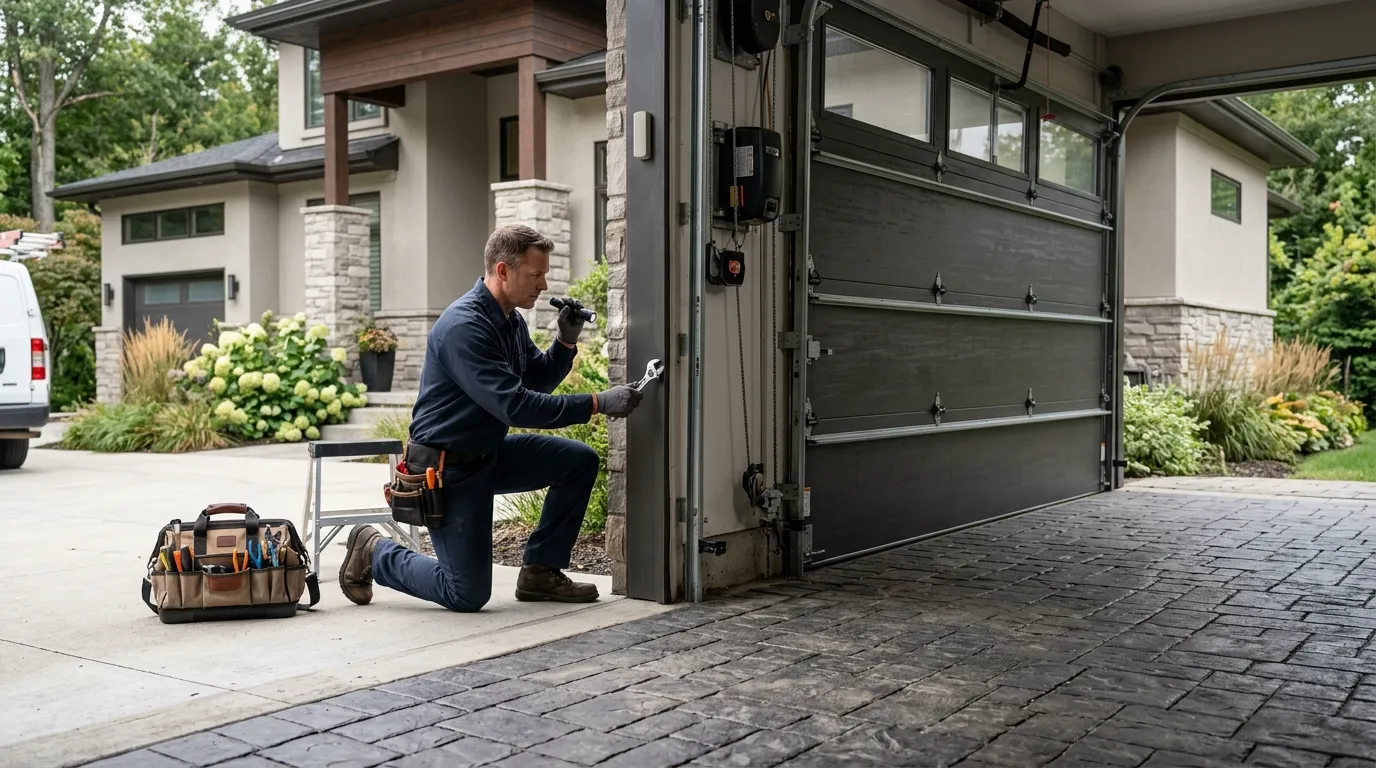
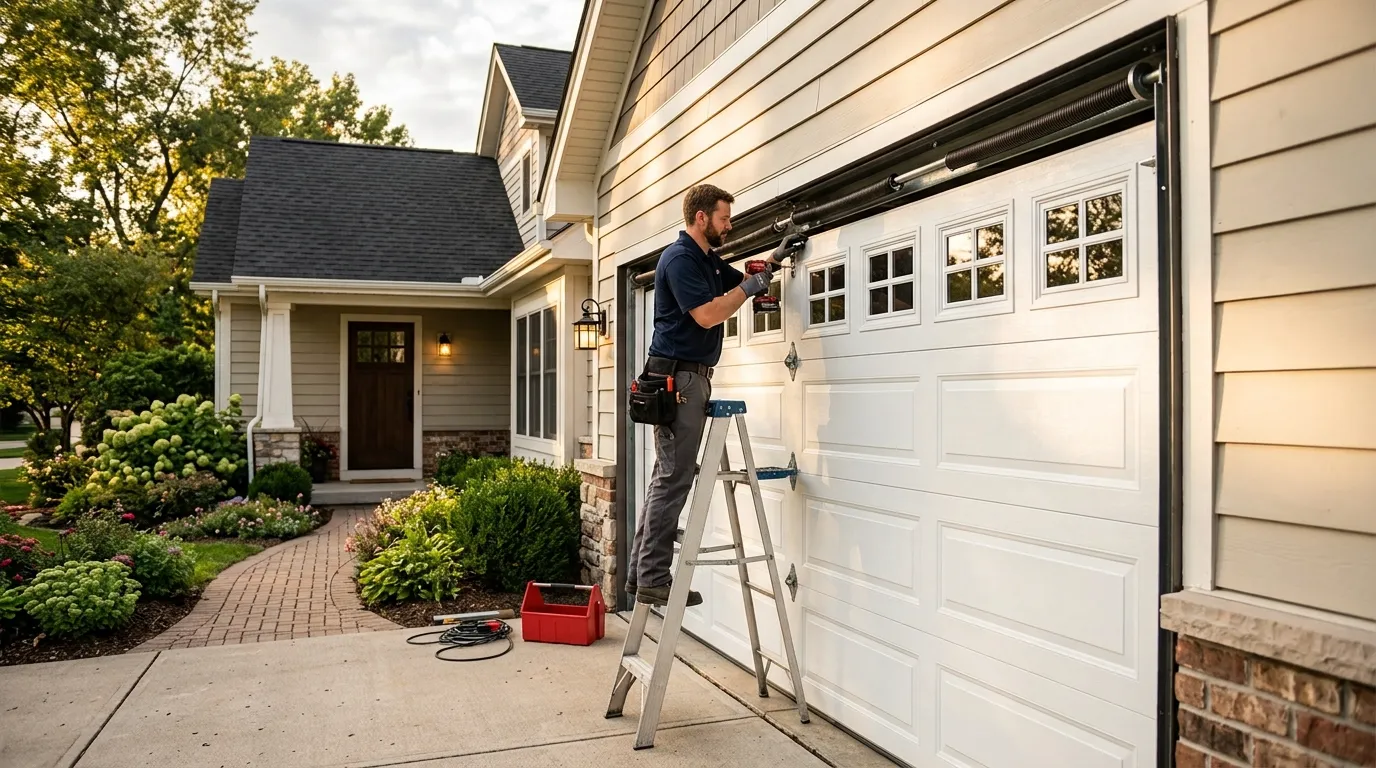
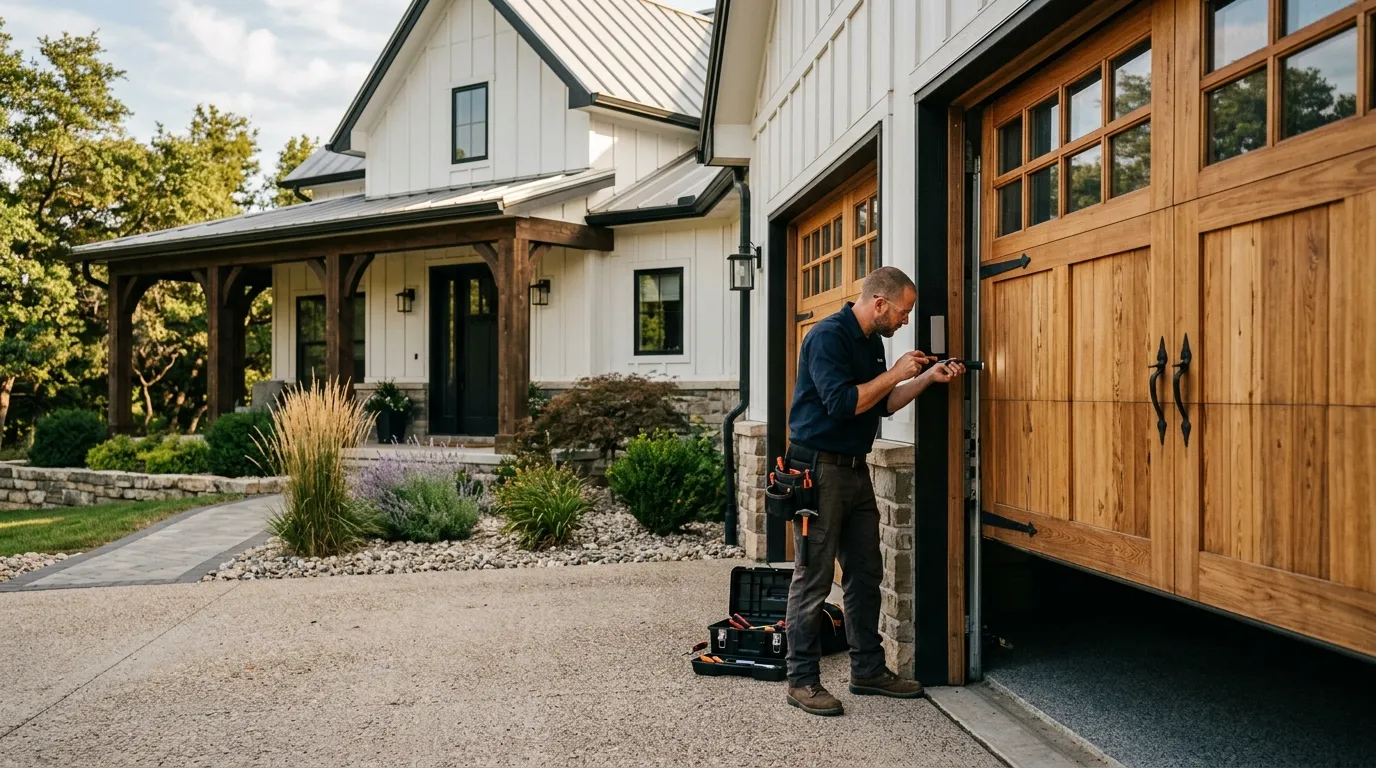
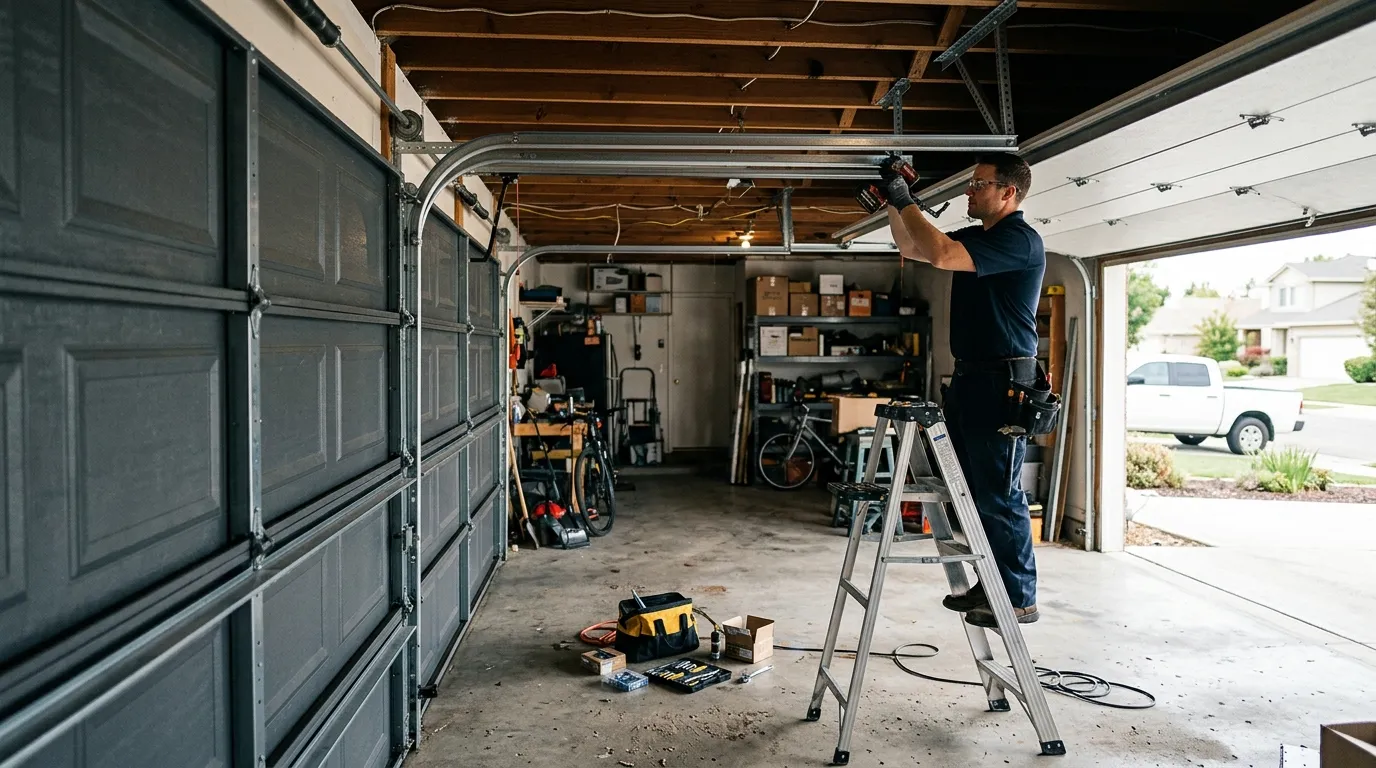
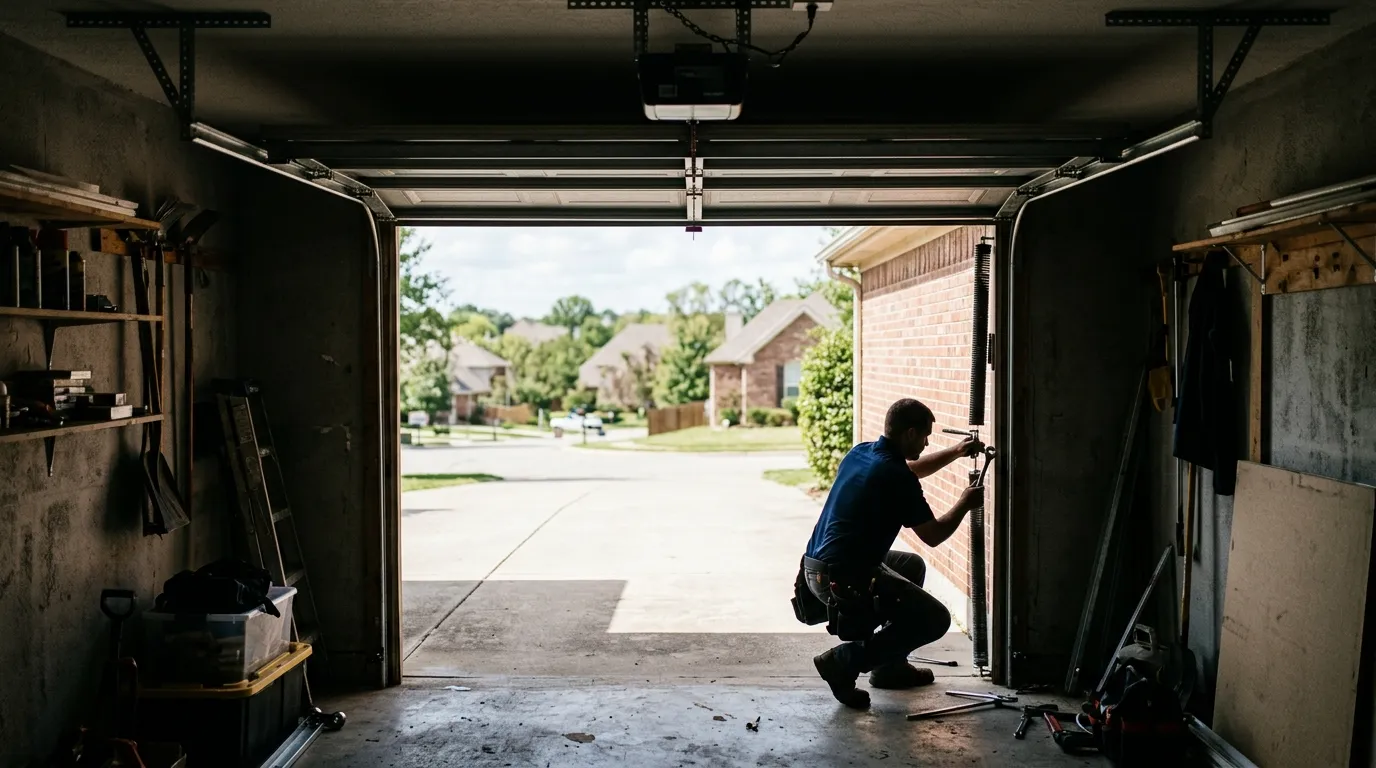
When we come out to a house in International District, we're checking the whole system, not just the part that's making noise. A door built in the 1968-1999 window this area falls into tends to have interconnected wear - a spring that's finally snapped often means the cables and rollers next to it aren't far behind, and an opener straining to lift a door that's gone heavy will burn out faster than one on a properly balanced door.
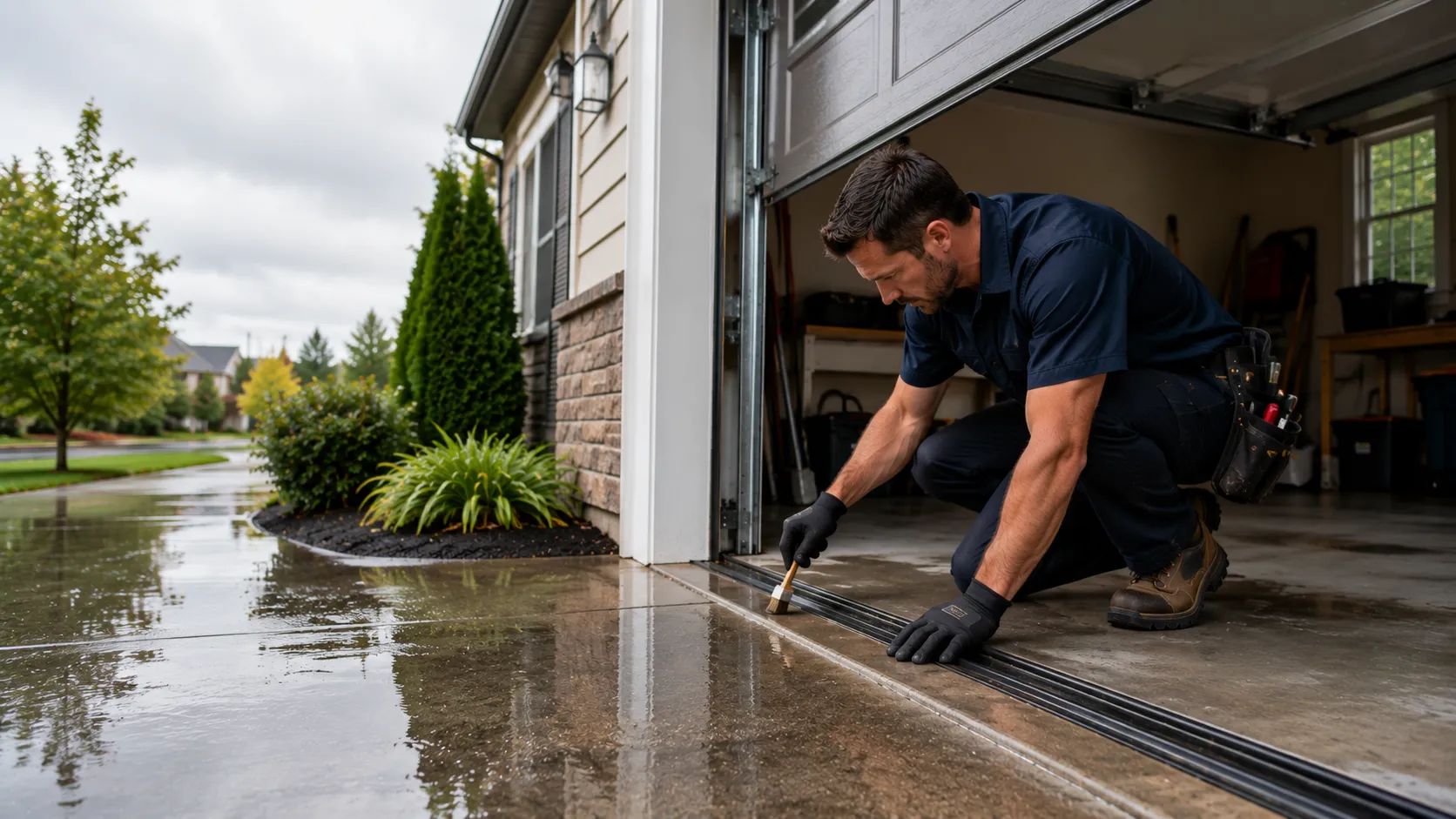
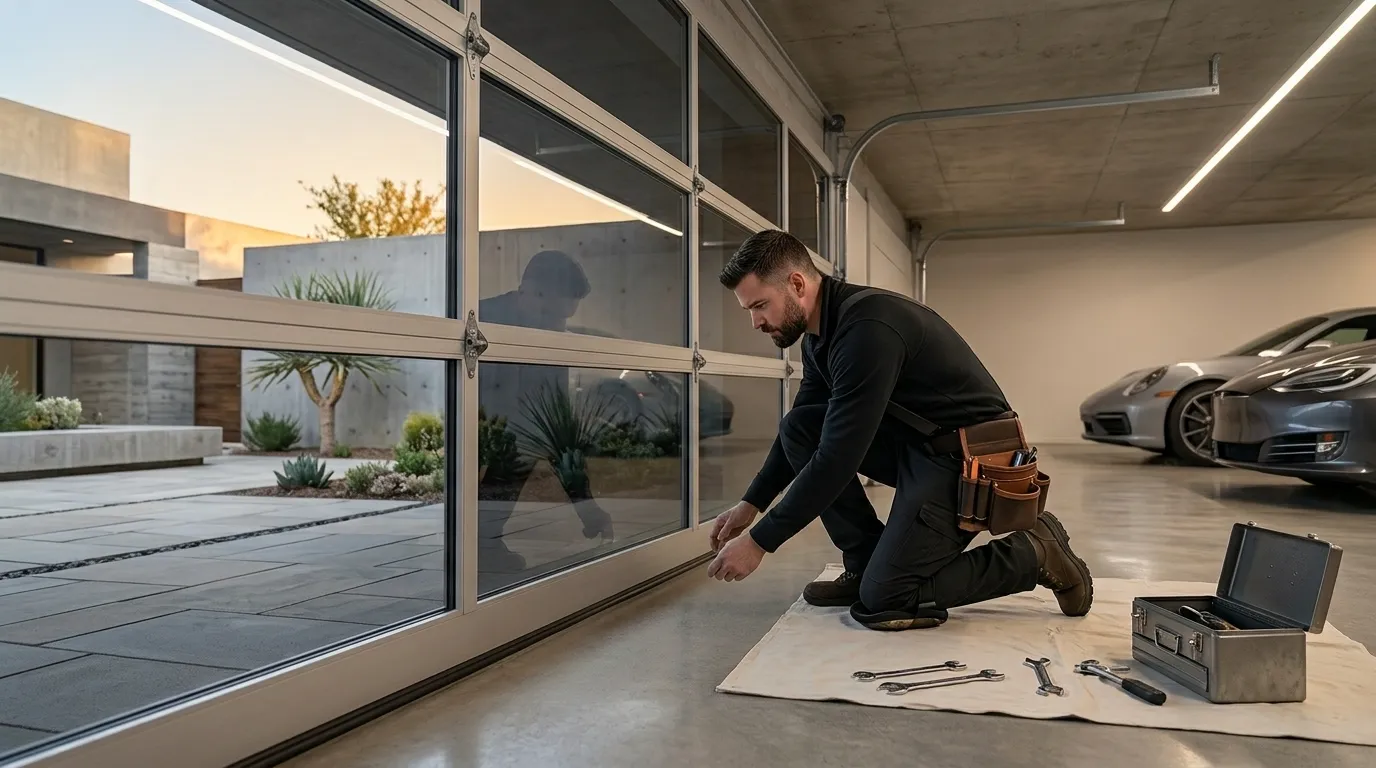
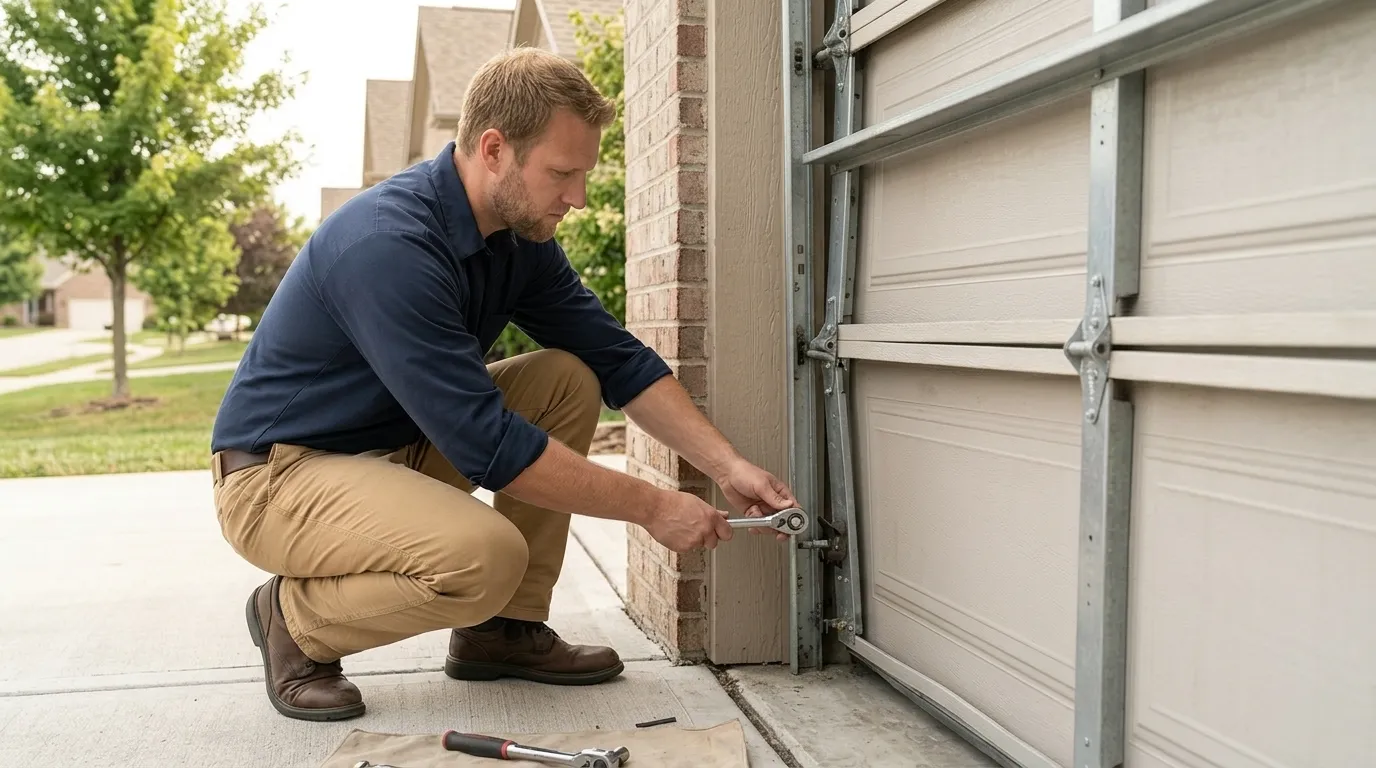
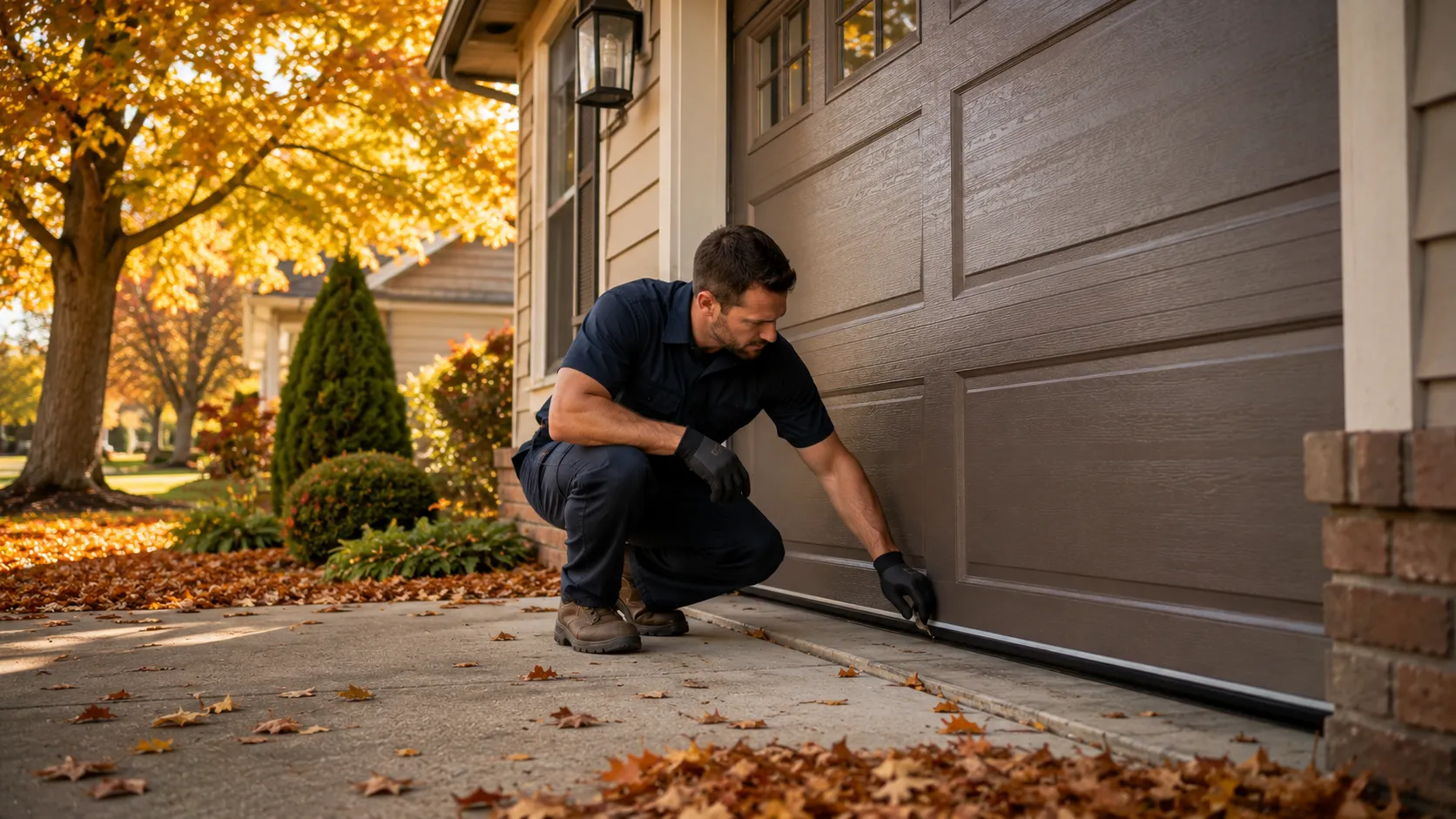
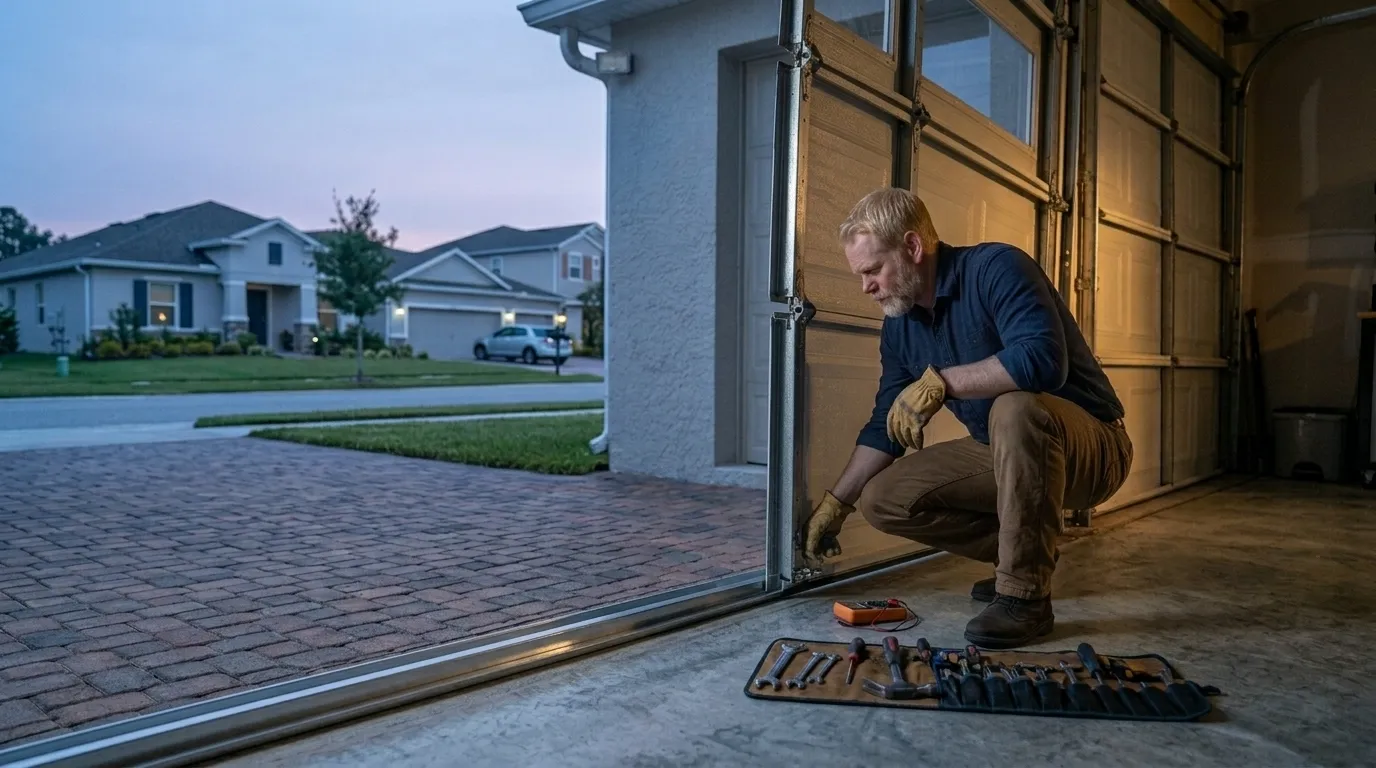
We test the balance by hand, look at the spring wind and cable condition, and check whether the track is still square to the opening. In a climate that runs cold through winter, garages that aren't heated see enough temperature swing that grease stiffens and metal contracts, which shows up as extra strain on hardware that was already near the end of its life.
Honest limitation: if a door is old enough and worn enough in enough places at once - spring, cables, rollers, and opener all near failure together - patching one part is a short-term fix. We'll tell you when replacement is the better use of your money instead of billing you for repairs that won't hold.
The Housing Here
Housing across the service area that includes International District was mostly built between 1968 and 1999, with a median build year around 1979, and the broader pattern across the 13 named areas we work in leans toward that same 1960s-70s stock. That era of construction means a lot of original garage hardware still in service decades past its intended life - torsion springs rated for a certain number of cycles that have long since been exceeded, and openers from a generation before today's safety sensors and rolling-code systems.
Across the service area there are roughly 33,690 households and about 22,430 owner-occupied houses, with a median household income of $72,188. That's a lot of owned homes carrying garage doors from the same rough building period, which is why we see the same handful of failure patterns over and over: springs that finally give out, openers that predate modern safety standards, and tracks bent from years of use.
We don't replace a door just because it's old if the hardware is still sound. But if a house here is still running its original 1970s-era spring and opener, it's worth having someone look before it fails on its own schedule instead of yours.