Having It Looked At
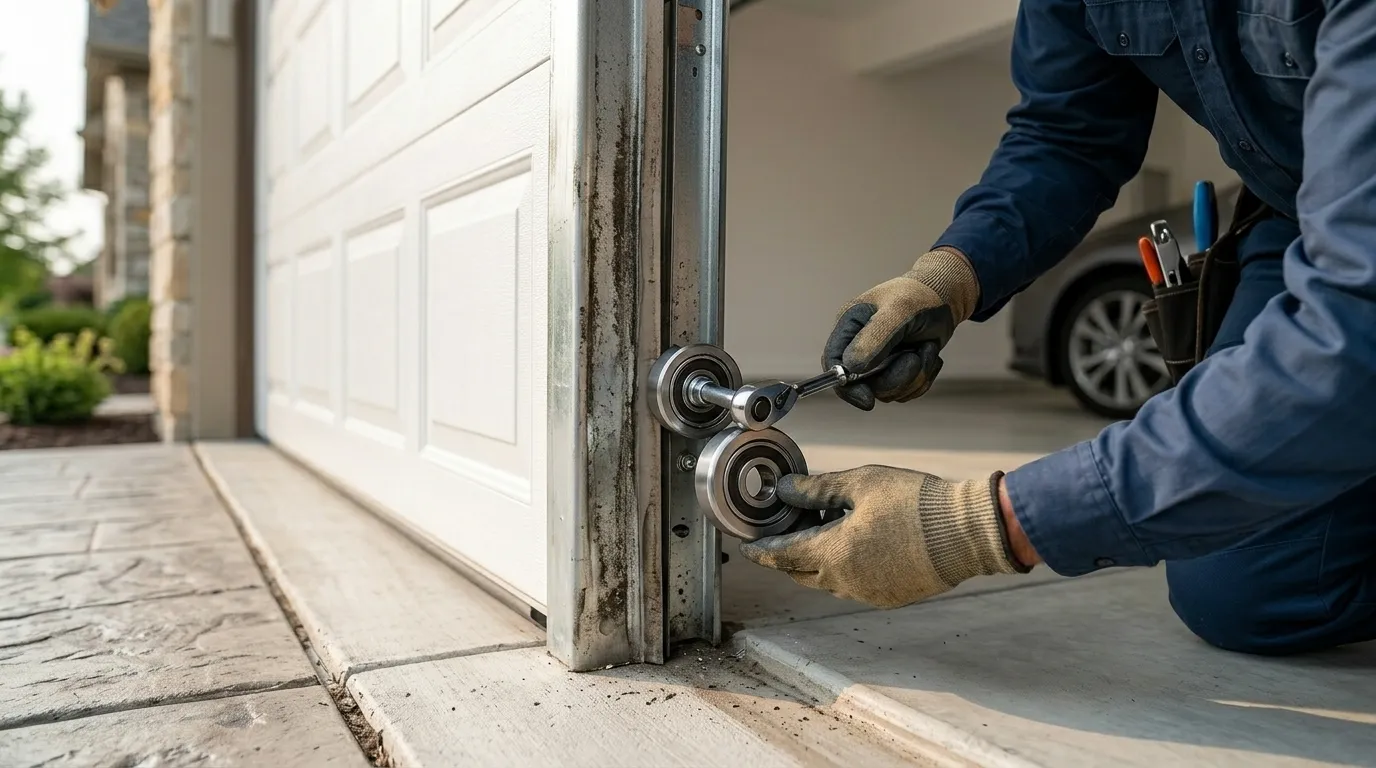
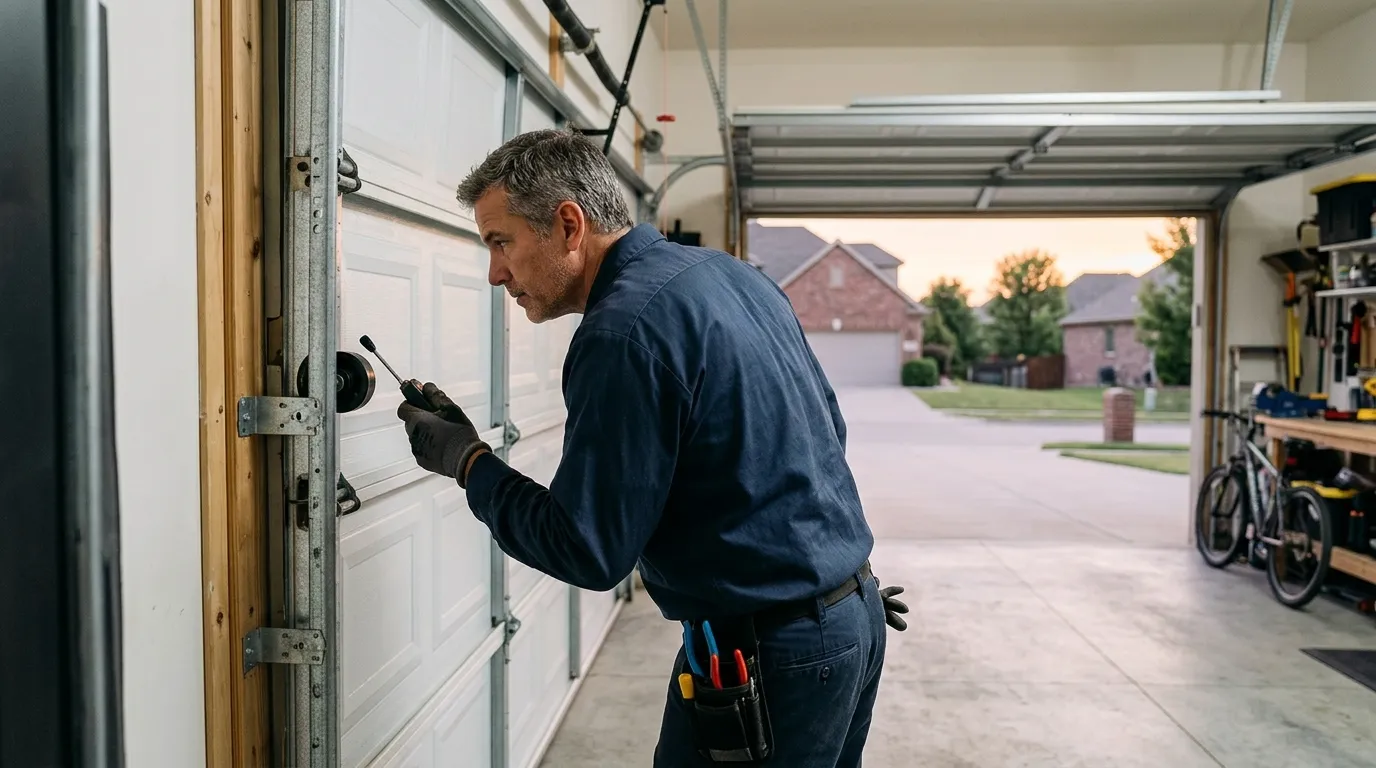
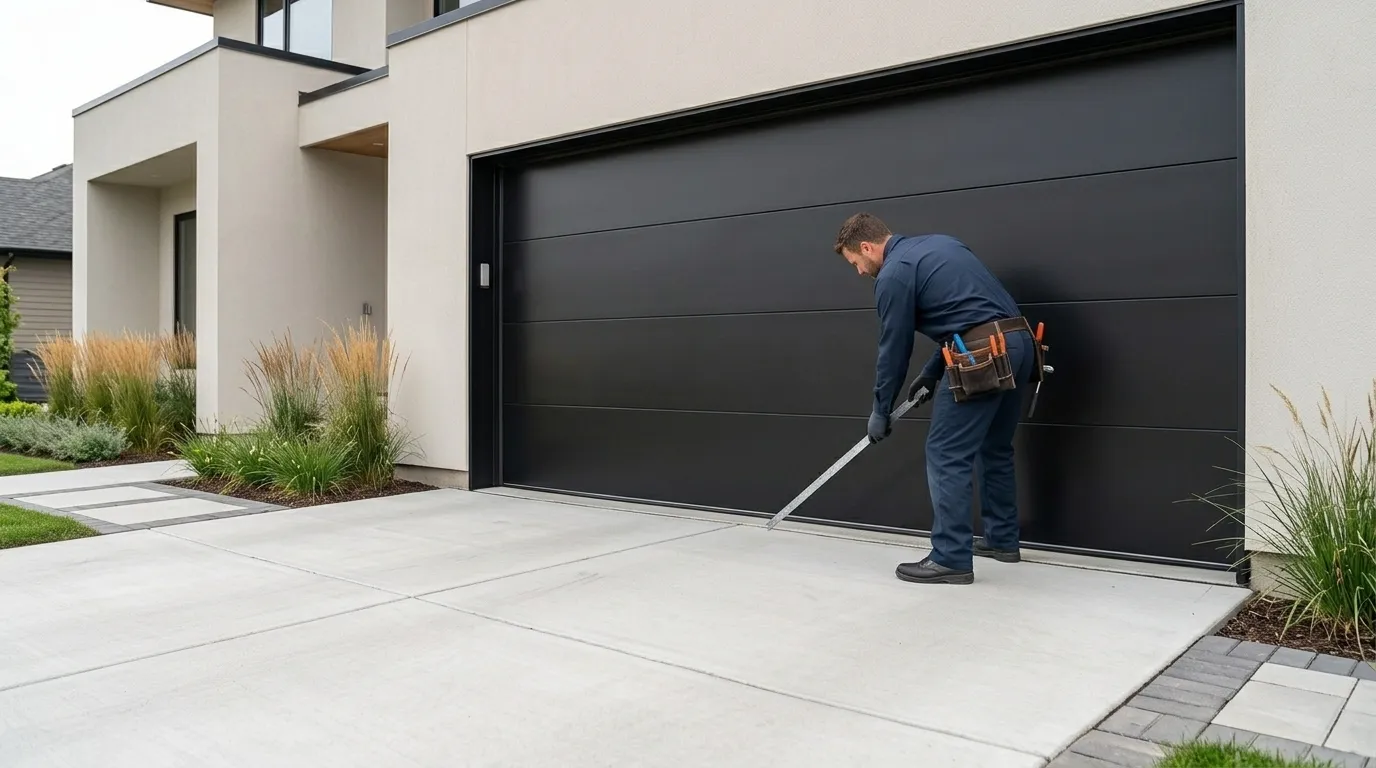
A lot of the calls we get from this stretch of the city start the same way: the door worked fine yesterday, and today it either won't open or it's making a noise nobody wants to hear twice. Given the age of housing typical to this part of Albuquerque - F1 and F2 both point to a wave of construction that ran from the late 1960s through the 1990s, with the bulk of it landing around 1979 - the springs, cables, and tracks we find are usually original or one replacement removed from original.
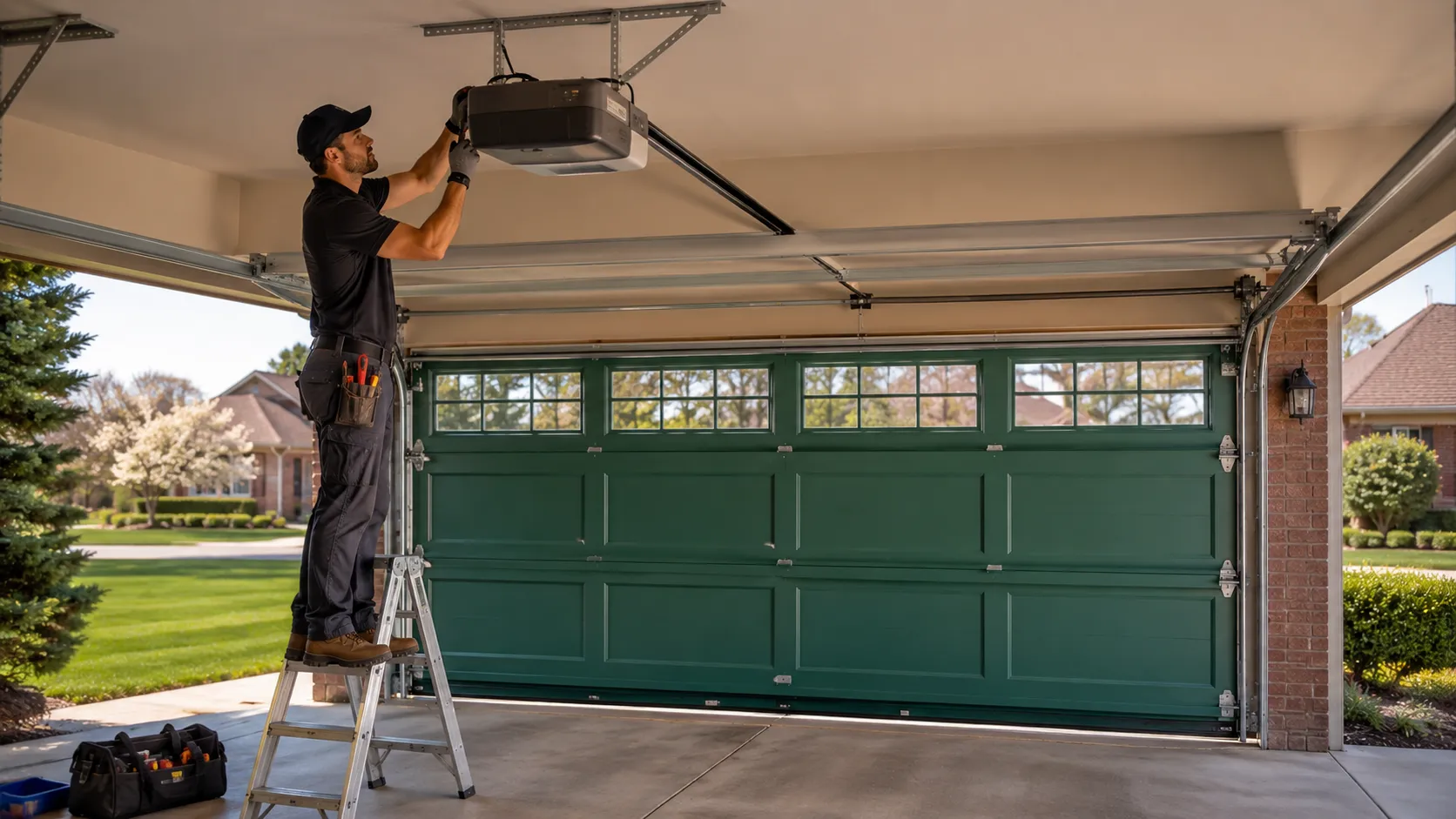
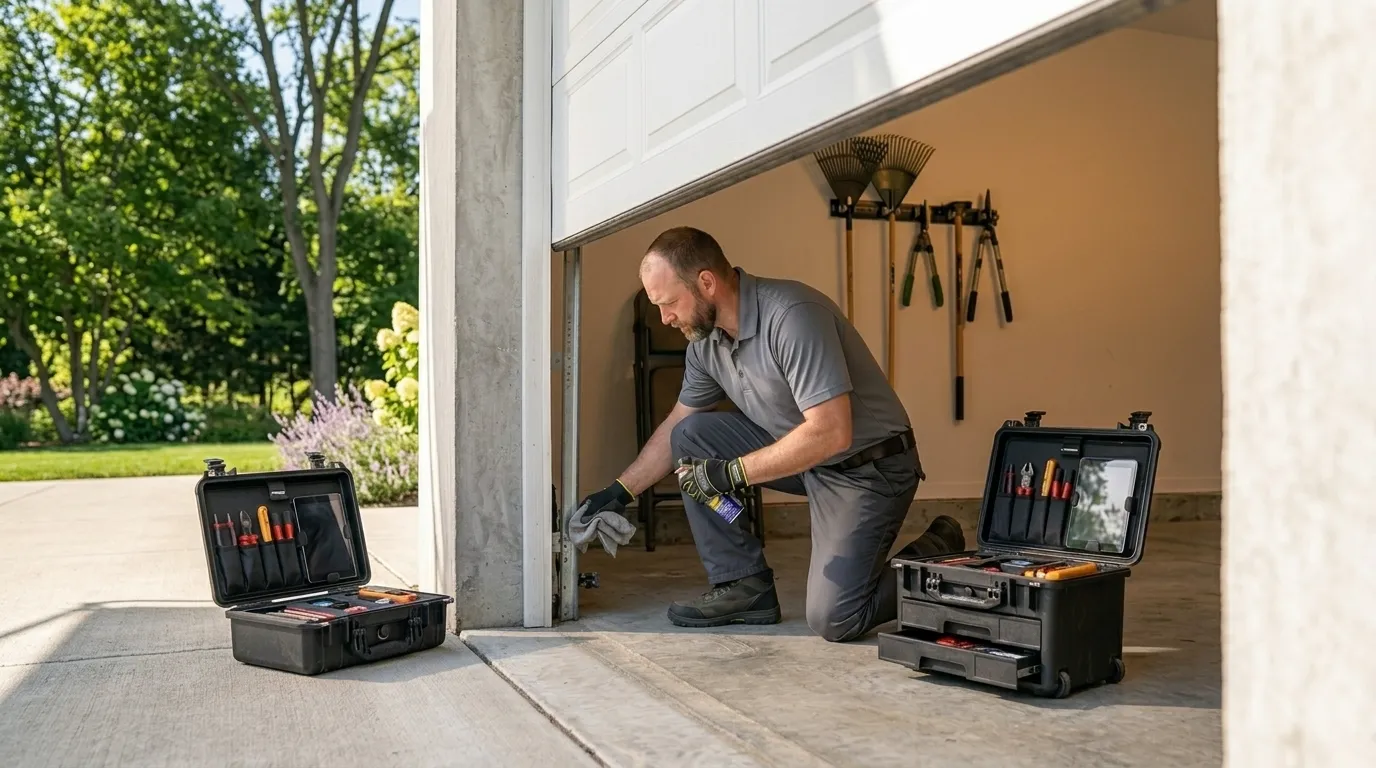
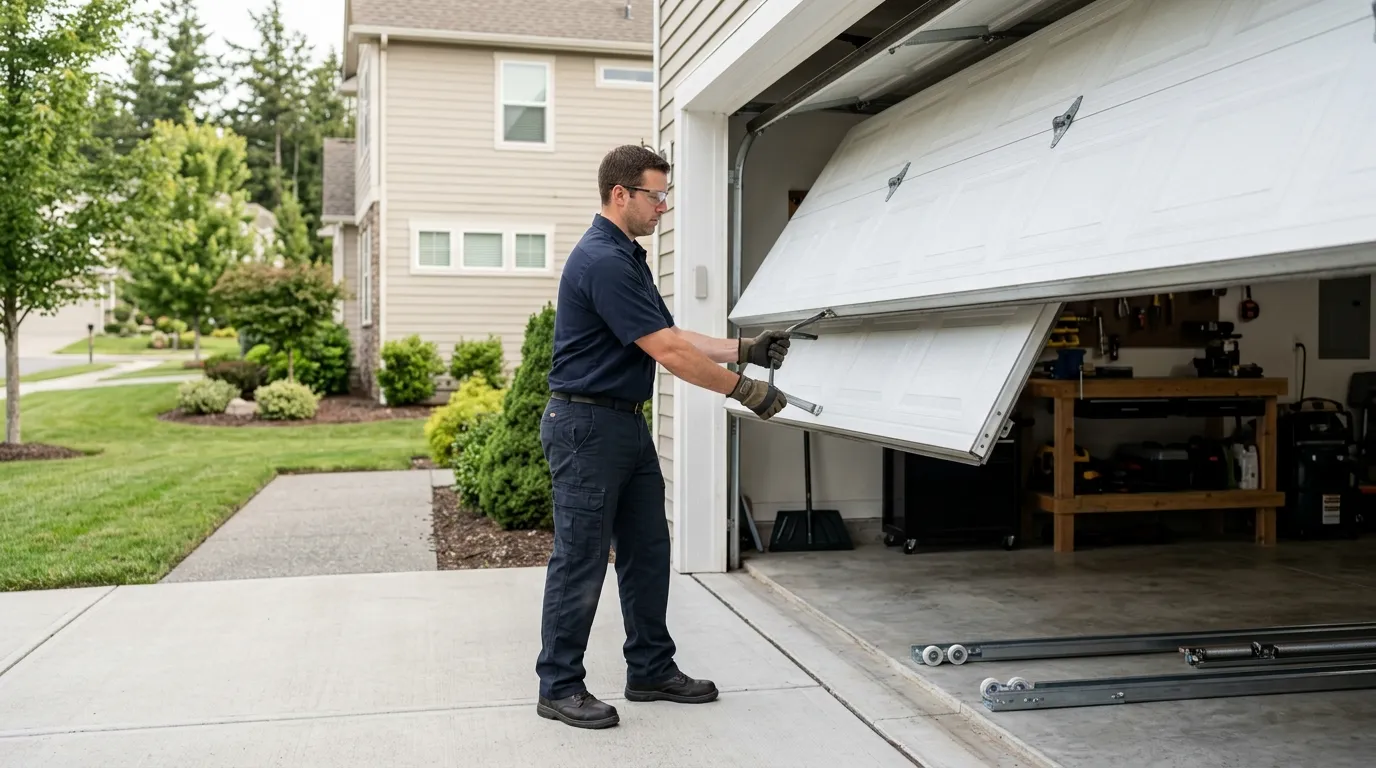
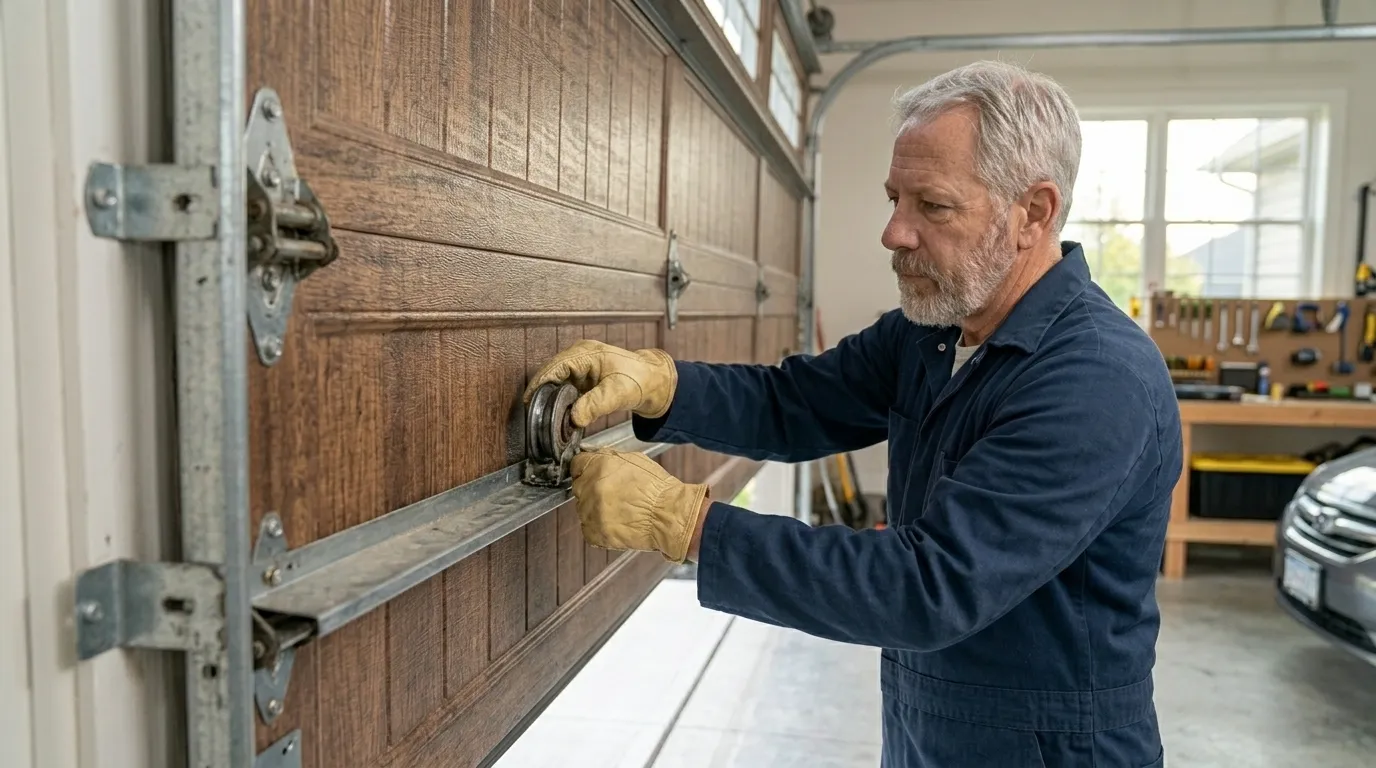
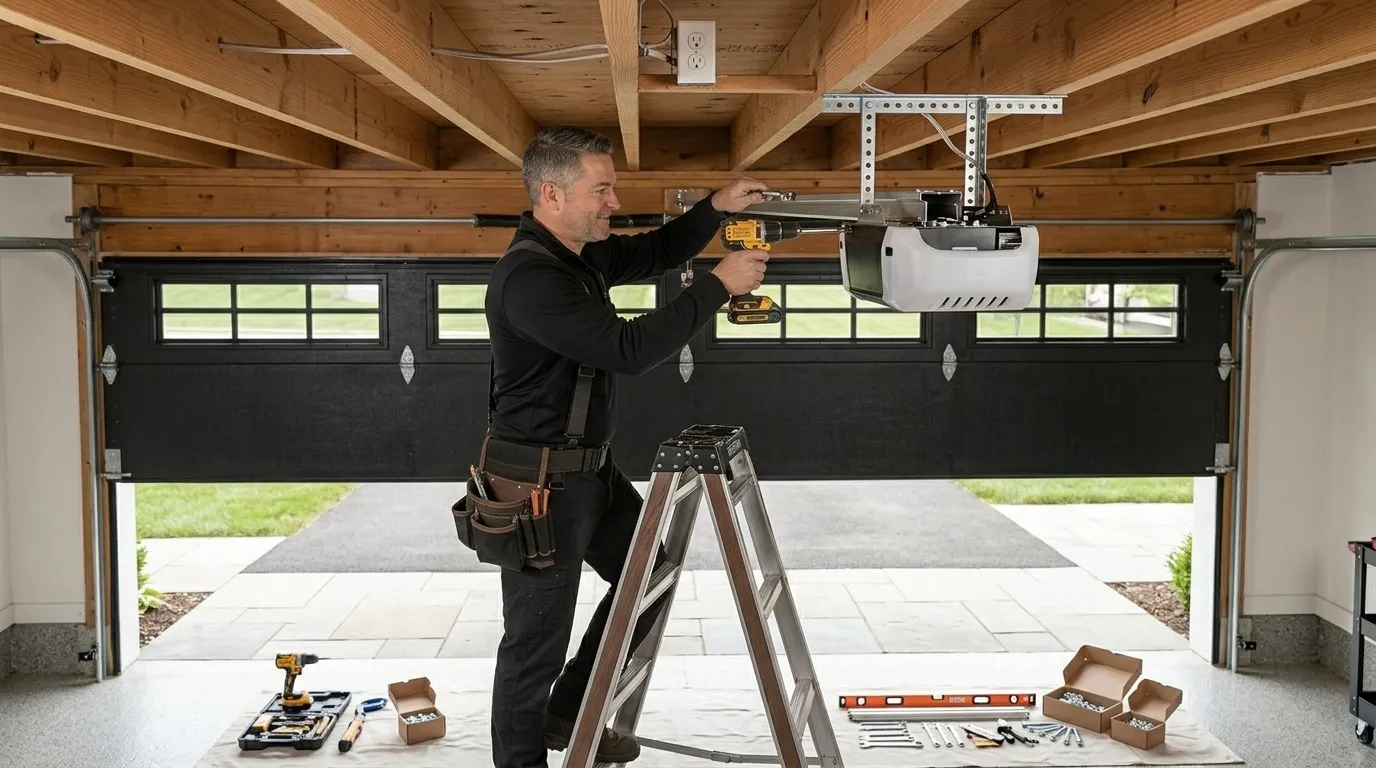
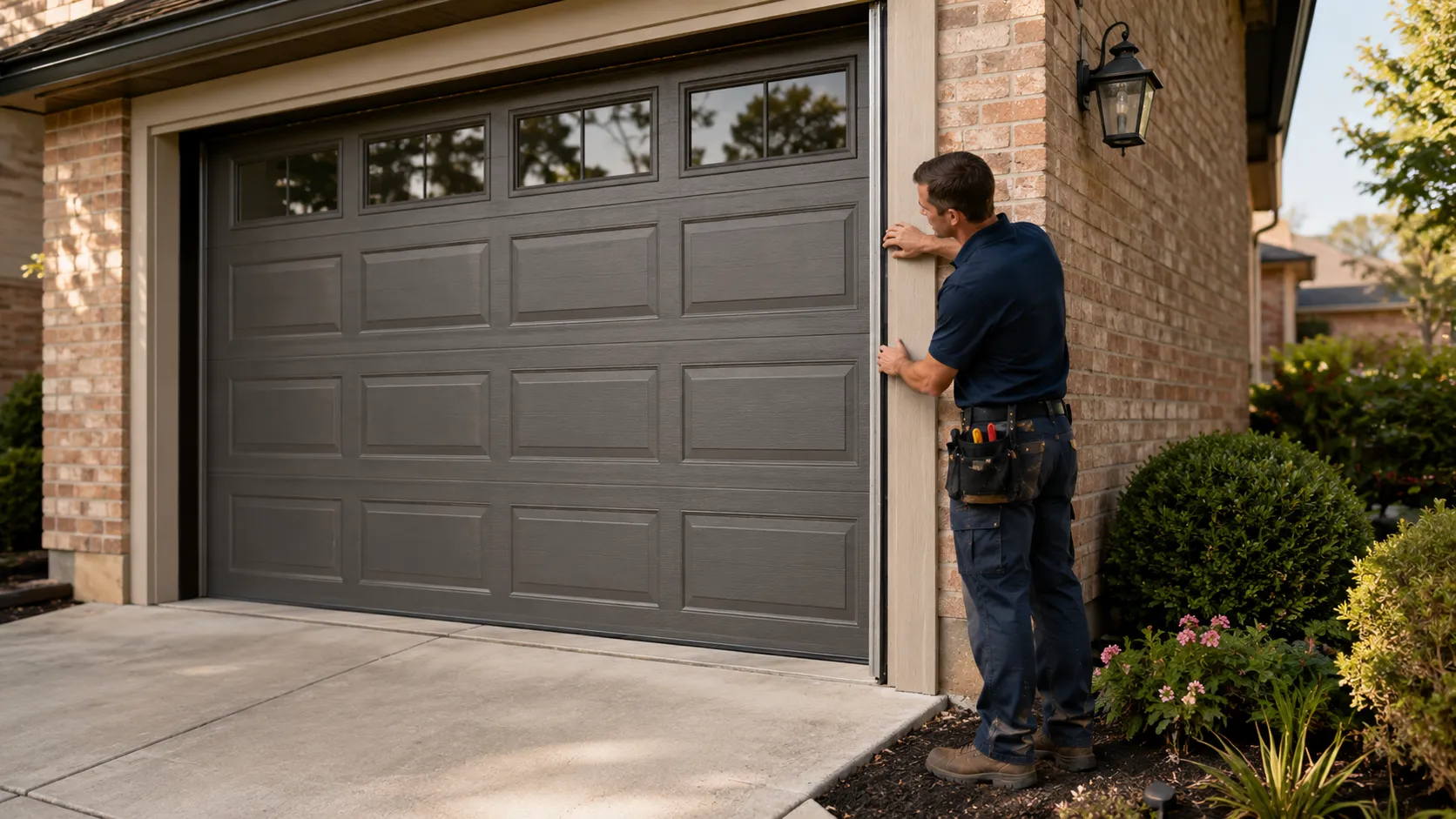
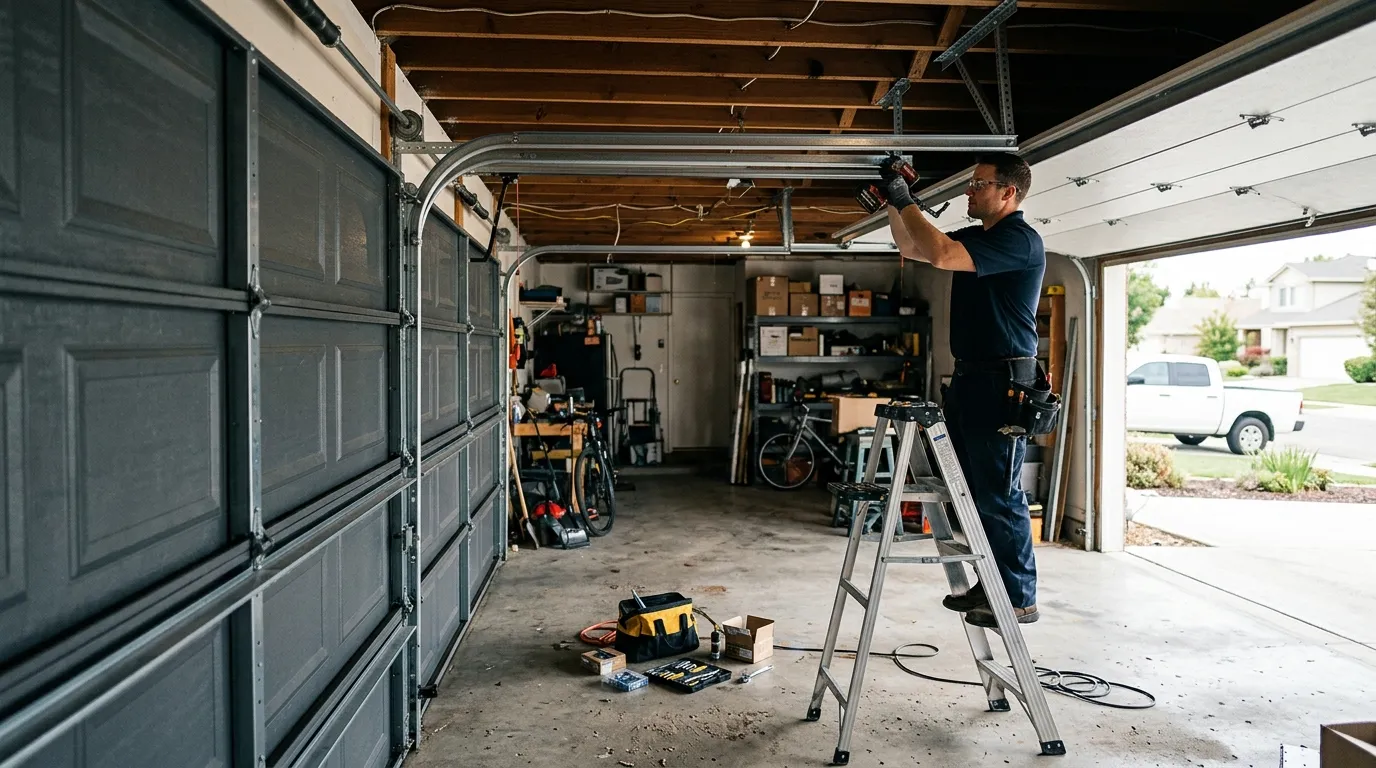
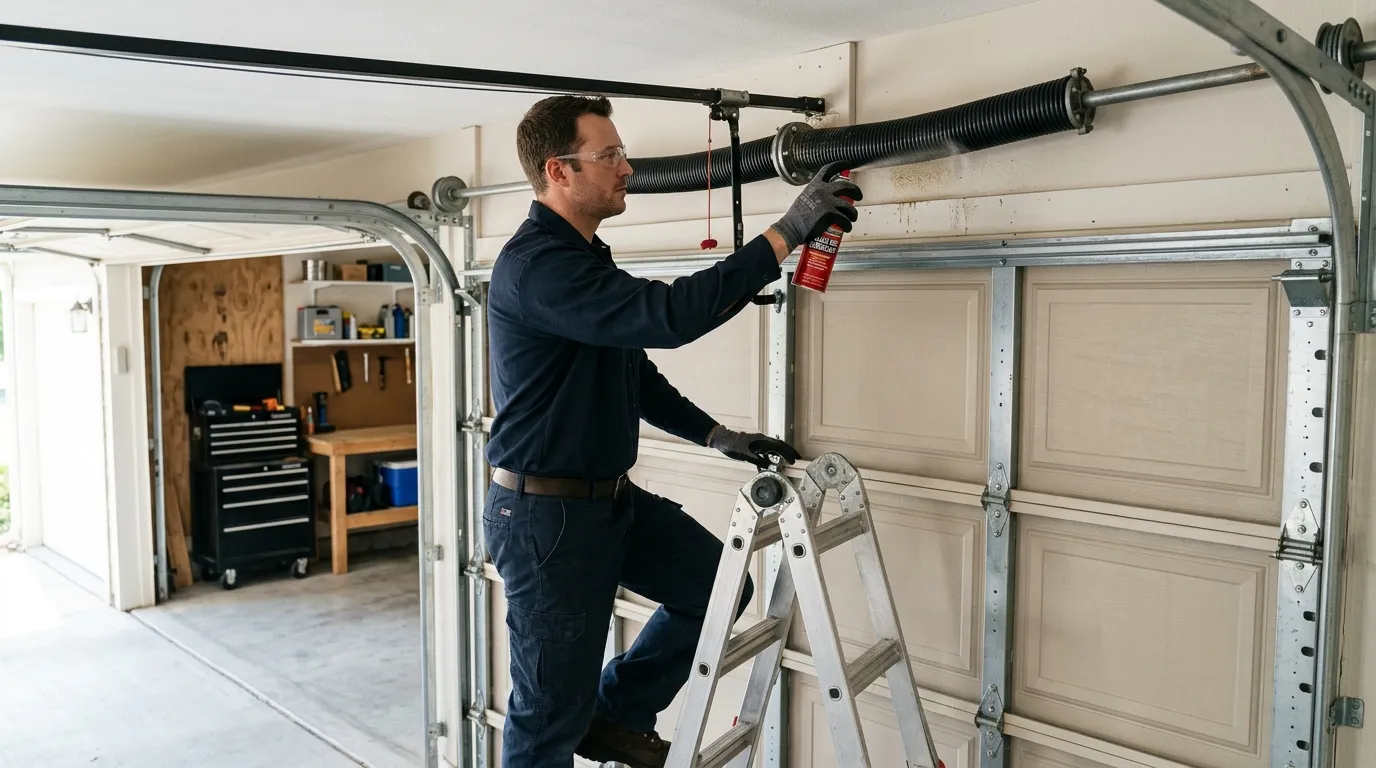
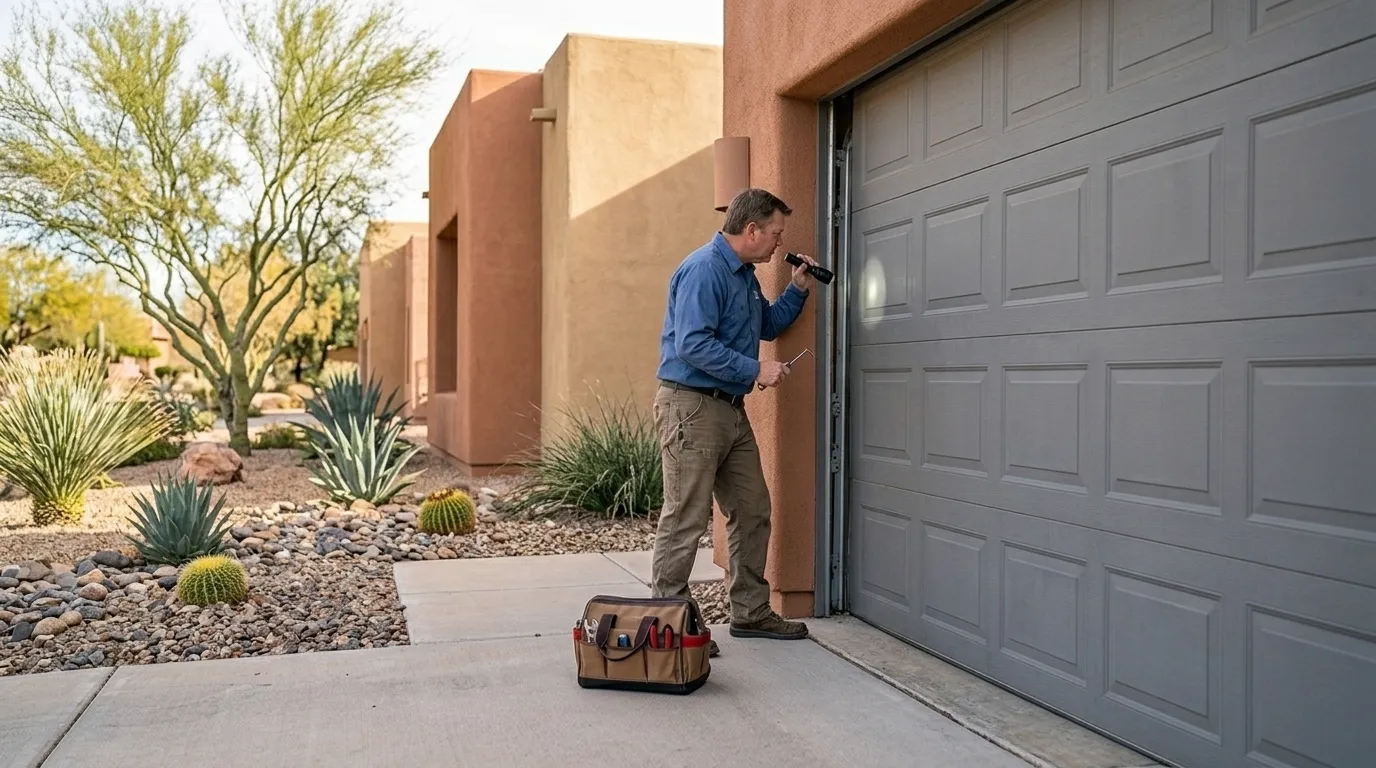
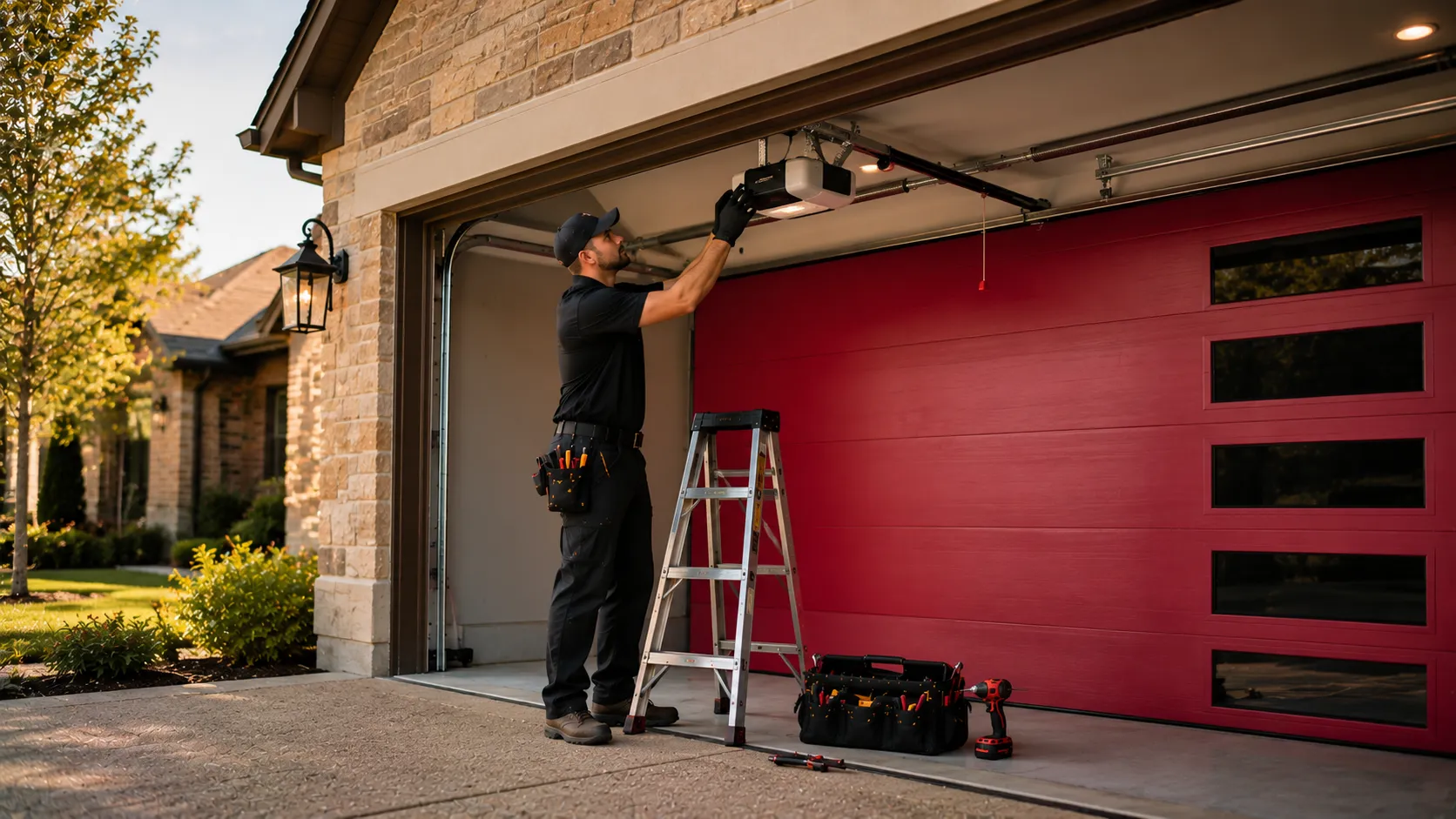
We'll look at the spring first, because on a door this age it's the part most likely to be past its rated cycle count. We'll check the tracks for the kind of wear that comes from decades of shifting foundations, which is common in Albuquerque's clay-heavy soils regardless of neighborhood. And we'll check the opener, since a unit installed when the house was new is well past any reasonable service life.
Worth saying plainly: not every door from this era is worth repairing panel by panel. If the door itself has degraded - rust at the bottom section, warping, hardware that's been drilled and redrilled - we'll tell you when replacement is the better use of your money instead of stacking another repair on top of old bones.
The Housing Here
North Campus falls inside a service area where the housing stock runs mostly 1960s and 70s construction, per F2, with the broader build window spanning 1968 to 1999 and a median year of 1979. That means garage doors here tend toward a few consistent patterns: single-layer steel or wood panel doors, torsion springs sized for the lighter doors common to that era, and openers that have usually been swapped once already, if not twice.
Albuquerque's climate is on the colder side of moderate, which matters less for the door itself than for the grease and hardware - cold snaps are what tend to reveal a spring that was already close to failing. It's not dramatic, just the kind of thing that turns a quiet Tuesday into a call to us.
Across the wider service area, median household income sits at $72,188 with roughly 22,430 owner-occupied houses among 33,690 households. That's relevant mostly in that it tells us most of the work we do near North Campus is repair and targeted replacement, not full custom builds - homeowners fixing what they've got rather than starting over.