Having It Looked At
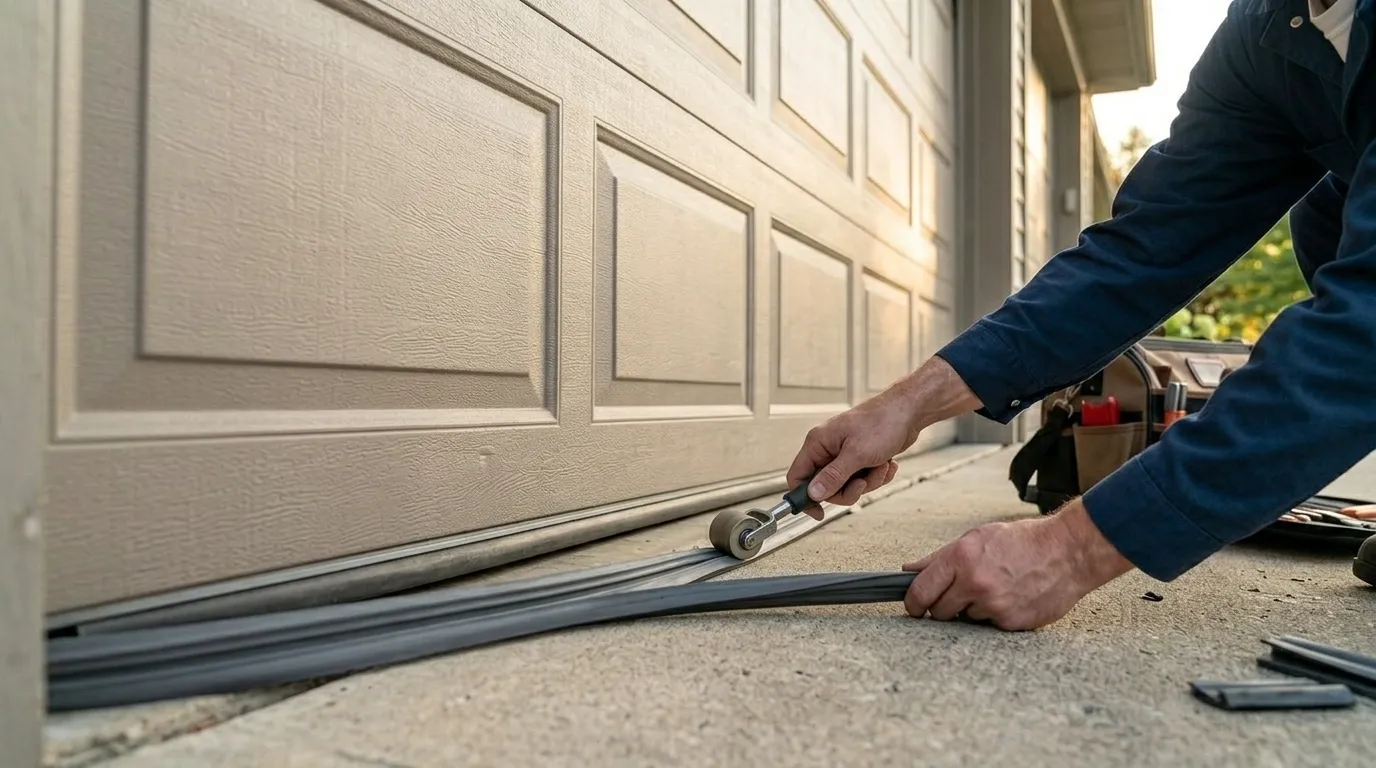
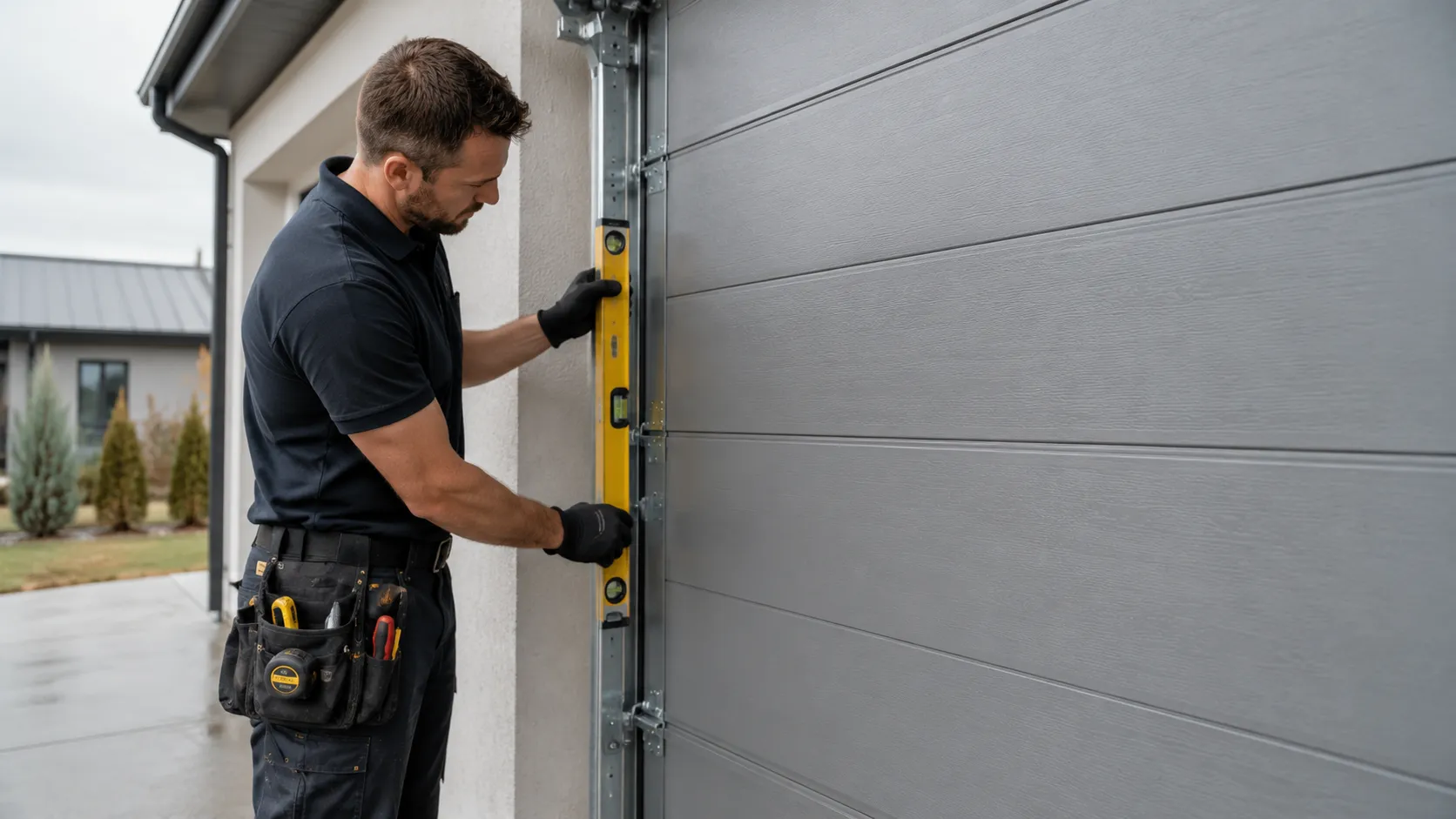
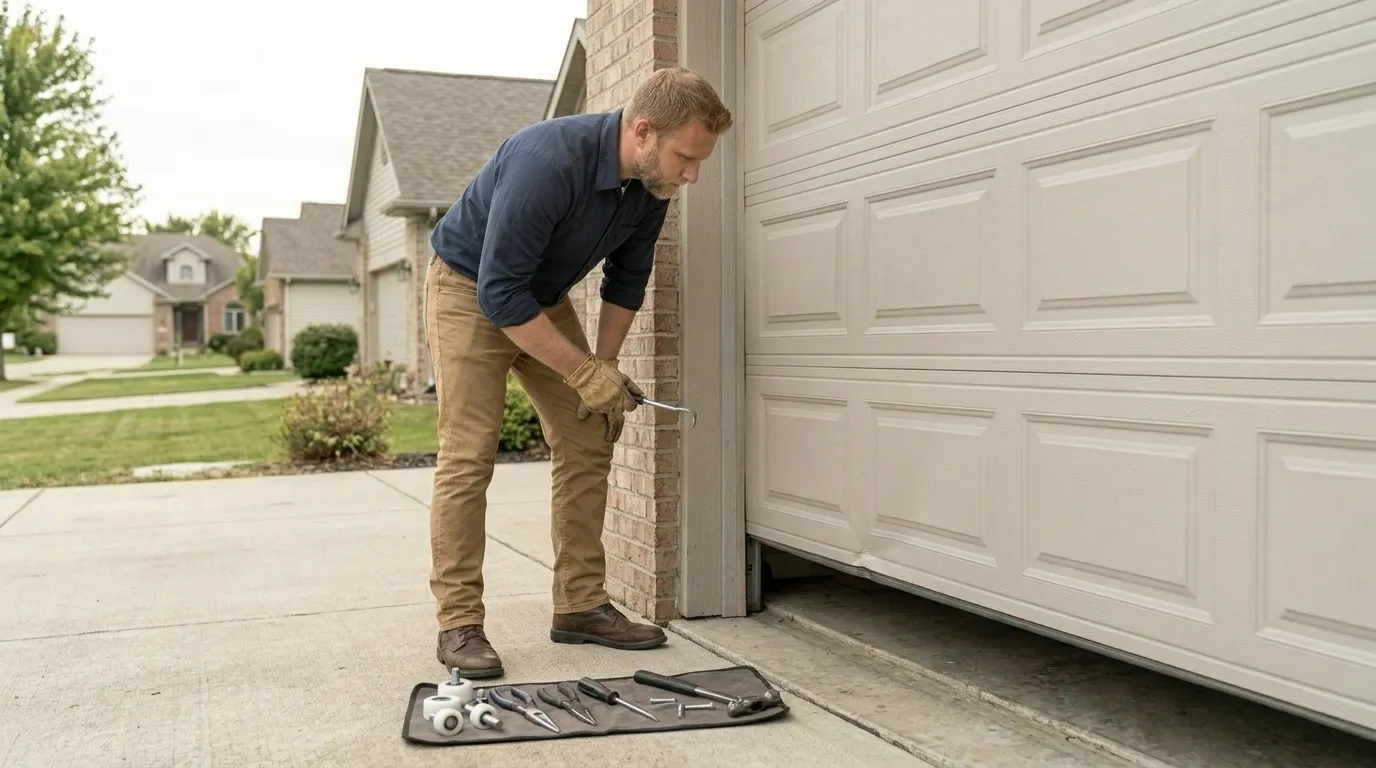
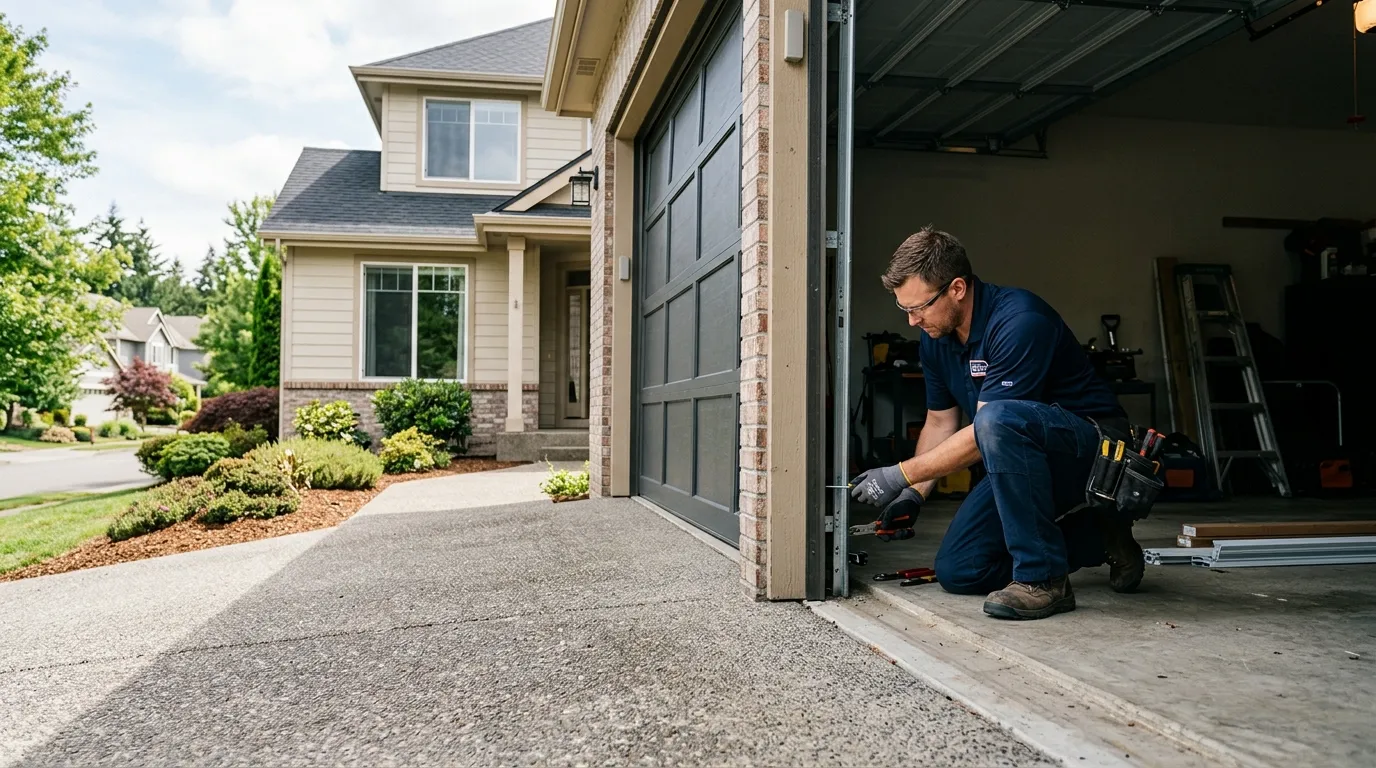
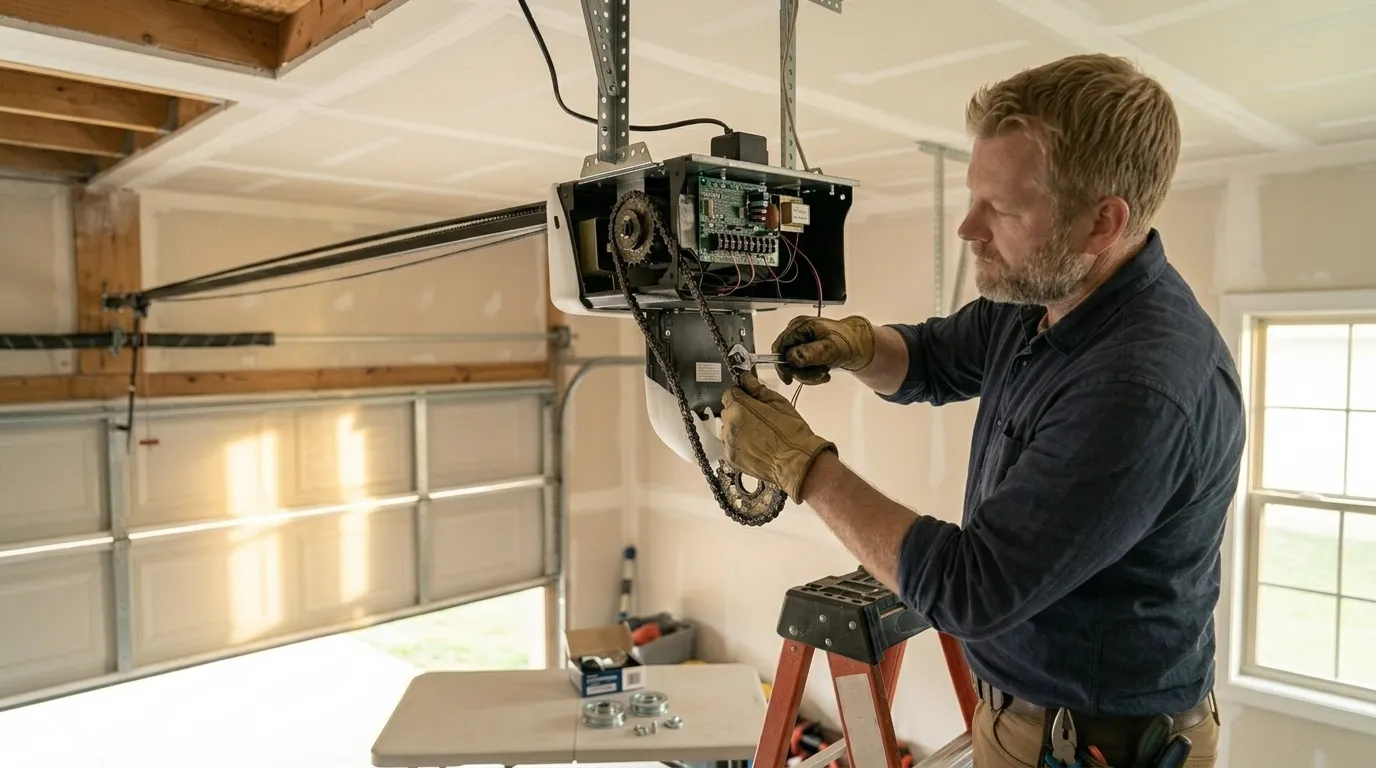
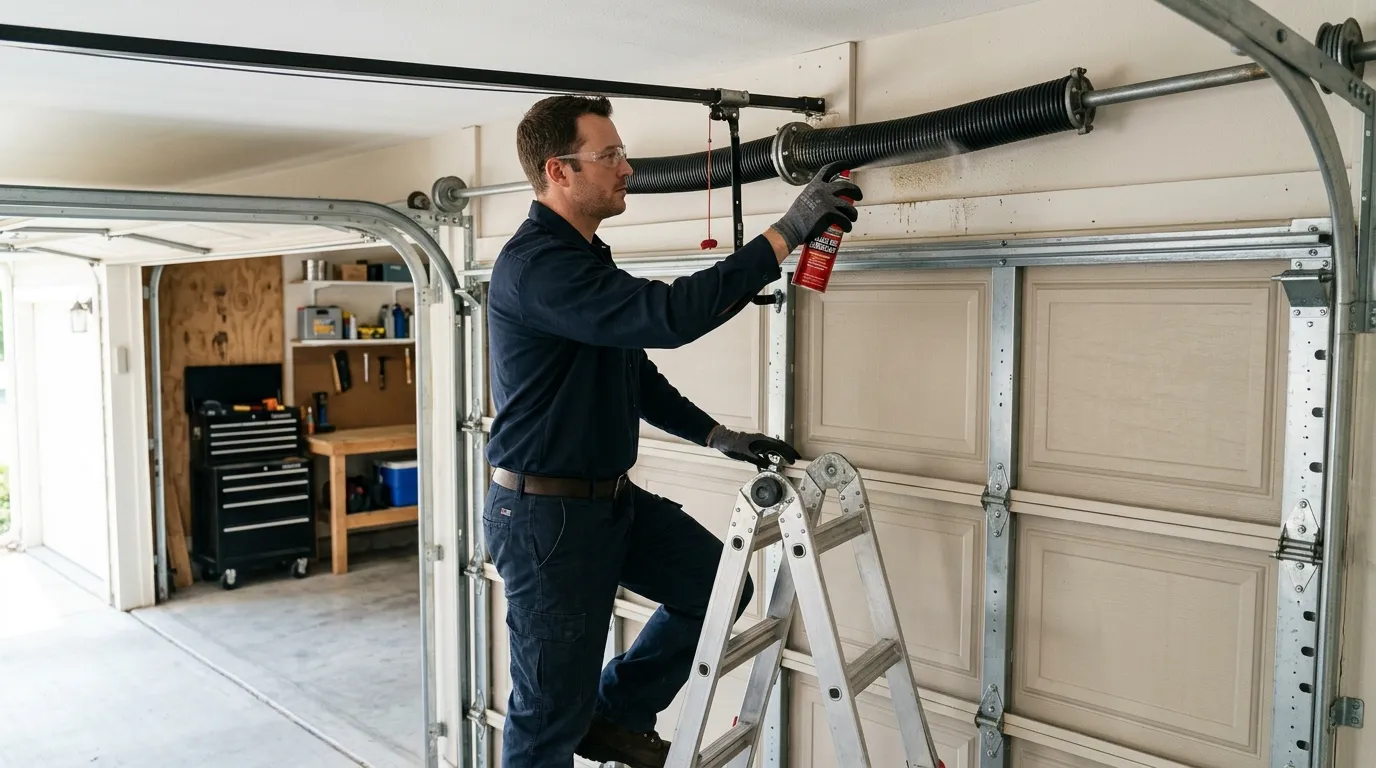
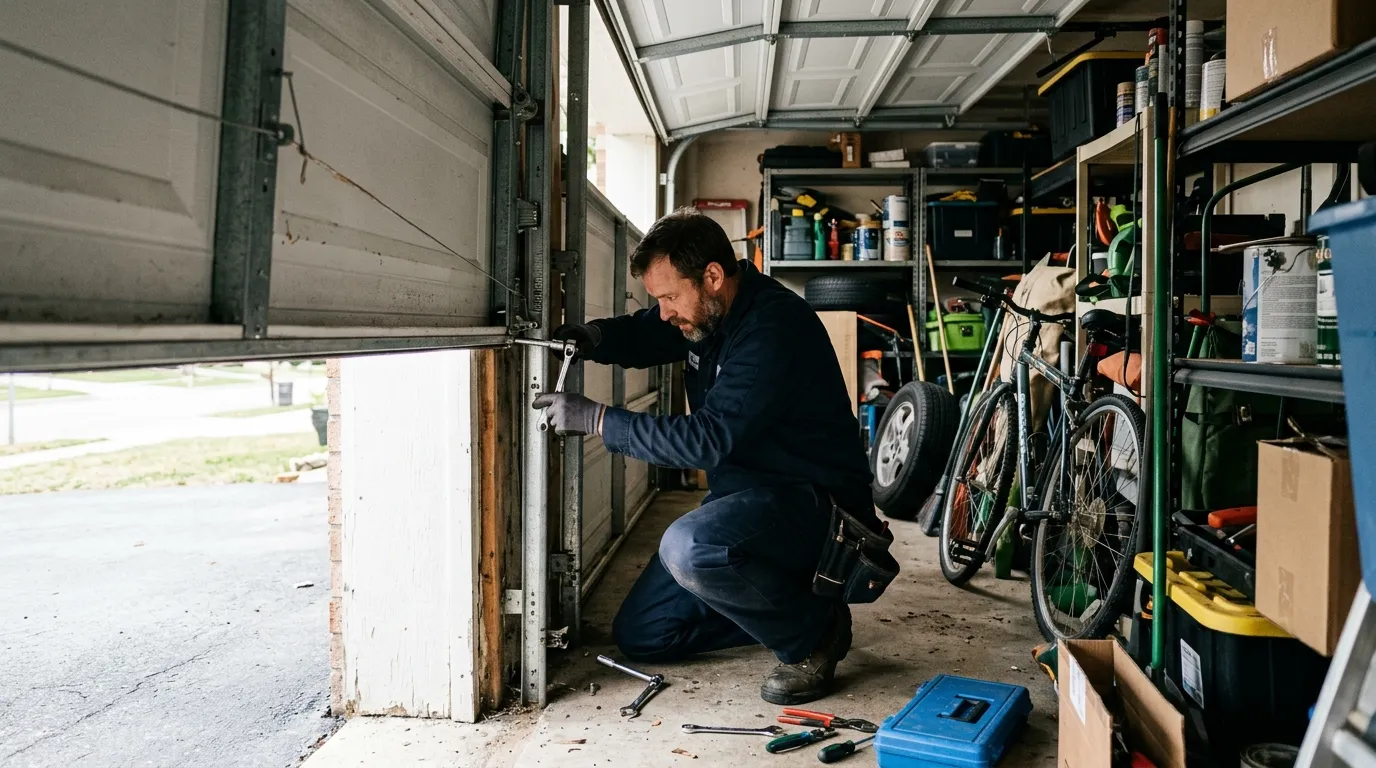
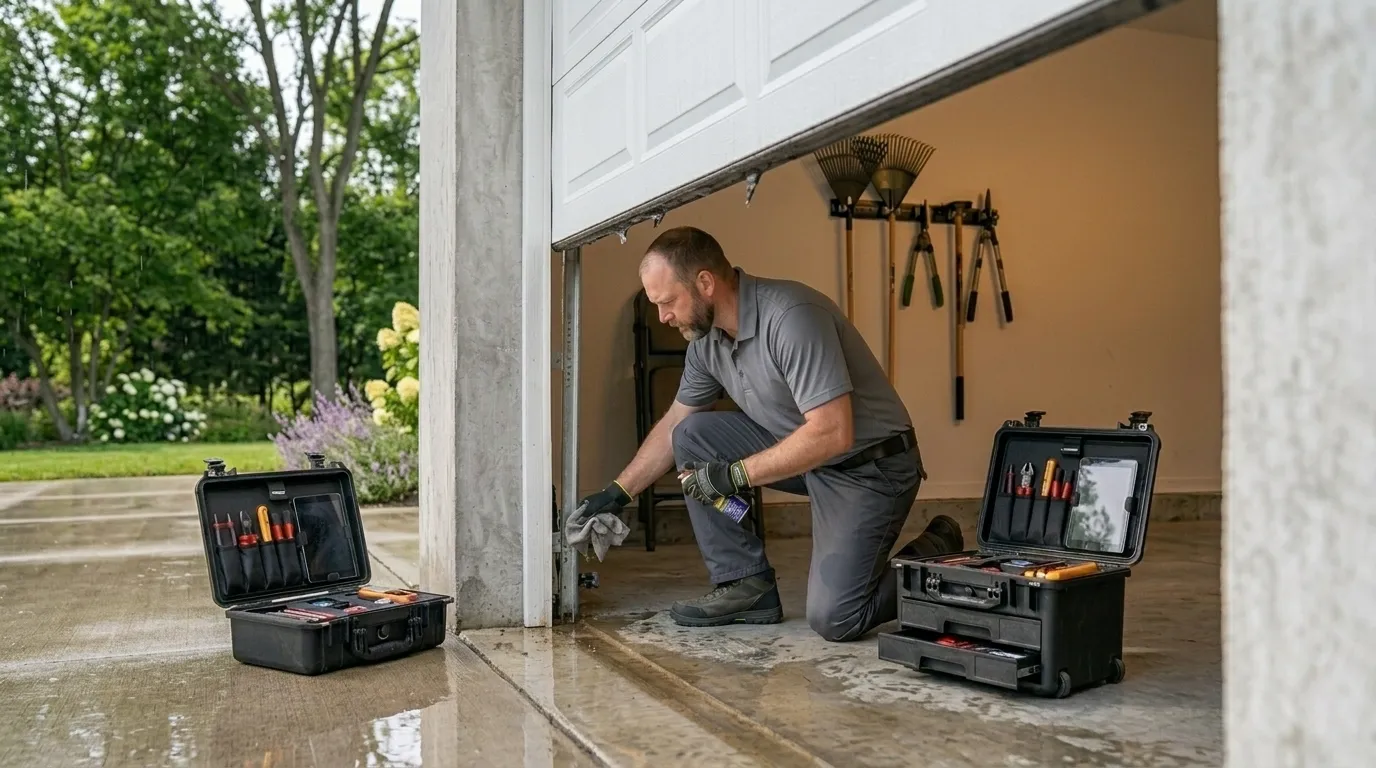
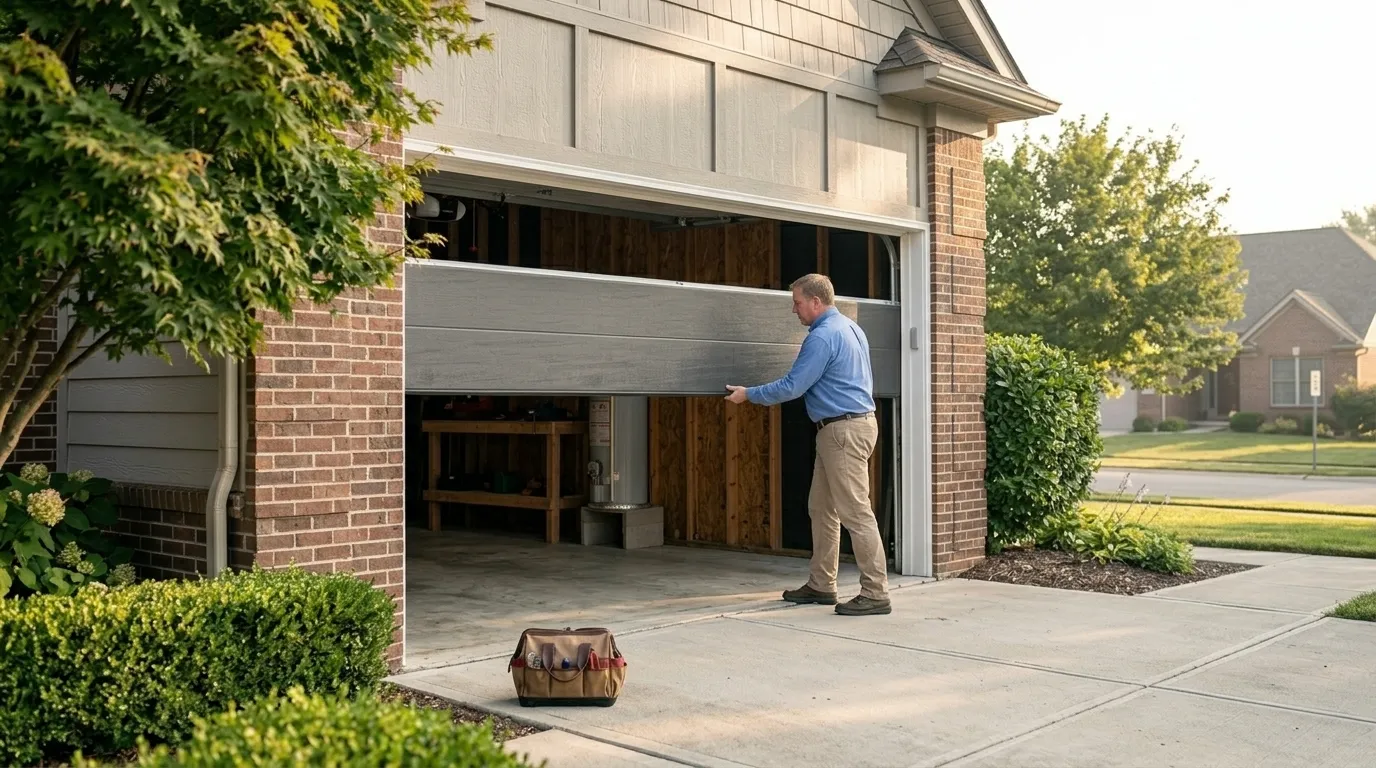
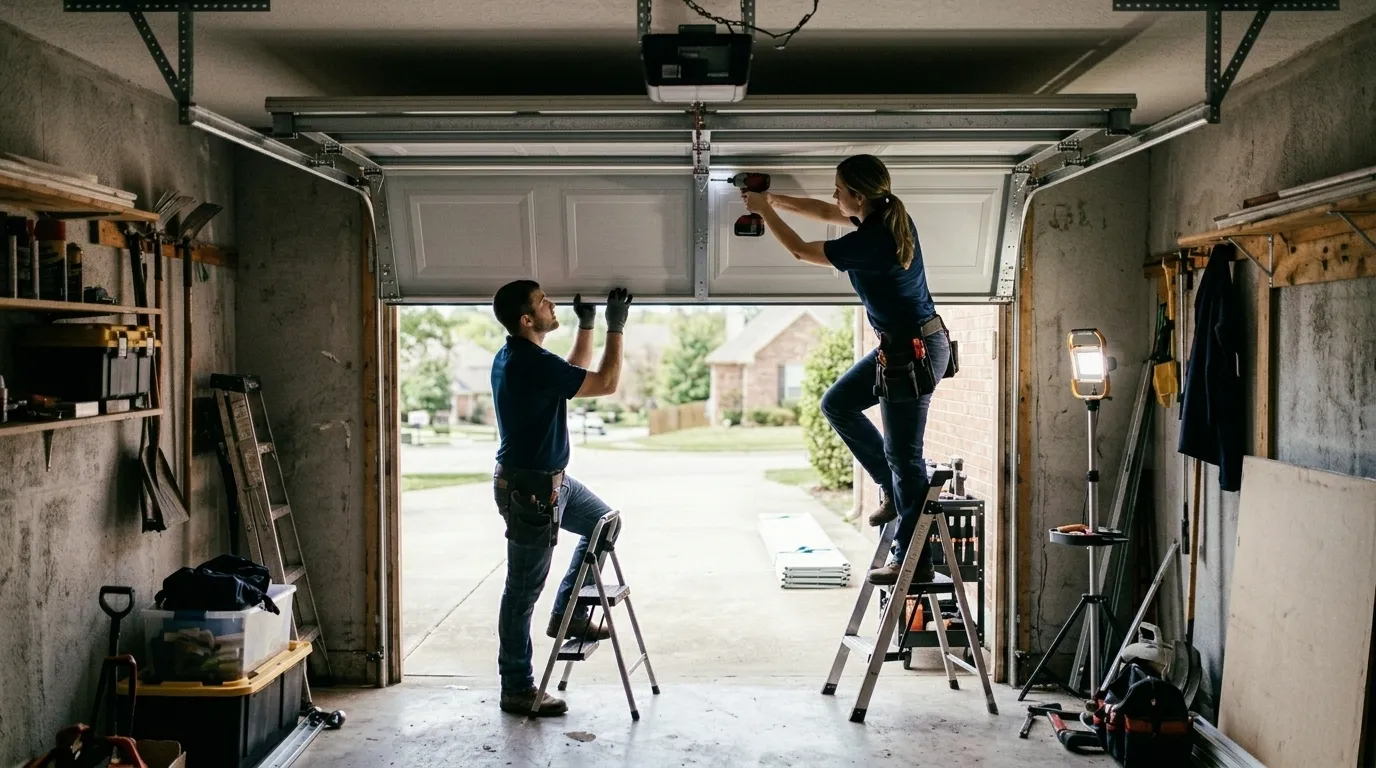
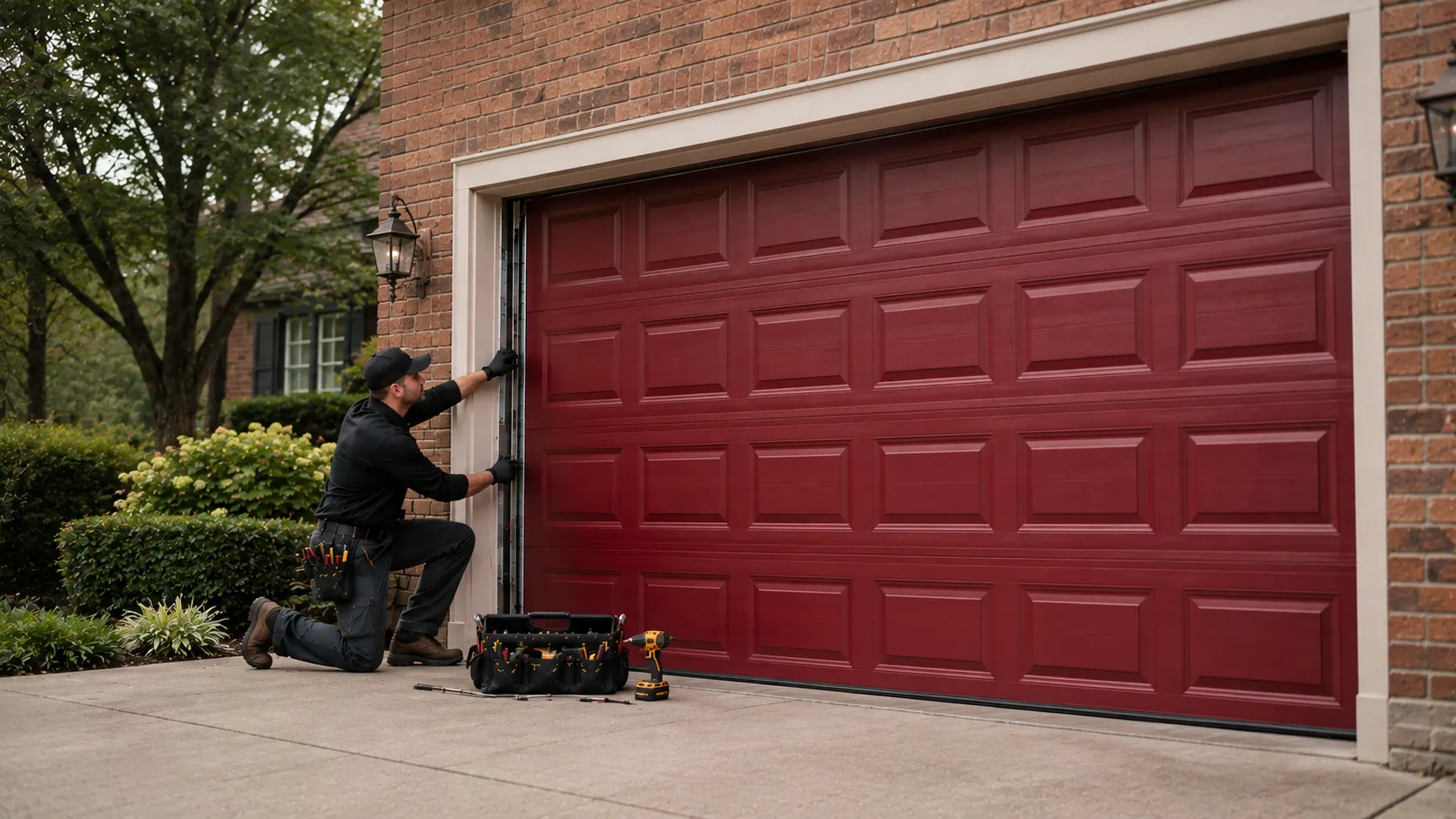
A lot of the trouble we see out this way traces back to age rather than damage. If your door is original to the house, and the house went up sometime between the late 1960s and the 1990s, the spring system, the track alignment, and the opener (if it's not already been swapped) are all working past their expected life. We'll check the spring tension, the cable condition, and whether the tracks are still square before we touch anything electrical.
Winters here are cold enough that steel hardens and lubricant thickens, which is part of why an older spring that's been fine for years suddenly snaps on a cold morning. We look at that when we're out there - not just the part that failed, but whether the rest of the hardware is close behind it.
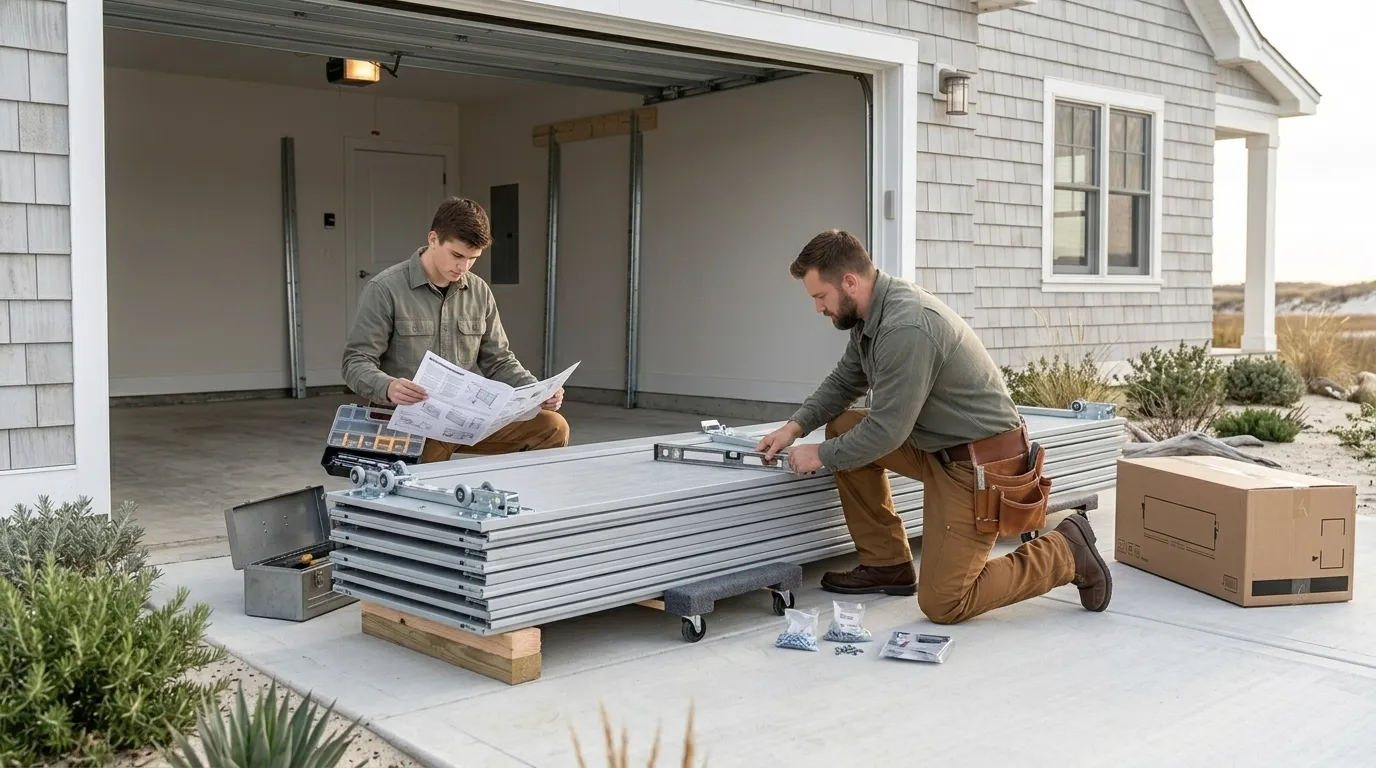
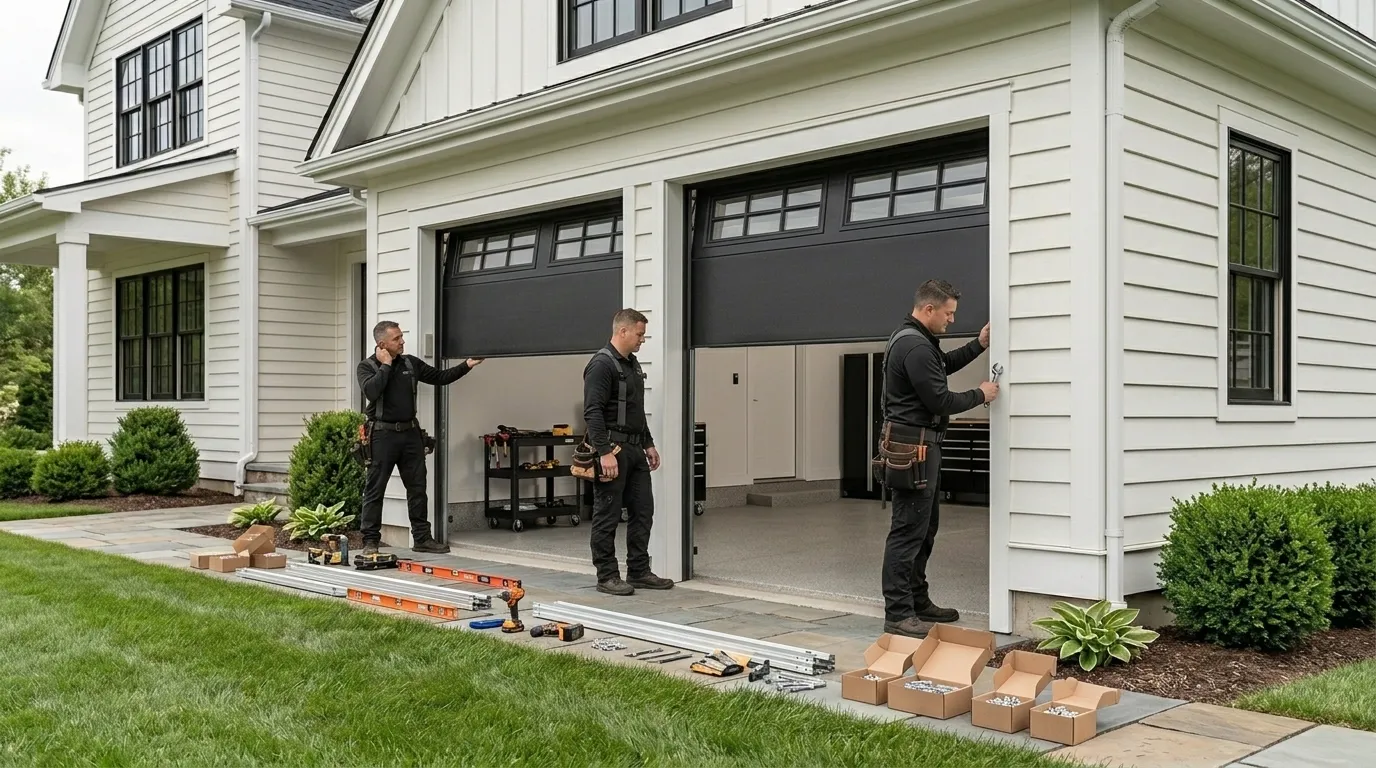
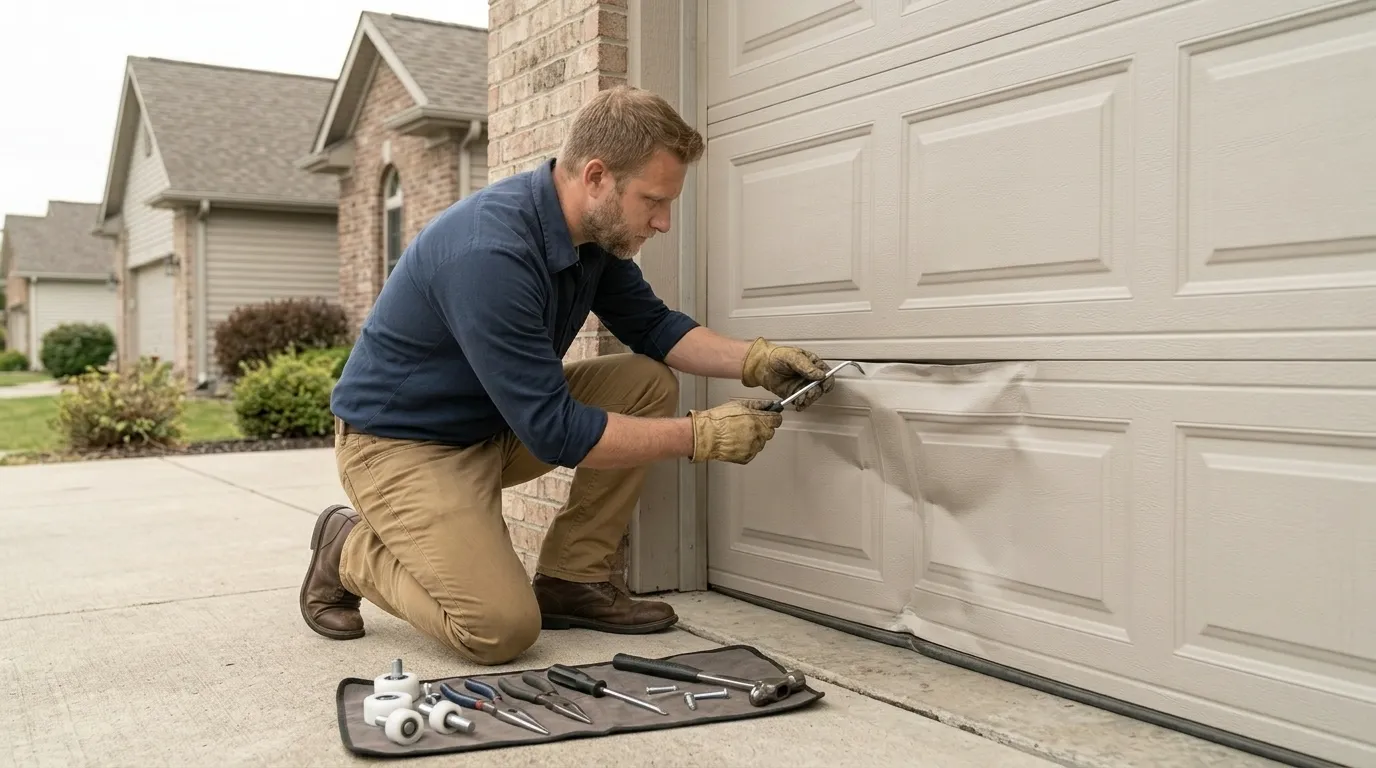
One limitation worth saying plainly: if the door itself is warped, rusted through, or the panels are the original steel from a 1970s installation, sometimes the honest answer is that repair costs more over two years than a new door would. We'll tell you that instead of patching something that's going to keep coming back.
The Housing Here
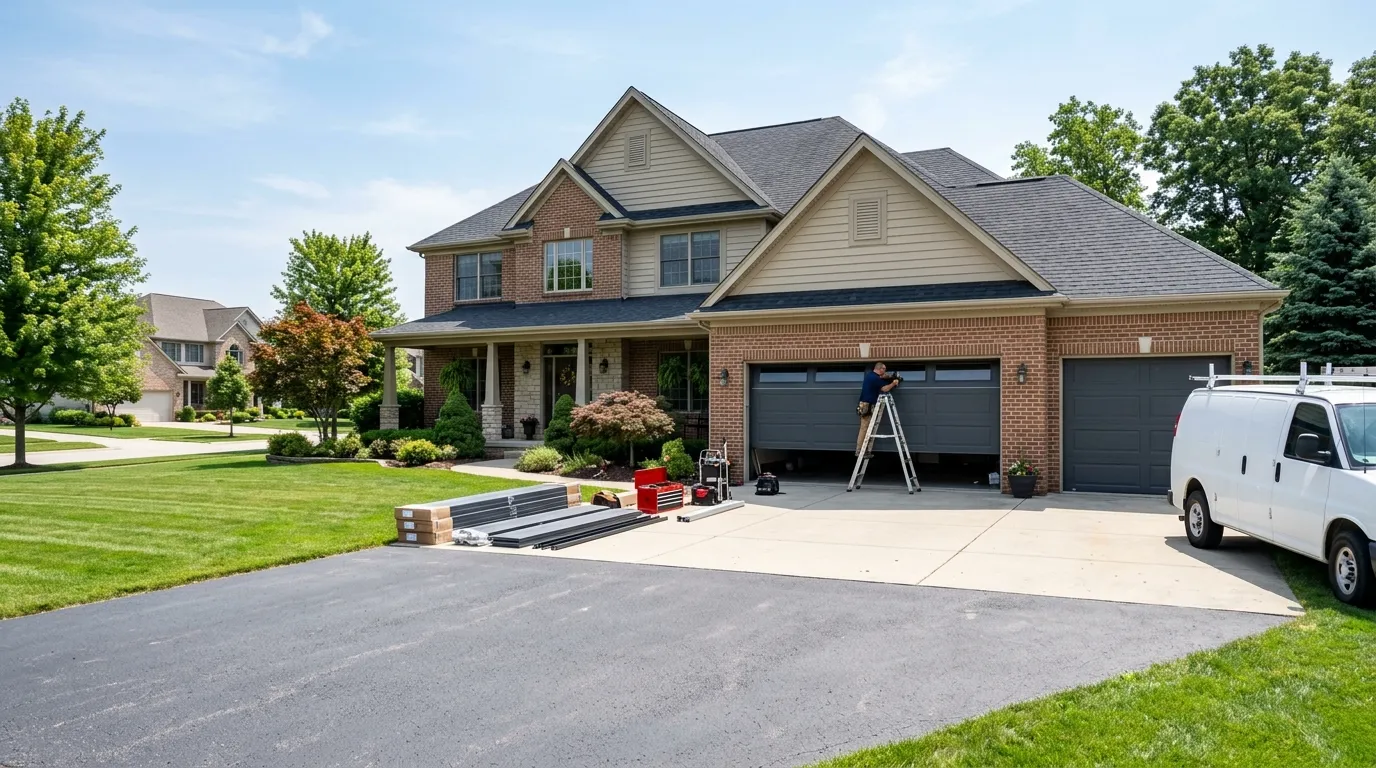
Nor Este falls inside the stretch of the metro area where most houses were built between 1968 and 1999, with 1979 as the rough midpoint. That means a good share of garage doors in the neighborhood are either original single-layer steel doors on side-mounted torsion springs, or a first-generation replacement from the 80s or 90s - not the insulated, center-mounted setups you see on newer construction.
That era of hardware wasn't built with today's opener safety standards, and parts for the oldest doors can be harder to source than for anything built in the last fifteen years. When we're called out, we're often working with springs and track brackets that don't match what's on the shelf at a big box store, which is part of why we carry a range of sizes on the truck rather than one standard kit.
The climate band here is cold enough in winter that metal fatigue shows up faster on older springs than it would in a milder region, which is one more reason a door installed in, say, 1981 is due for more than a passing tightening of bolts. If your door's from that original build era and hasn't been serviced, that's usually where we start looking.