Garage Door Installation for Albuquerque's Older Housing Stock
Replacing an original 1970s garage door in Albuquerque means fixing the header, track spacing, and opener wiring built for a door that no longer exists. Here's what that job actually involves.
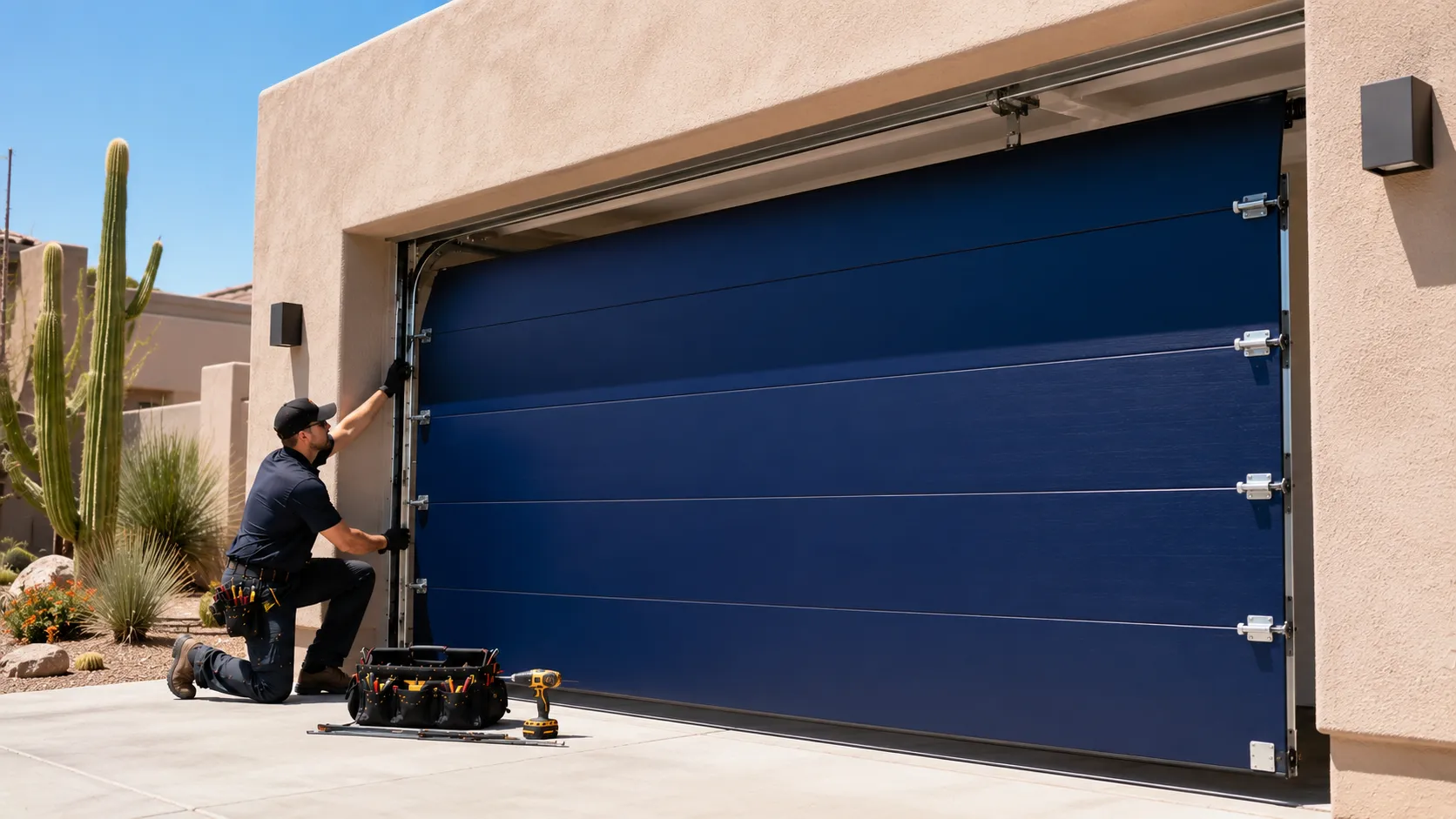
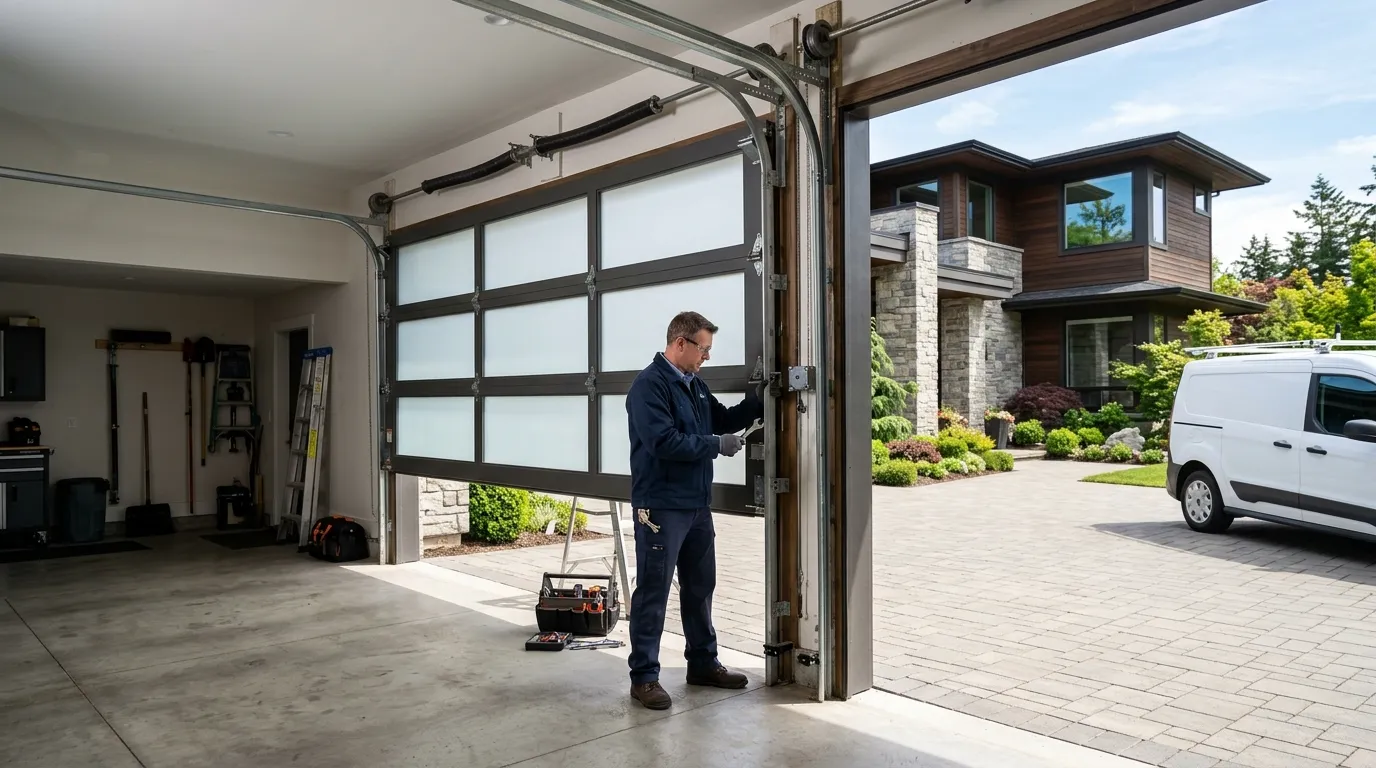
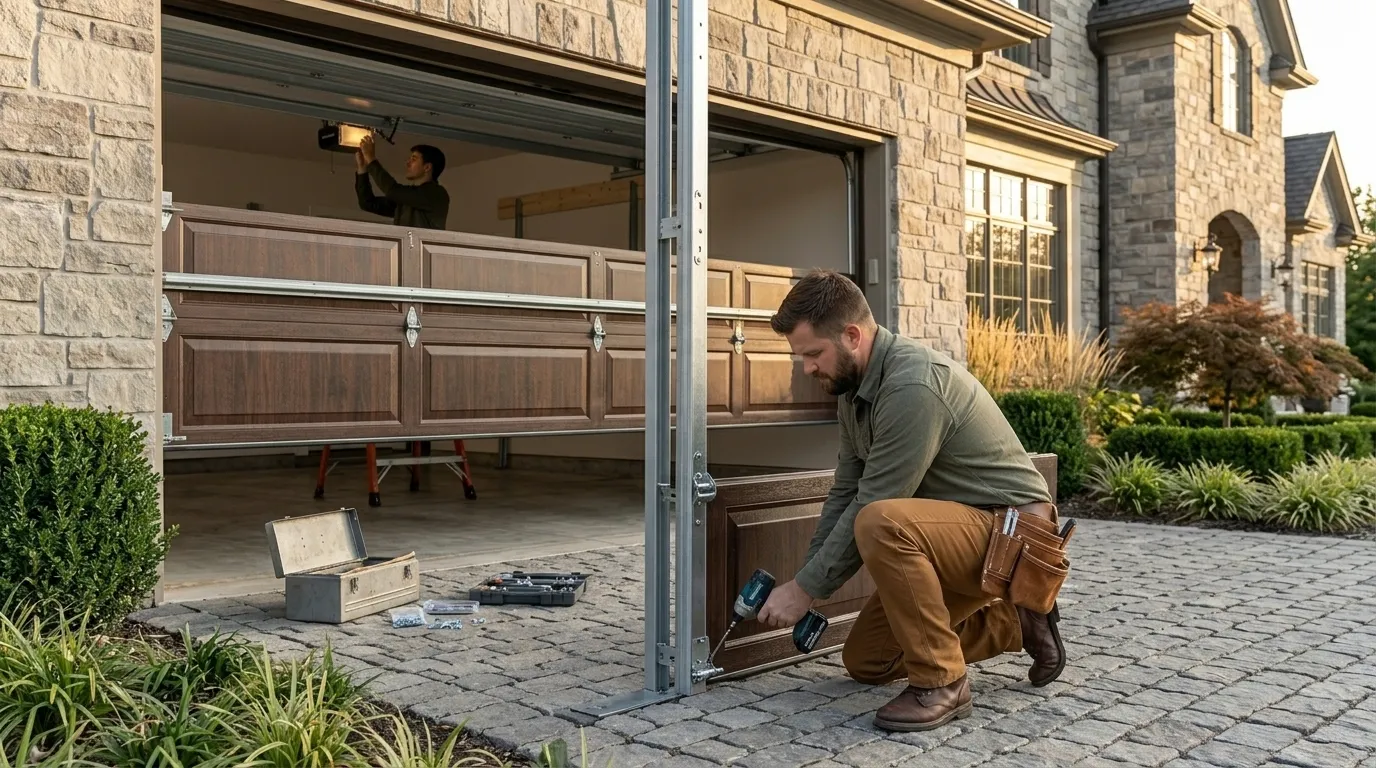
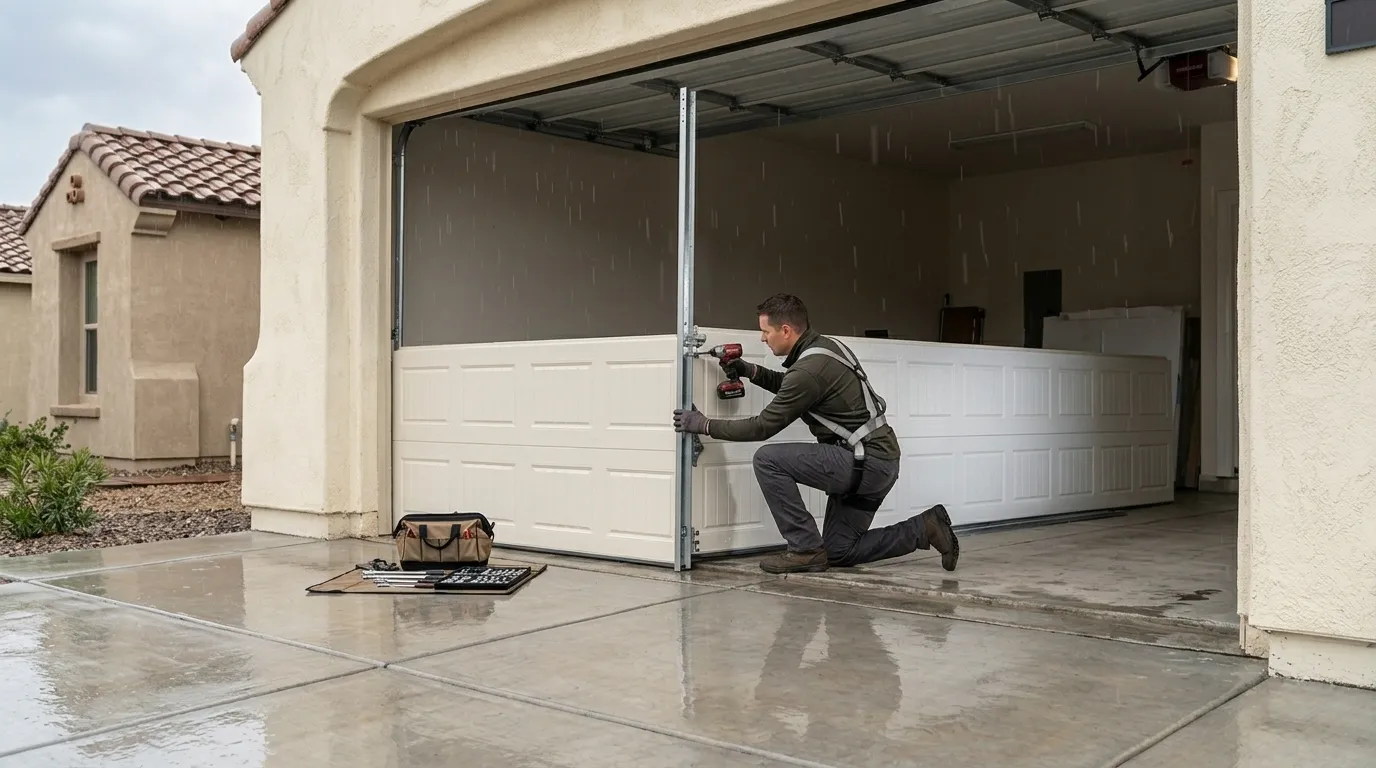
Most installation calls we get in Albuquerque aren't simple swaps. The city's housing stock runs mostly 1968 to 1999, with a median build year around 1979, and that shows up the moment we pull the old door off the hardware. The rough opening was framed for a door track and header built to a spec nobody uses anymore. A new steel or insulated door often needs a different jamb bracket, a wider track radius, or a header reinforcement that the original builder never installed because the door it came with weighed less and didn't need it.
Across the 13 or so named areas in this service territory - places built up through the 60s and 70s wave - we run into the same mismatch: new door, old rough opening, and a header that was fine for a 90-lb single-layer door but flexes under a heavier insulated panel. That's not a defect in the house. It's just what happens when you put current hardware into a 45-year-old frame without checking it first.
The part that surprises people is the labor split. On these houses, the door itself is the easy half of the estimate. The bracing, header check, and sometimes a new track profile to clear an odd stud spacing is where the job actually earns its price.
The Symptom
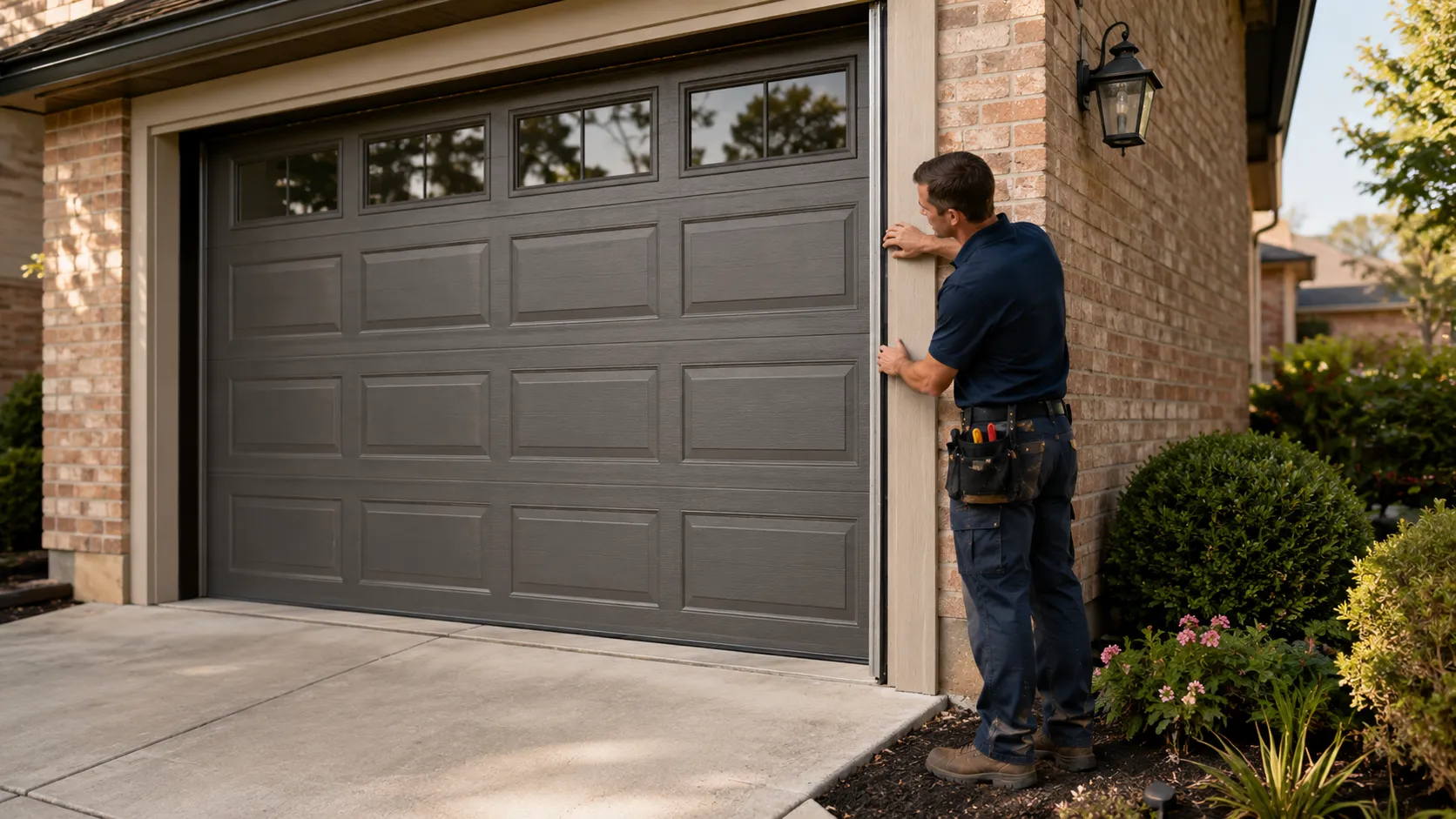
You call for a new door because the old one is dented, or the panels are rusting through at the bottom, or you just want insulation you didn't have before. Then the estimate comes back higher than the door itself, and you don't understand why. The symptom on our end looks like this: the new door arrives sized correctly, but the opening doesn't sit square, the header sags a half inch when we test-lift, or the vertical track holes don't line up with the wall studs behind the old jamb.
On a house from the 1979 median build year, none of that is unusual. It's not damage - it's just original construction that predates the door you're buying today. If your house sits in one of the older pockets on the west or south side rather than a newer tract-built area, the odds of a header mismatch go up, not down.
Why This Fails Locally
Albuquerque sits in a cold-moderate climate band, which means the temperature swing between a January morning and a July afternoon is wide enough to matter for door material. Steel expands and contracts with that swing, and on an older frame that was never insulated or weatherstripped to modern standard, the gap between panel and jamb changes by season. A door installed without accounting for that swing seals fine in October and binds or gaps by summer.
Houses built in the 1968-1999 window, which is most of what we work on here, typically have wood jambs that have dried and shrunk over the decades. That shrinkage changes the reveal - the small gap between door and frame - unevenly across the opening. A stock installation that ignores this ends up with a door that scrapes on one side and lets daylight through on the other within a year. This isn't a defect you'd see in a newer subdivision with fresh framing; it's specific to housing built before double sealed track systems were standard.
The DIY Question
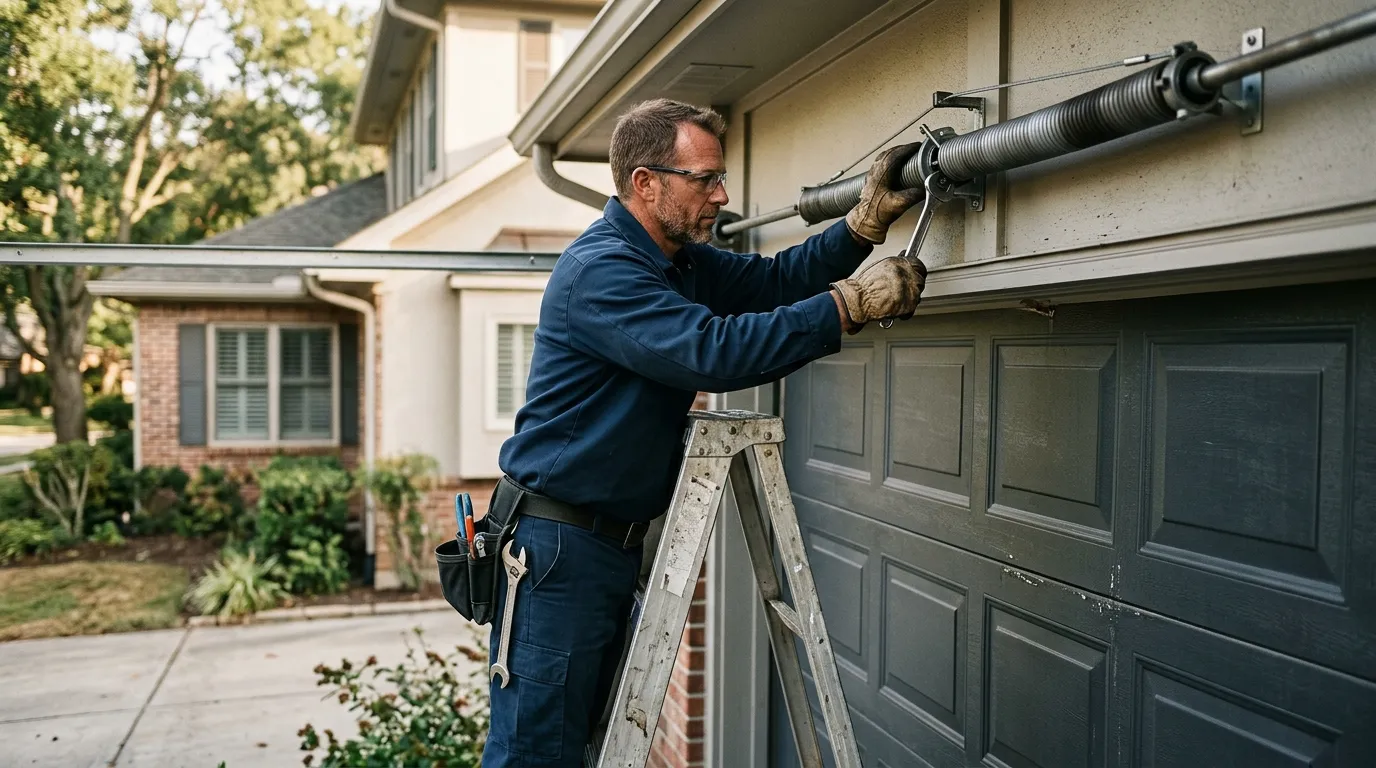
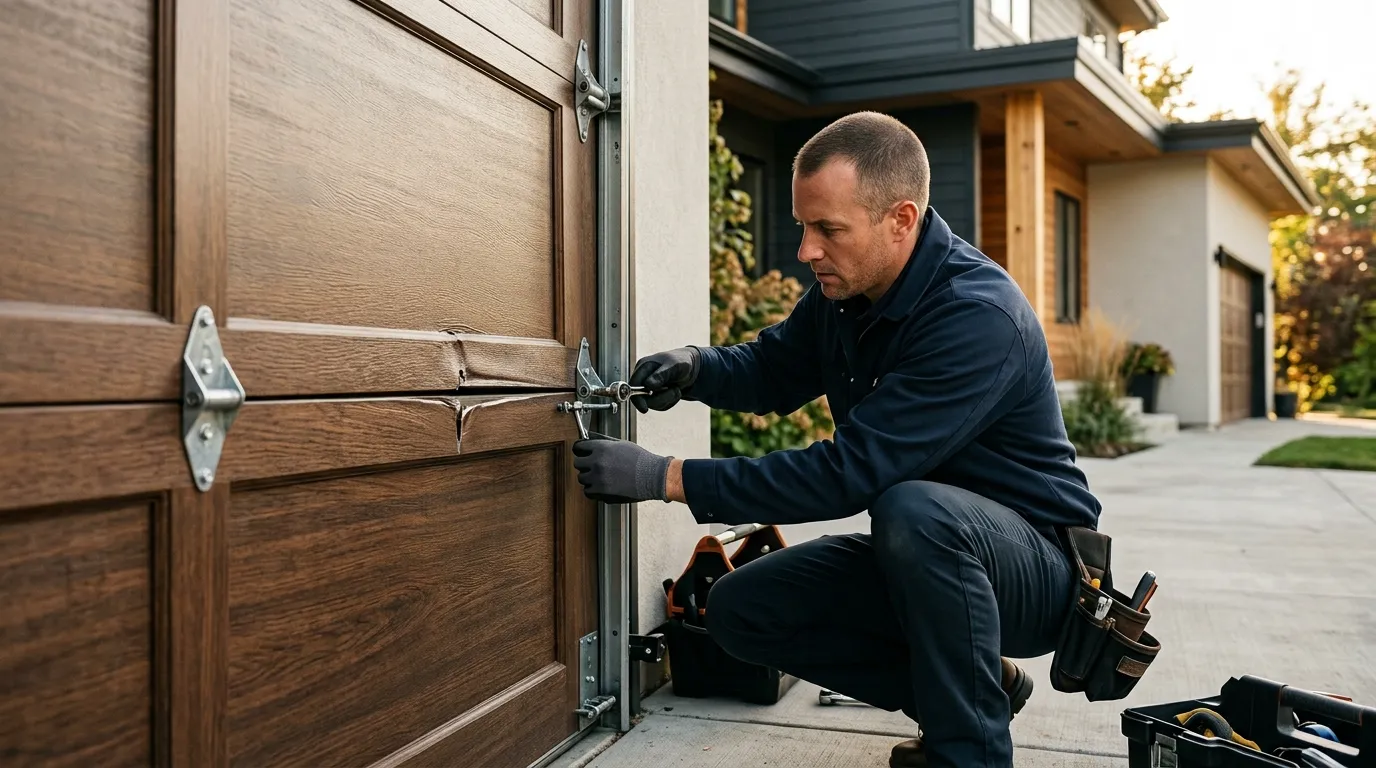
A lot of homeowners ask if they can swap the door themselves and just have us handle the opener hookup. Honestly, on a newer, square opening, that's not unreasonable. On the older stock common across this service area, we'd tell you not to. Squaring a header that's shifted over 40-plus years, or re-cutting track brackets to hit real studs instead of the original spacing, isn't a bolt-in job, and a door that's slightly out of square will eat cables and rollers within a couple of years.
Where we do think DIY makes sense: swapping weatherstripping, replacing a keypad, or handling cosmetic panel touch-up. Where we don't: anything involving the header, the track alignment, or spring sizing for a heavier insulated door. If your house was one of the many built in that late-60s-through-90s stretch and you're not sure what your opening looks like behind the trim, that's worth a look before you order a door, not after.
How it works
From “it’s stuck” to “it’s fixed”
01
Tell us what’s wrong
Describe the symptom - won’t open, loud bang, opener runs but the door won’t move.
02
On-site diagnosis
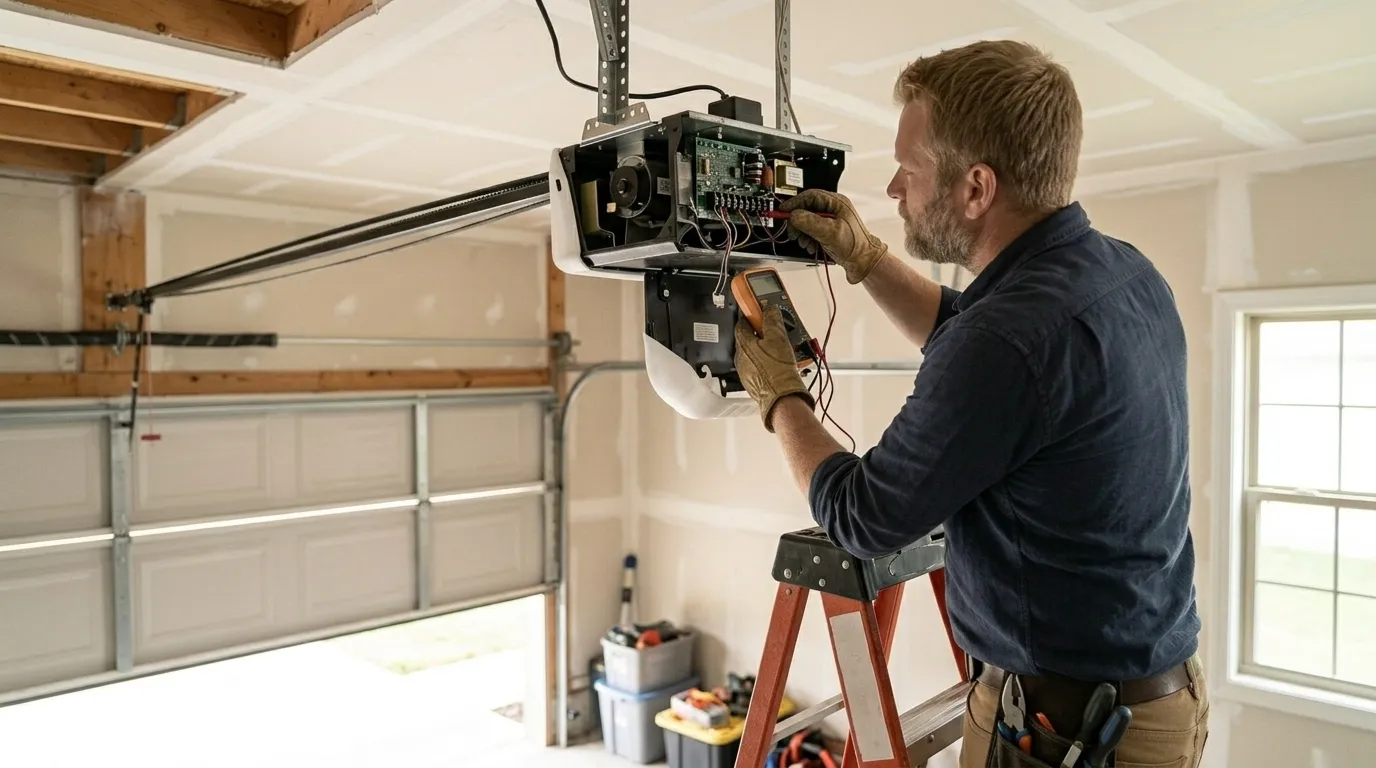
A technician tests the door under power and by hand and finds what actually failed.
03
Clear, up-front plan
You get the fix that’s needed and what drives the cost - before any work starts.
04
Repaired & tested
The repair is done, the door is set true and tested, and the work area left clean.
Serving Albuquerque, NM - tell us what your door’s doing and we’ll take it from there.
Why is my garage door installation quote higher than the door price online?
On Albuquerque houses built in the 1968-1999 range, the rough opening and header were often framed for a lighter original door. Installing a heavier insulated door frequently means reinforcing the header or adjusting the track bracket spacing, which is labor beyond the door itself.
Do I need an insulated door for Albuquerque's climate?
Albuquerque sits in a cold-moderate band with a real seasonal swing, so insulation helps with temperature control and cuts down on the seasonal binding you get when an uninsulated steel panel expands and contracts against an older, unsealed jamb.
Can I install a new garage door myself and just have you do the opener?
On a square, newer opening, sometimes. On the older stock common in this area, we don't recommend it - shrinkage in original wood jambs over 40-plus years often means the header and track need adjustment before a new door will seal or run correctly.
Does every house in Albuquerque have this header problem?
No. It's most common on the older pockets built through the 60s and 70s. Homes framed later in the 1968-1999 range, or renovated since, are less likely to have the mismatch, but we still check before quoting.
Ready to get your garage door sorted?
Tell us what it’s doing and where you are in Albuquerque - we’ll take it from there.