Having It Looked At
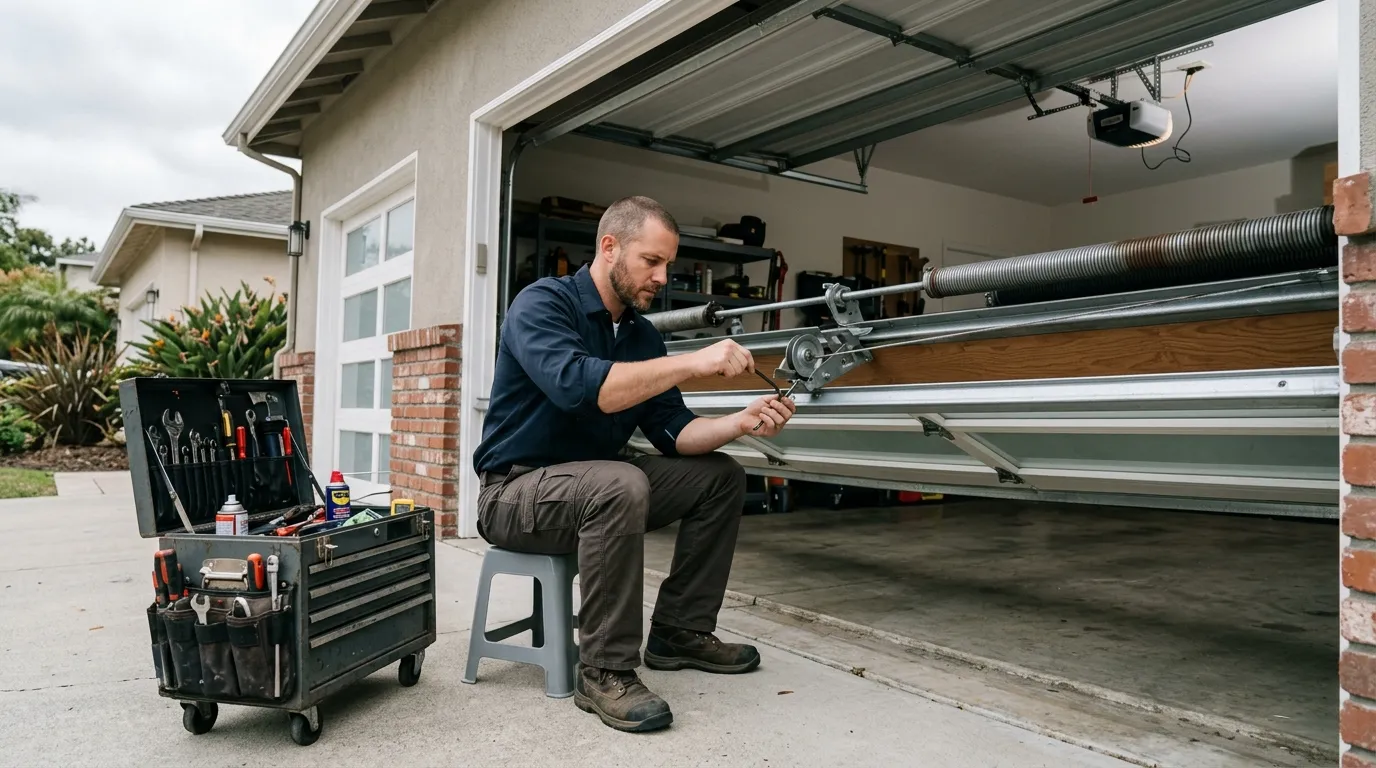
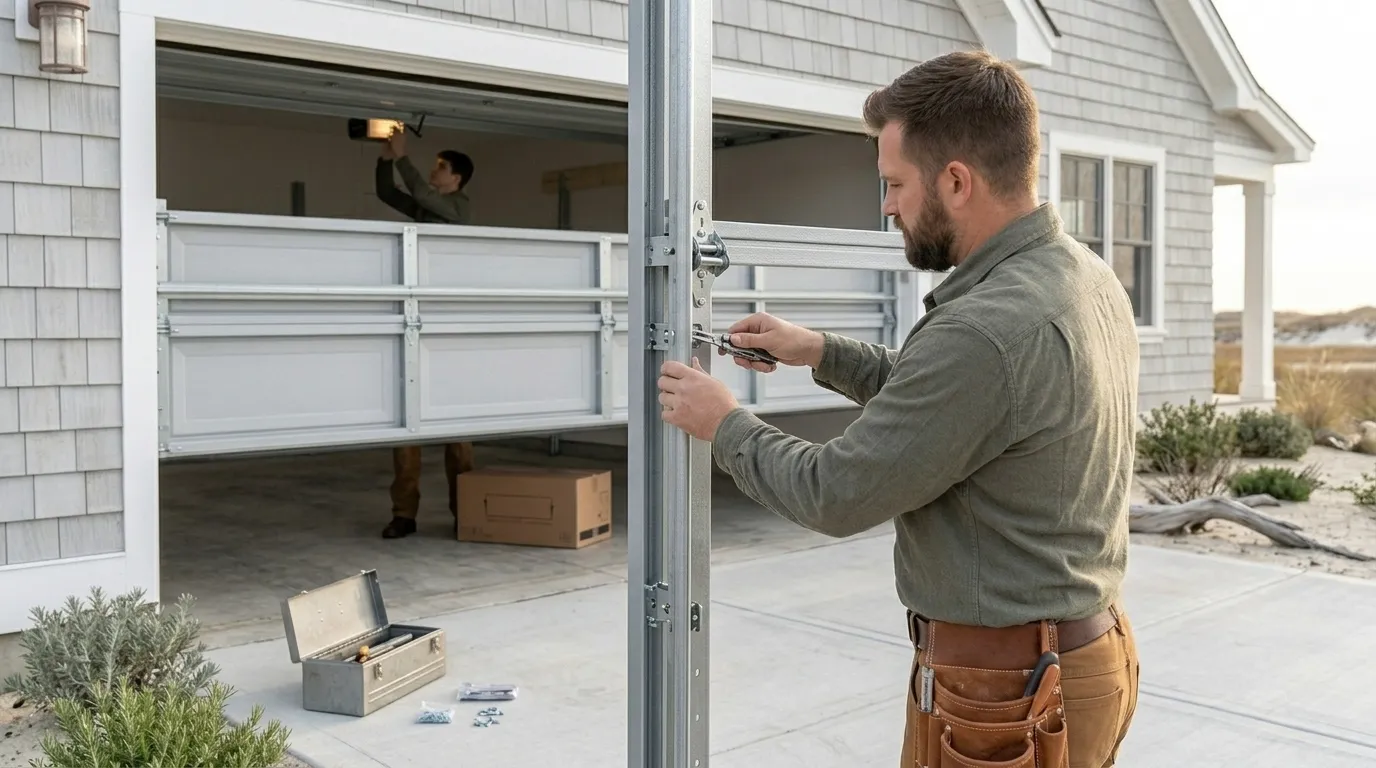
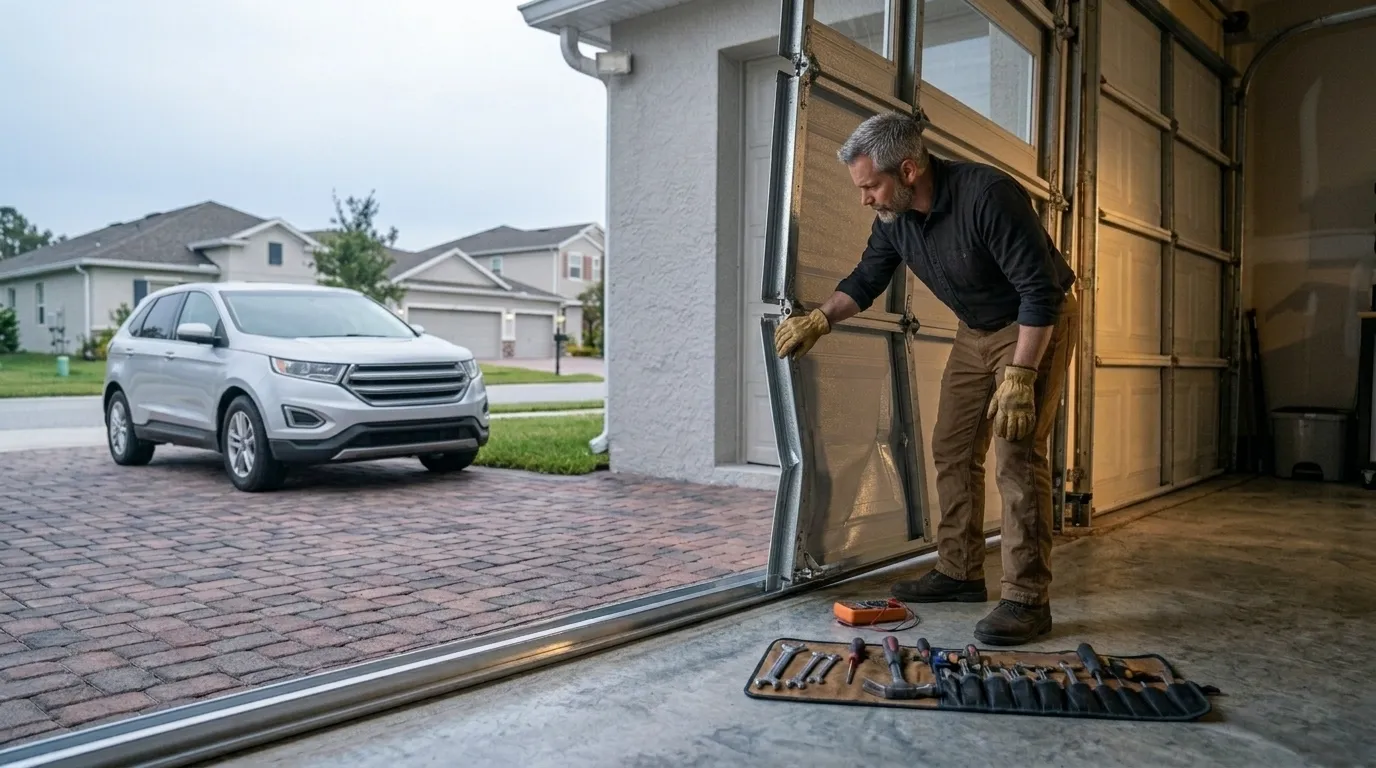
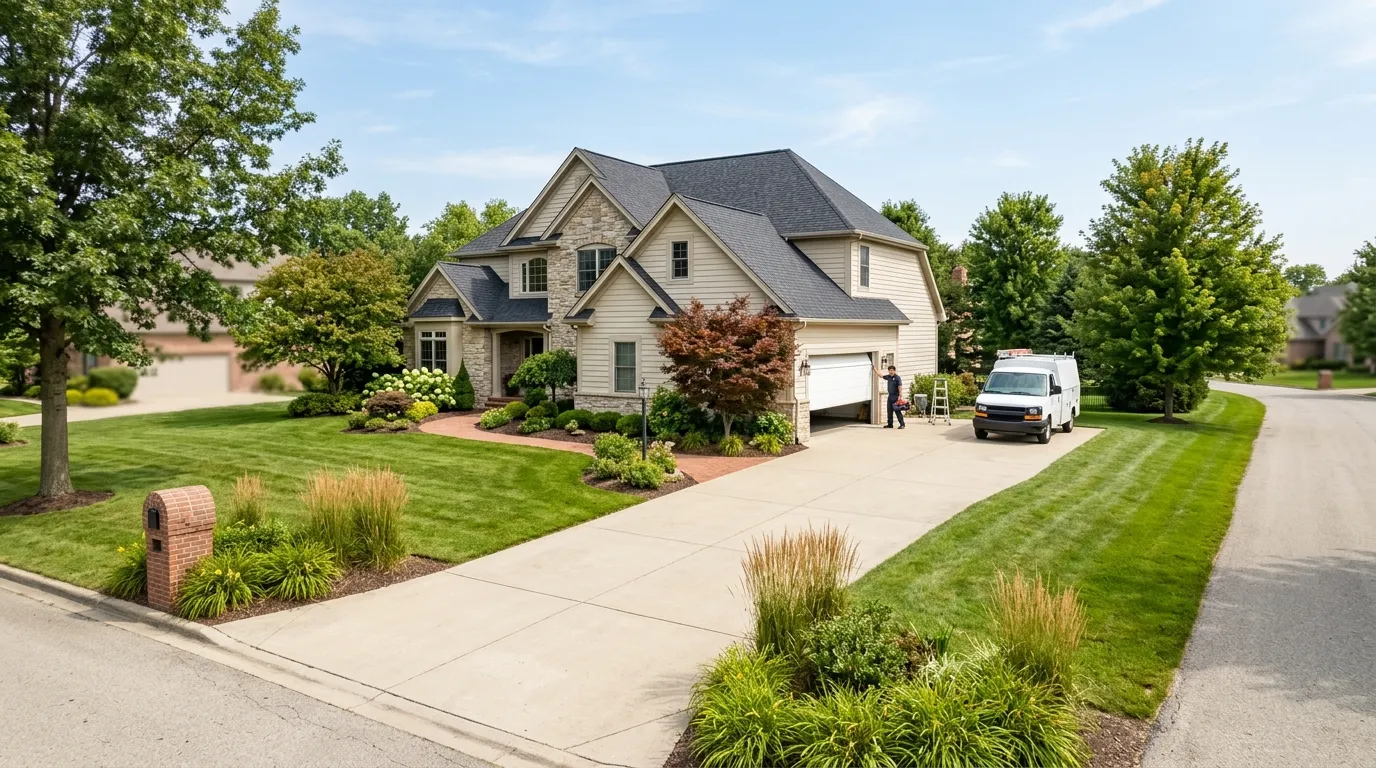
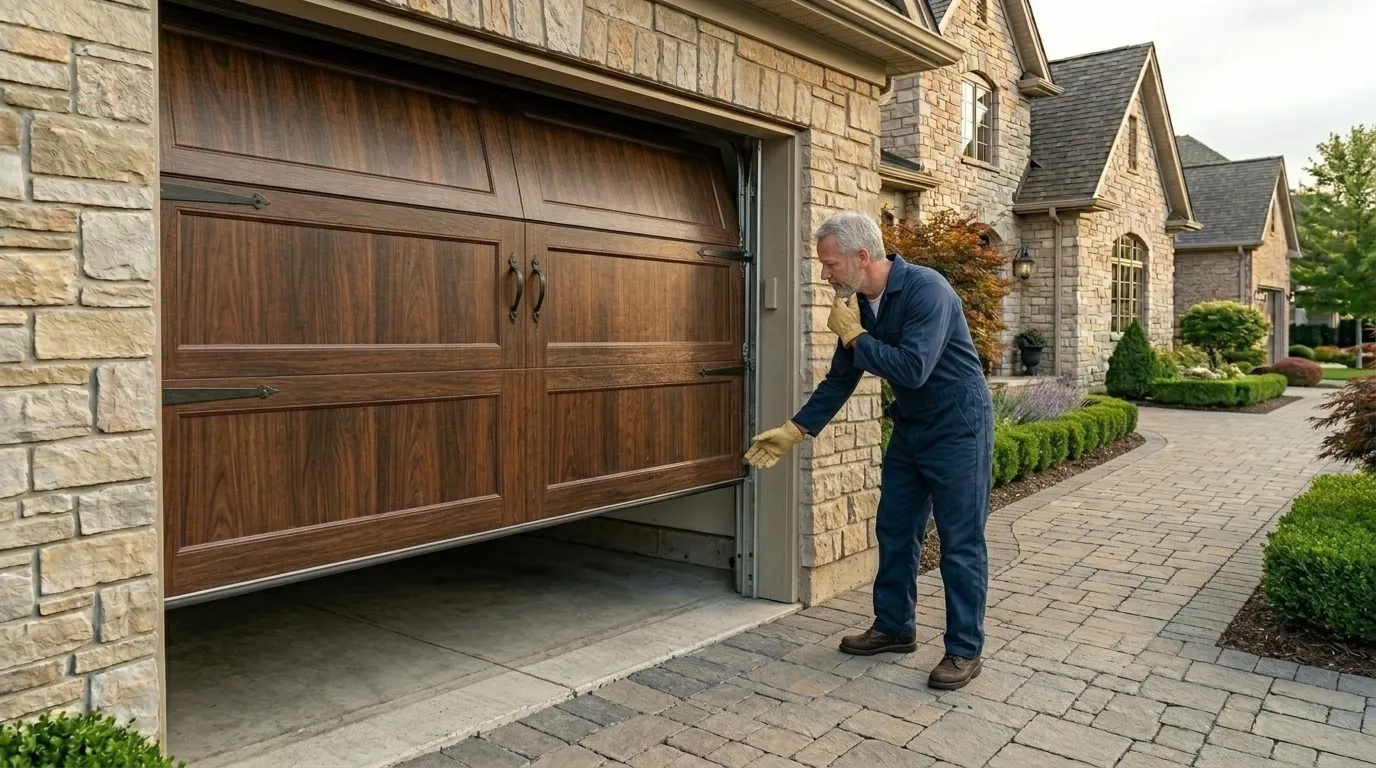
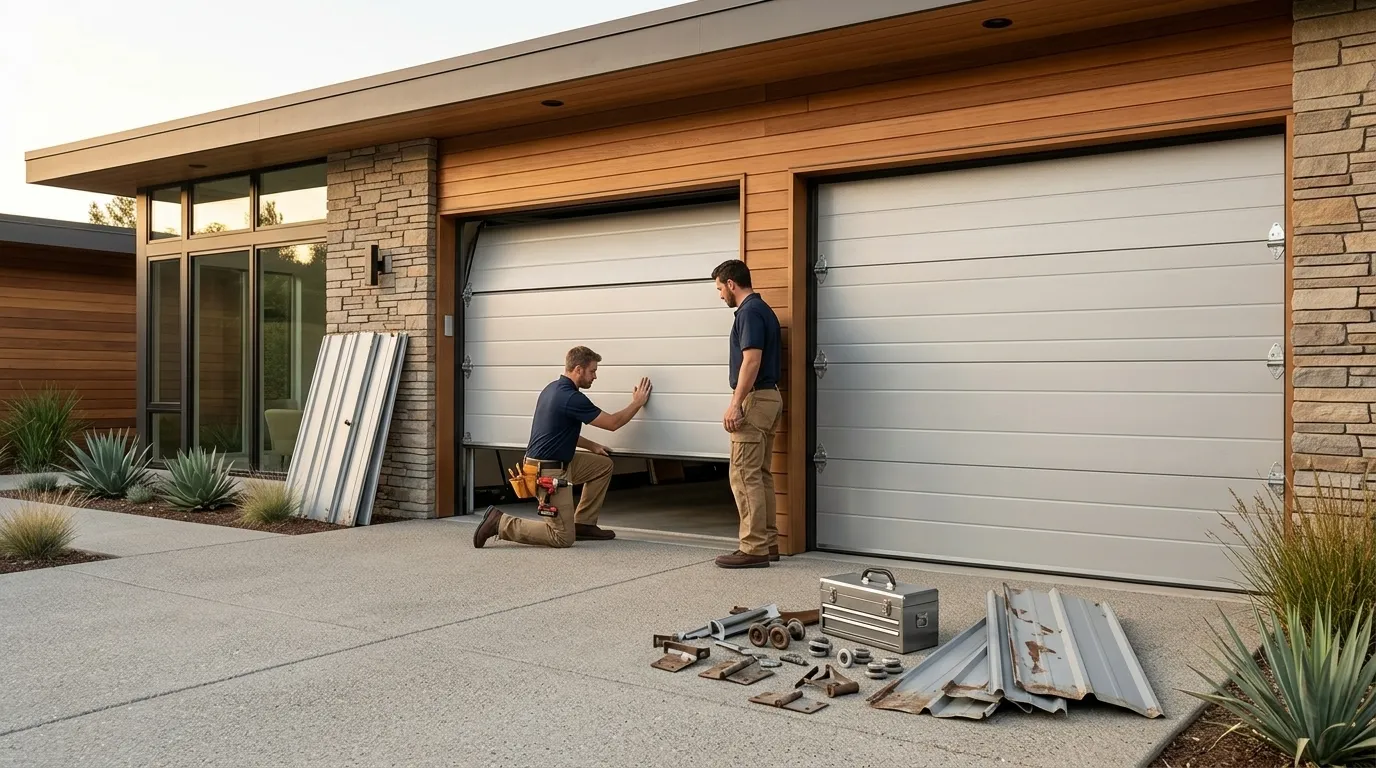
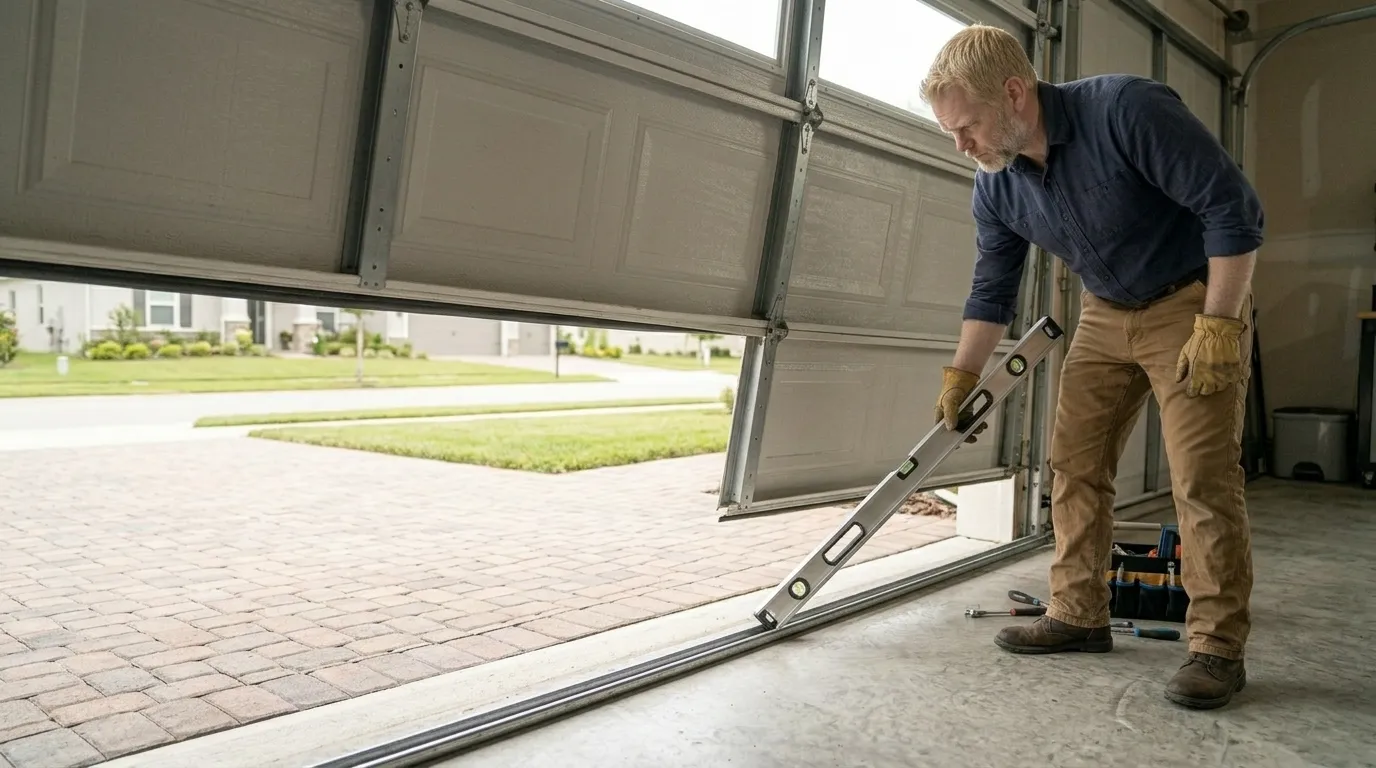
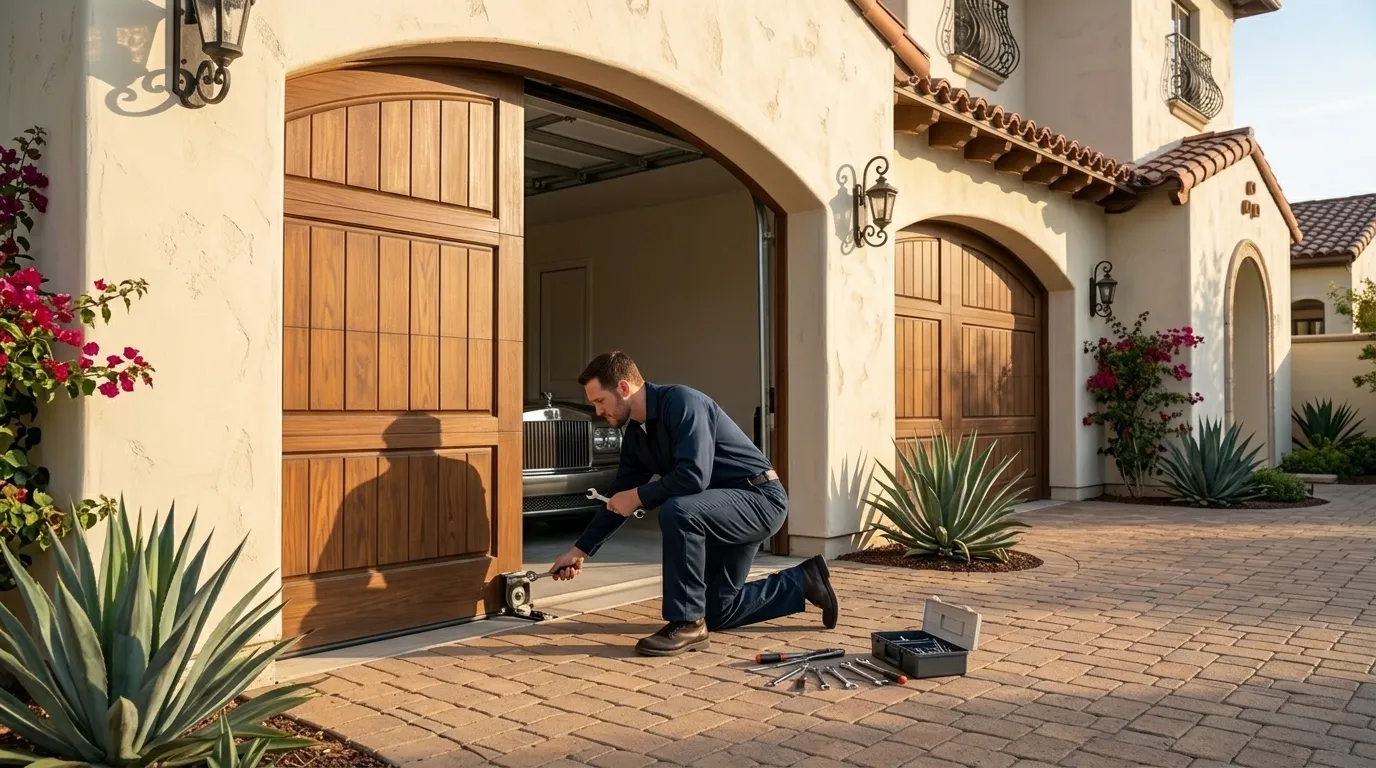
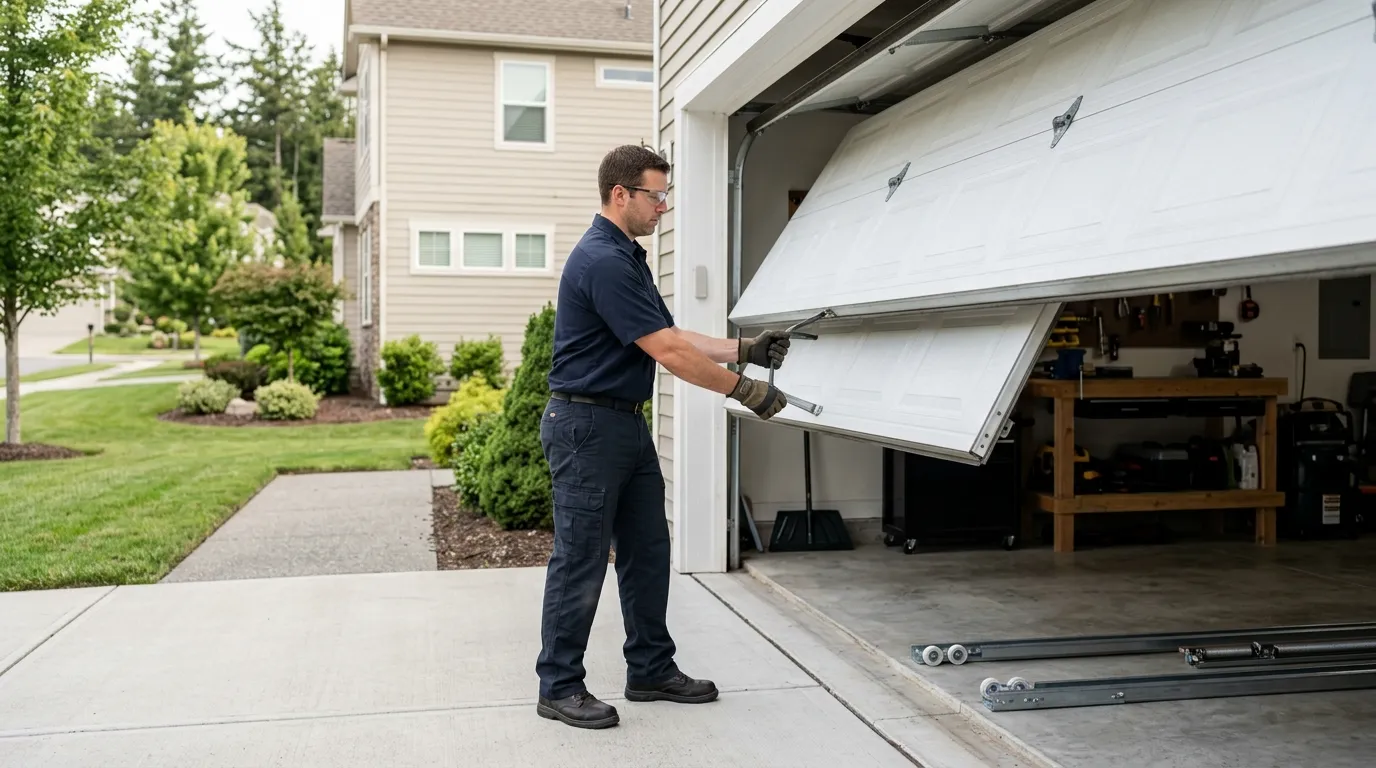
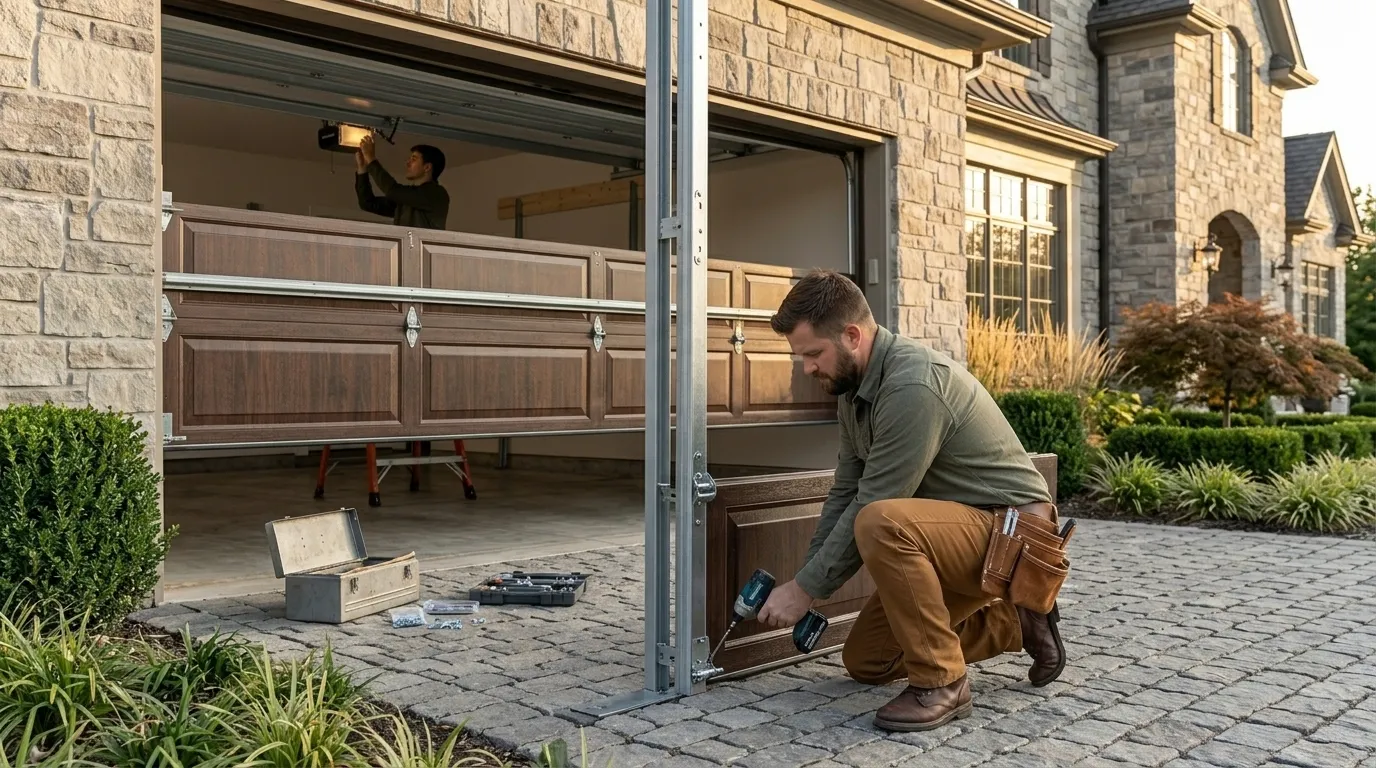
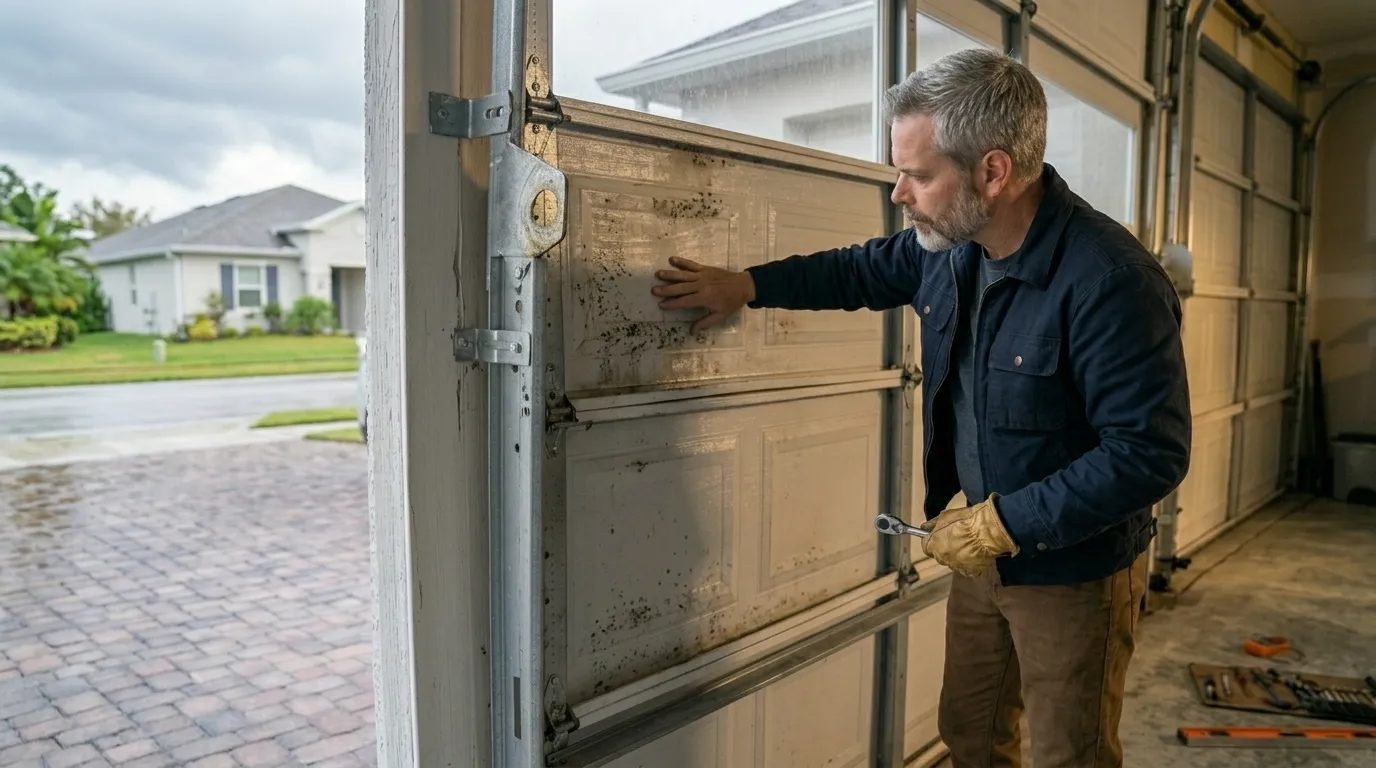
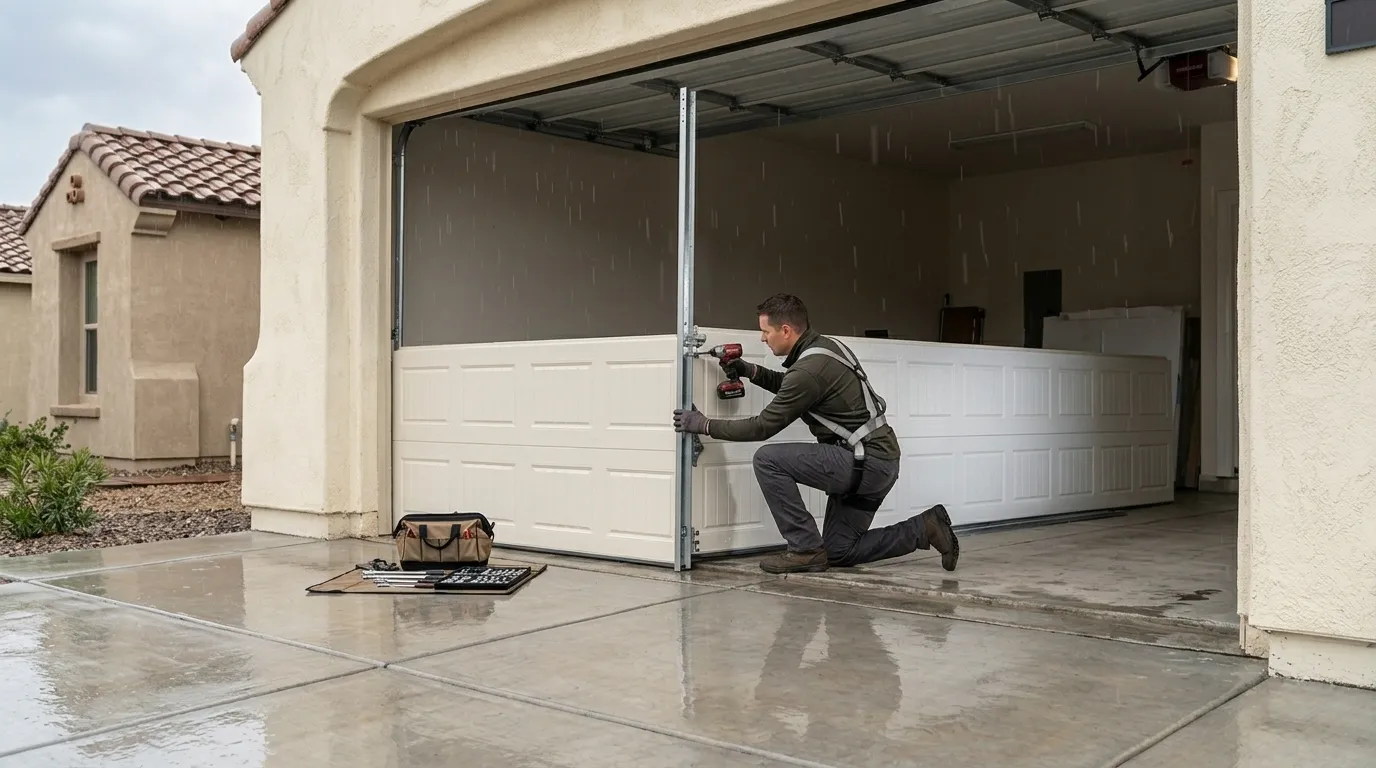
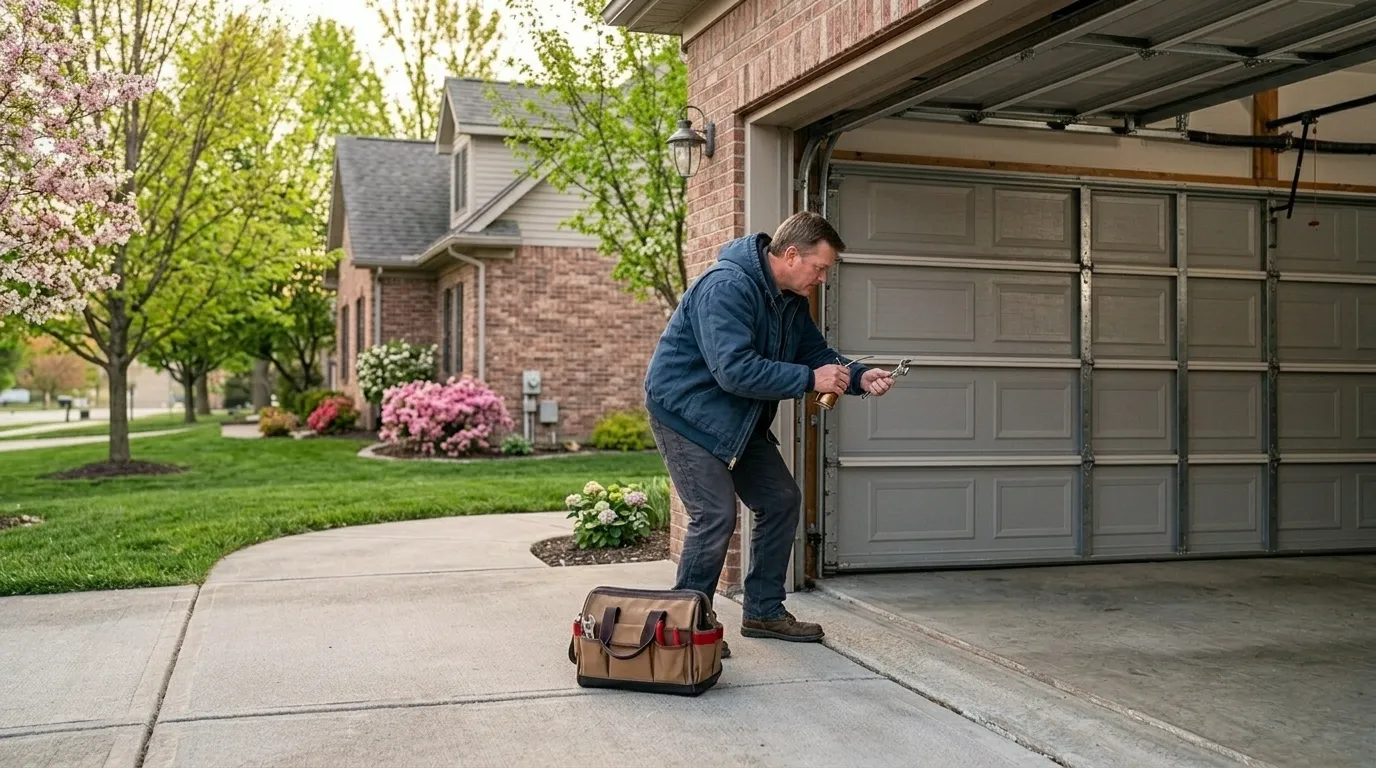
Homes in this part of the service area were mostly built between 1968 and 1999, with the typical build year landing around 1979, and that matters more than people expect. A door and opener installed anywhere near that window has usually been through two or three spring cycles already, and the winding cones, end bearings, and cable drums on the original hardware weren't built for a fourth. When we look at a door here, we're checking whether the track is still the original size for the panel weight, whether the springs match the door or were swapped at some point for whatever was on the shelf, and whether the opener's safety reversal still works - a lot of units from that era predate the photo-eye requirement entirely. One limit worth being honest about: if the opener or spring size is an old model no longer made, we may need to order the part rather than fix it same-visit. We'll tell you that up front instead of promising a same-day fix we can't back.
The Housing Here
Across the service area, which includes Ladera West, there are roughly 33,690 households and about 22,430 owner-occupied houses, with median household income around $72,188 - a mix that generally means people fixing a door rather than replacing the whole house's worth of hardware at once. The housing stock skews toward that 1960s-70s wave common across a dozen-plus named sections of the metro, and winters here sit in the cold-moderate band, which means real freeze-thaw cycling on steel springs and track hardware every year, not just an occasional cold snap. That combination - older torsion setups, decades of seasonal temperature swings, and doors that were built to the code standards of their decade rather than ours - is the pattern we plan around out here. It's not a reason to replace a door early. It's a reason to have the spring tension and track alignment checked before a cable snaps on a cold morning instead of after.