Having It Looked At
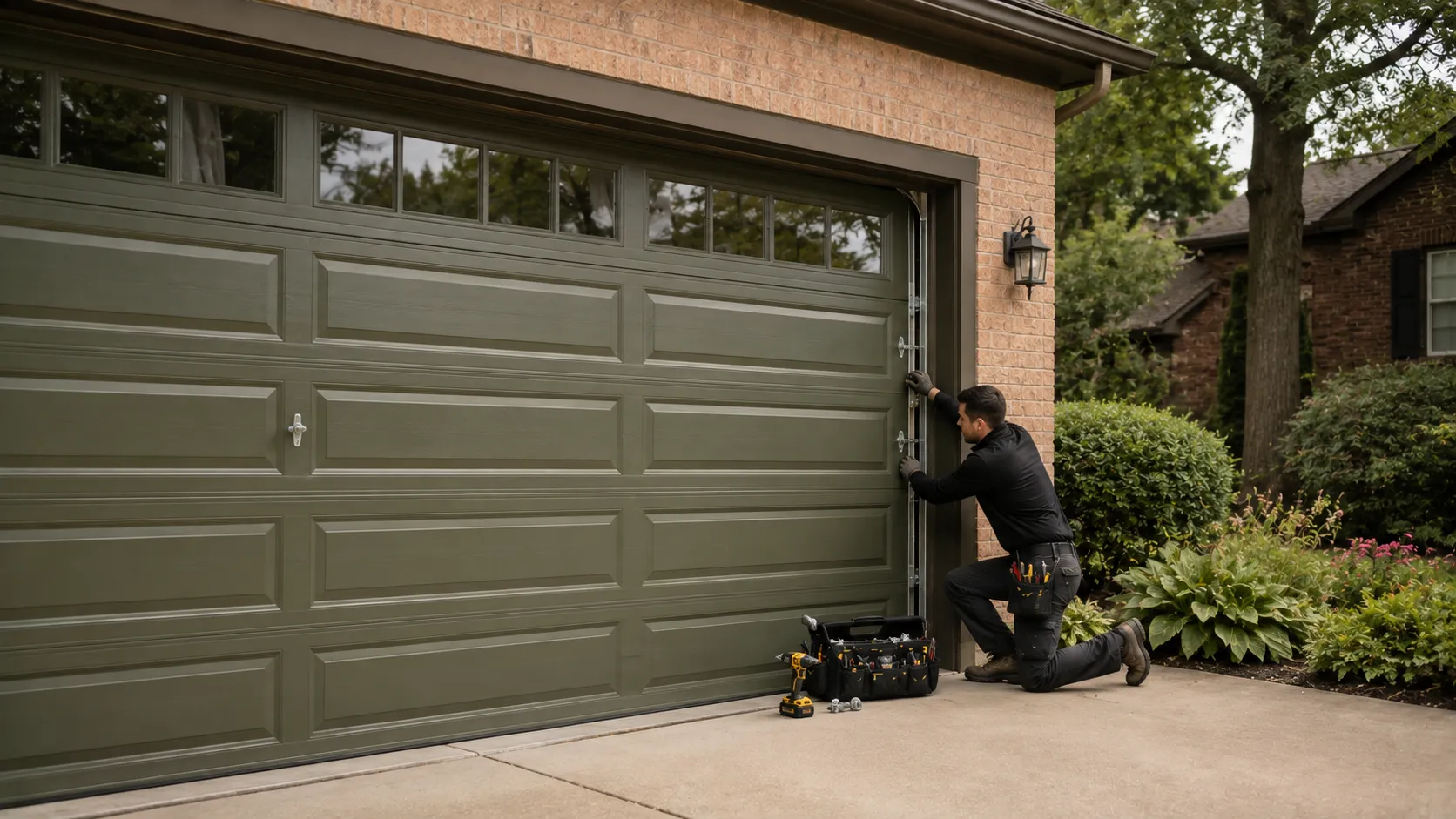
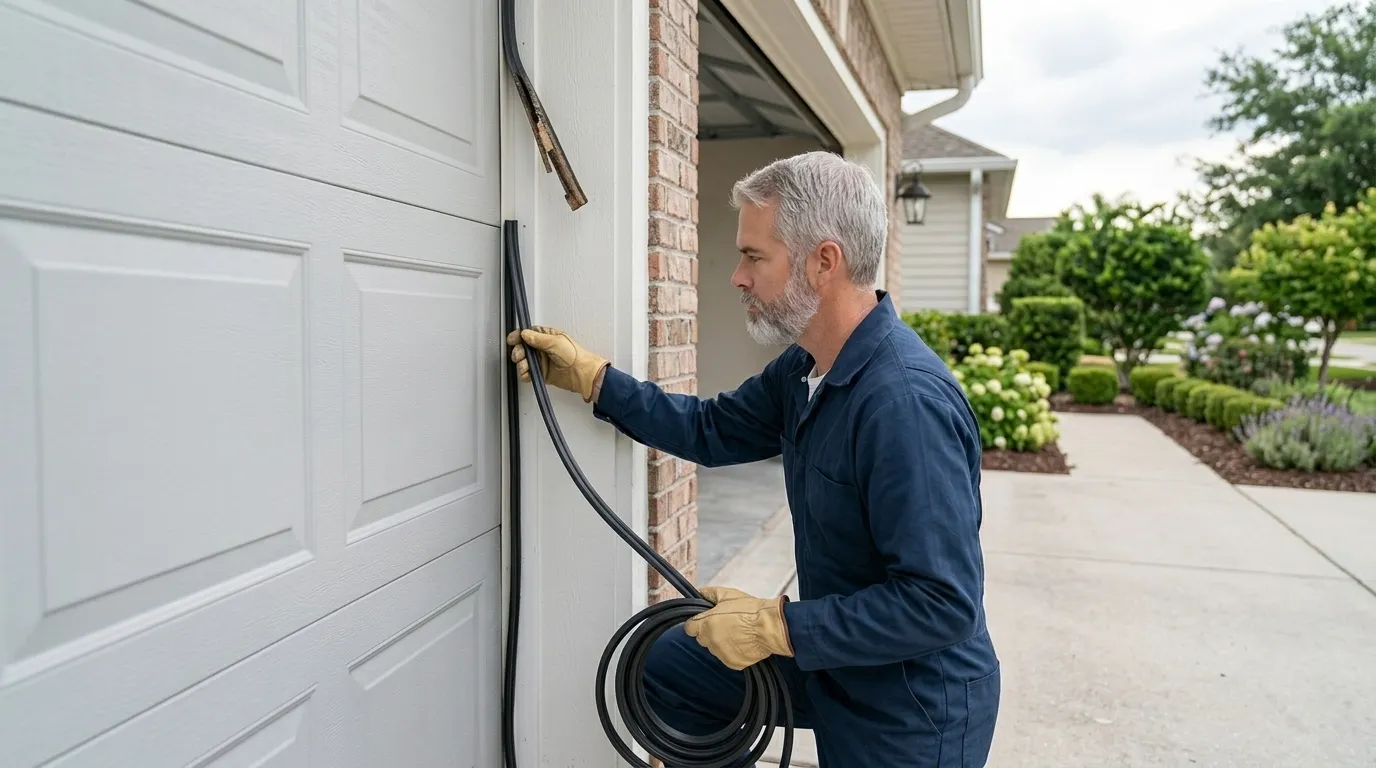
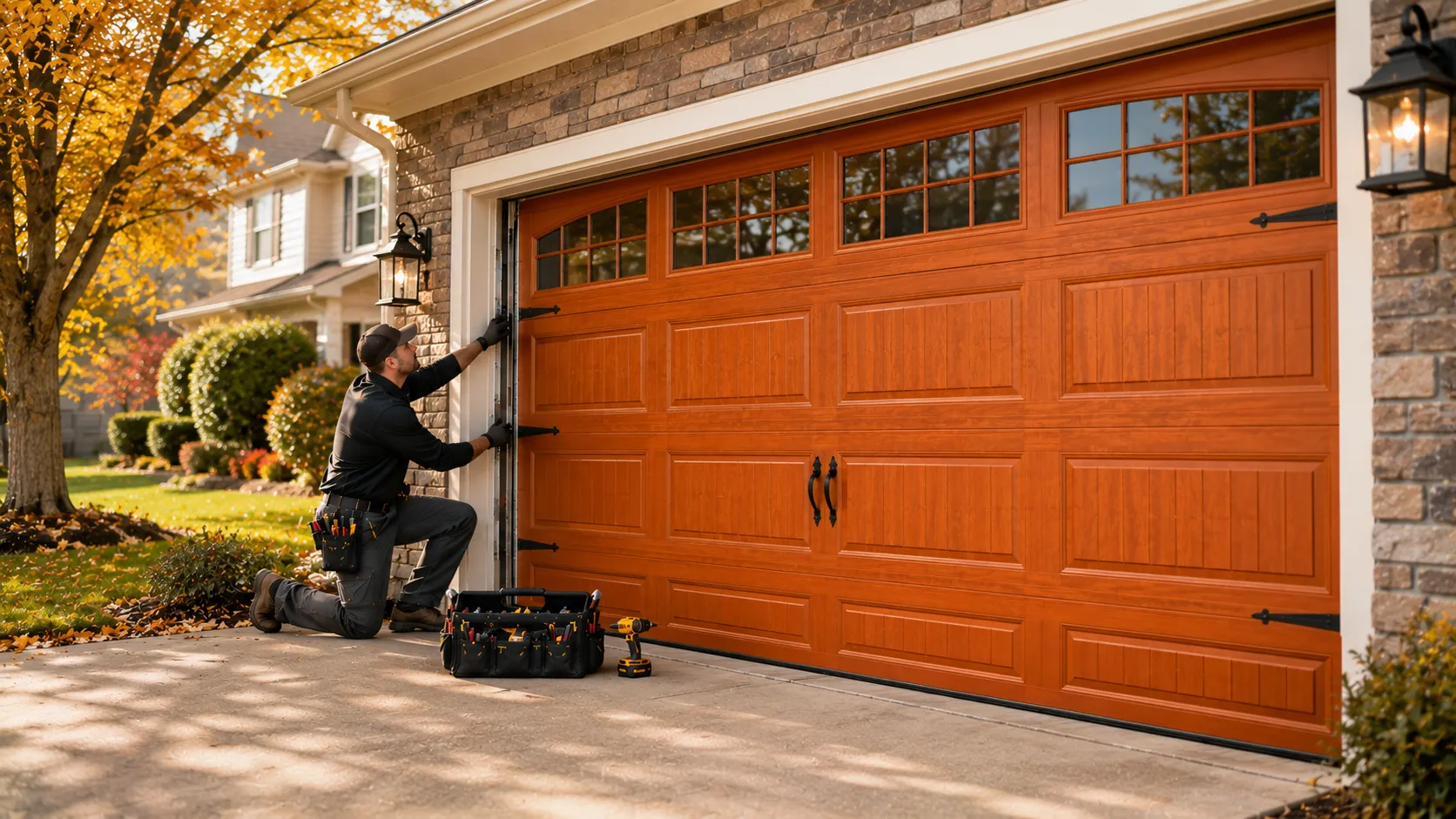
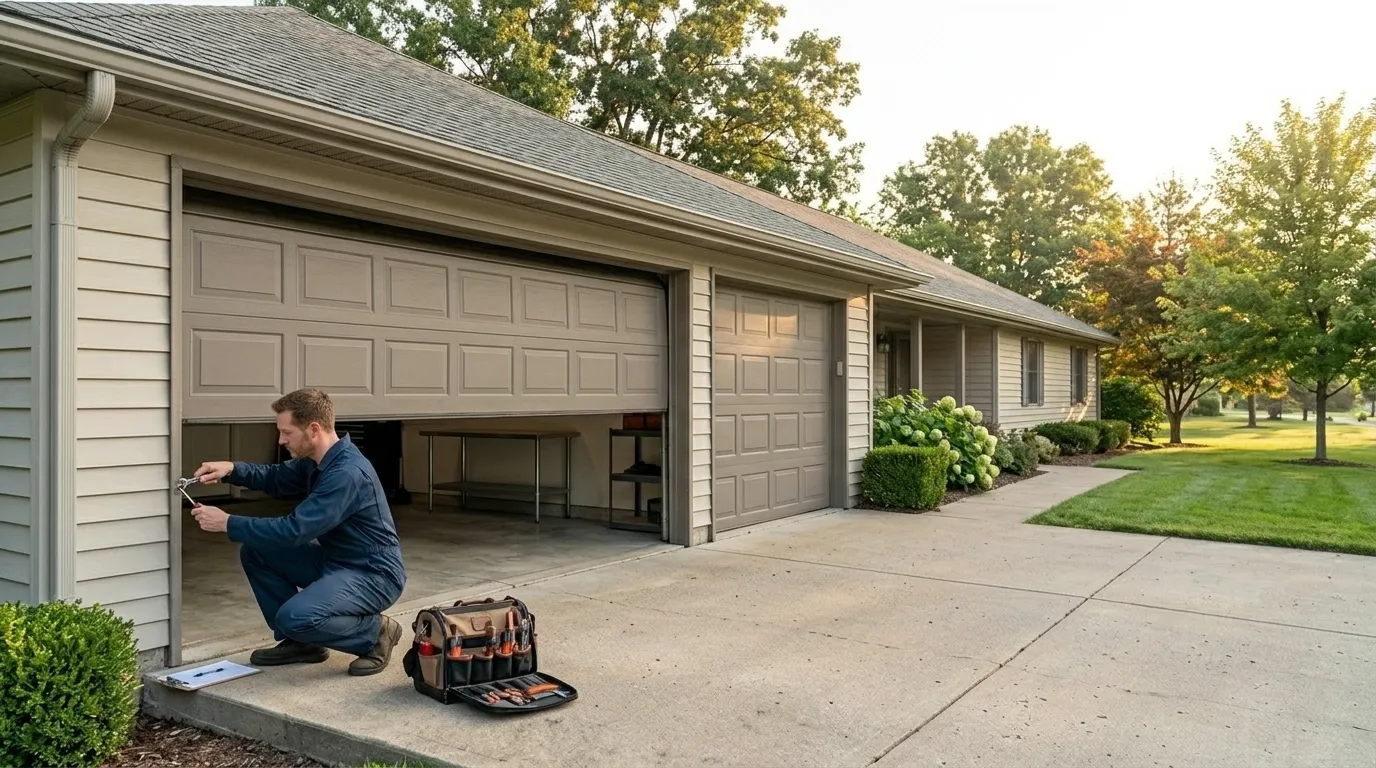
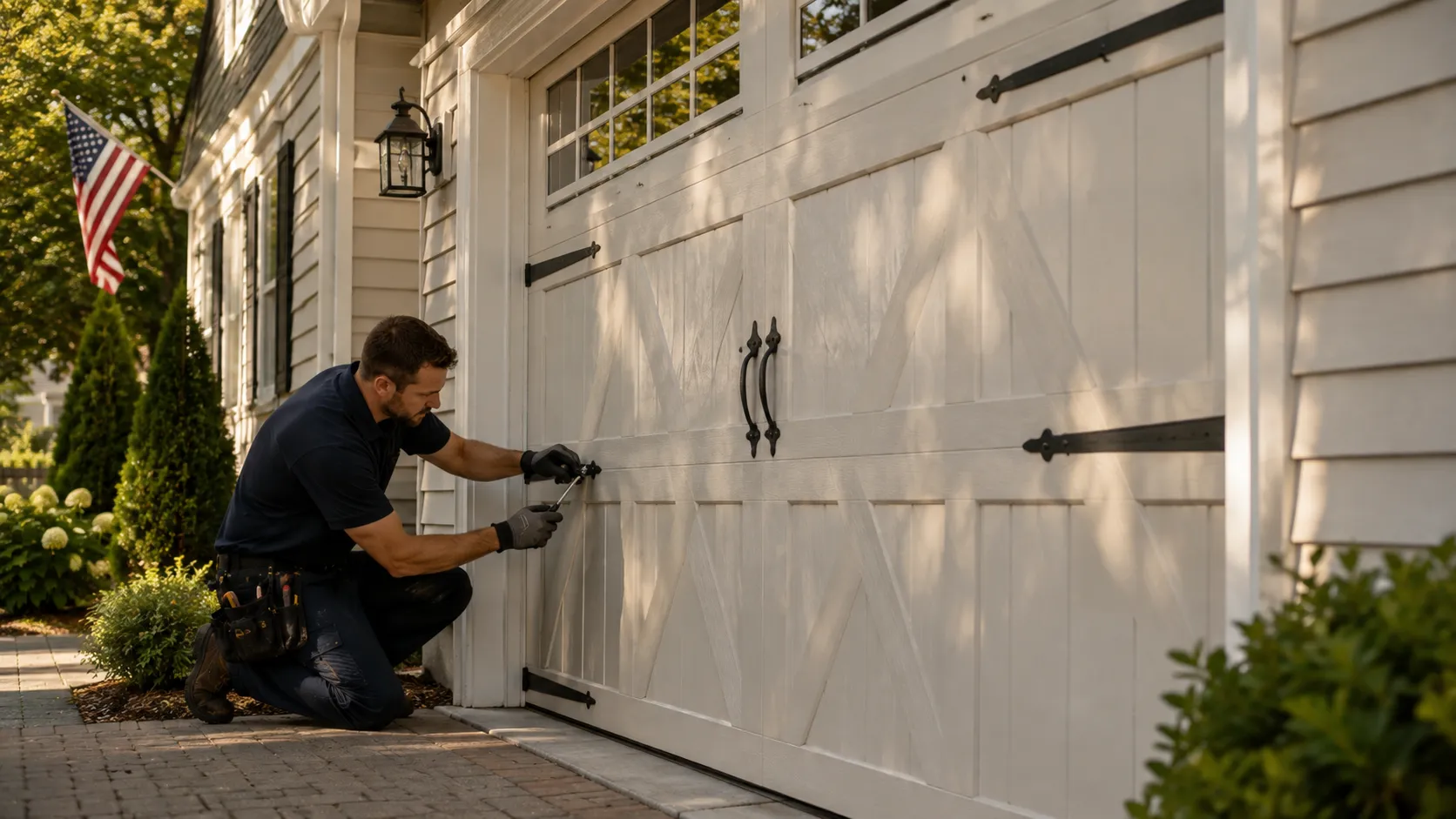
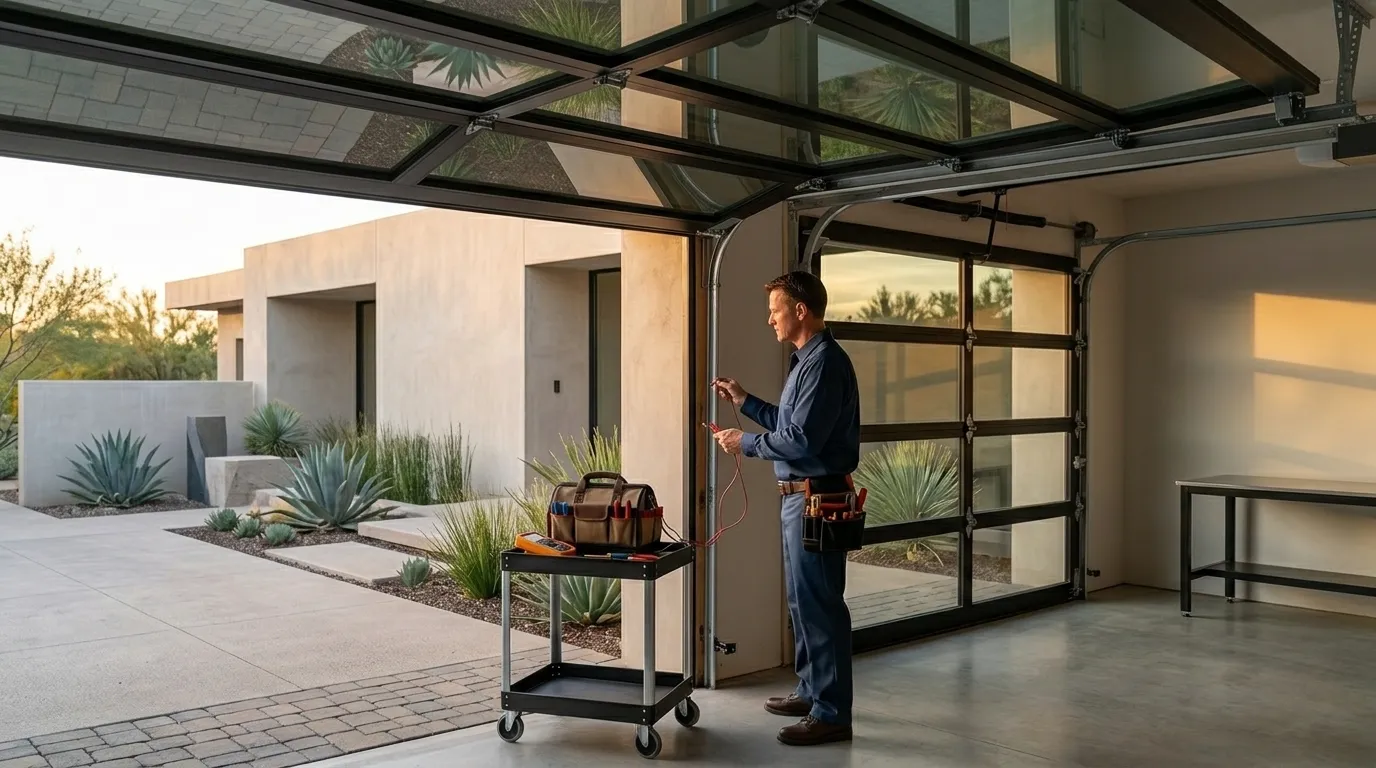
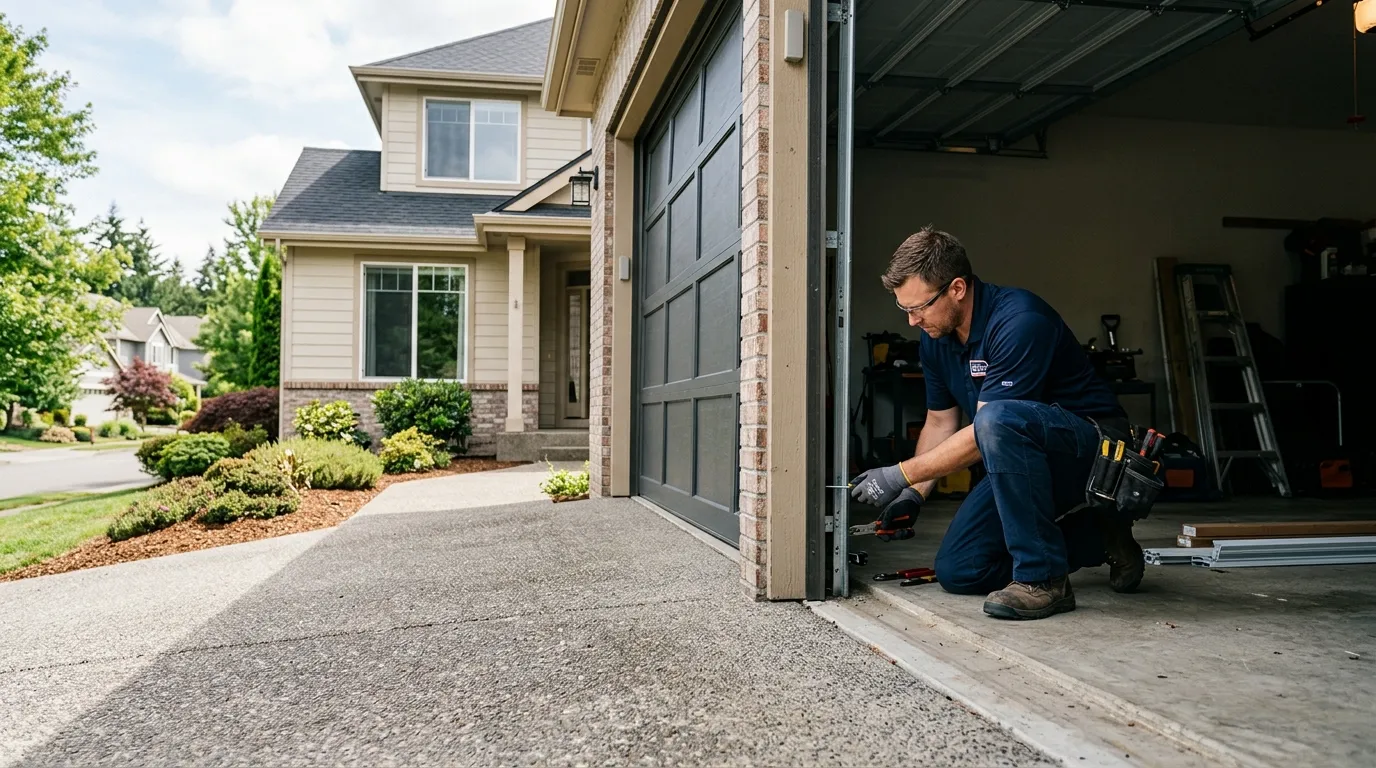
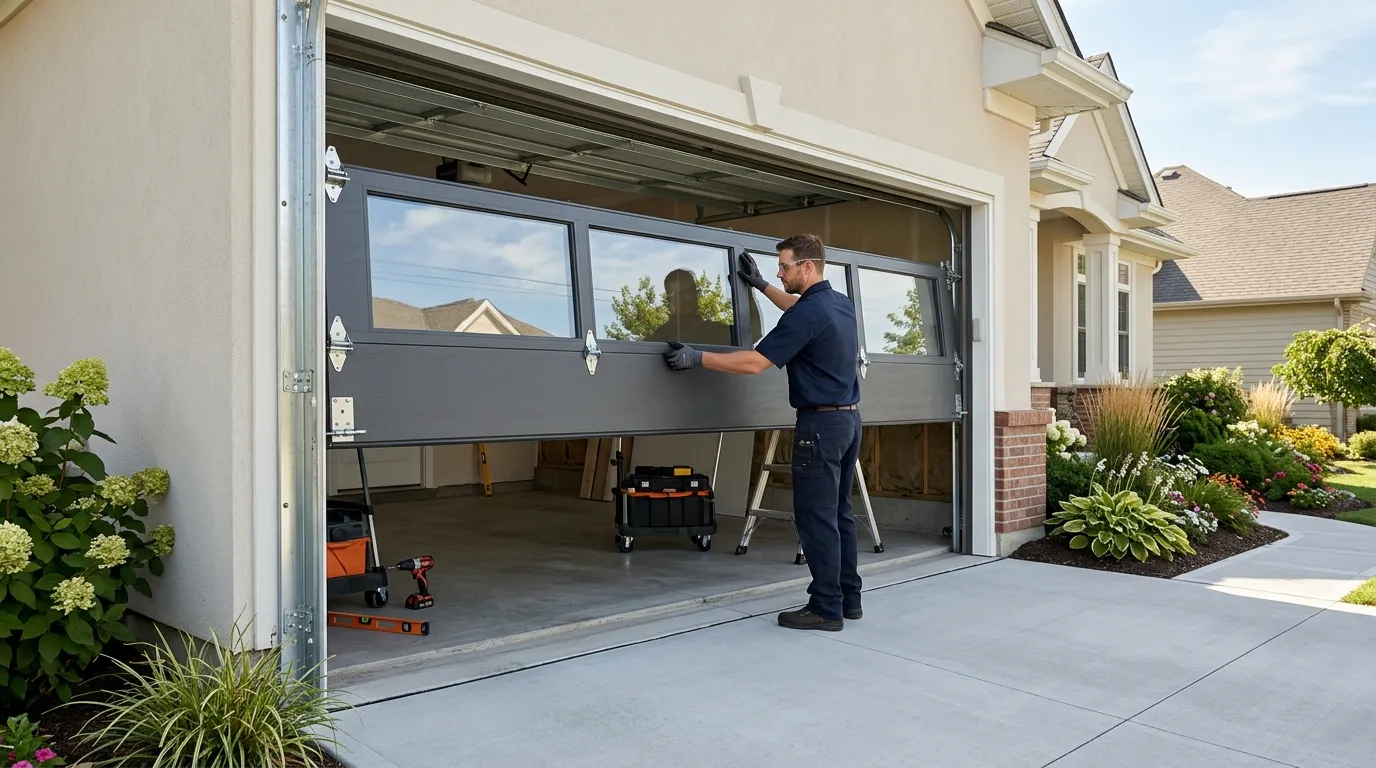
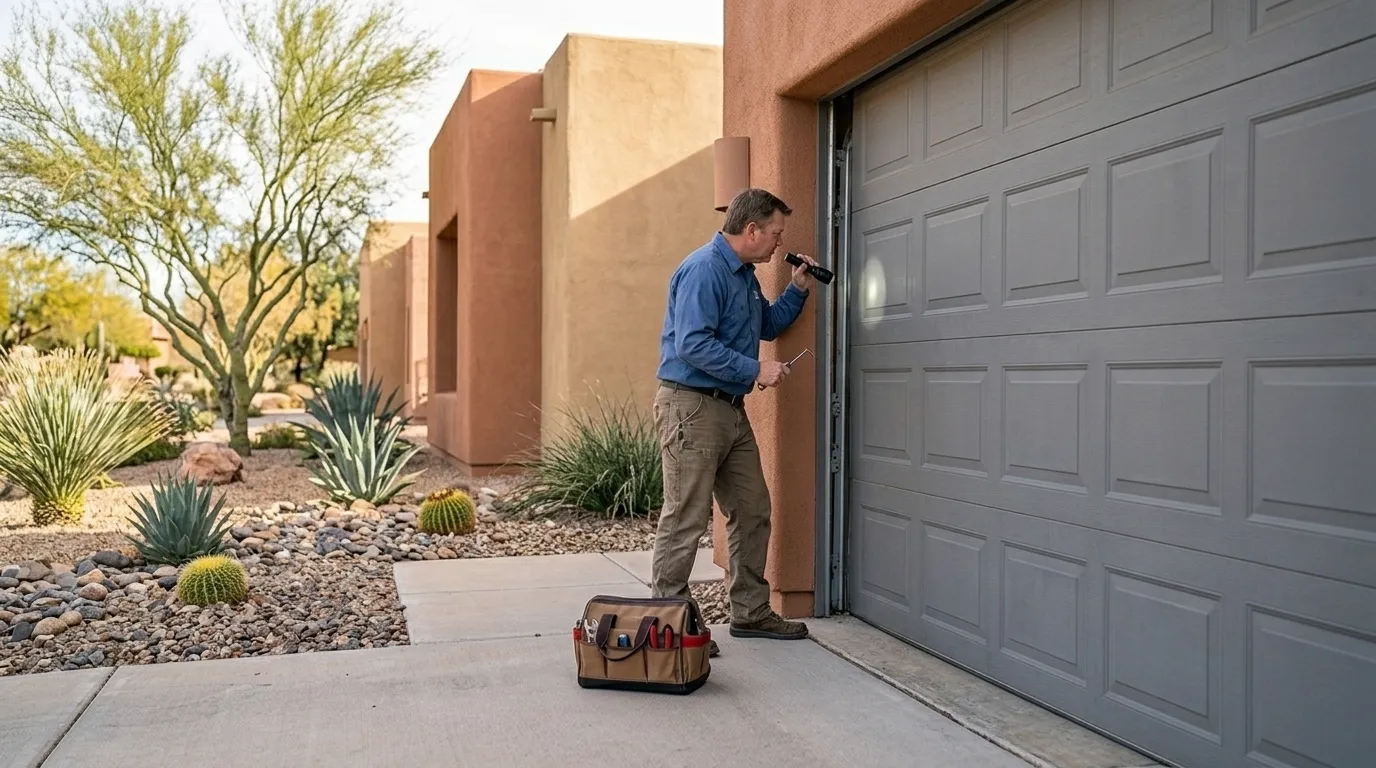
When we look at a door in Alameda, we're checking for the wear pattern that matches houses built between 1968 and 1999, with most of that stock landing around 1979. That means torsion springs and openers that have usually been replaced once already, sometimes twice, but original tracks and drums that nobody thought to swap out because they still technically worked.
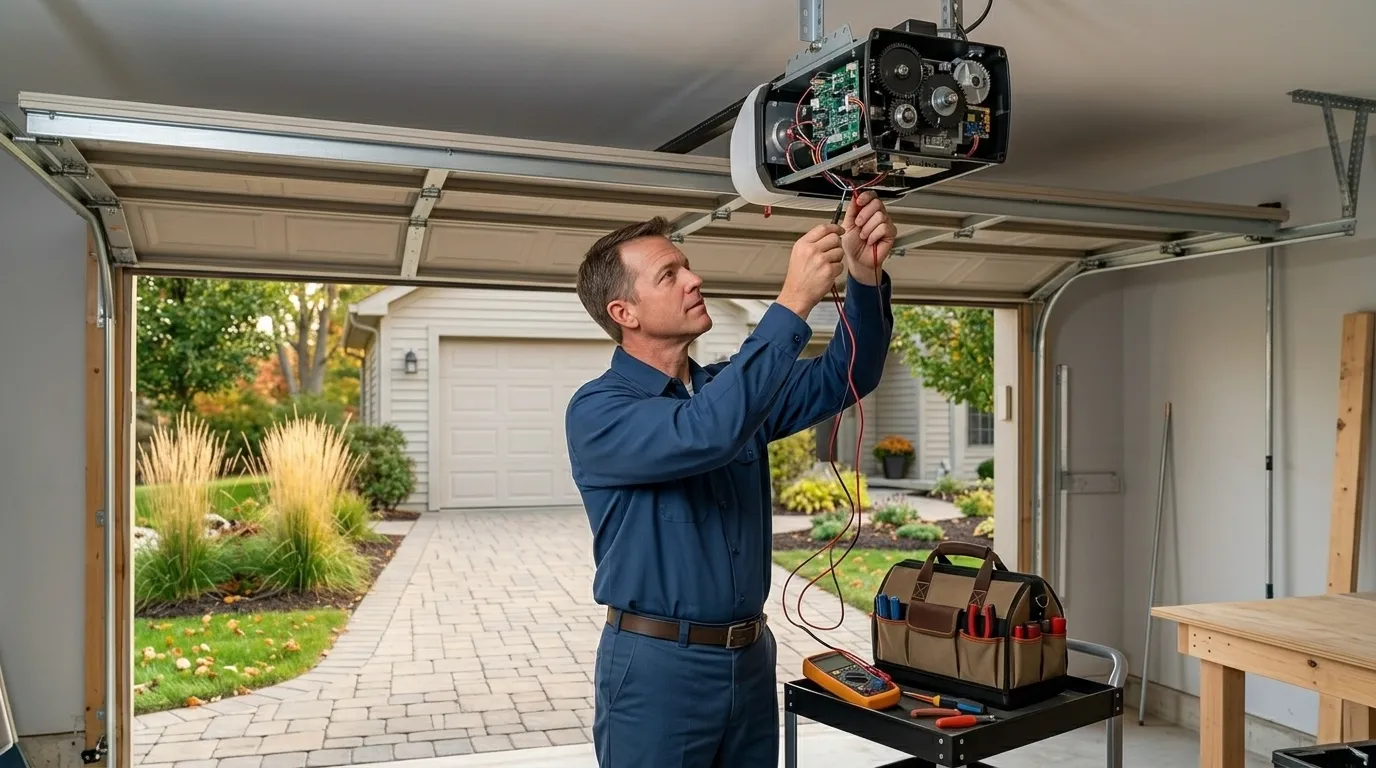
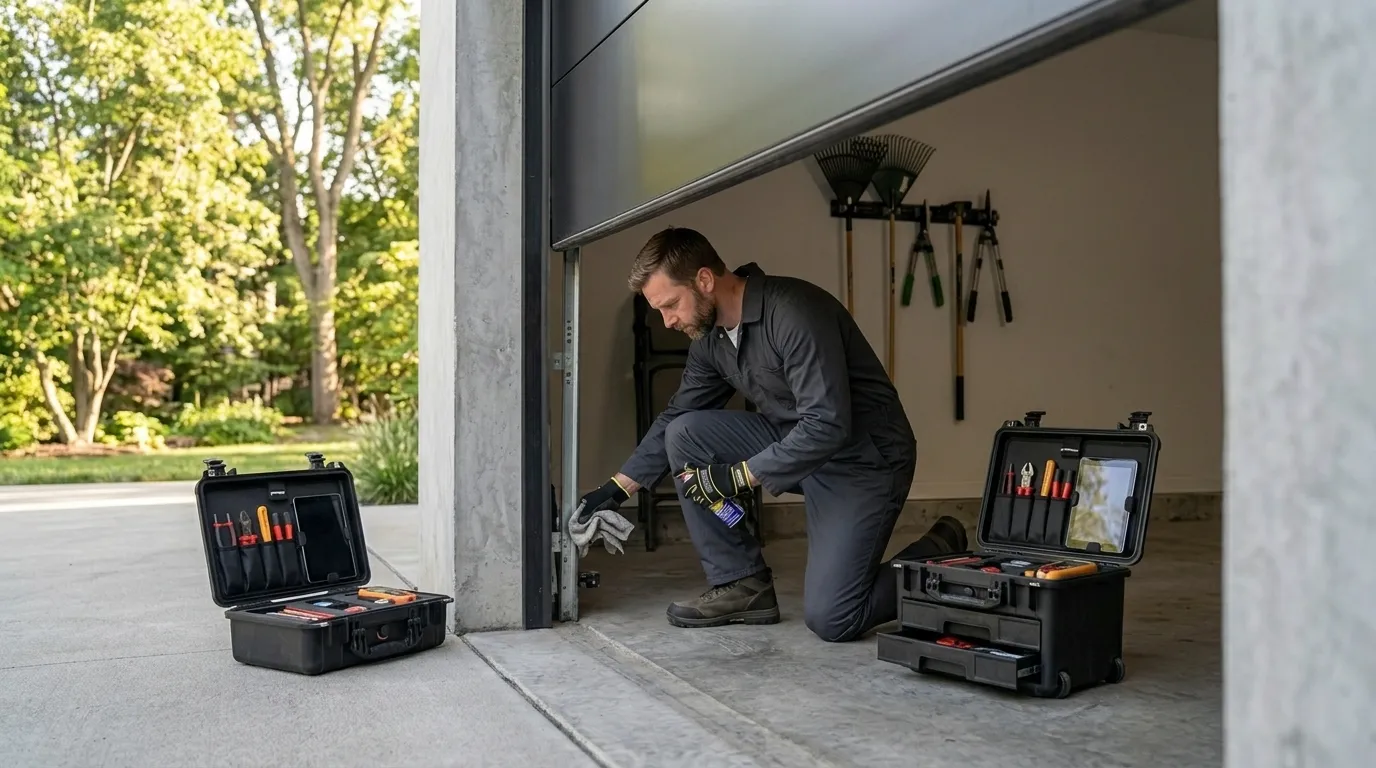
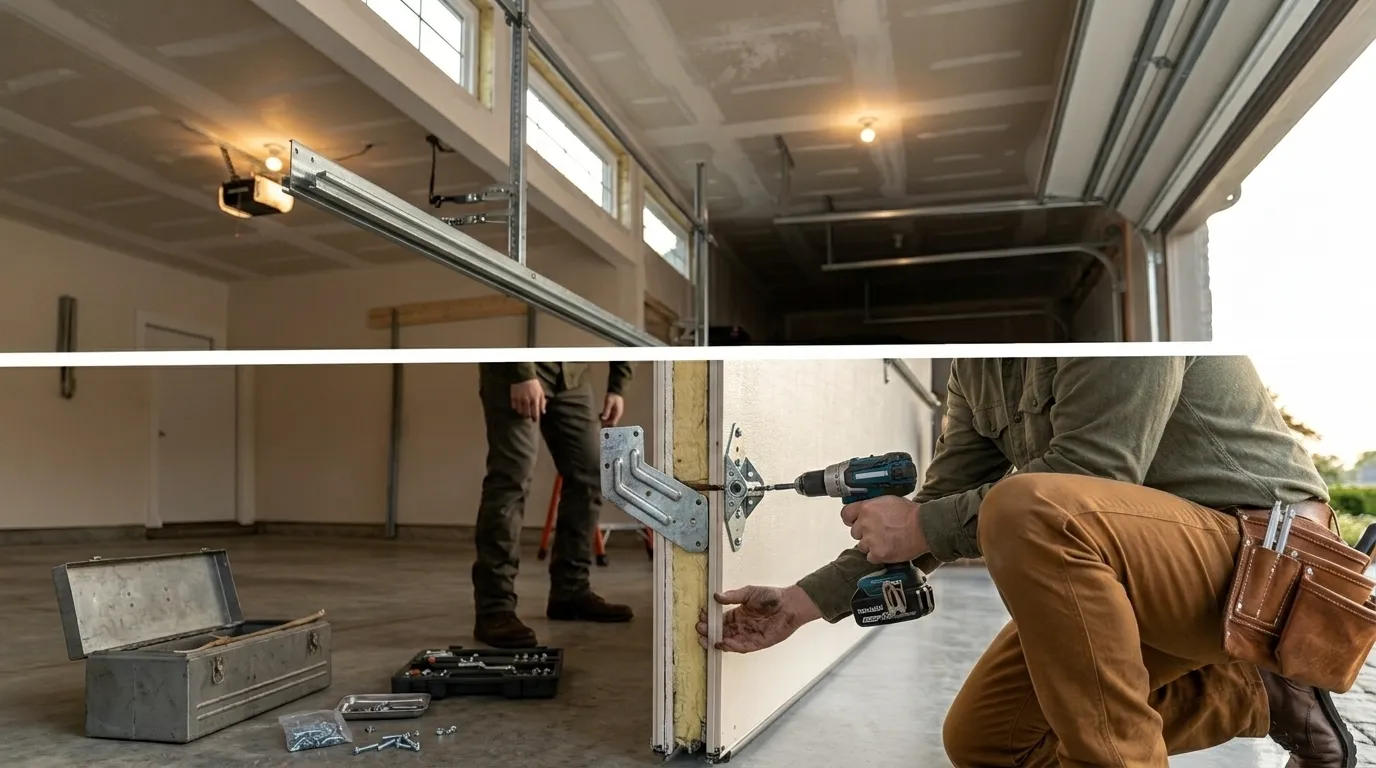
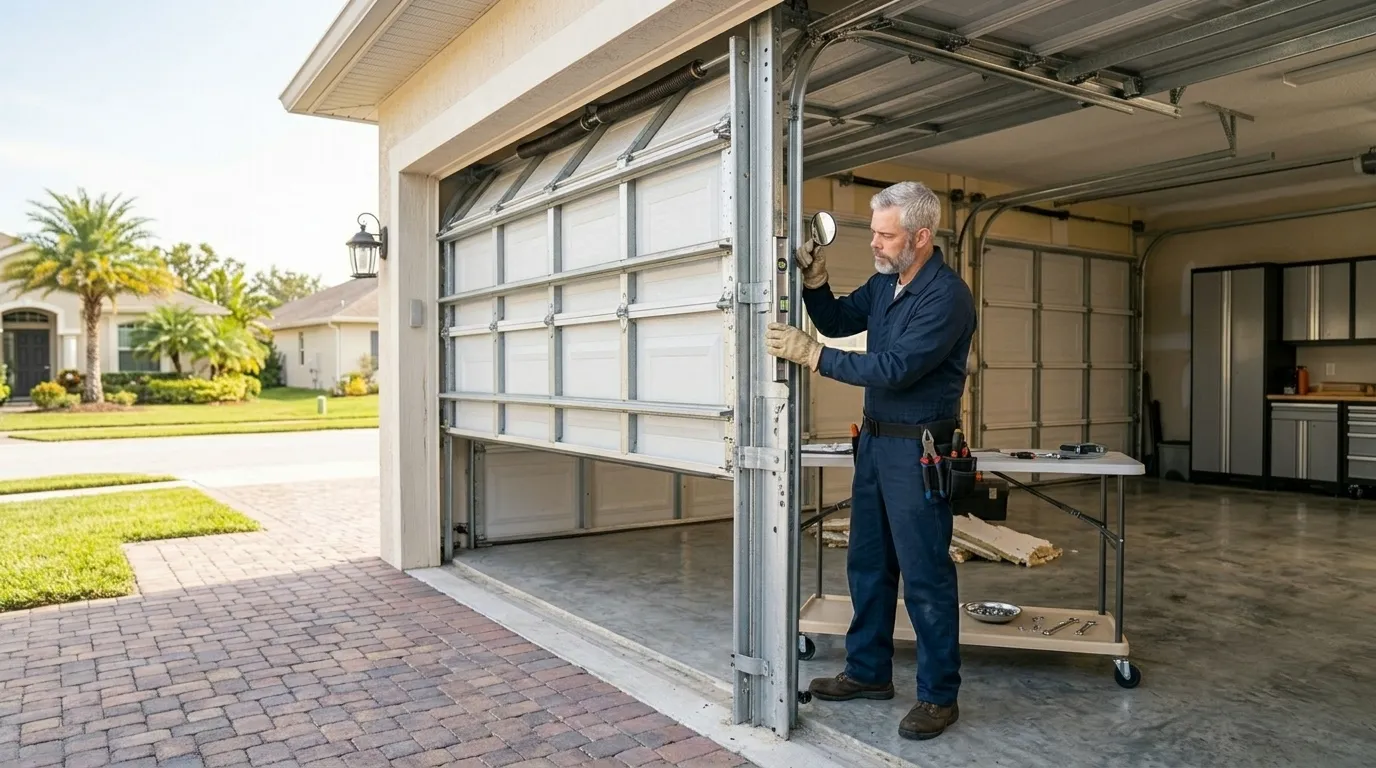
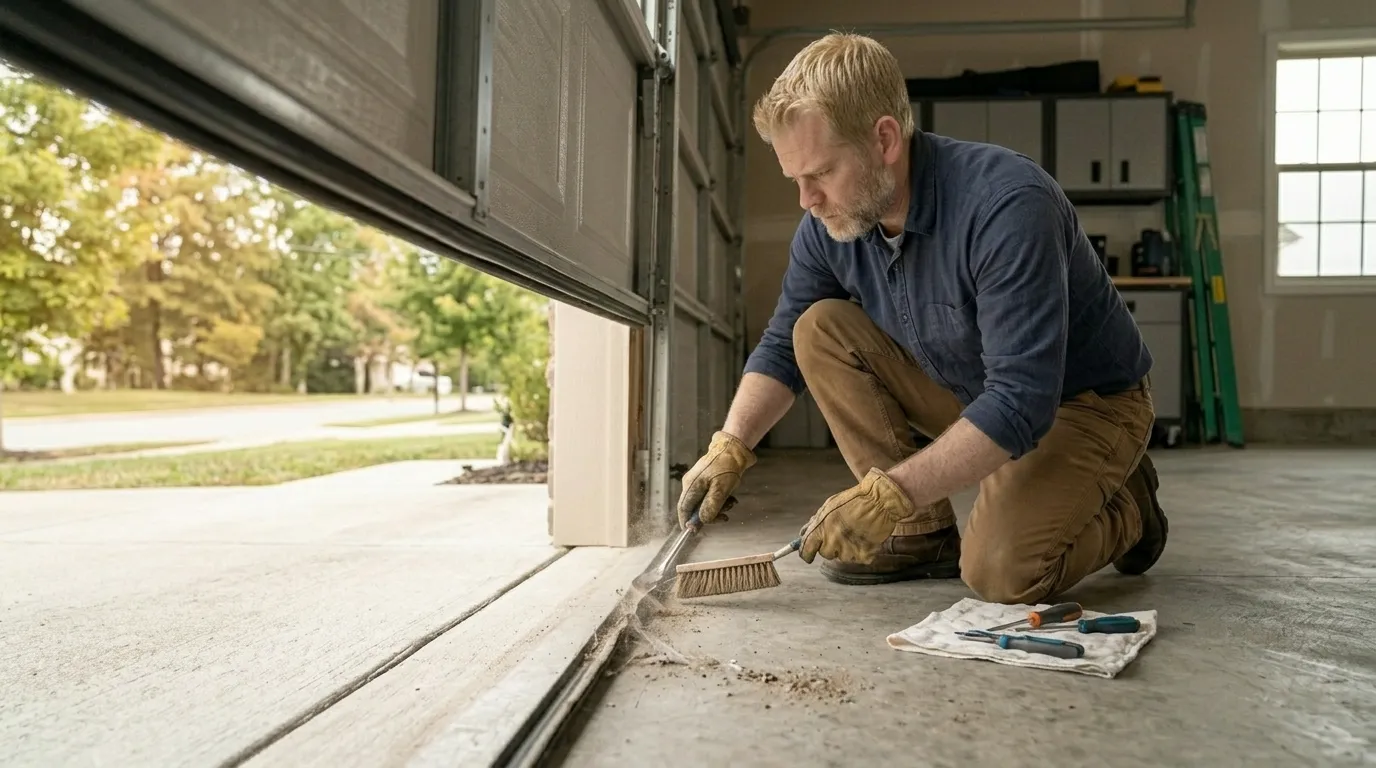
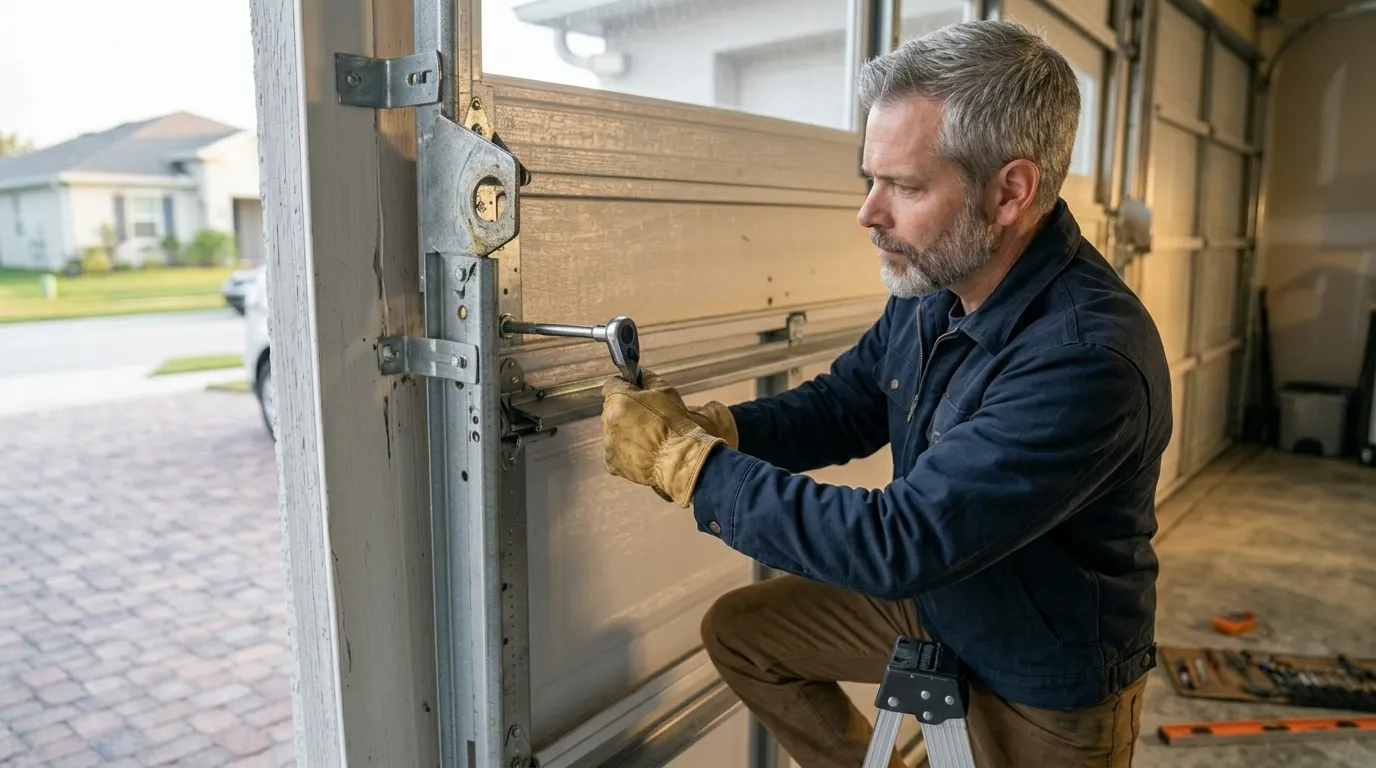
Albuquerque's climate band runs cold-moderate, and that shows up here as stiff springs in January and dried-out rollers by February - not dramatic weather damage, just the slow toll of freeze-thaw cycling on hardware that's been in place for decades. We'll test the balance, check the cable drums for rust, and look at the bottom bracket before we talk about opener boards or sensors.
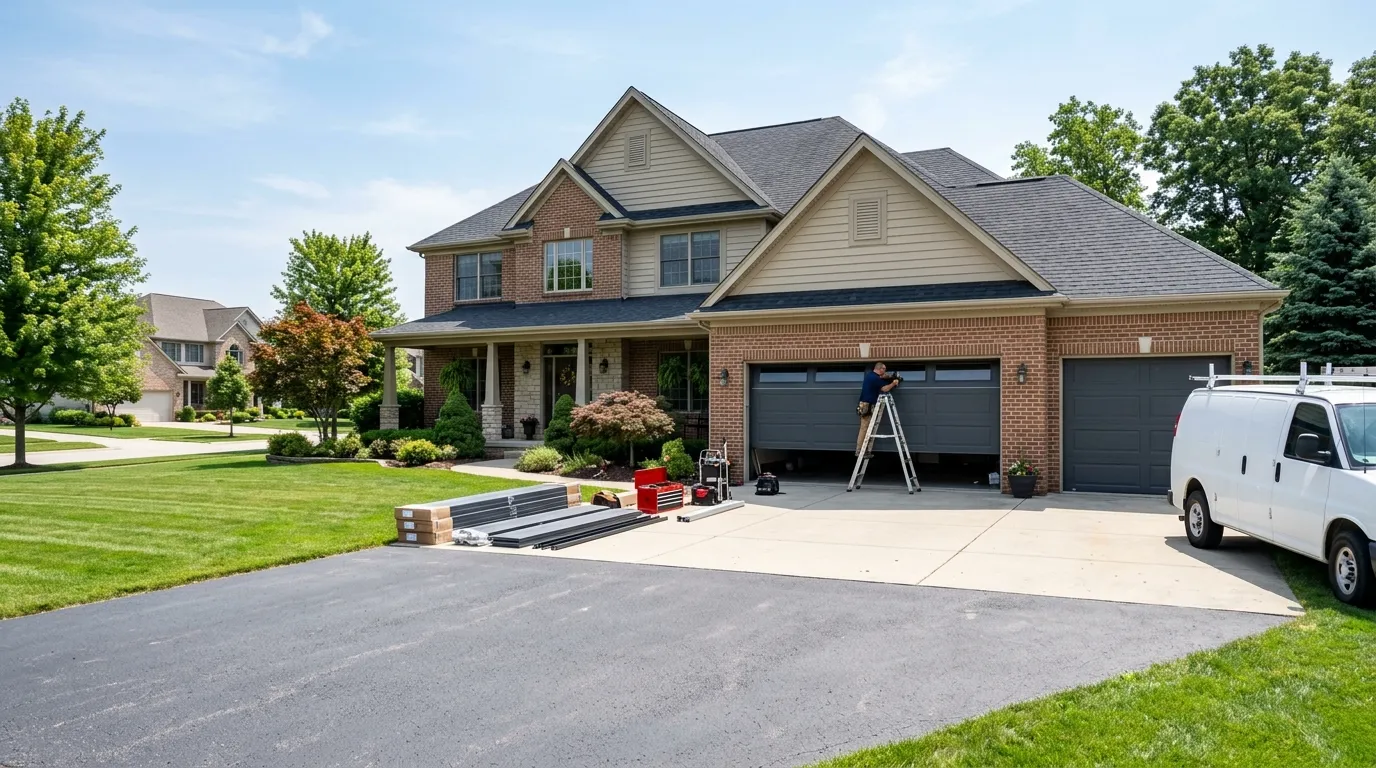
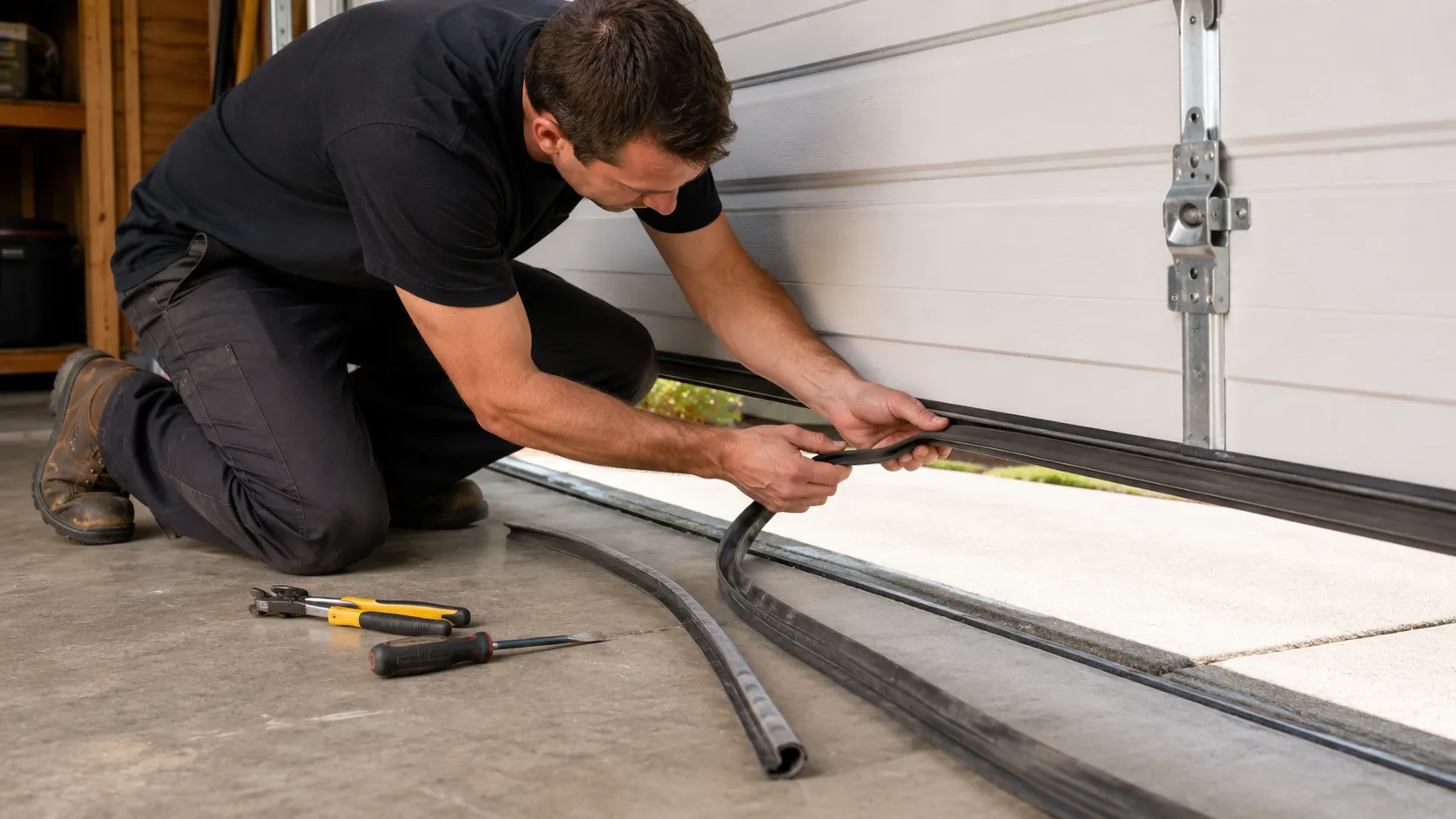
Honest limitation: if the drum and track are original to a 1970s build, we may tell you replacement is the better call rather than patching a system where parts are hard to source. We'd rather say that up front than sell you a repair that won't hold.
The Housing Here
Alameda's houses line up with the broader pattern across the service area - mostly 1960s-and-70s stock spread across the thirteen named areas we track, with a build-year median sitting right around 1979. That's a specific decade of garage door hardware: torsion springs sized for lighter wood doors, openers from an era before rolling-code security was standard, and tracks that were never meant to carry the heavier insulated panels a lot of owners have since installed.
Across the wider service area, median household income runs about $72,188, which is part of why we see a mix - some owners doing a straight spring swap to keep the original door running, others deciding it's time for a full replacement once the opener and springs both need attention at once. Neither call is wrong; it depends on what's actually failing and what the door is made of underneath the paint.
We don't have street-level detail for Alameda beyond its distance and direction from the city center, so we won't pretend to know your block. What we do know is the decade your hardware came from, and that tells us most of what to check first.