Having It Looked At
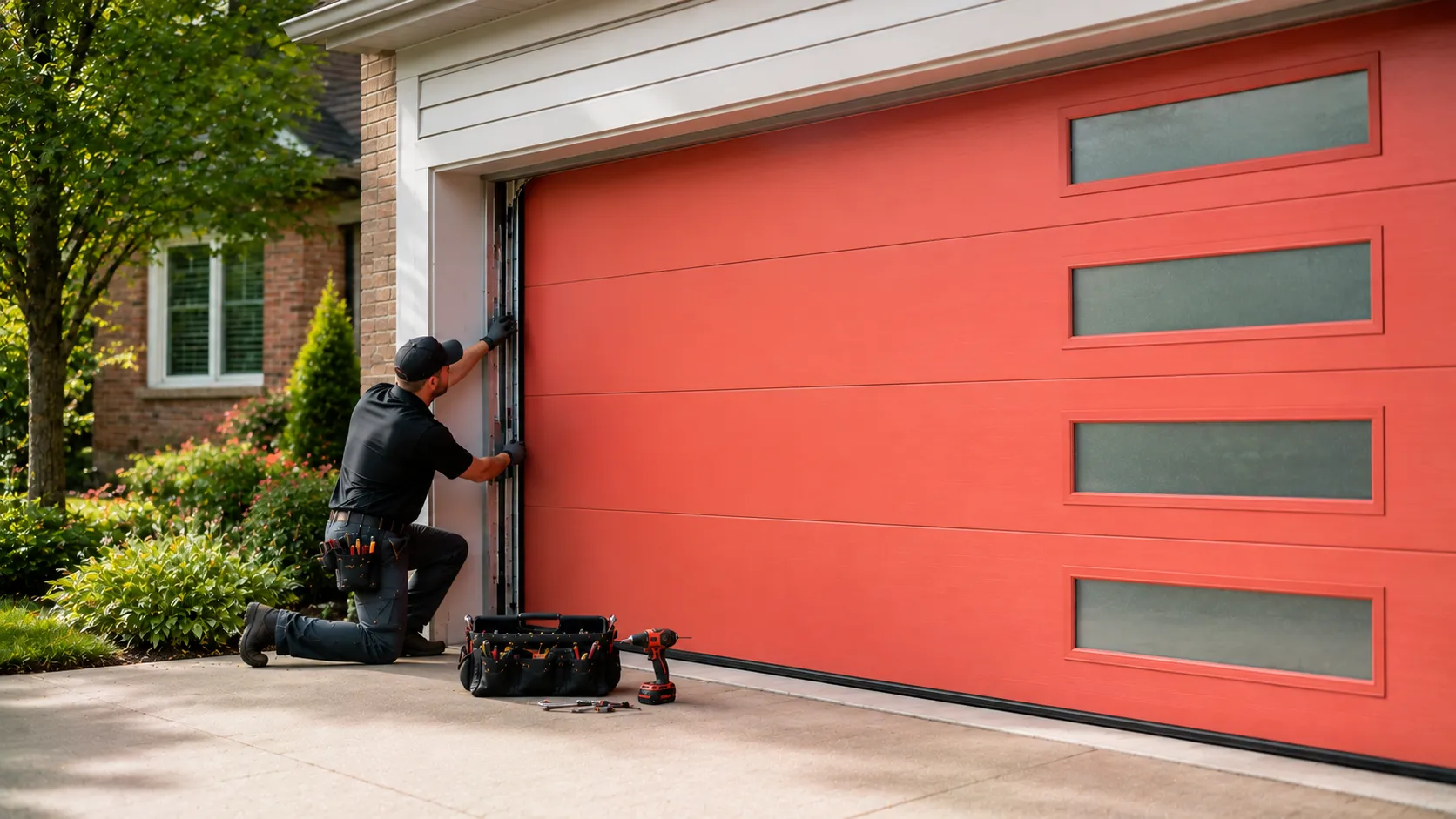
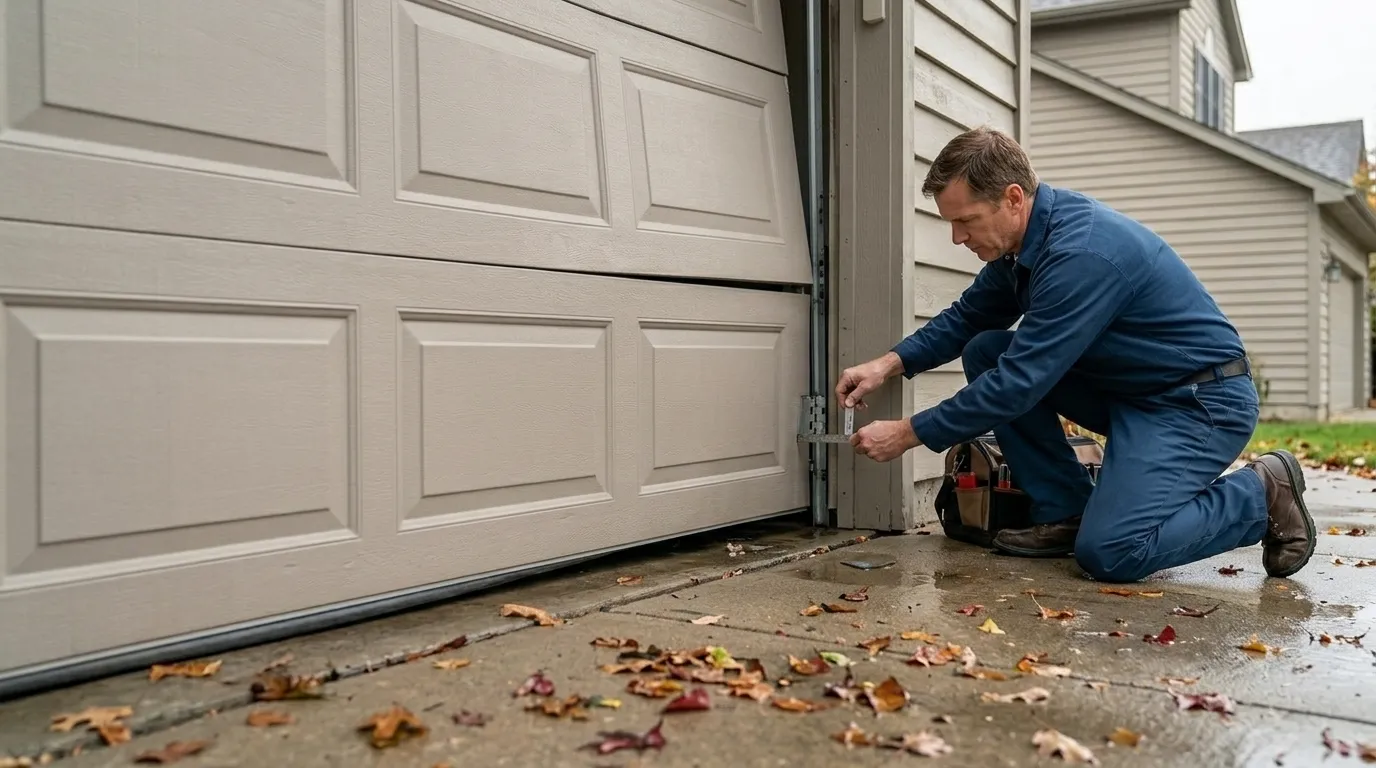
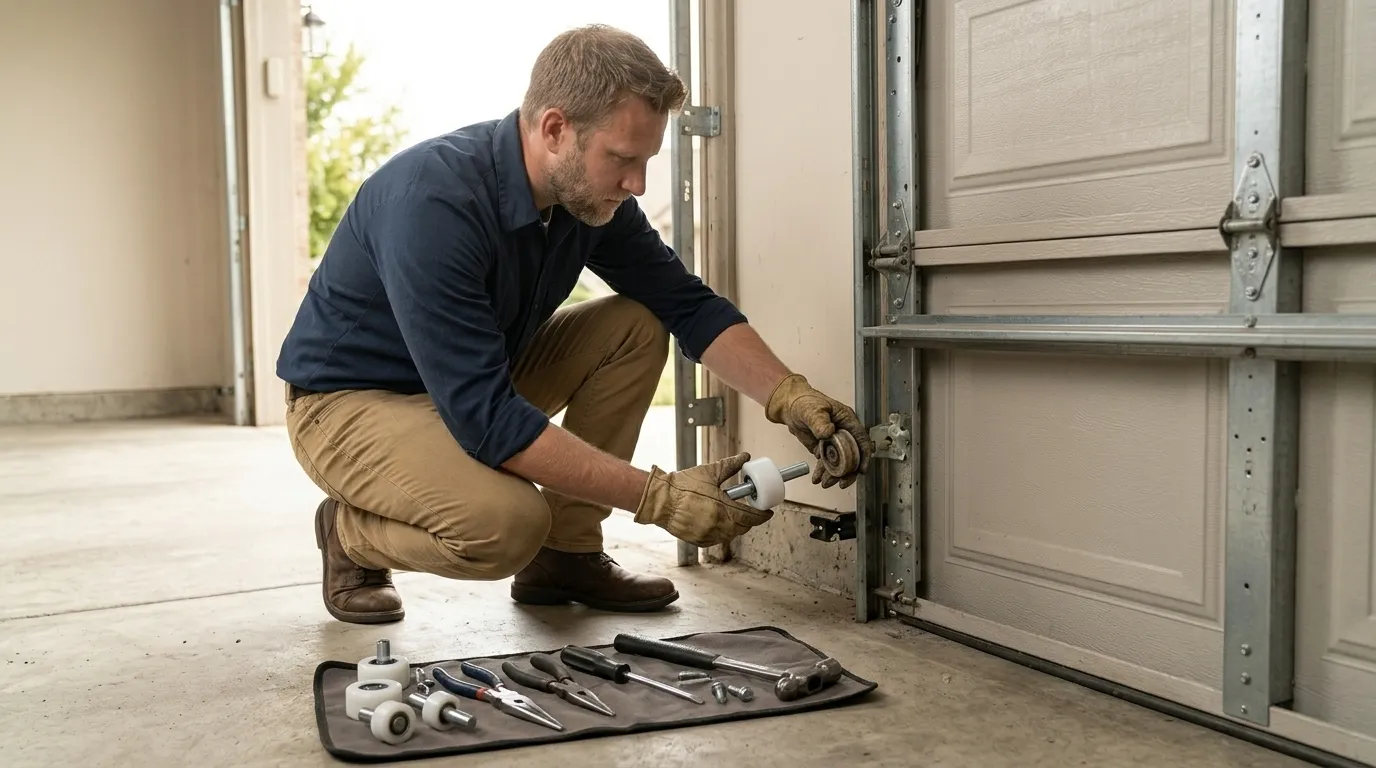
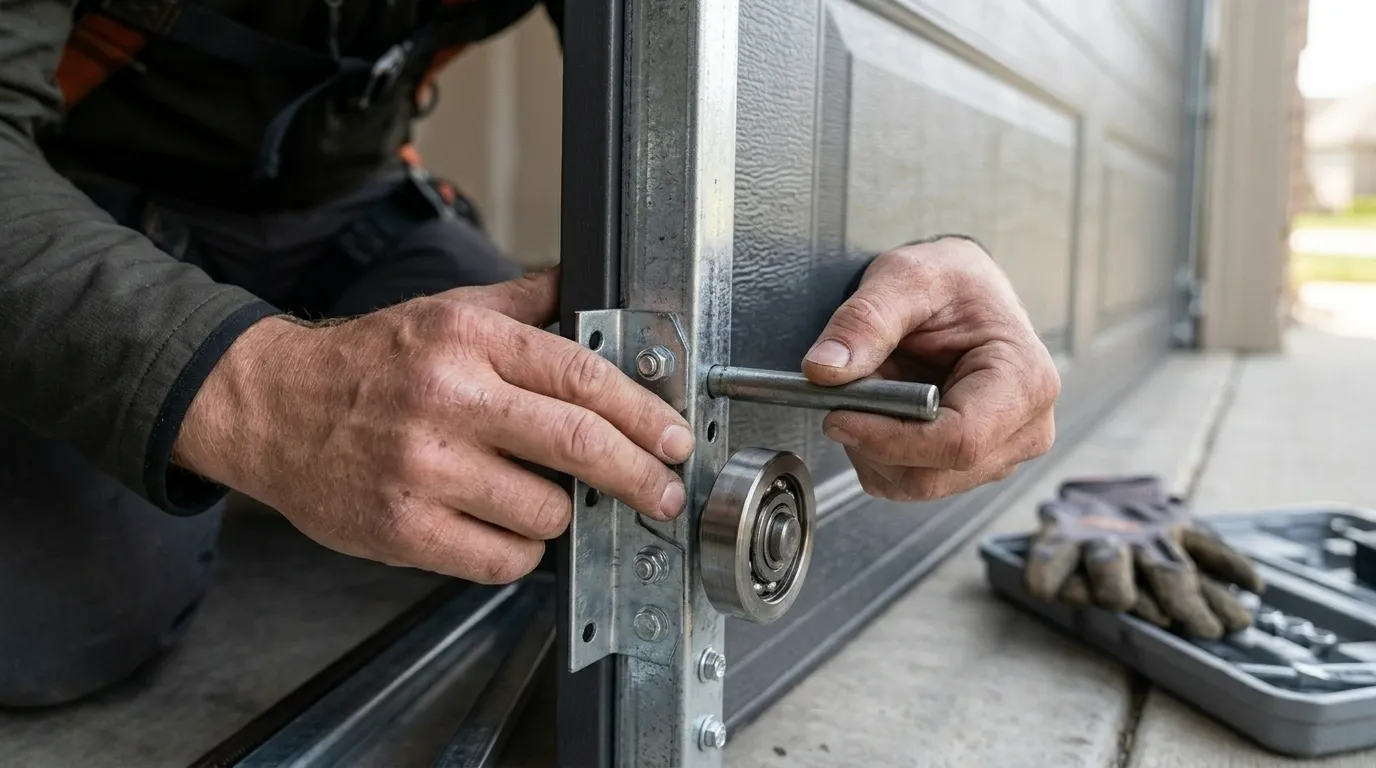
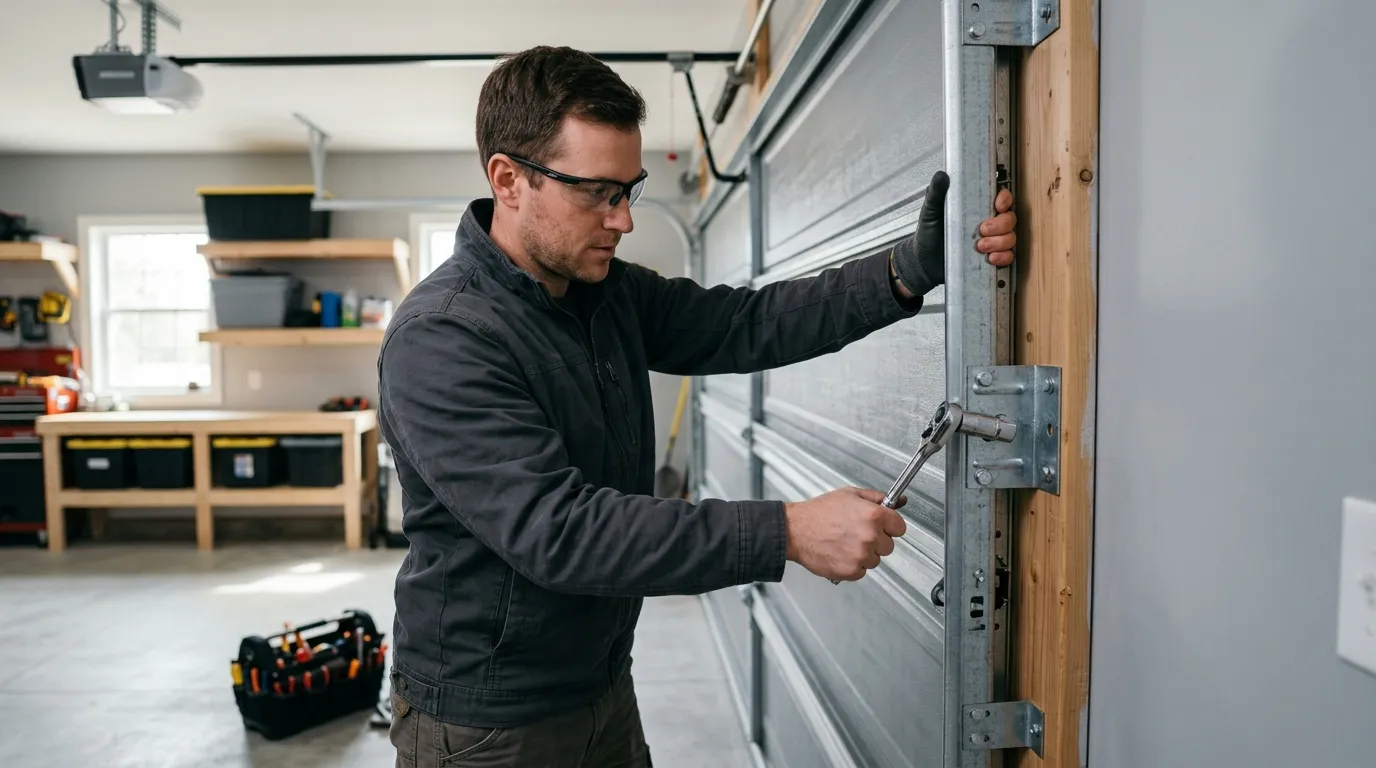
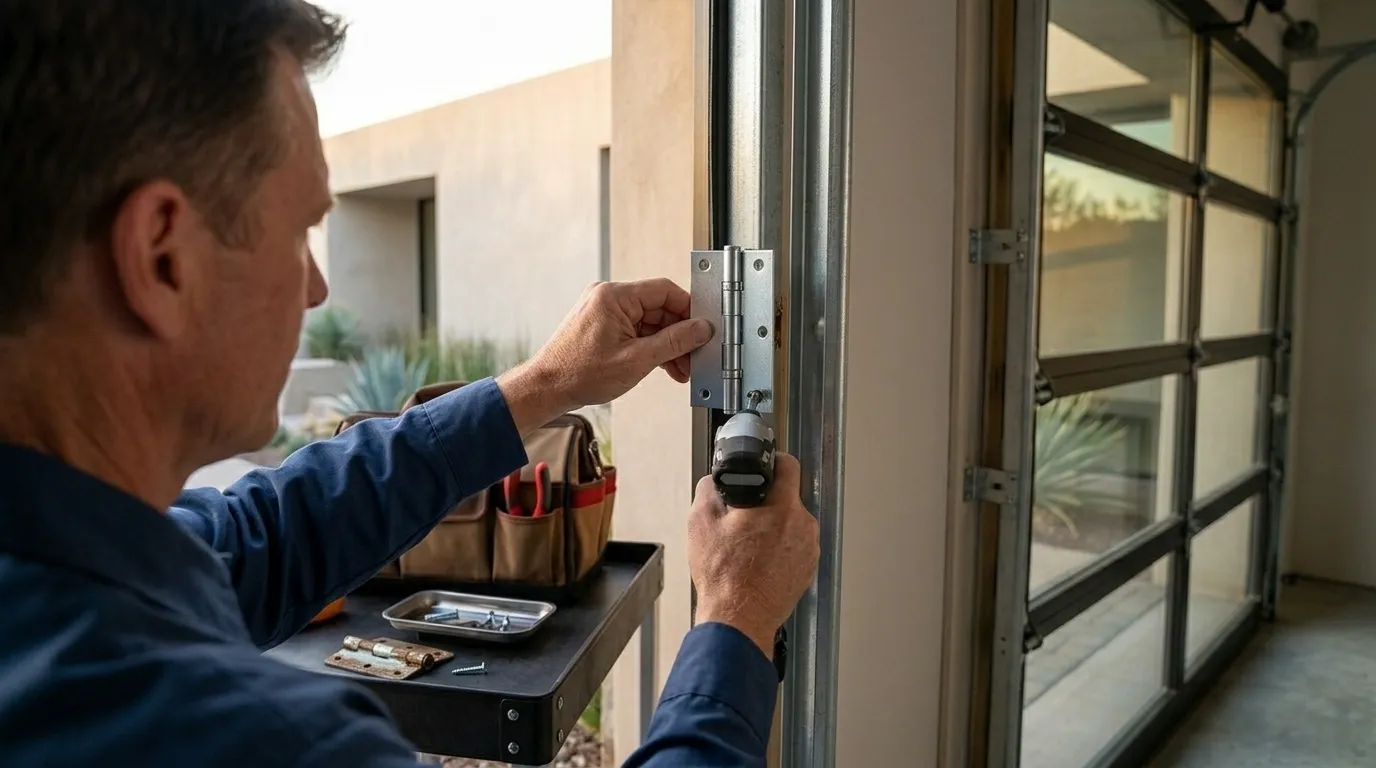
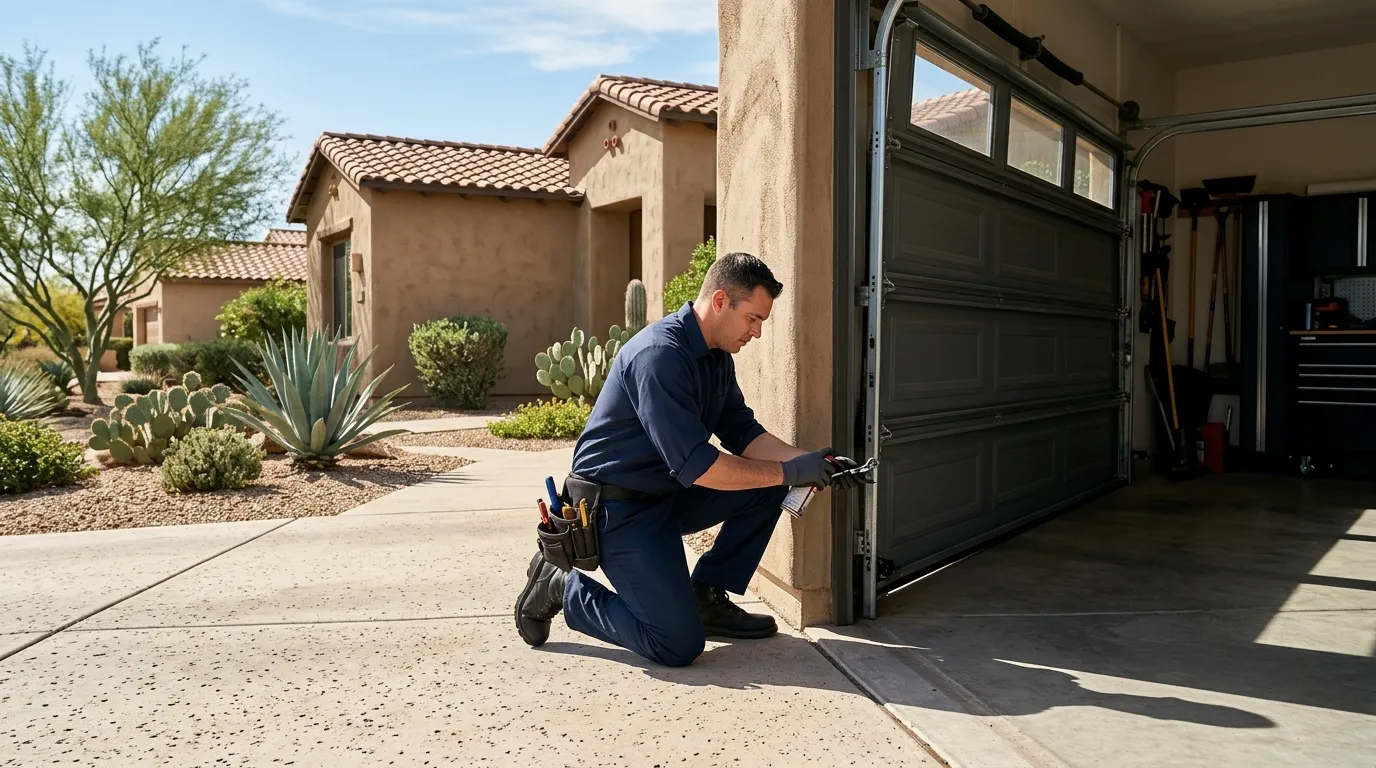
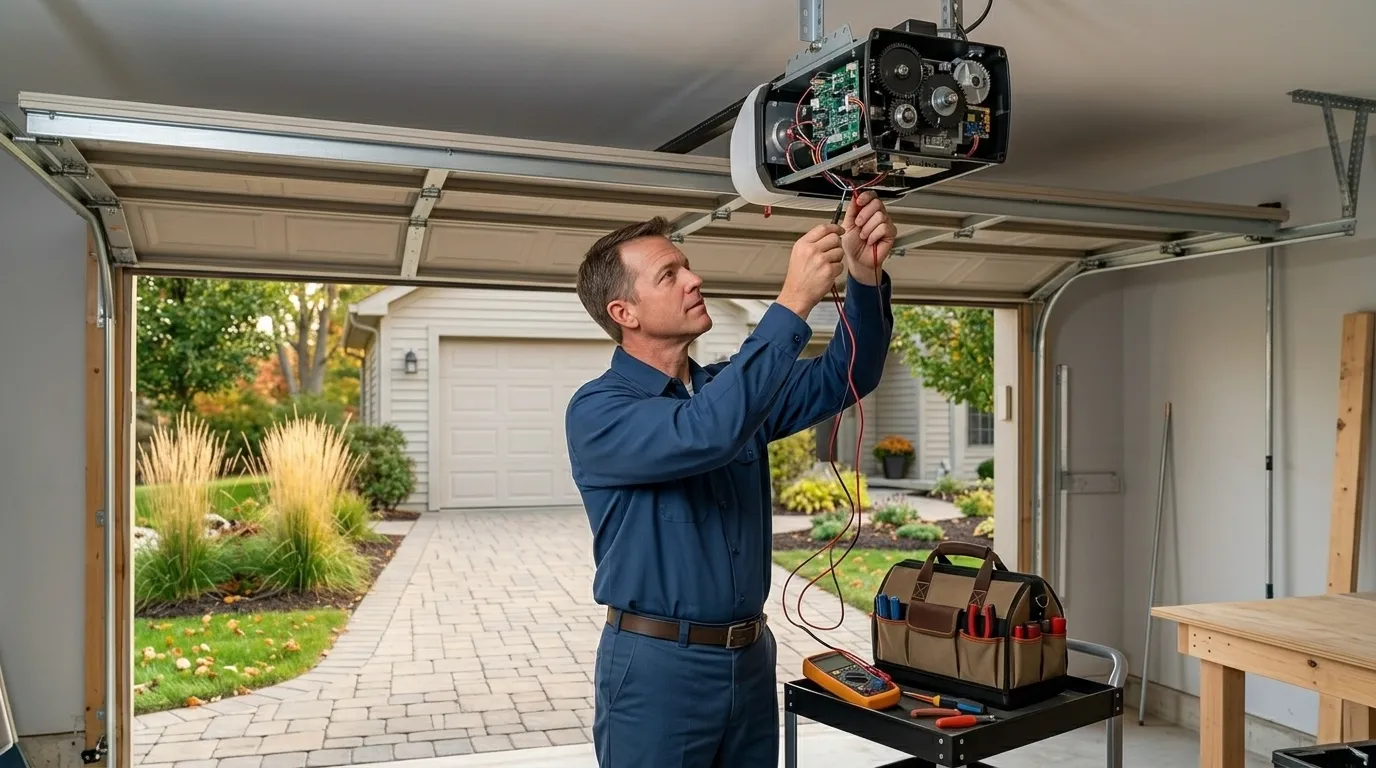
Most of the housing stock in this part of the service area went up between 1968 and 1999, with a lot of it clustering around 1979. That matters more than people expect. A door and opener installed or replaced in the 1980s or 90s is old enough that the springs have almost certainly been cycled through their rated life at least once, and the opener - if it's original - predates the safety reversal sensors that became standard later. When we look at a door out here, we're checking spring wear, the condition of the drums and cables, and whether the opener has working auto-reverse, not just whether the door goes up and down.
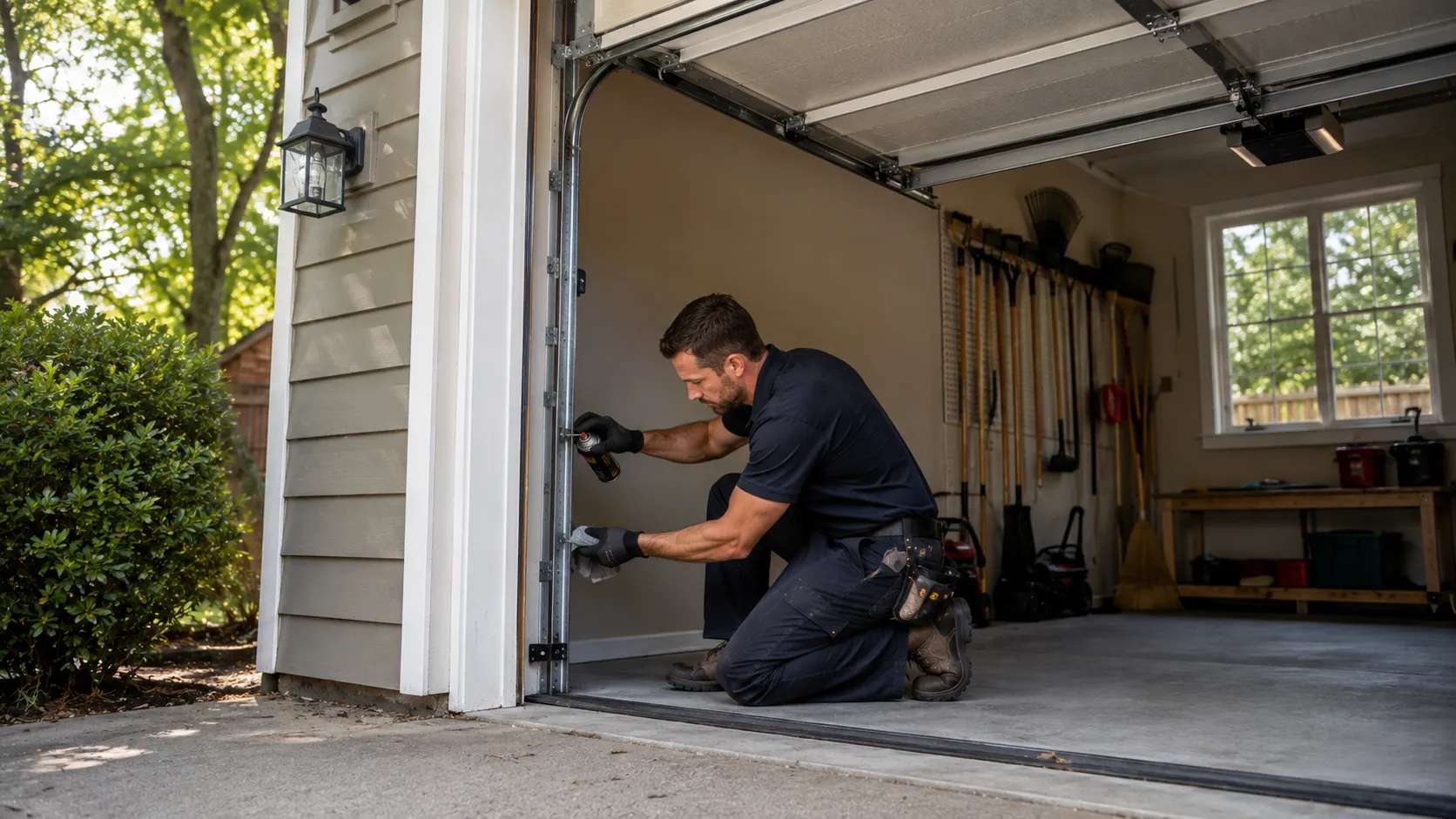
The service area sits in a cold-moderate climate band, which means winter temperature swings put real stress on lubrication and on any rubber weatherstripping that's past its useful life. Stiff, slow-closing doors in the colder months are common here and usually point to dried-out hardware rather than a failing opener, but the only way to know is to have it looked at.
We don't recommend replacing an opener or spring set just because of age alone - if the hardware is sound and cycling correctly, we'll say so. Not every visit ends in a sale, and that's fine.
The Housing Here
With median household income in the service area at $72,188 and a housing stock built mostly from 1968 to 1999, this is a part of town where original garage doors and openers from that era are still common, sitting on hardware that's harder to source than what ships today. Out of roughly 33,690 households across the wider service area, about 22,430 are owner-occupied houses - the kind of houses that came with a garage door as standard equipment when they were built, not always upgraded since.
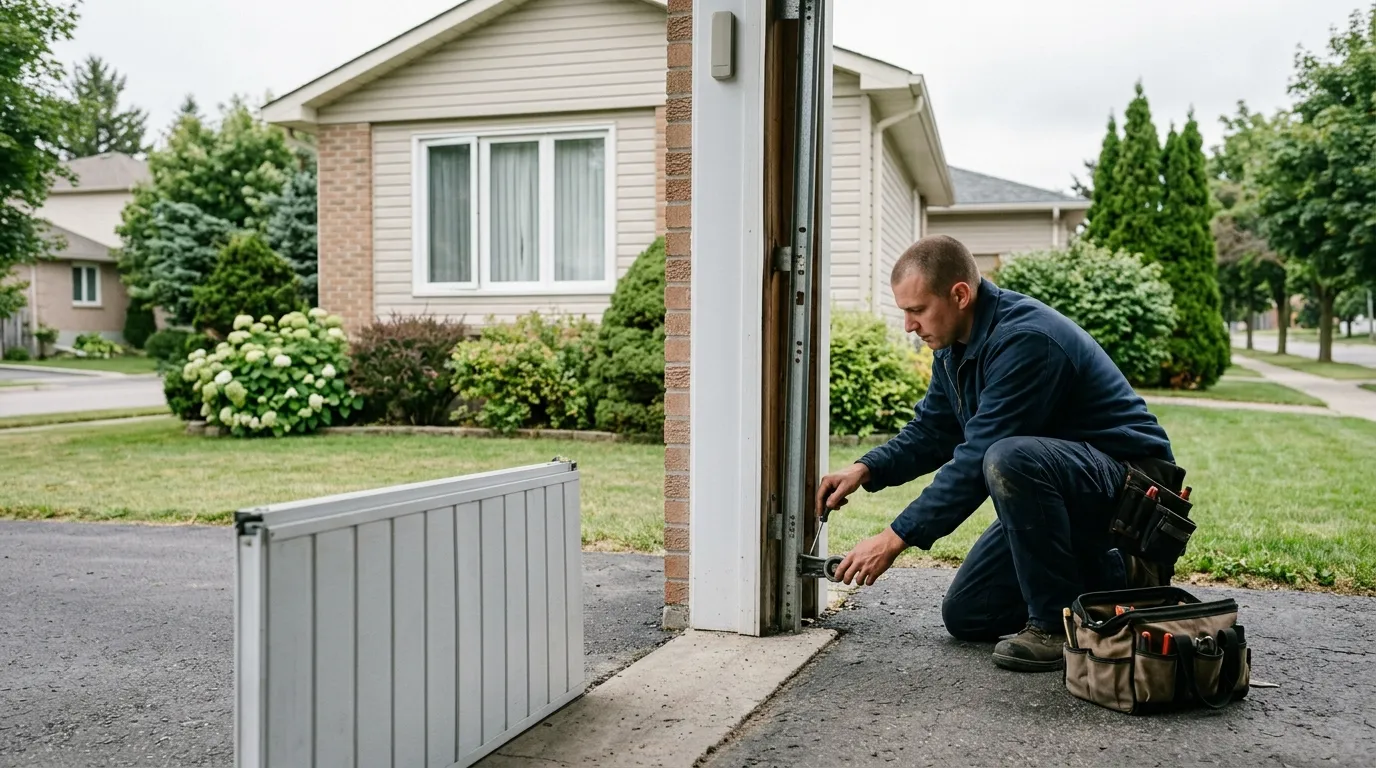
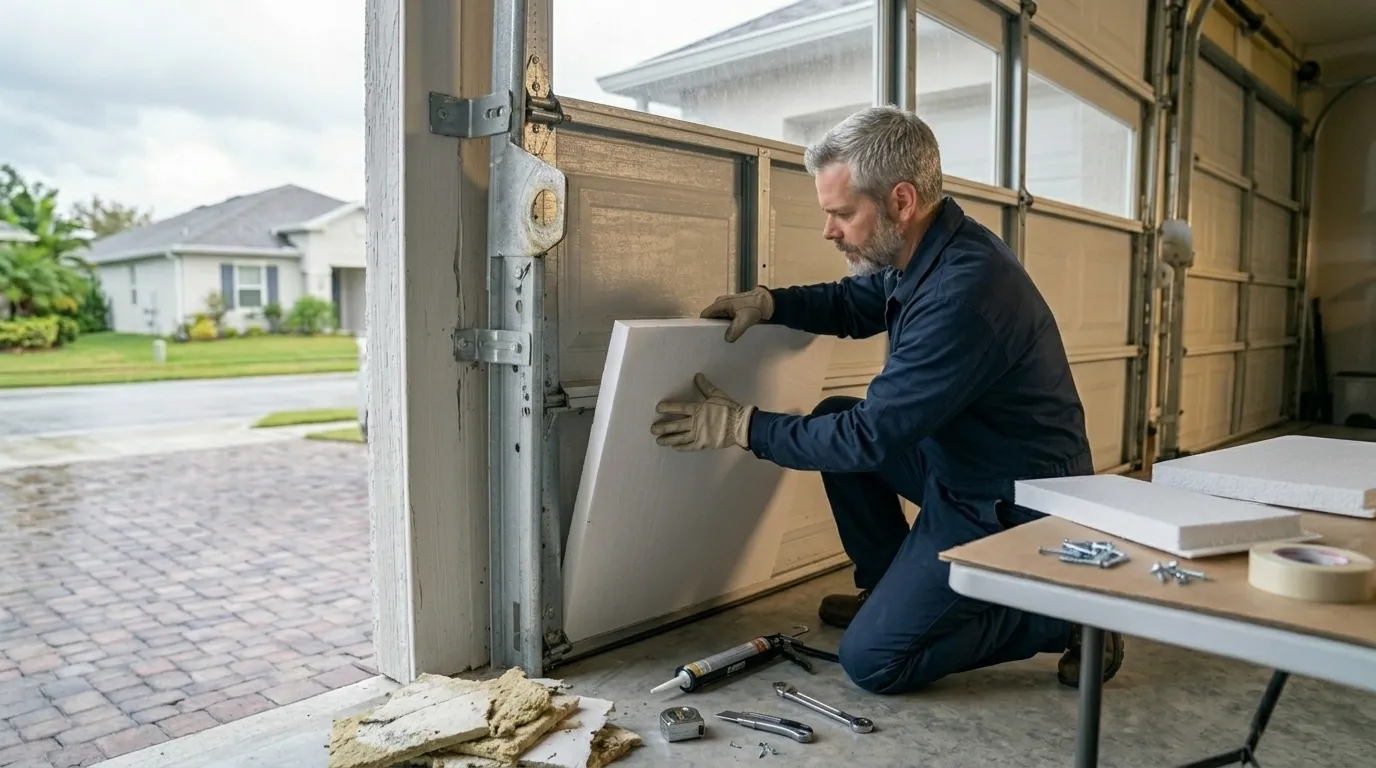
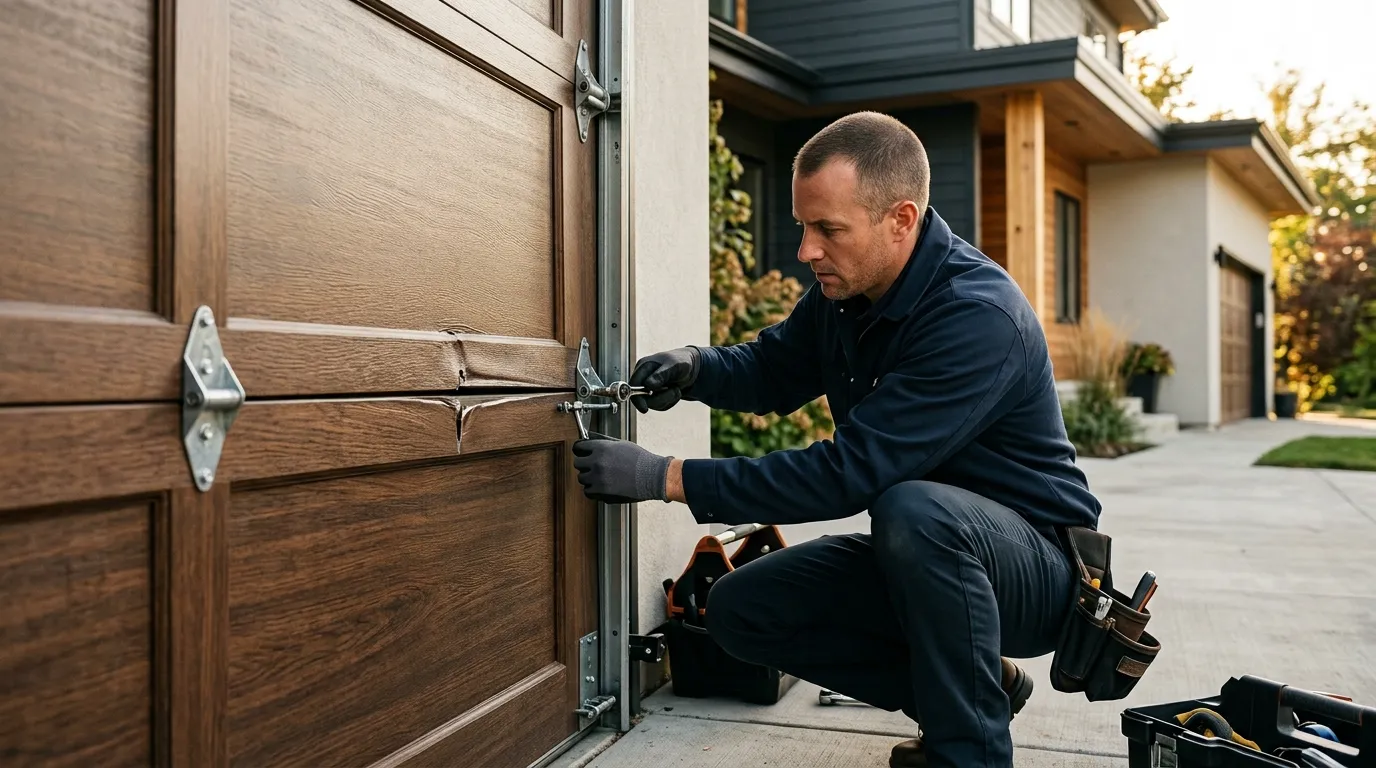
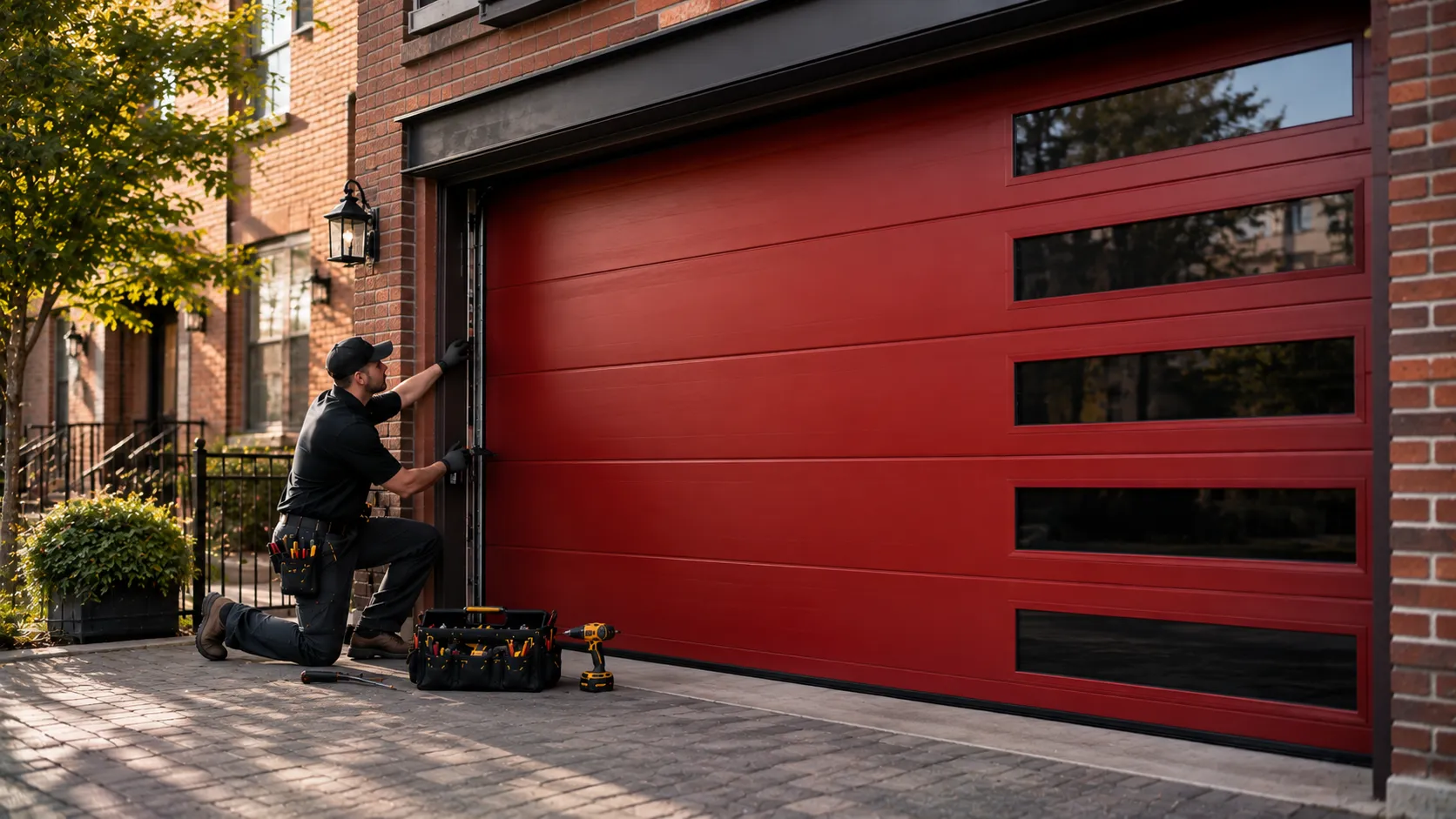
A door from the late 1970s or the 1980s is usually a single-layer steel or wood panel door, heavier than current insulated models and often paired with a torsion spring sized for that original weight. When one of these springs goes, the fix isn't always a simple swap - sometimes the spring size on the door doesn't match anything commonly stocked, and we have to order it. That's the honest limitation: on an older door, parts lead time can run longer than it would on a five-year-old install, and we'll tell you that before we start rather than after.
If your door is original to the house and it's never been serviced, a look at the springs and cable condition is worth more than waiting for something to snap.