Having It Looked At
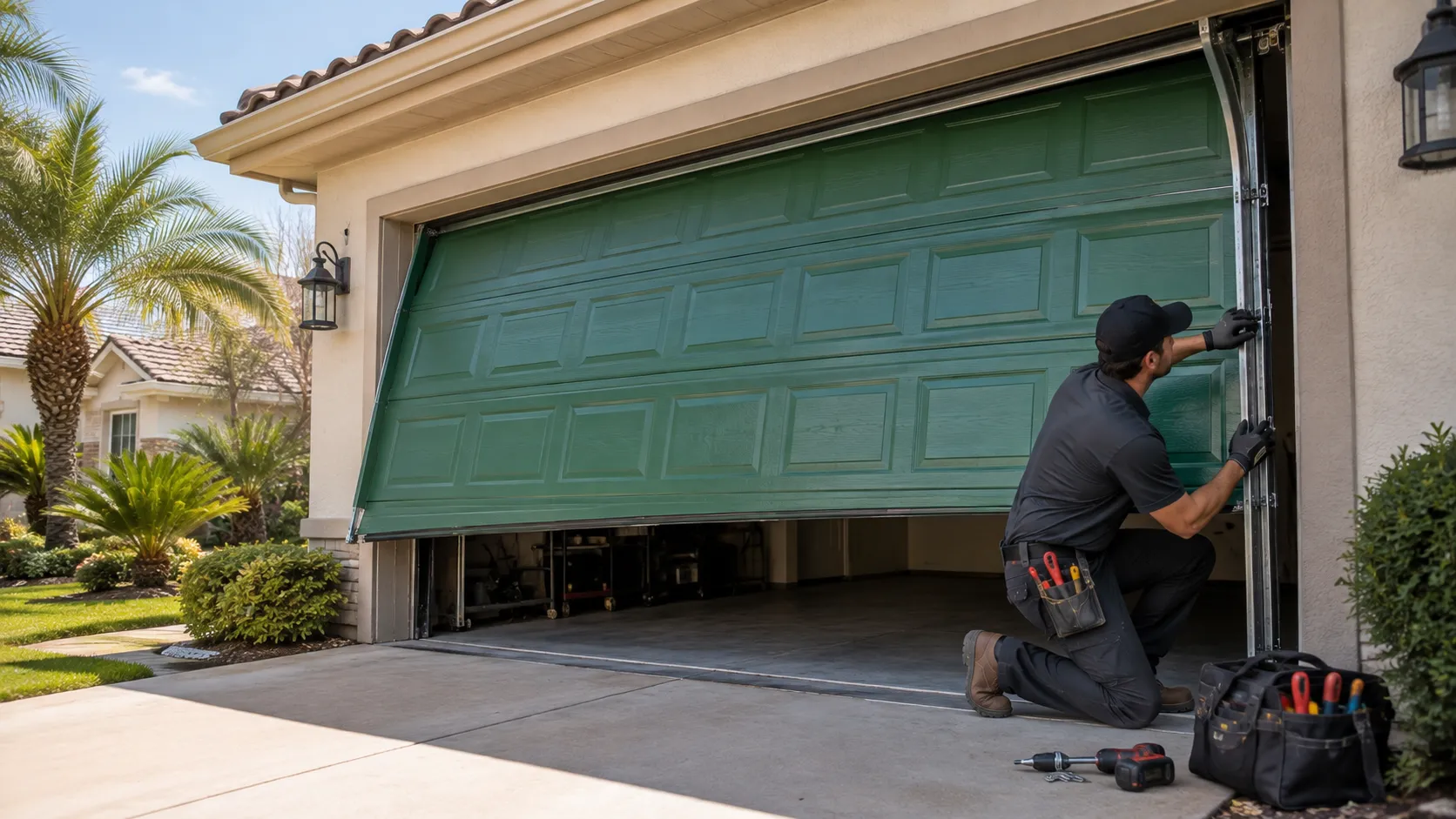
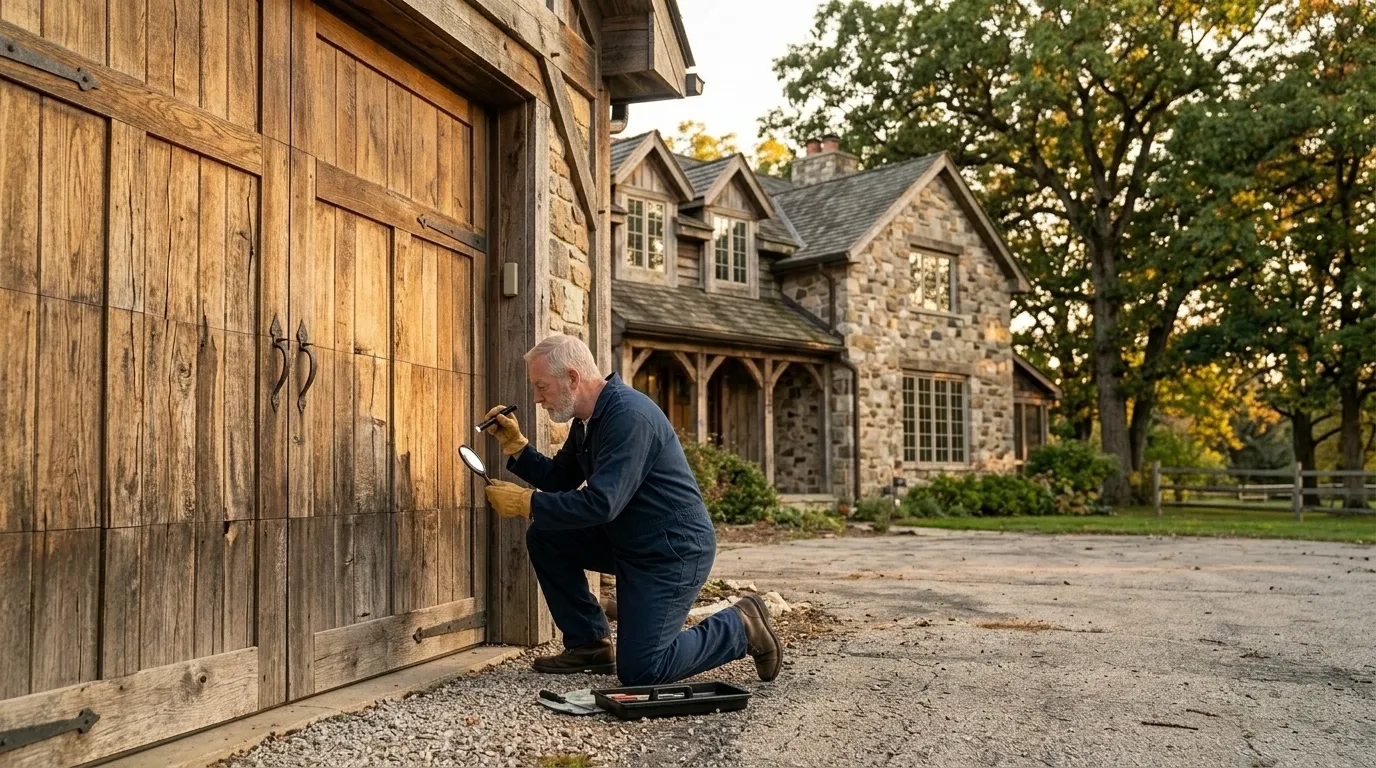
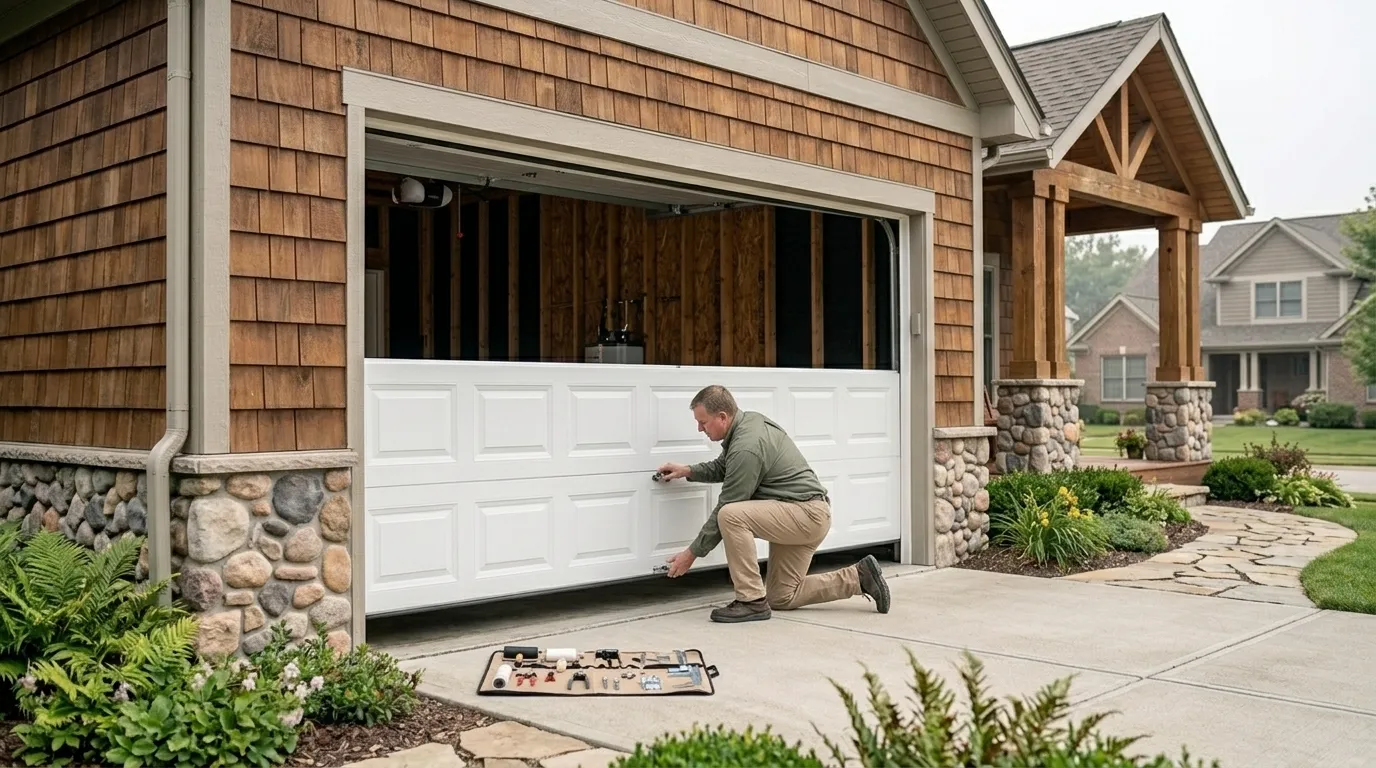
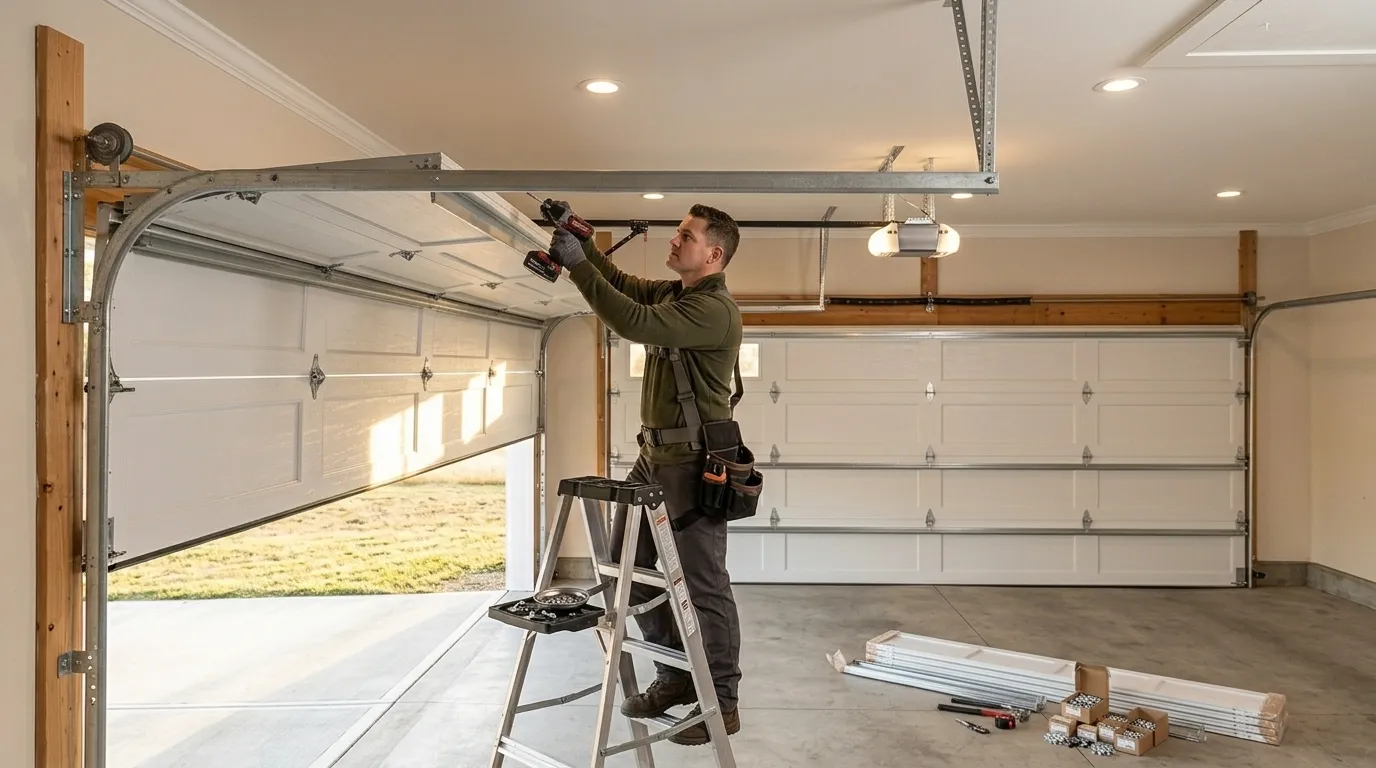
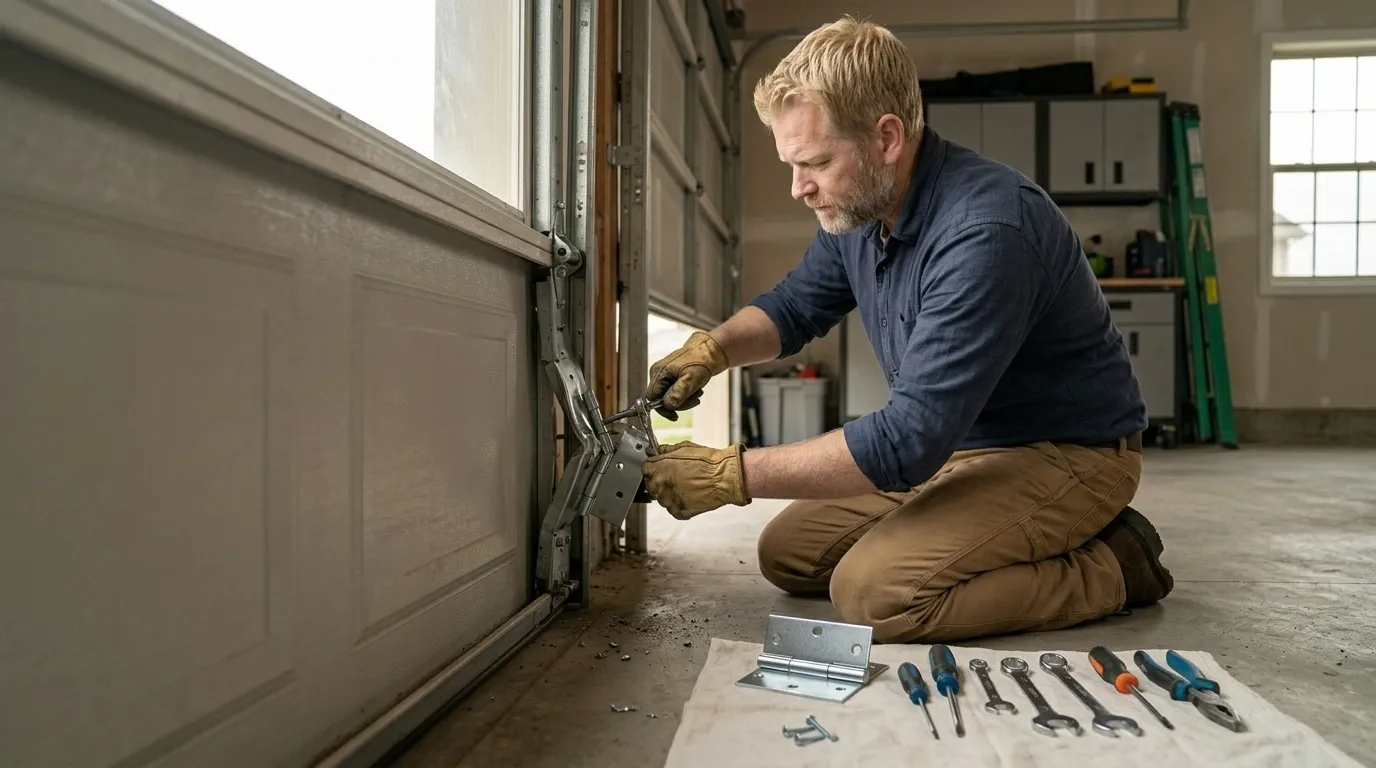
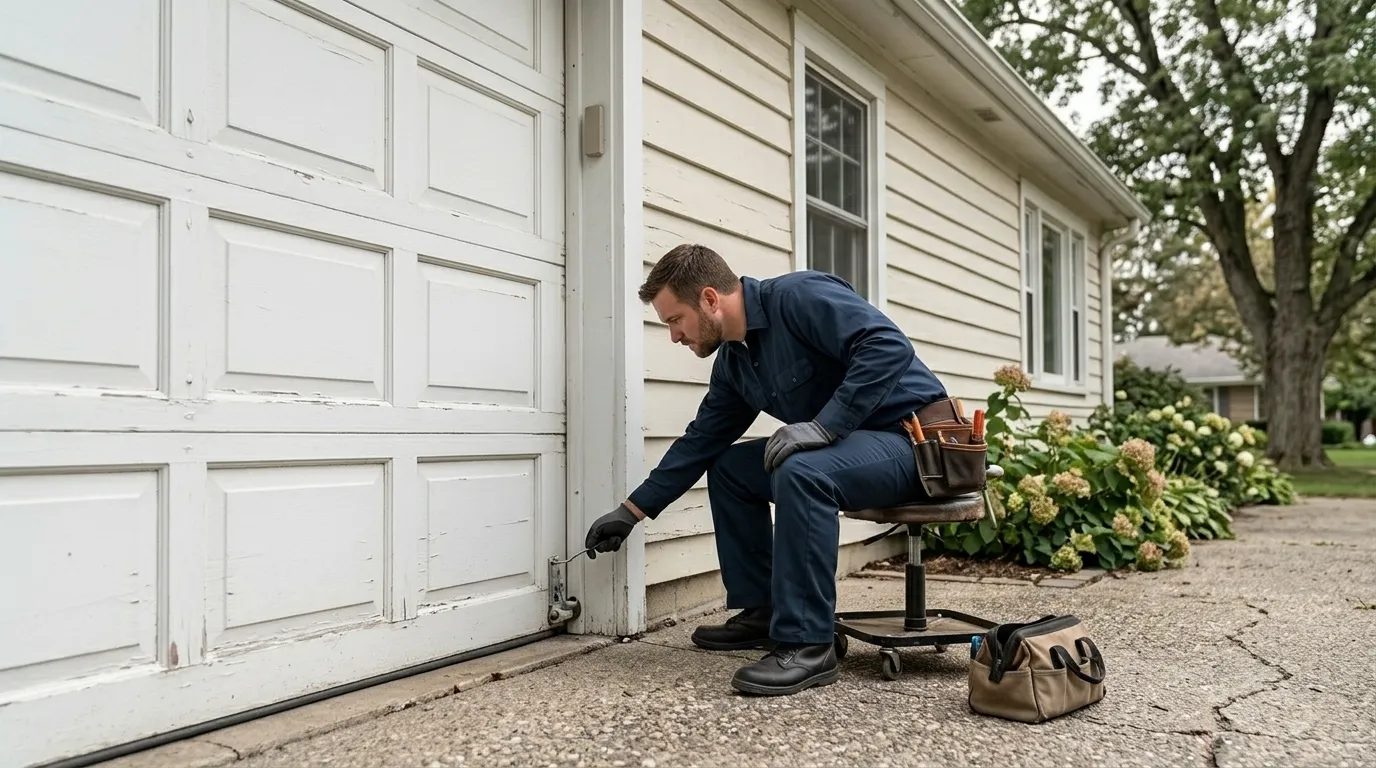
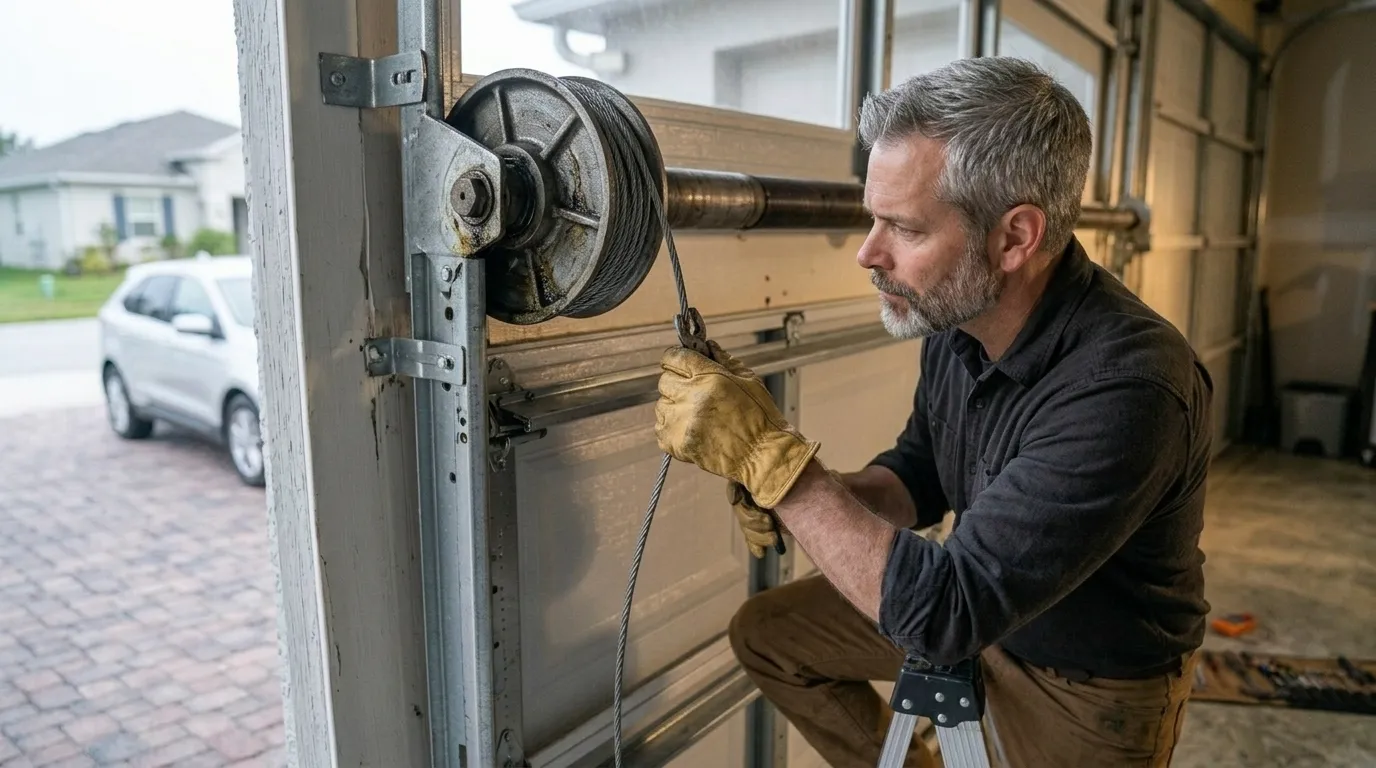
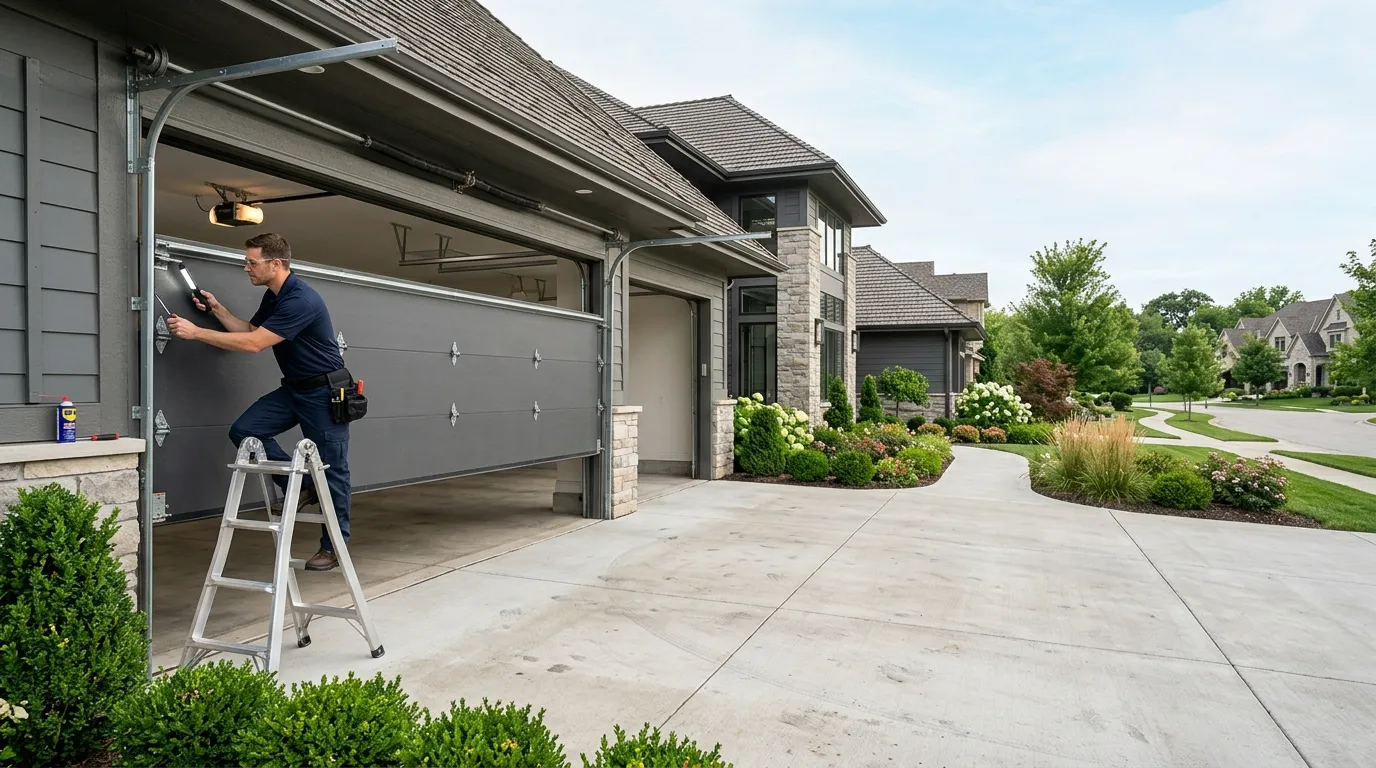
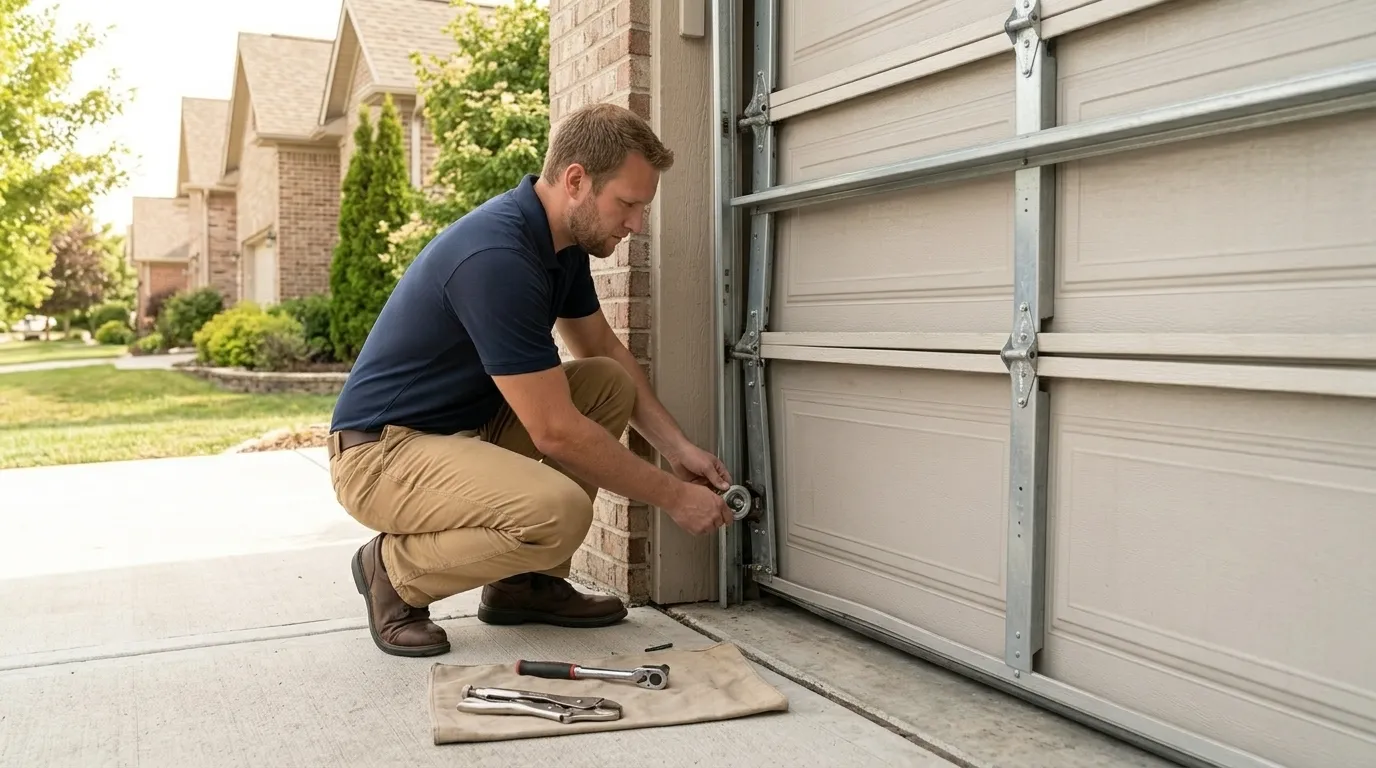
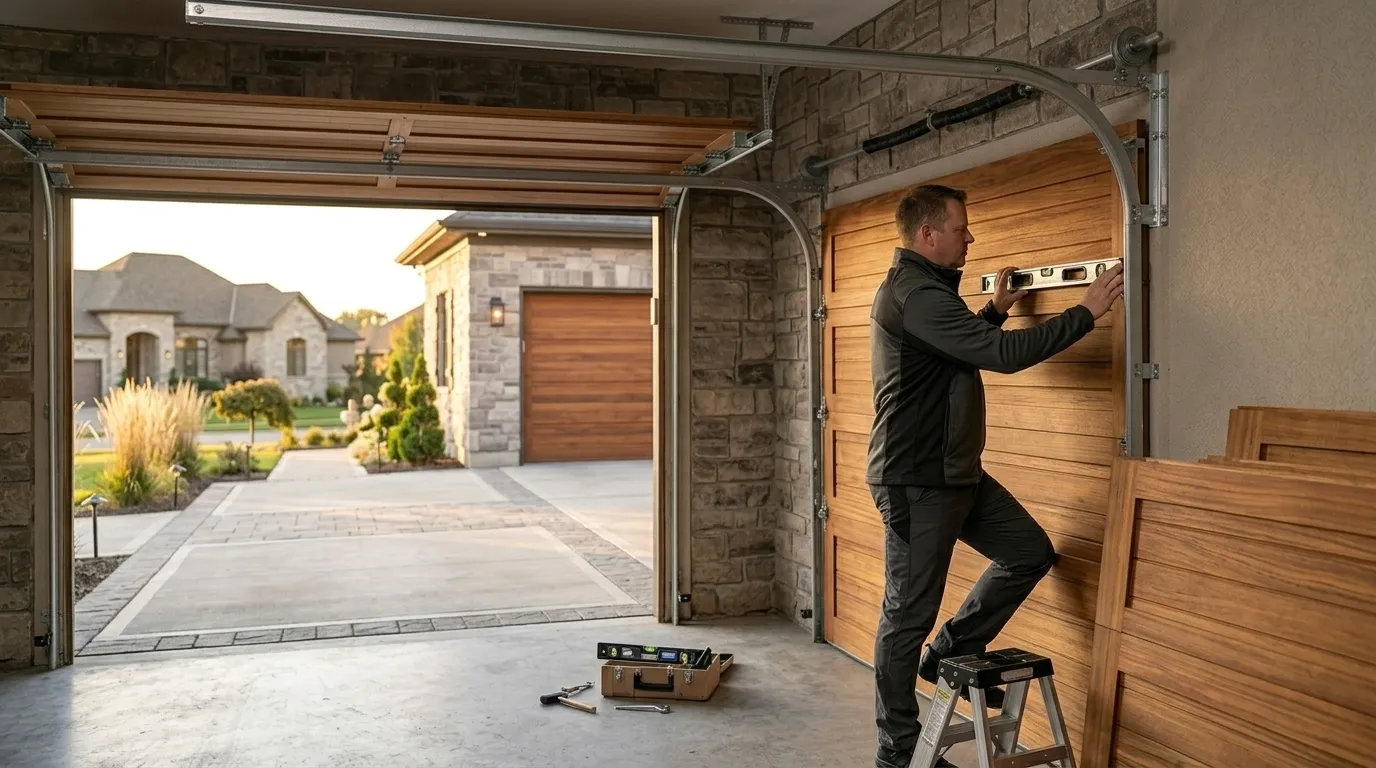
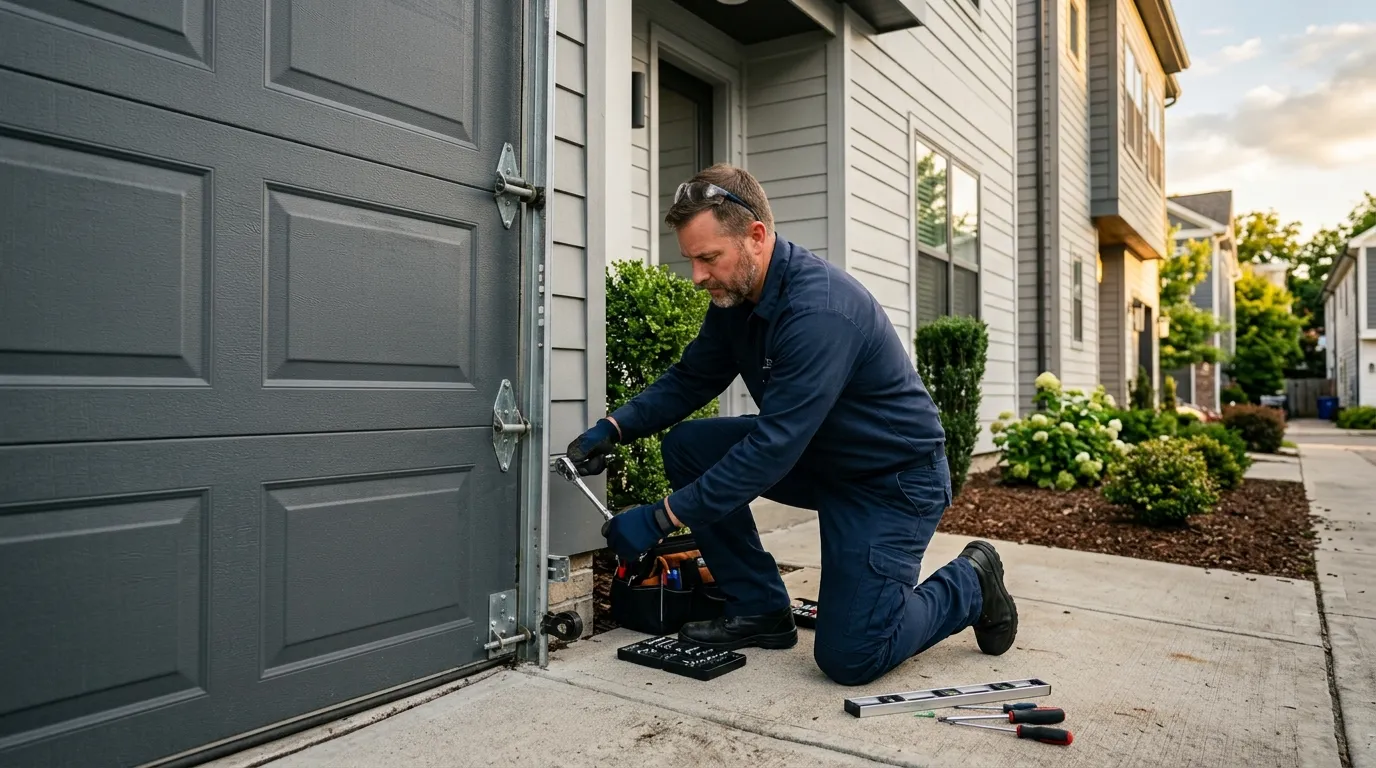
When we get to a house in Mountain View, the first thing we check is the door's age against what we'd expect for the housing stock in this part of the service area - mostly built between 1968 and 1999, with a lot of it landing around 1979. A door and opener from that build era is well past the point where springs, rollers, and cable end up original. If the hardware is original, we tell you that plainly instead of trying to patch around it.
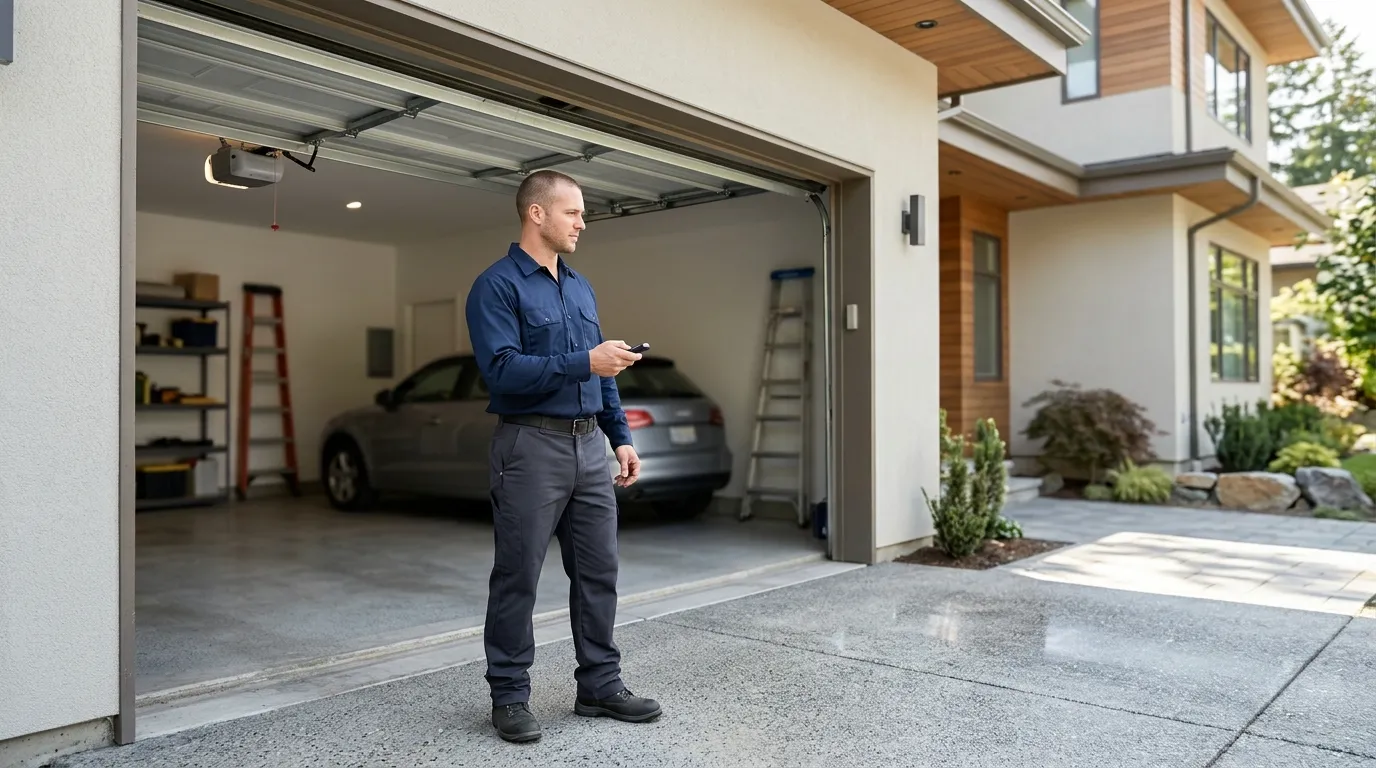
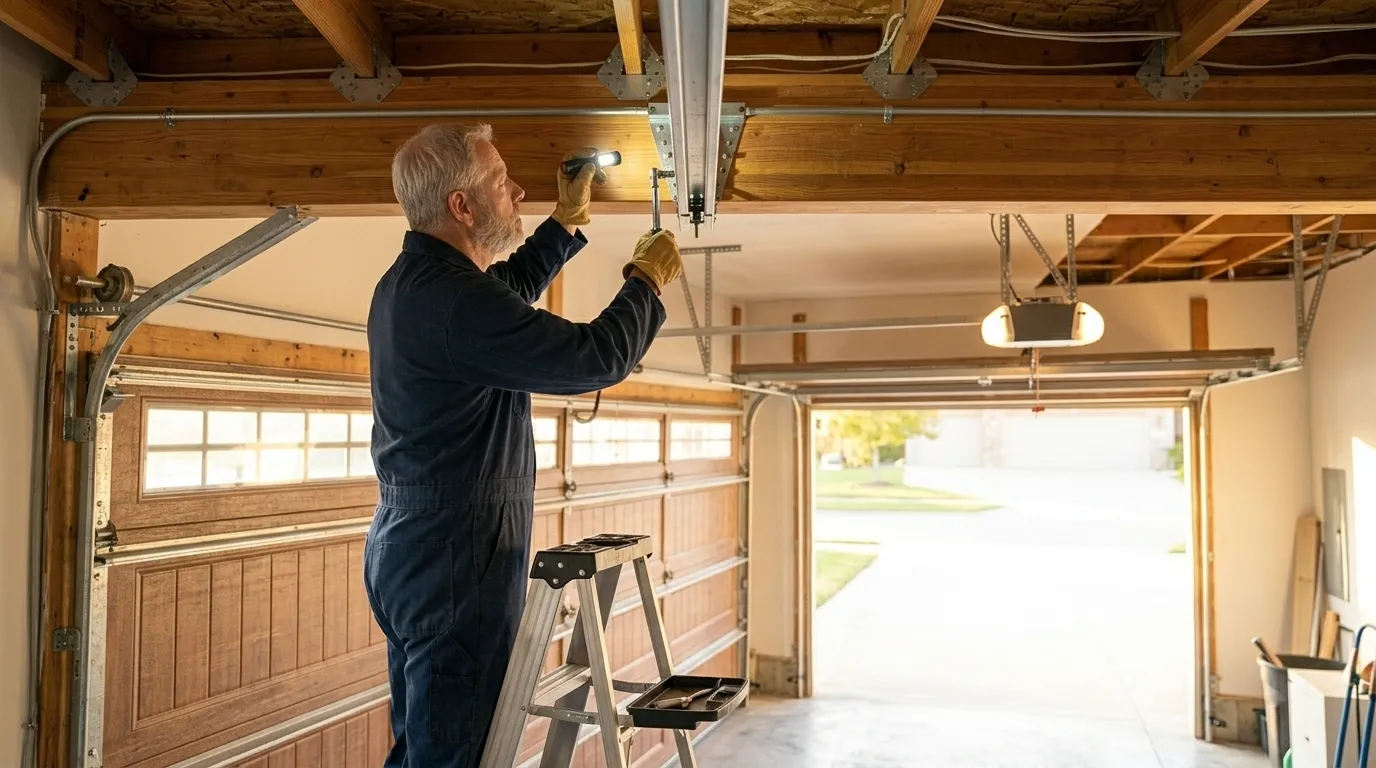
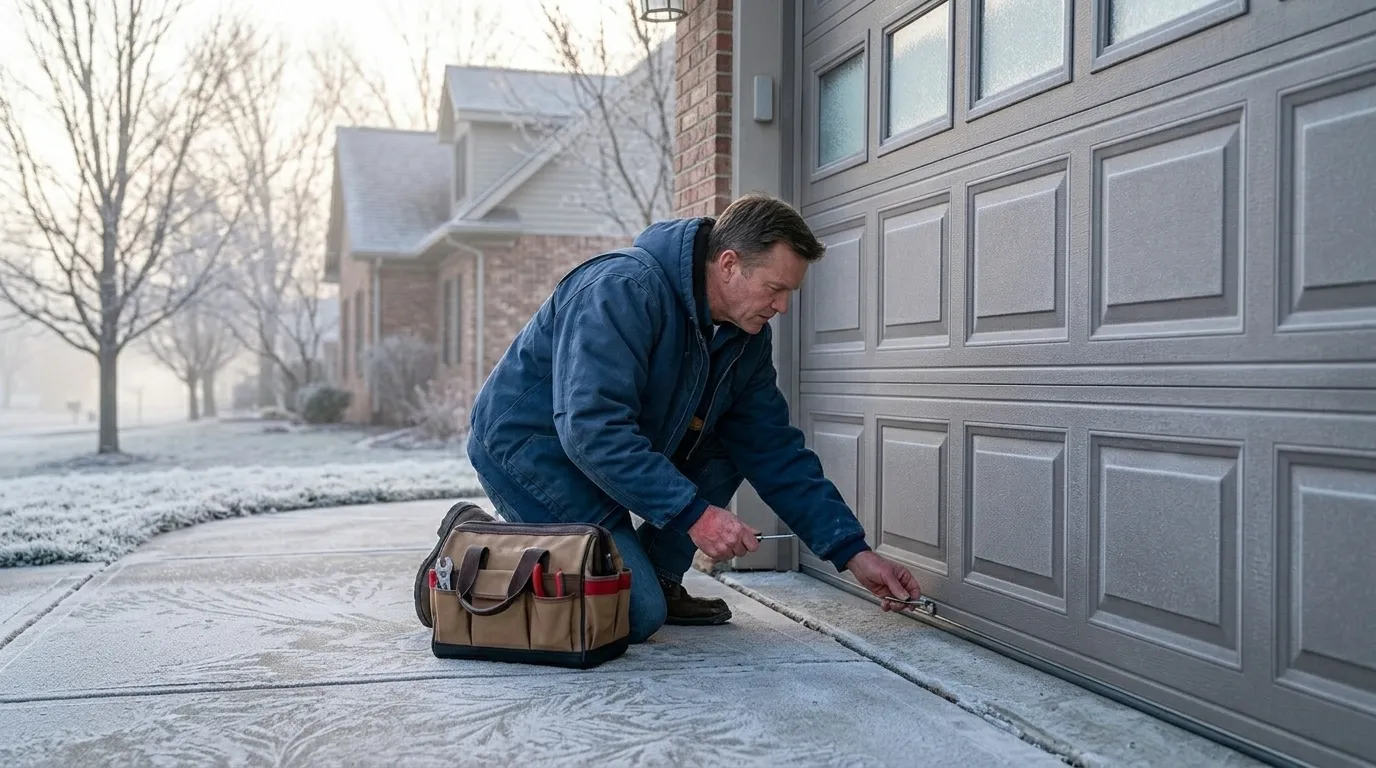
The climate band here is cold-moderate, which matters more for the opener and weatherstripping than for the door panel itself - lubricant that's gummed up from years of temperature swings is a common find, and it's an easy fix when it's the only issue.
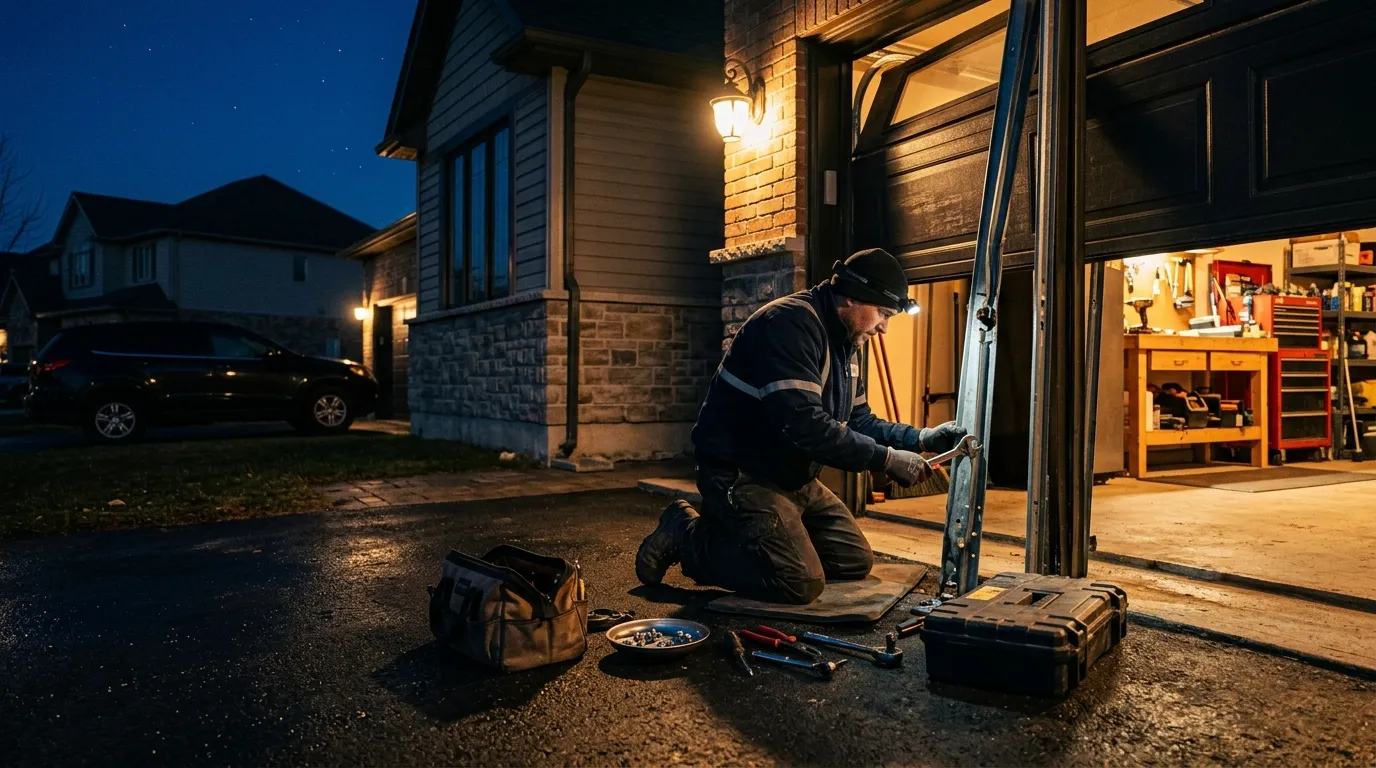
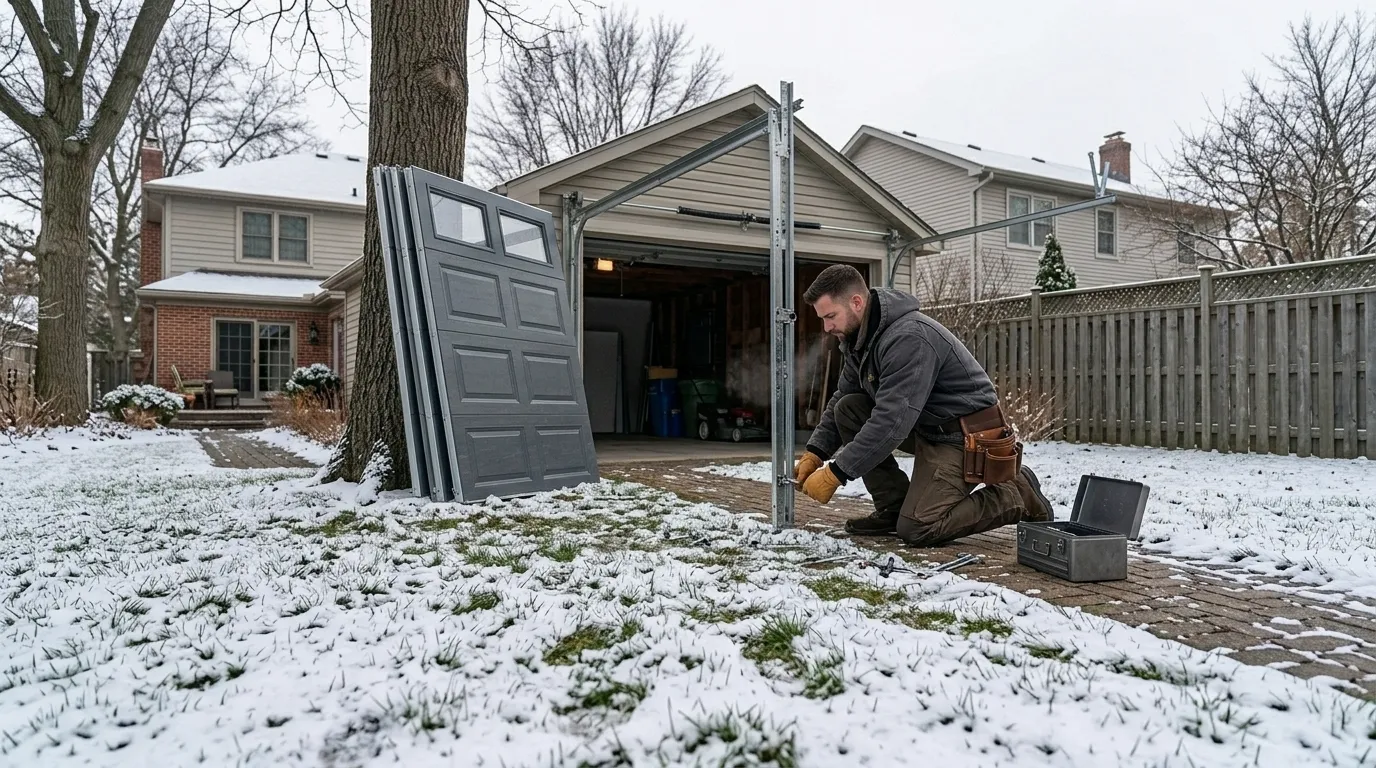
Honest limitation: if a torsion spring is sized for an older door and that exact size isn't something we carry on the truck, we may need to order it, which can push a same-day repair to a next-day one. We'd rather tell you that up front than promise a fix we can't finish in one trip.
The Housing Here
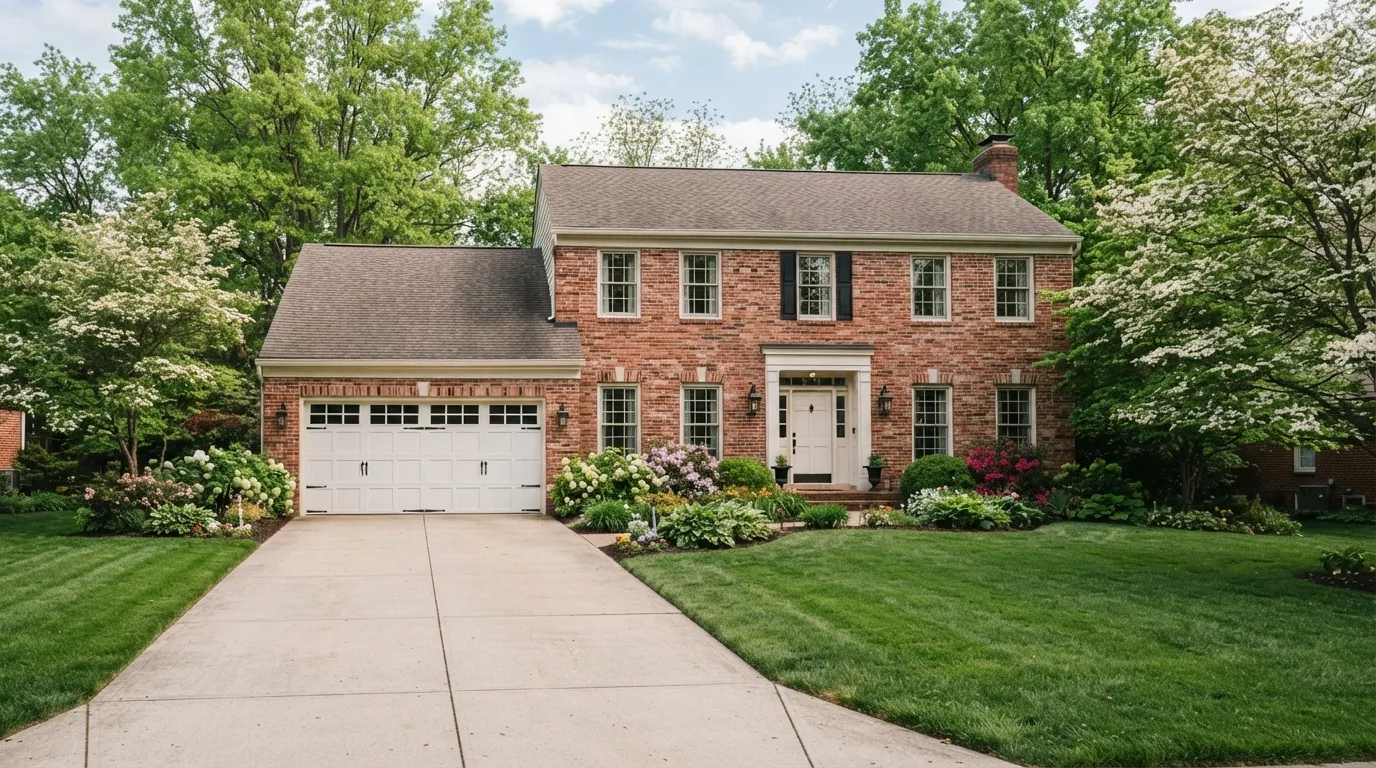
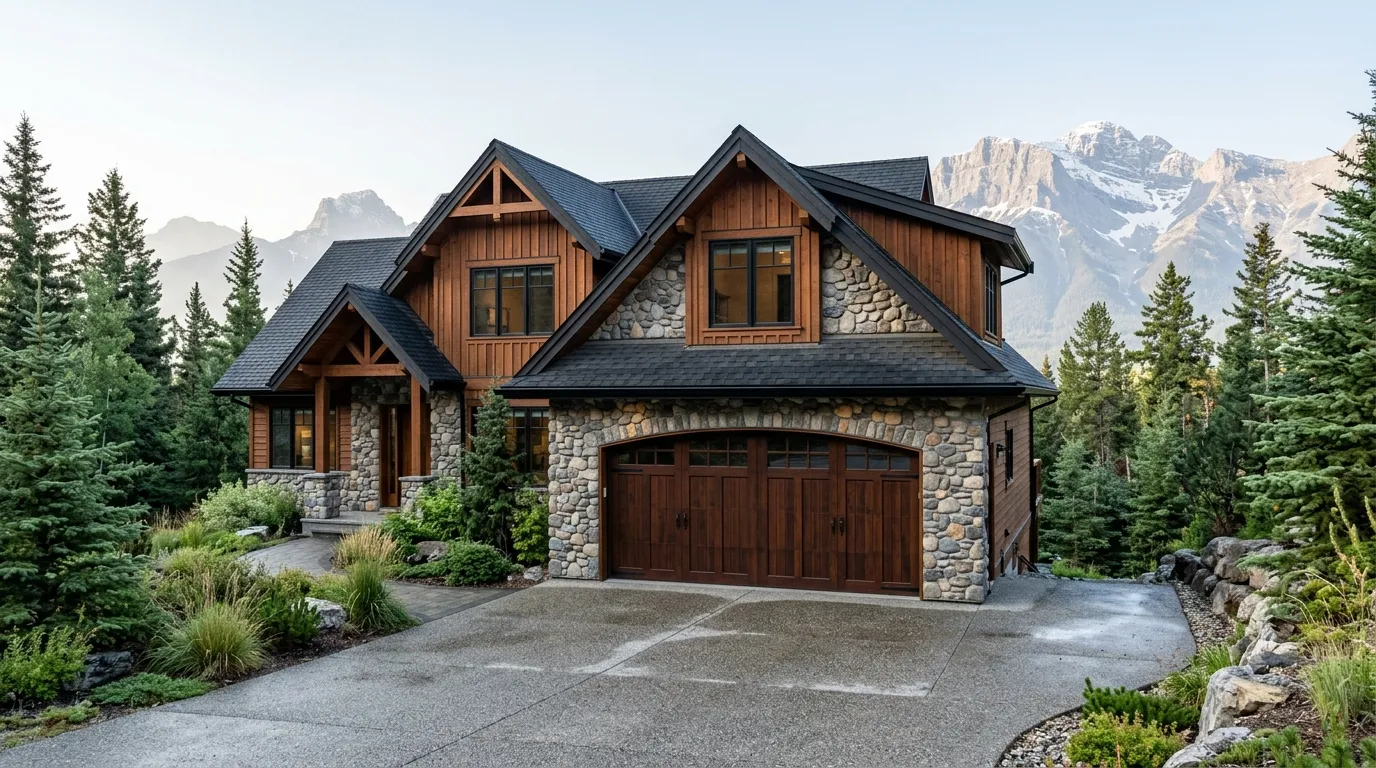
The service area's housing runs mostly 1960s-70s stock across the named neighborhoods and unincorporated areas we cover, and Mountain View's build years line up with that same window - 1968 to 1999, median around 1979. That era of construction means a lot of single-car and two-car garages built with steel doors and torsion springs that were standard for the time, not the heavier-duty setups you'd find on newer construction.
With a median household income of $72,188 across the area and 22,430 owner-occupied houses out of 33,690 households, we see a lot of owners weighing repair against replacement rather than automatically doing either. For a door from this era, that decision usually comes down to whether the springs and opener are the only worn parts, or whether the track and panel are also failing - replacing one part on a door that's failing elsewhere everywhere is money spent twice.
We don't have specific street-level detail for Mountain View beyond its build years and distance from the city center, so we're not going to invent a landmark or a subdivision name to sound more local than we are.