The Split Between Old and New
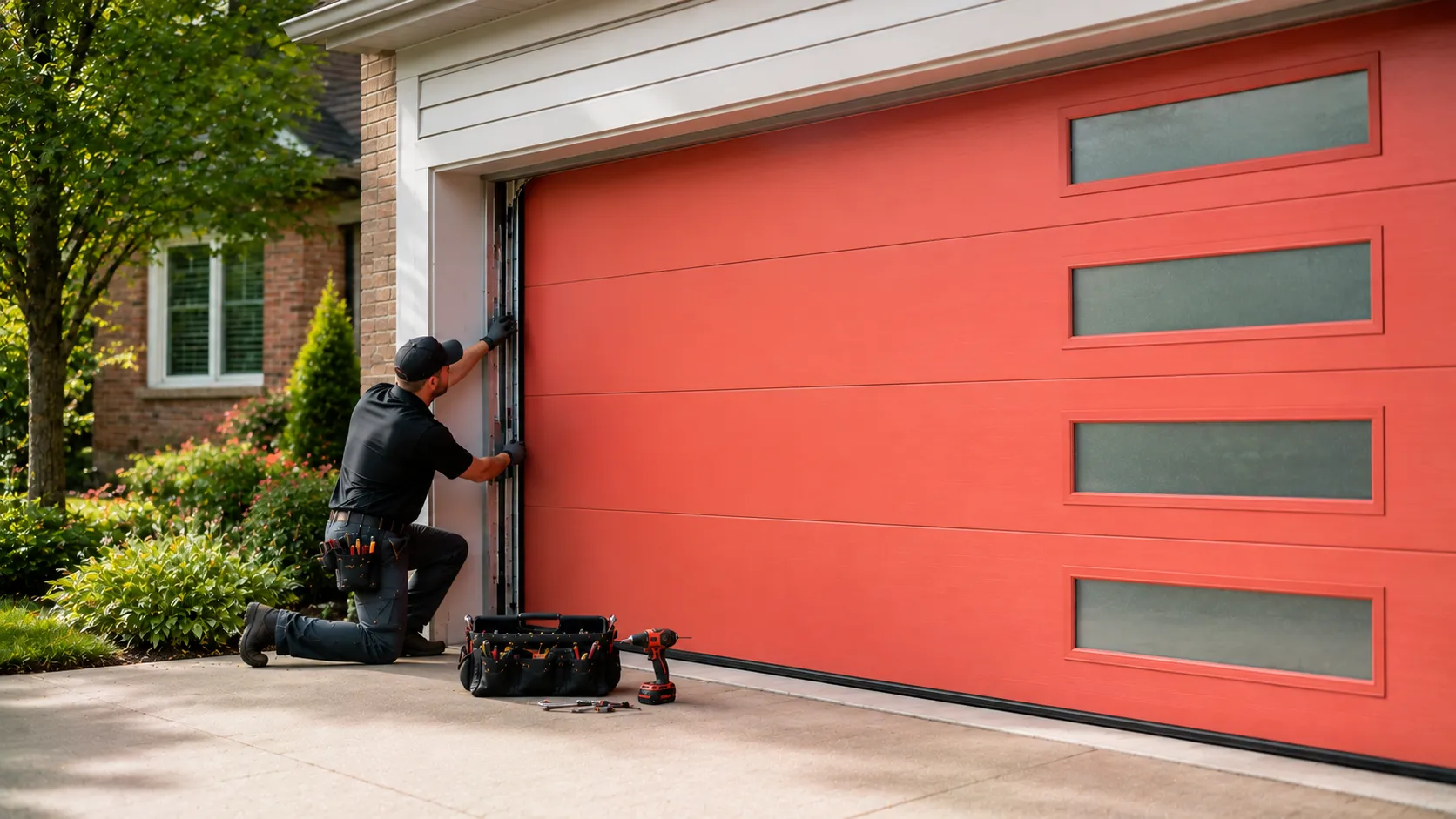
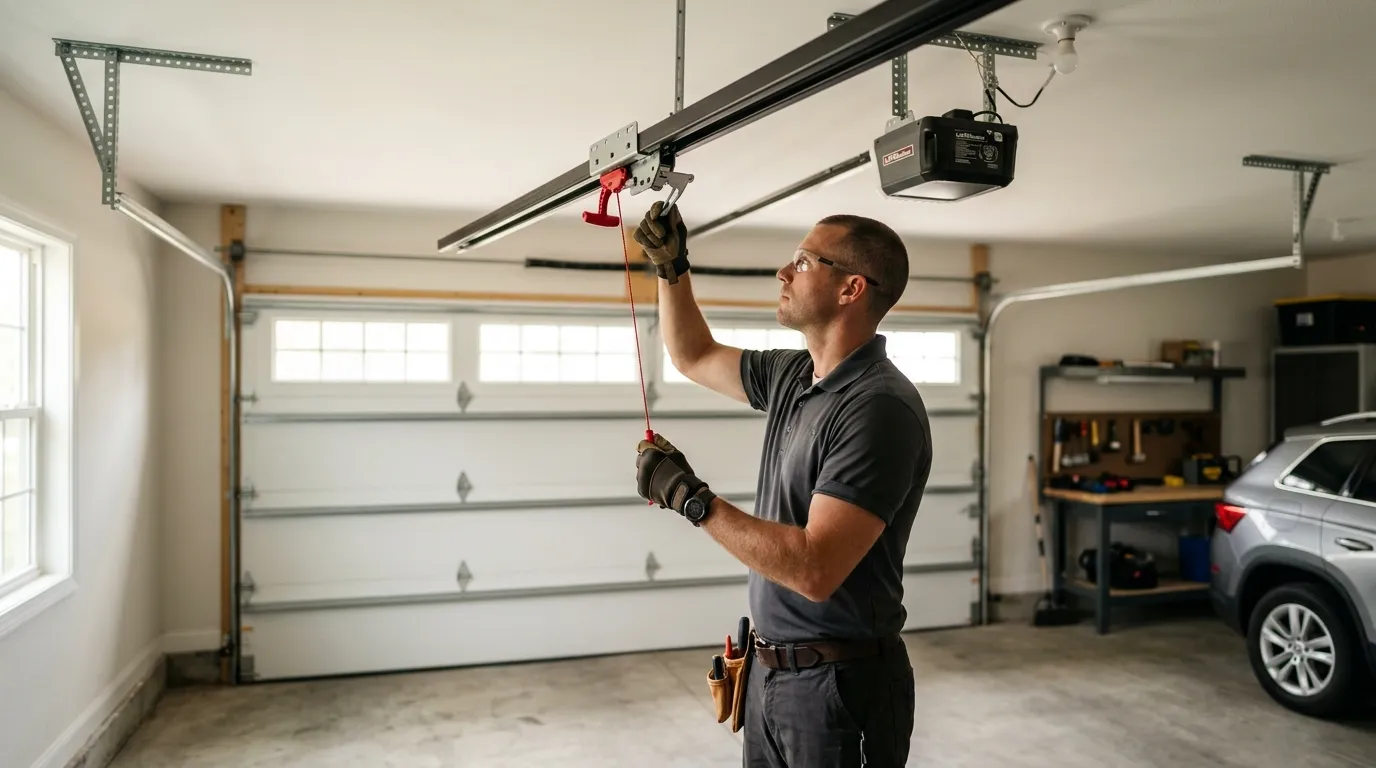
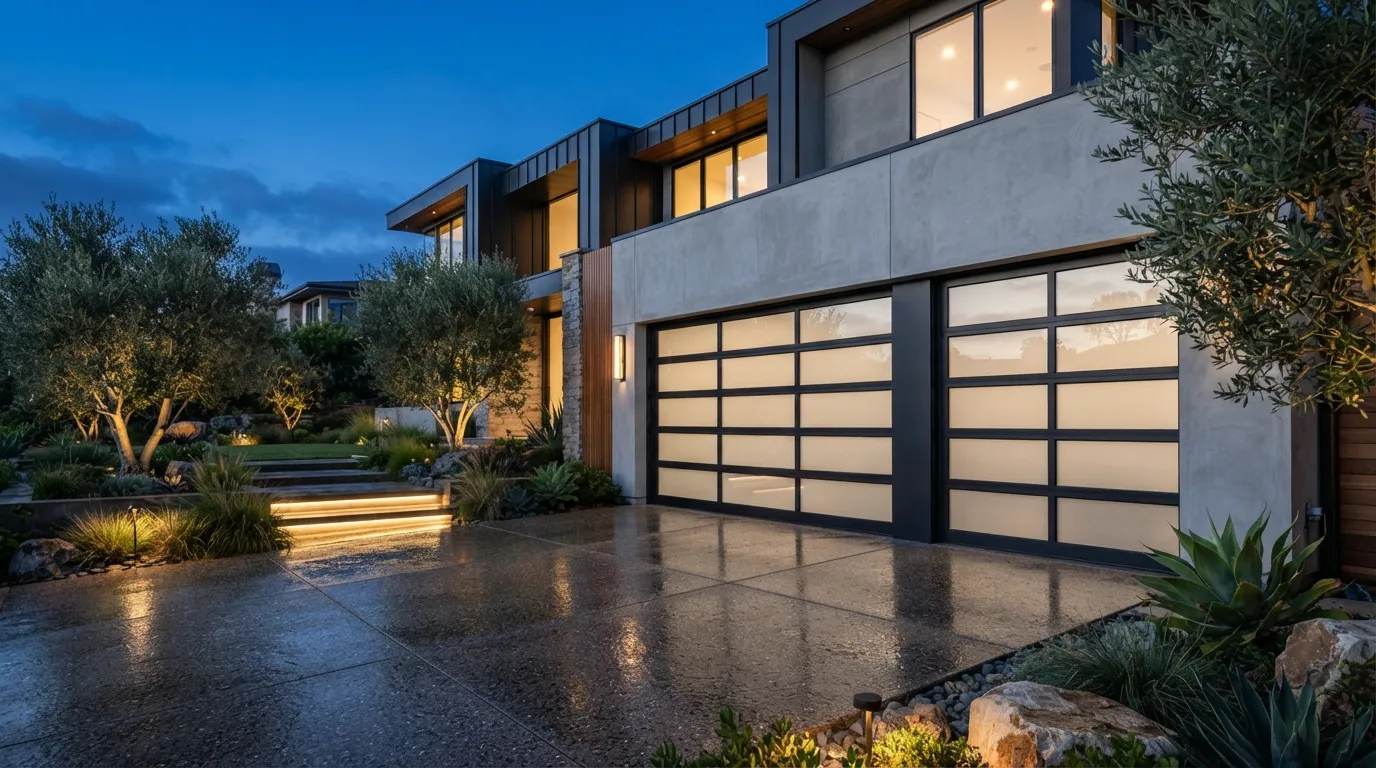
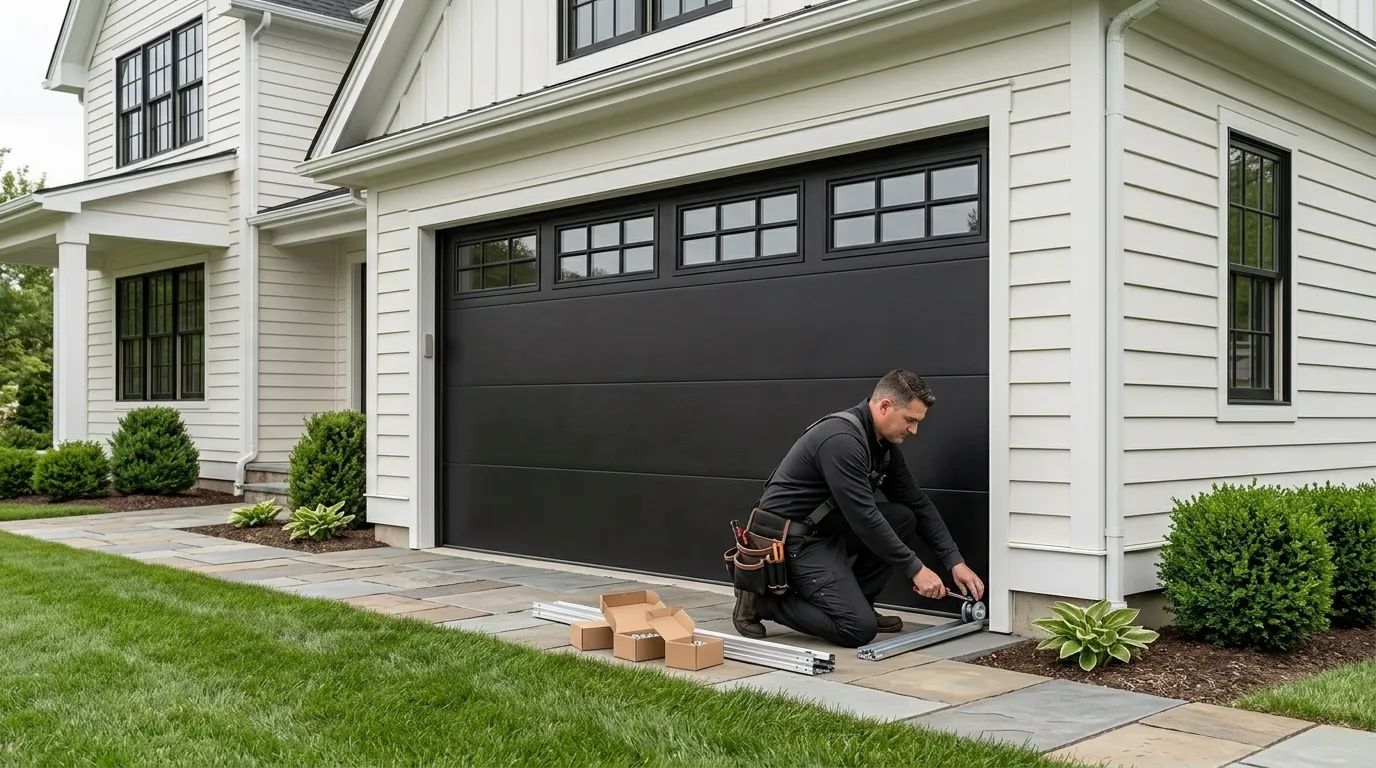
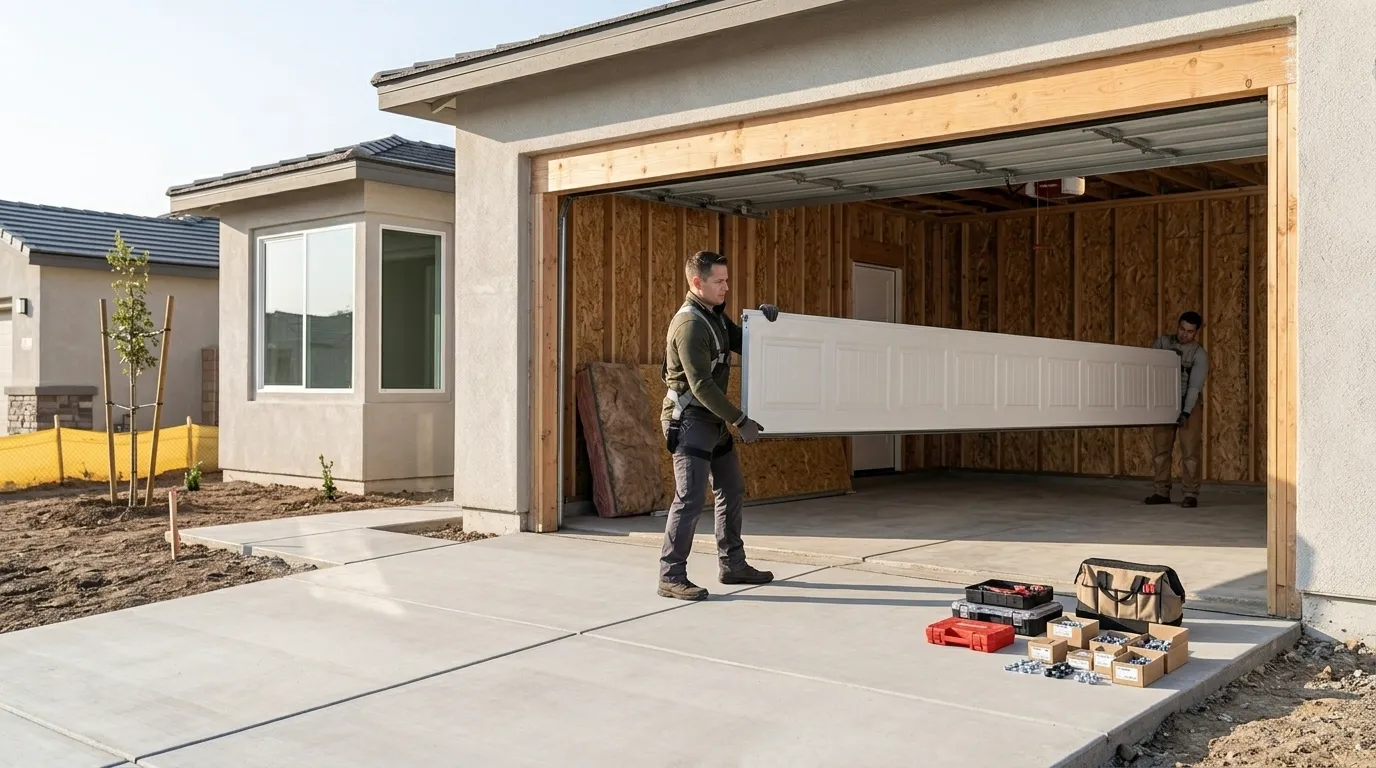
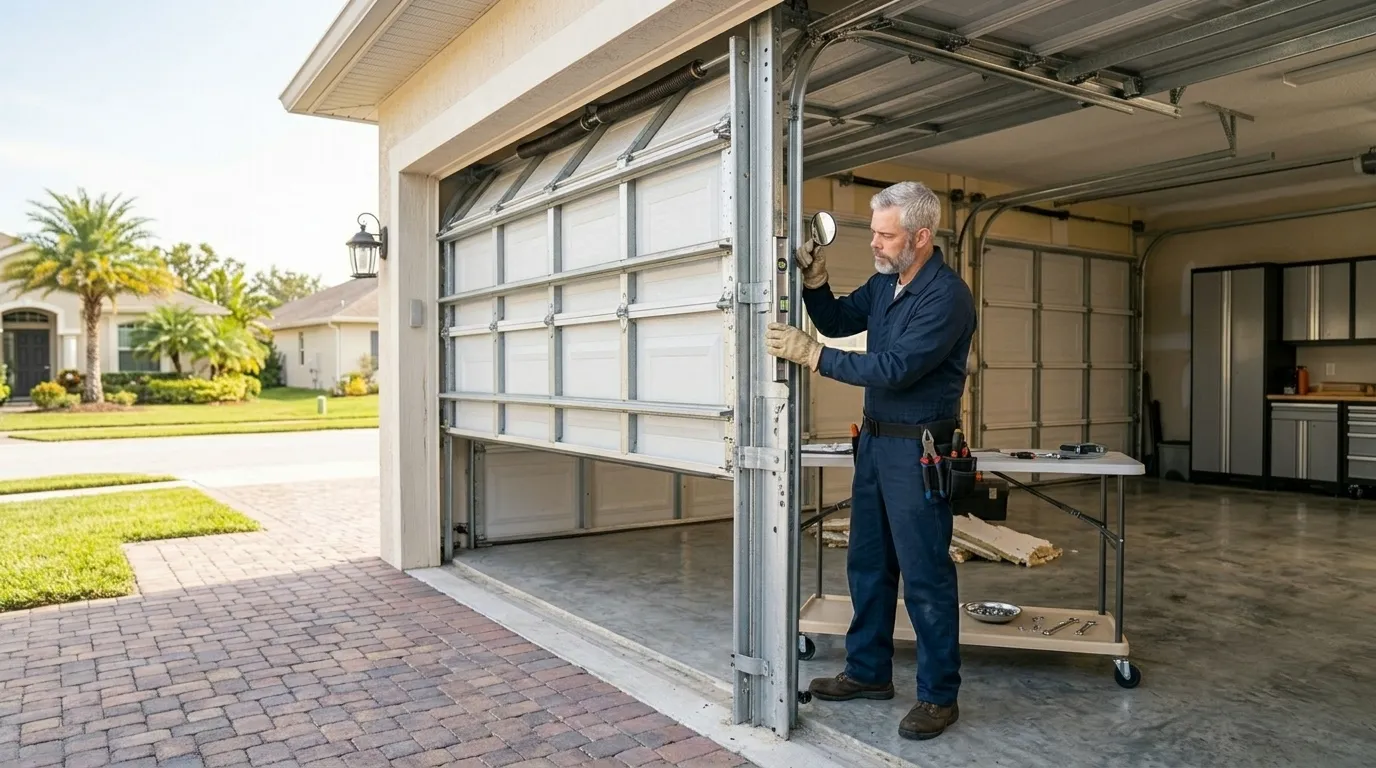
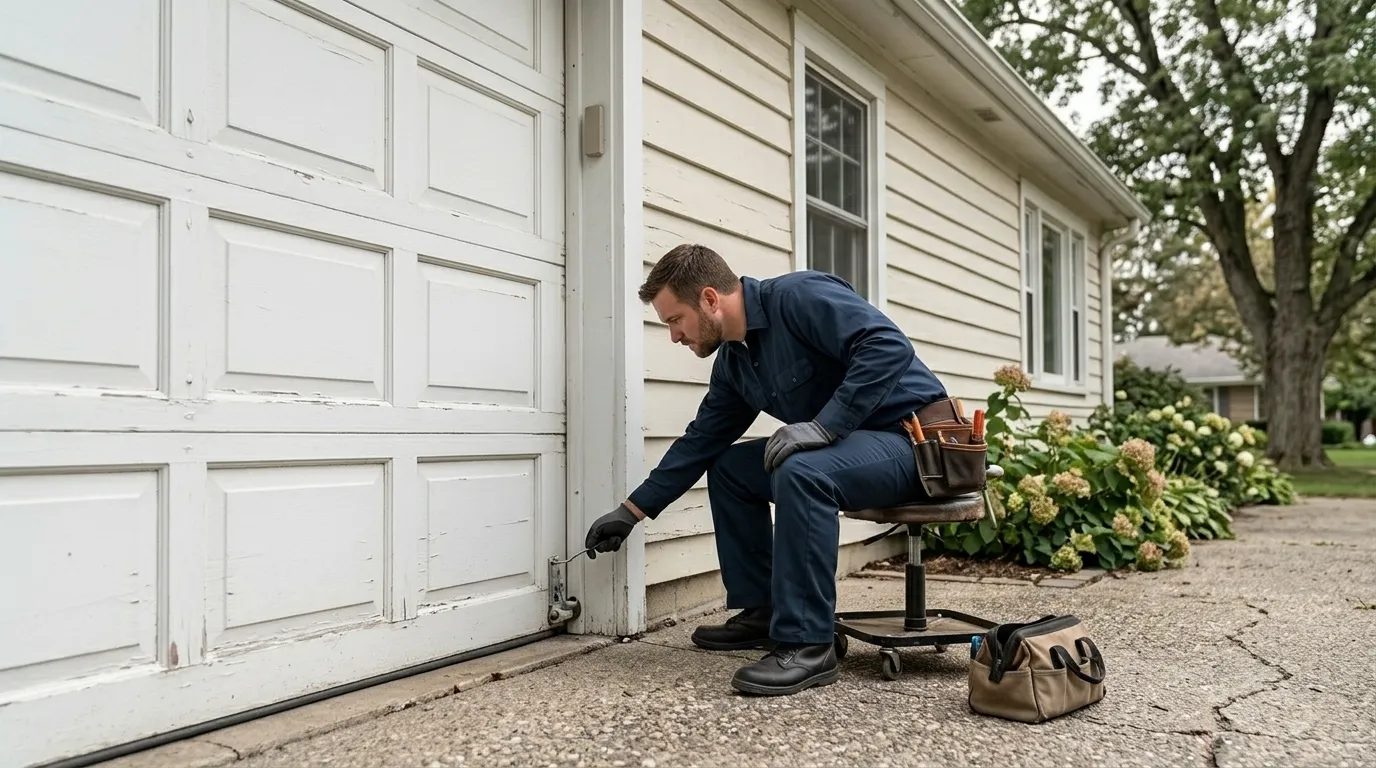
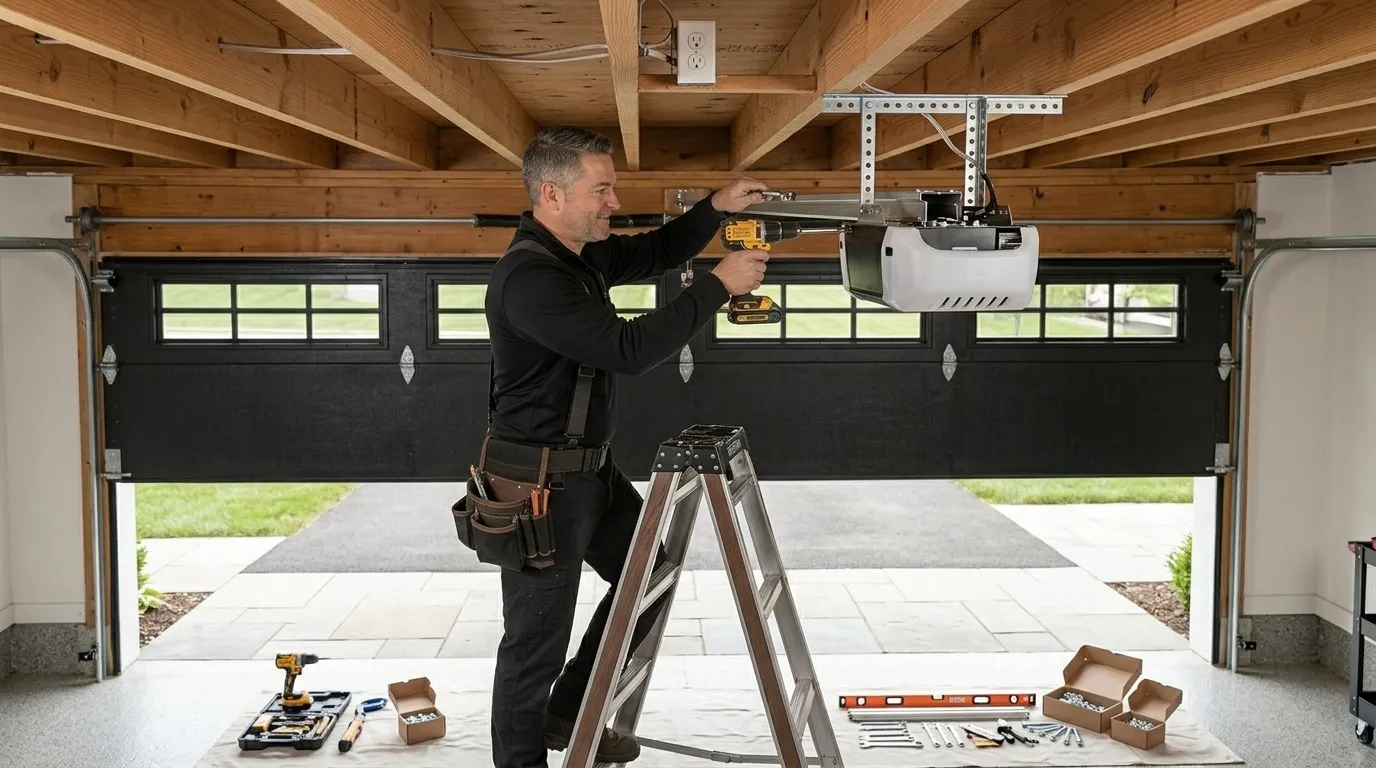
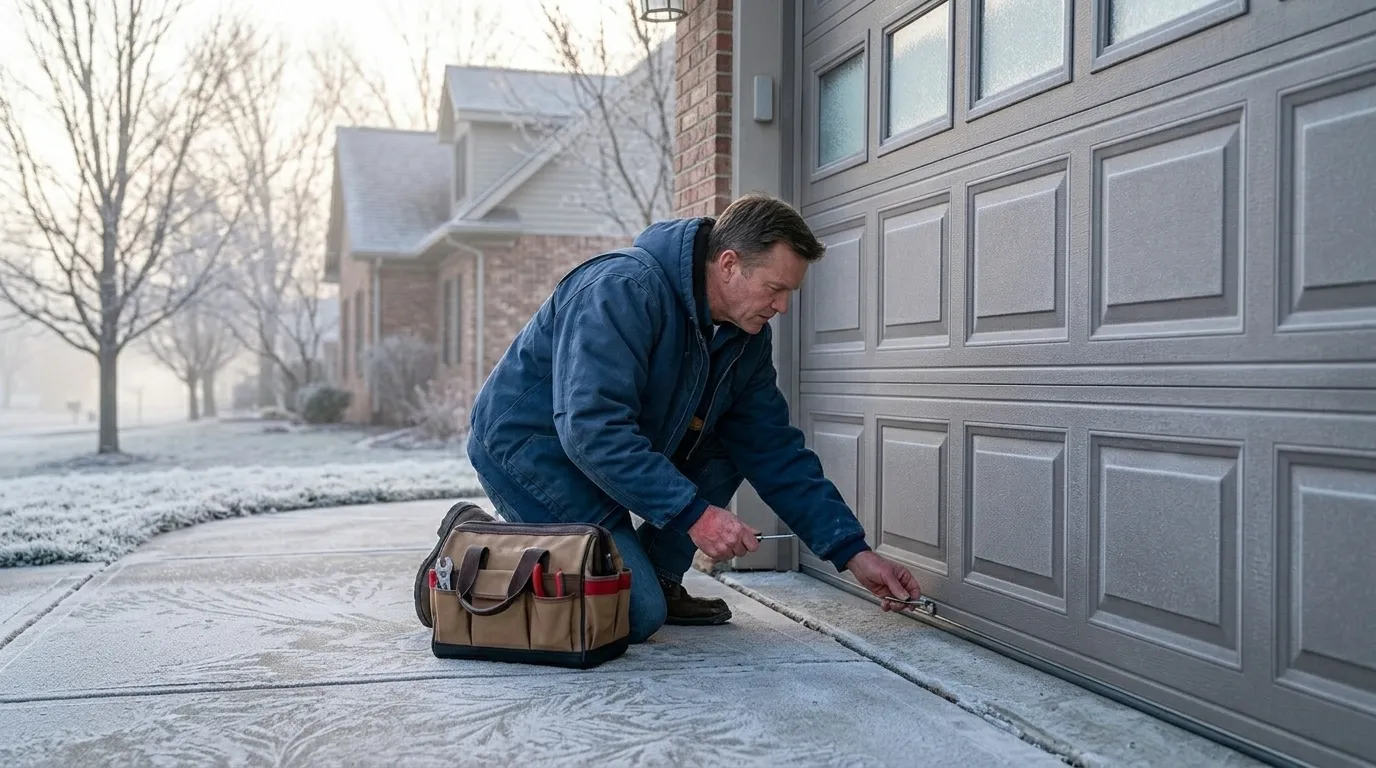
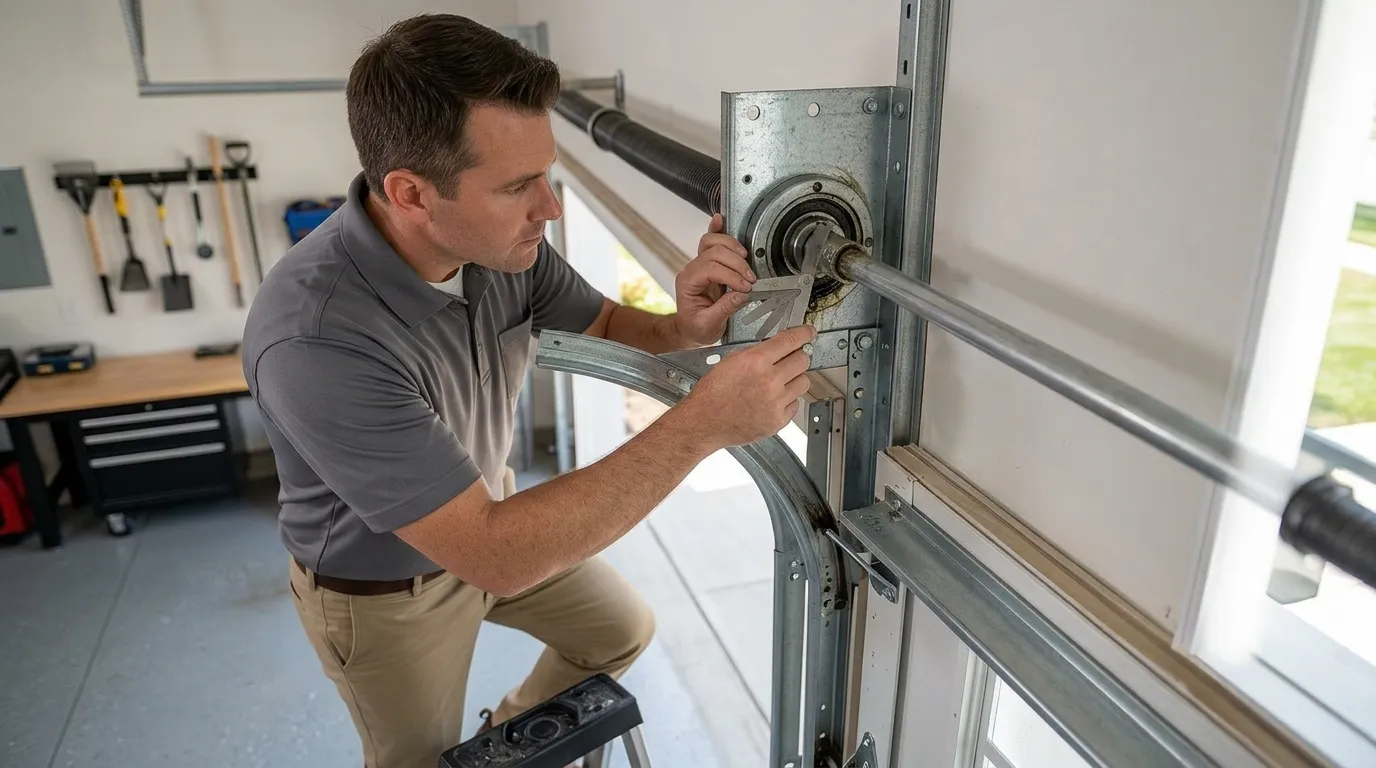
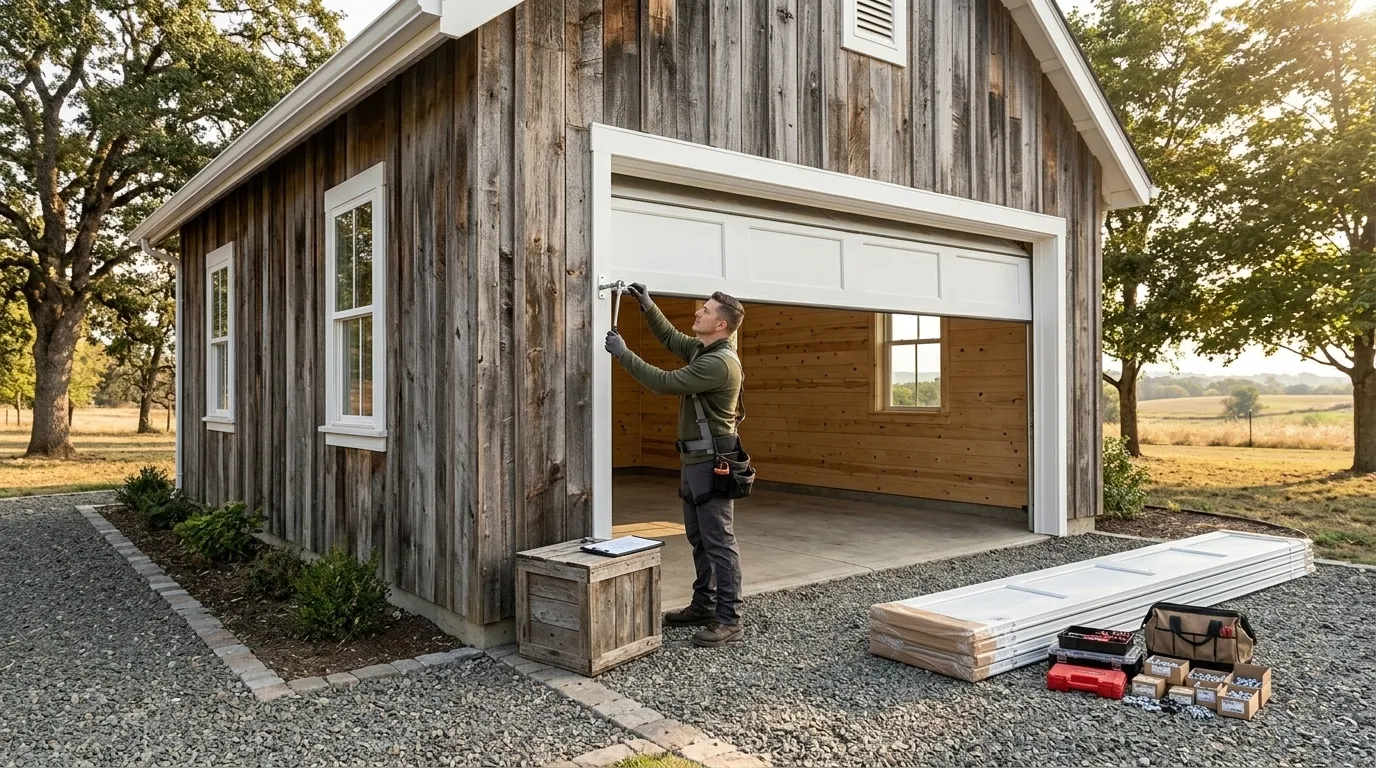
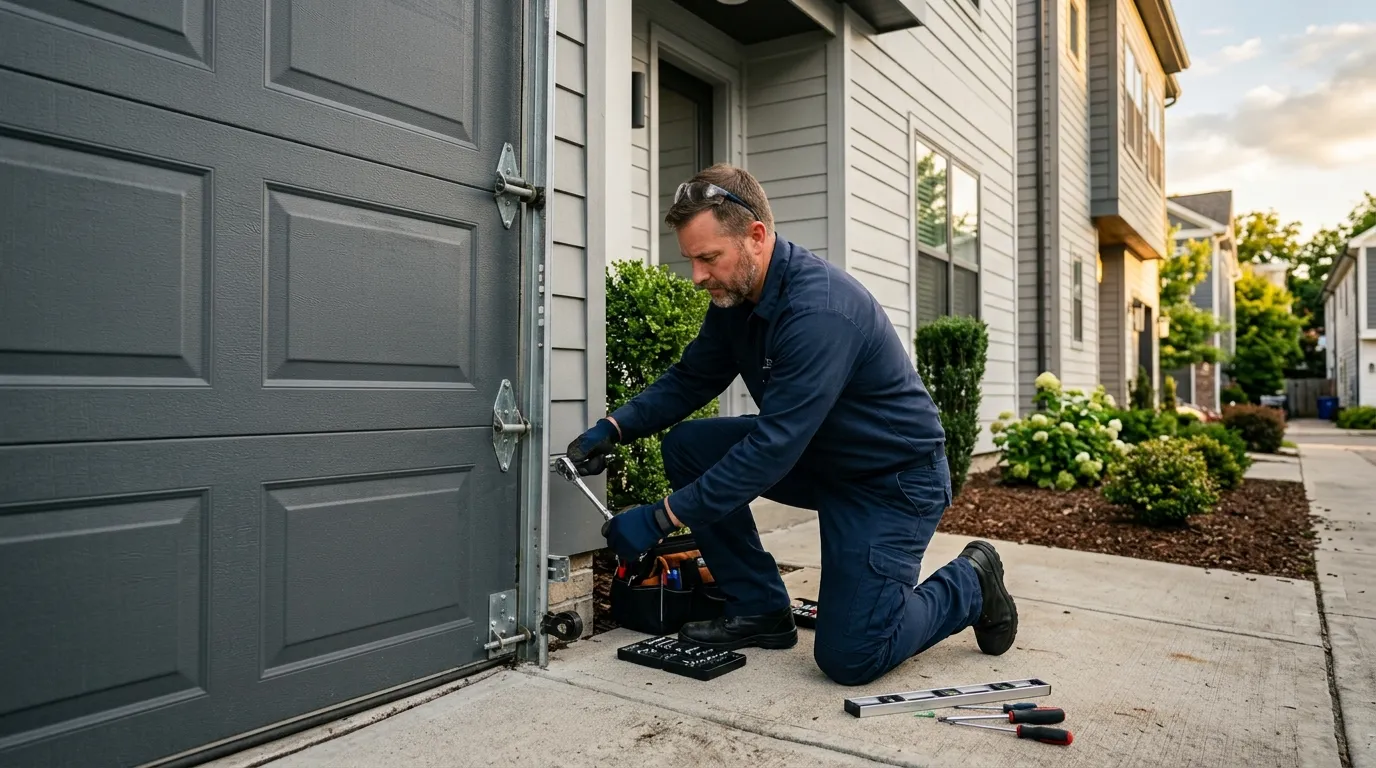
Across the wider service area the housing stock runs from 1968 to 1999, with a median build year of 1979 and most of it dating to the 1960s and '70s. Sandia Park's own housing is a touch older on average, with a median build year around 1975 - solidly in that mid-century mountain-cabin-to-ranch-house era rather than the newer subdivisions you find closer to the city. That matters for garage doors because a house built in the mid-1970s almost never has the door it was born with. What's on the house now is usually a replacement from sometime in the last twenty or thirty years, bolted onto framing and header clearances that were sized for a lighter, single-layer door. The mismatch shows up as openers straining against doors heavier than the bracket was built for, or trim that was never squared up right after a swap. We see it as often here as anywhere in the older parts of the metro, just with a mountain twist: more exposure, more temperature swing, less forgiveness for hardware that's already tired.
This Area's Housing
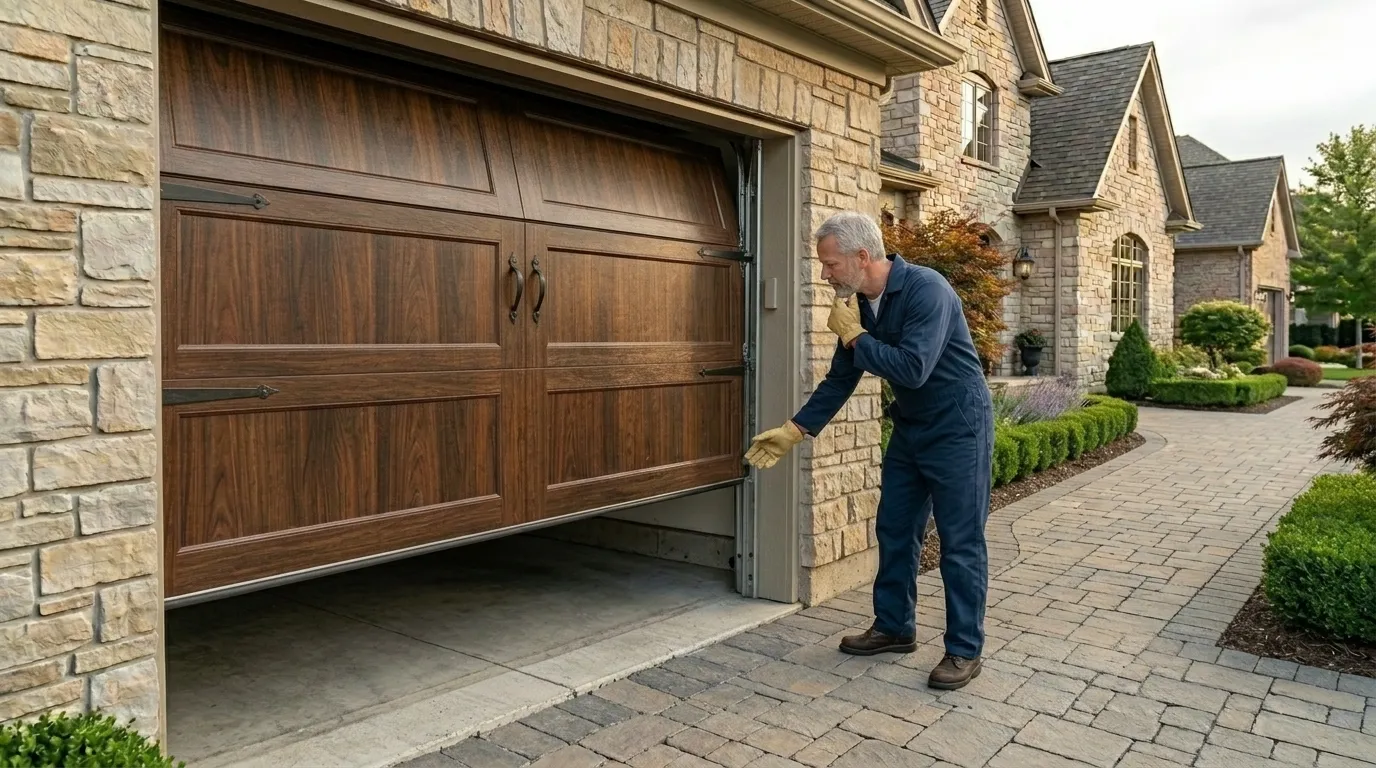
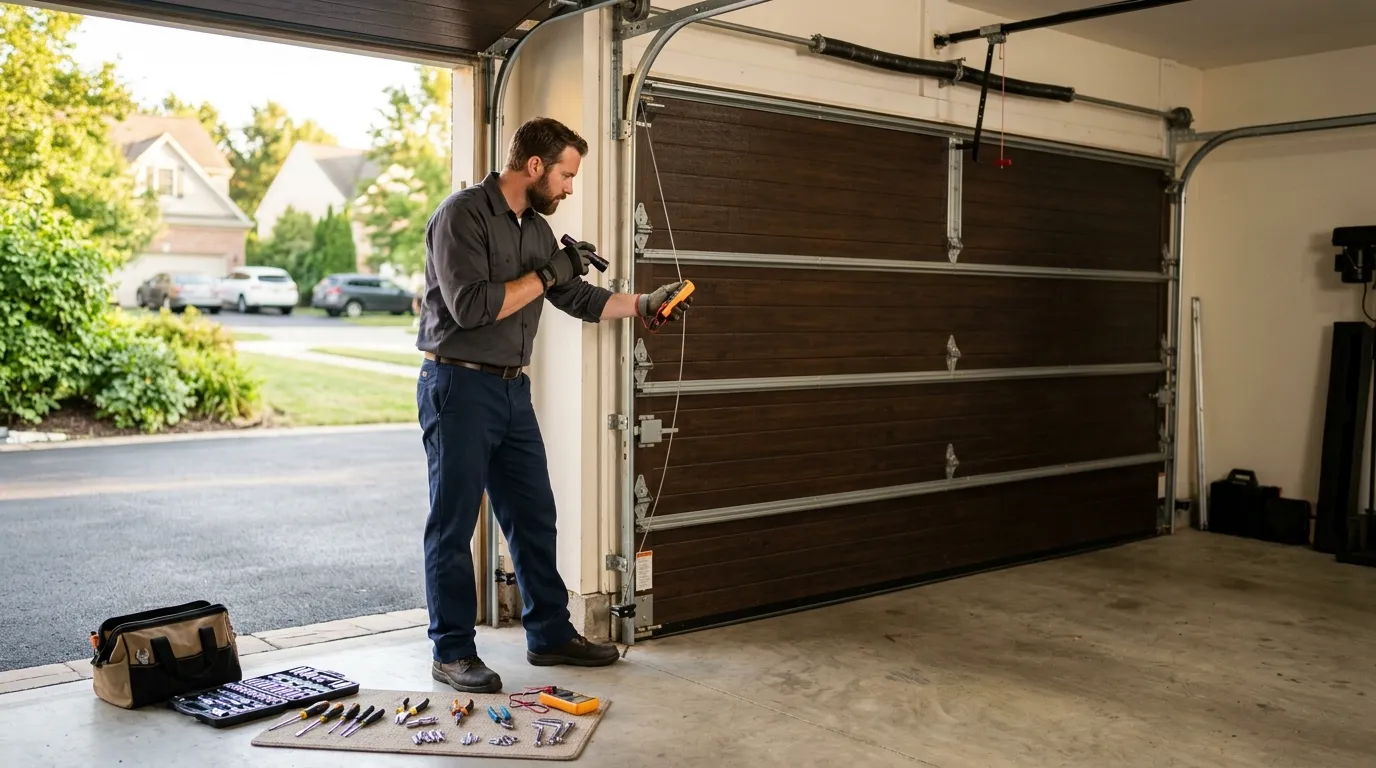
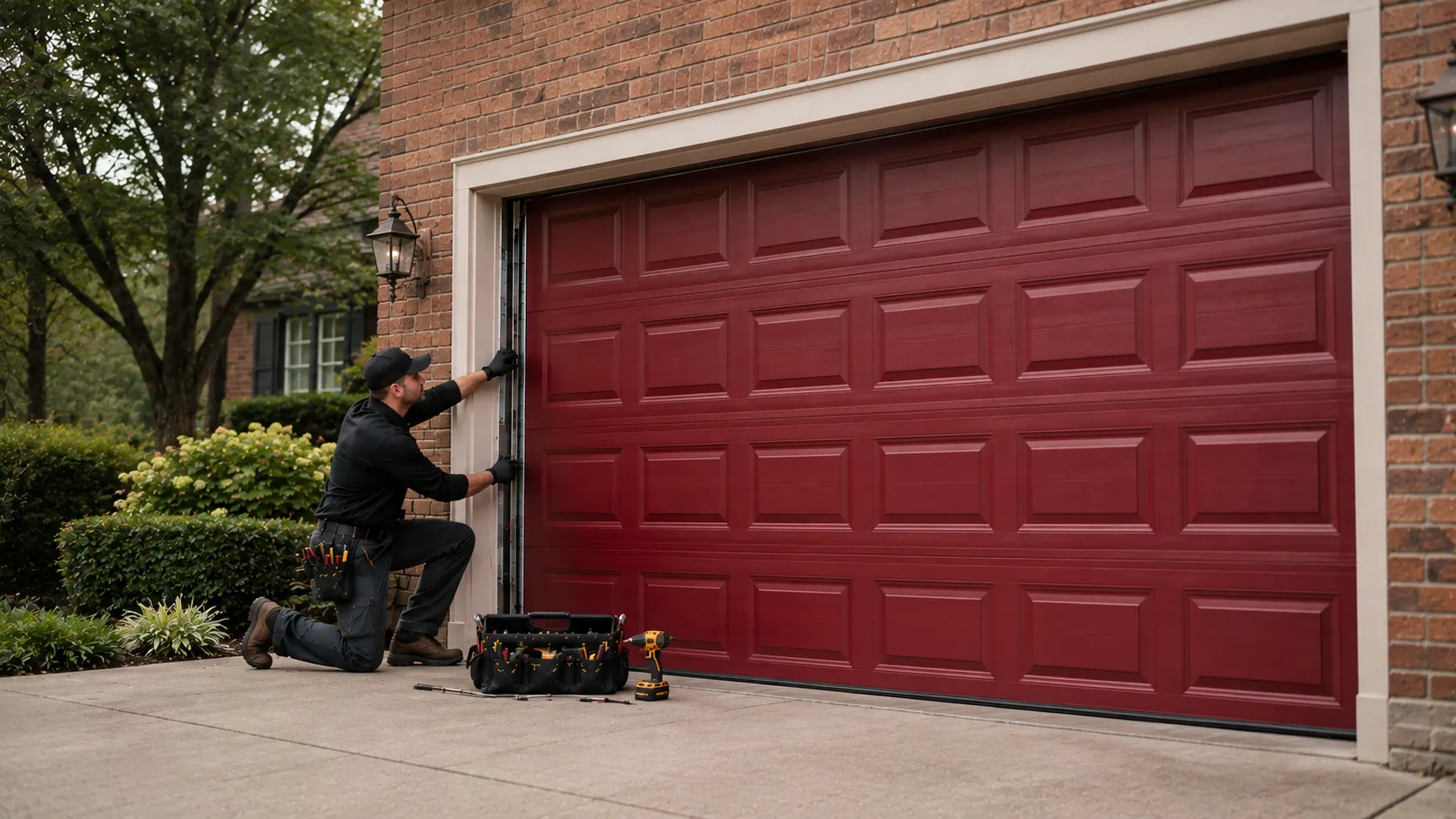
Sandia Park counts around 162 households, small enough that word gets around fast when a job is done right or done wrong. Median household income here runs about $134,118 - well above the roughly $72,188 median across the broader service area - and that income level tends to show up in the doors themselves: more insulated steel and composite doors, more owners who replace on their own schedule instead of waiting for a full failure. Across the wider area, owner-occupied houses make up a large share of the roughly 33,690 households and 22,430 owner-occupied houses we work across, and Sandia Park fits that owner-heavy pattern. The honest limitation: because it's a smaller, higher-end pocket, some houses have double doors and openers not stocked on every truck, and a specialty panel or custom-width track can mean a short wait on parts rather than a same-day swap.