Having It Looked At
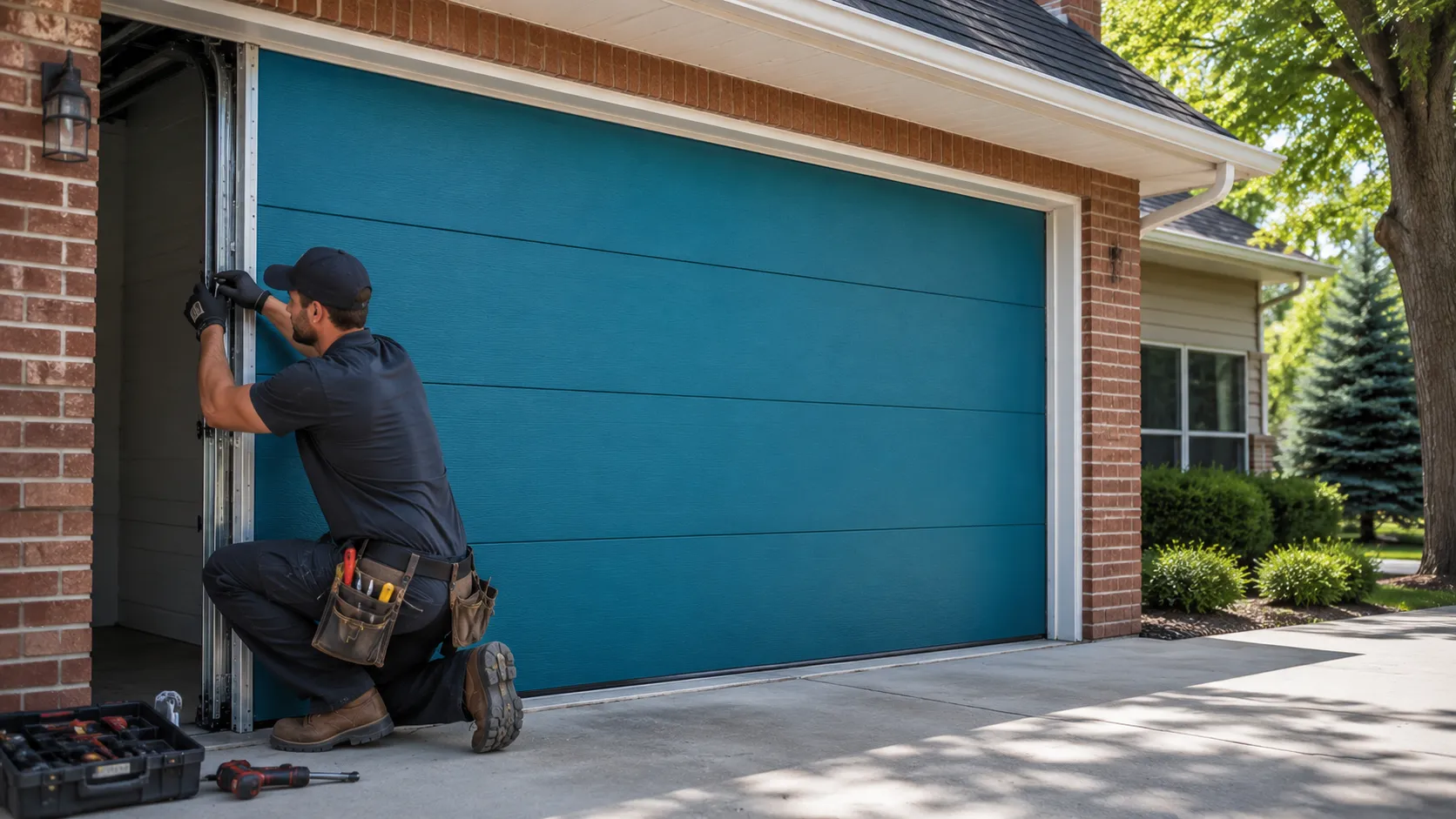
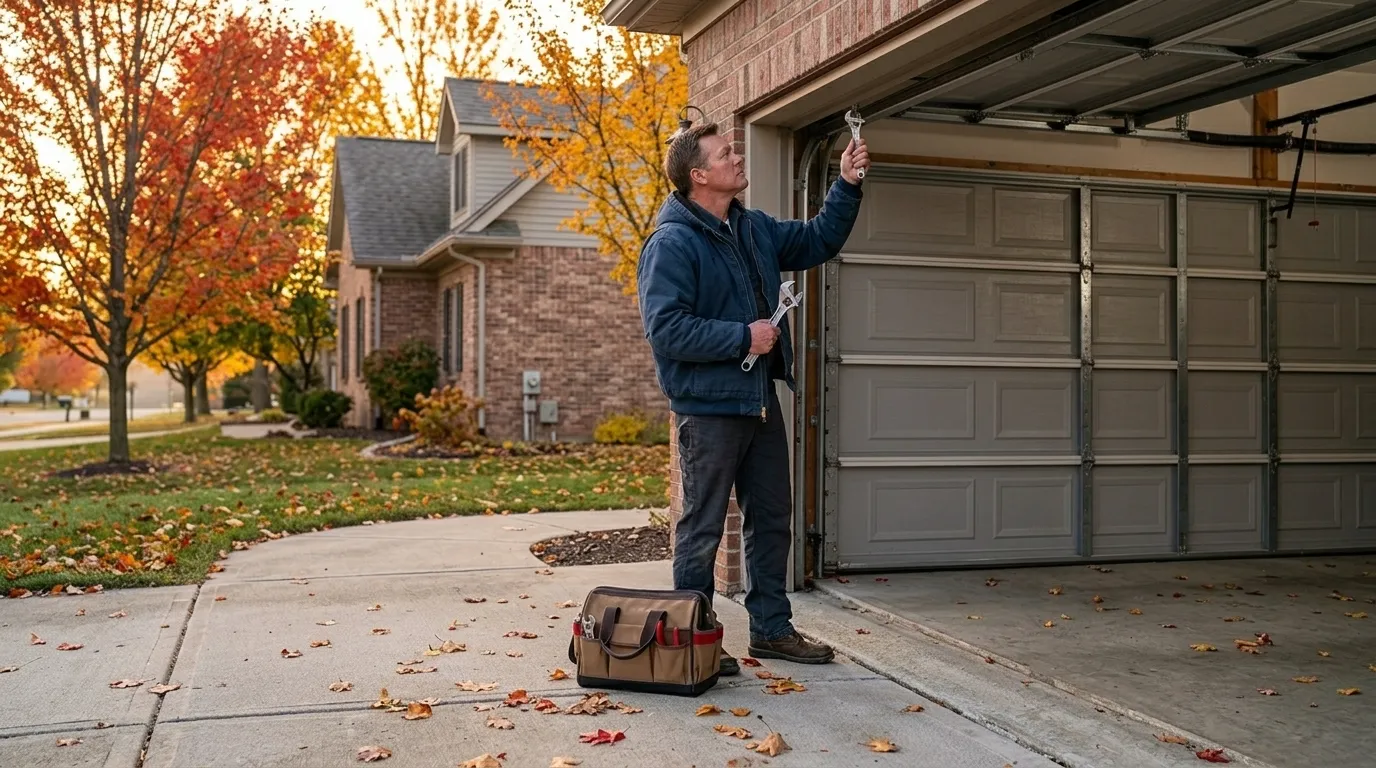
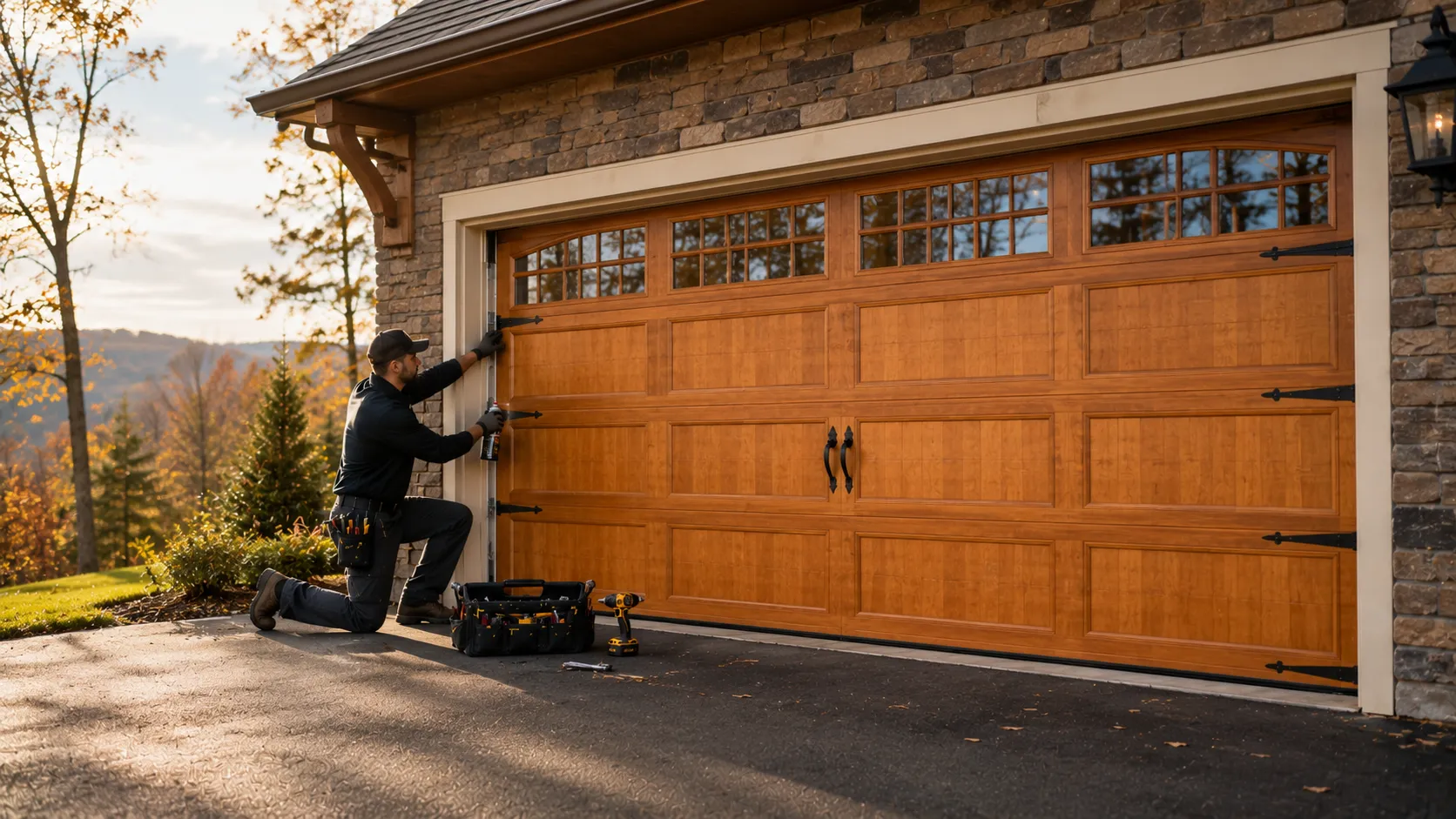
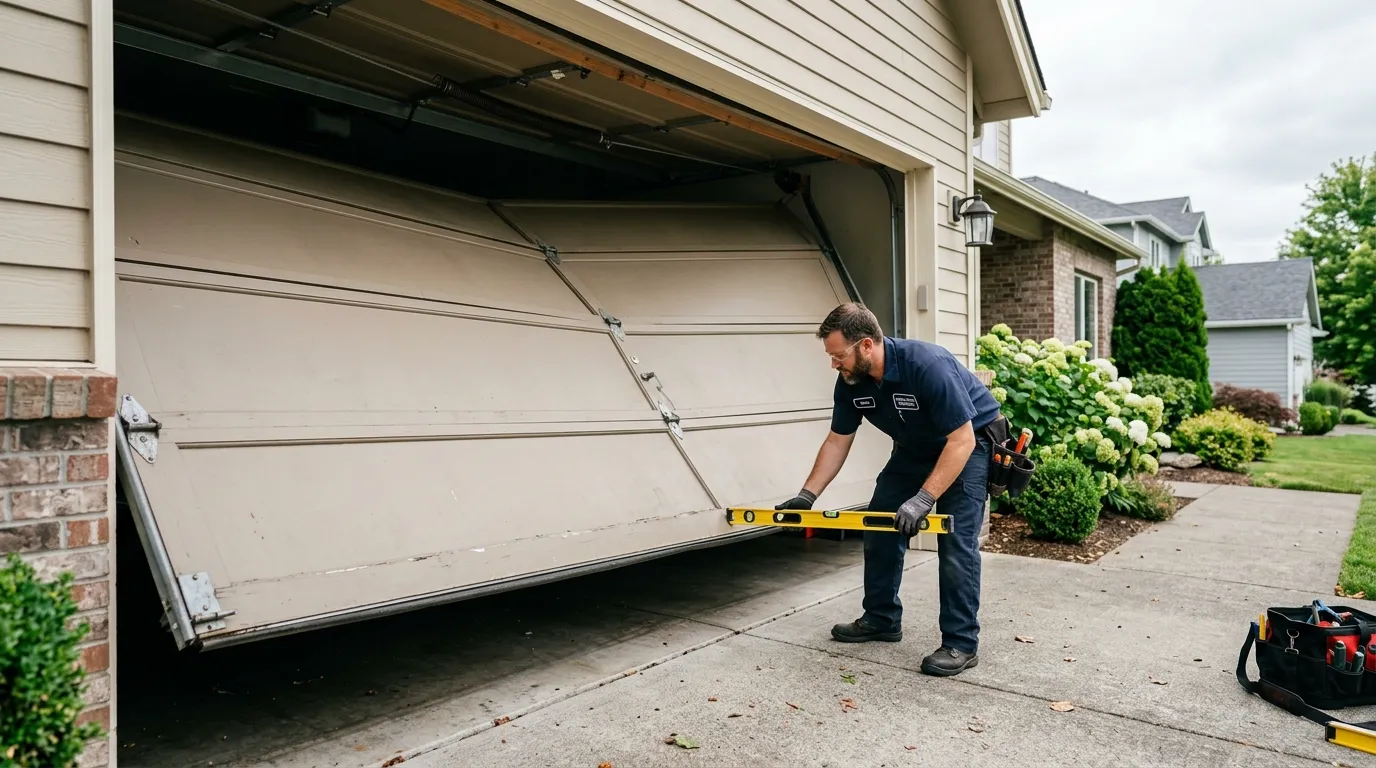
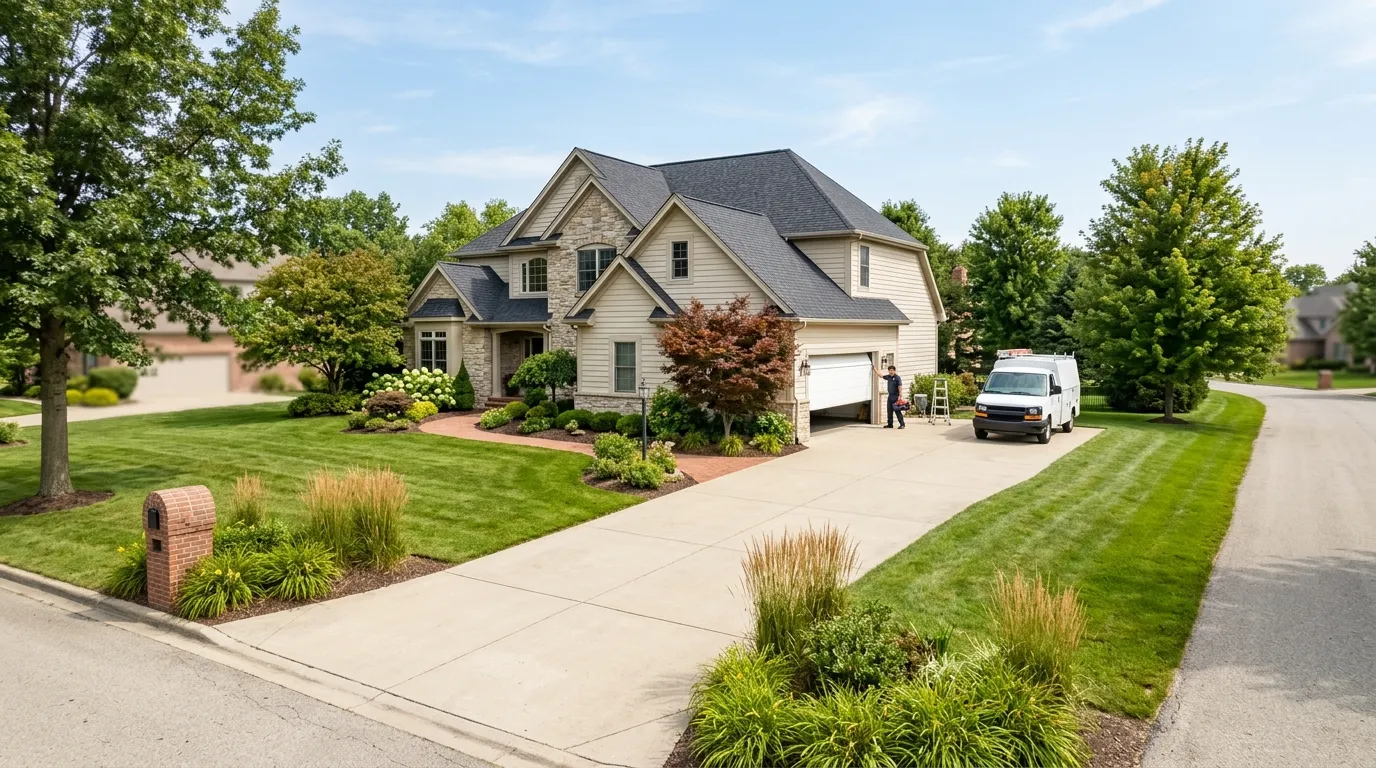
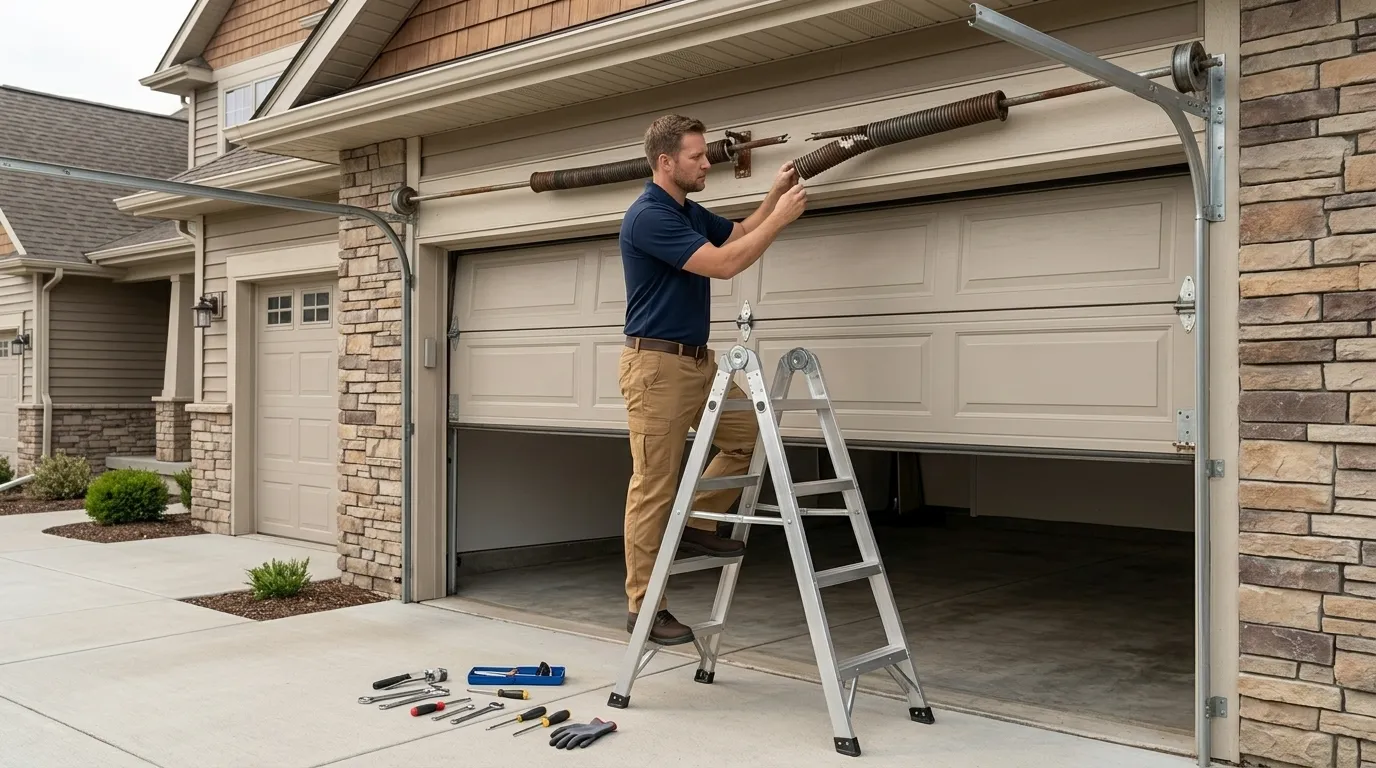
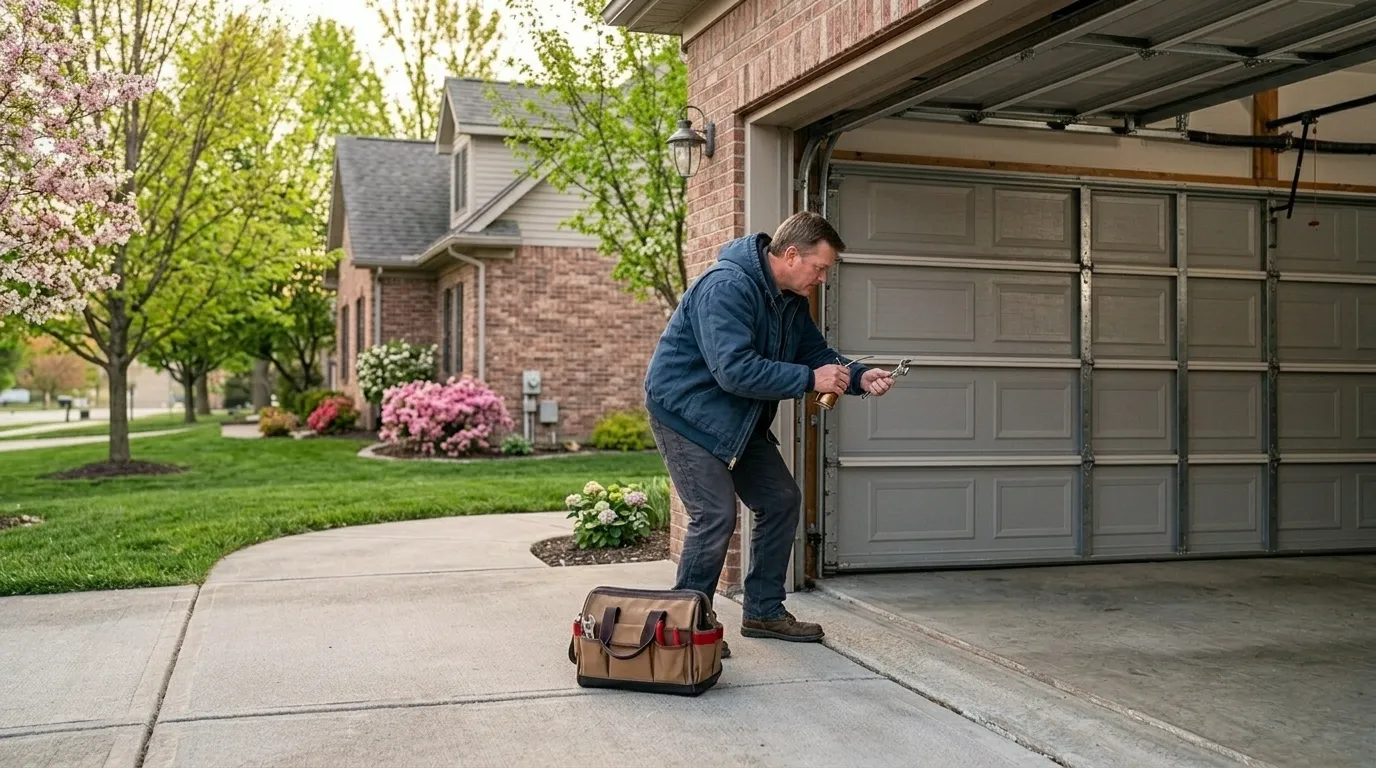
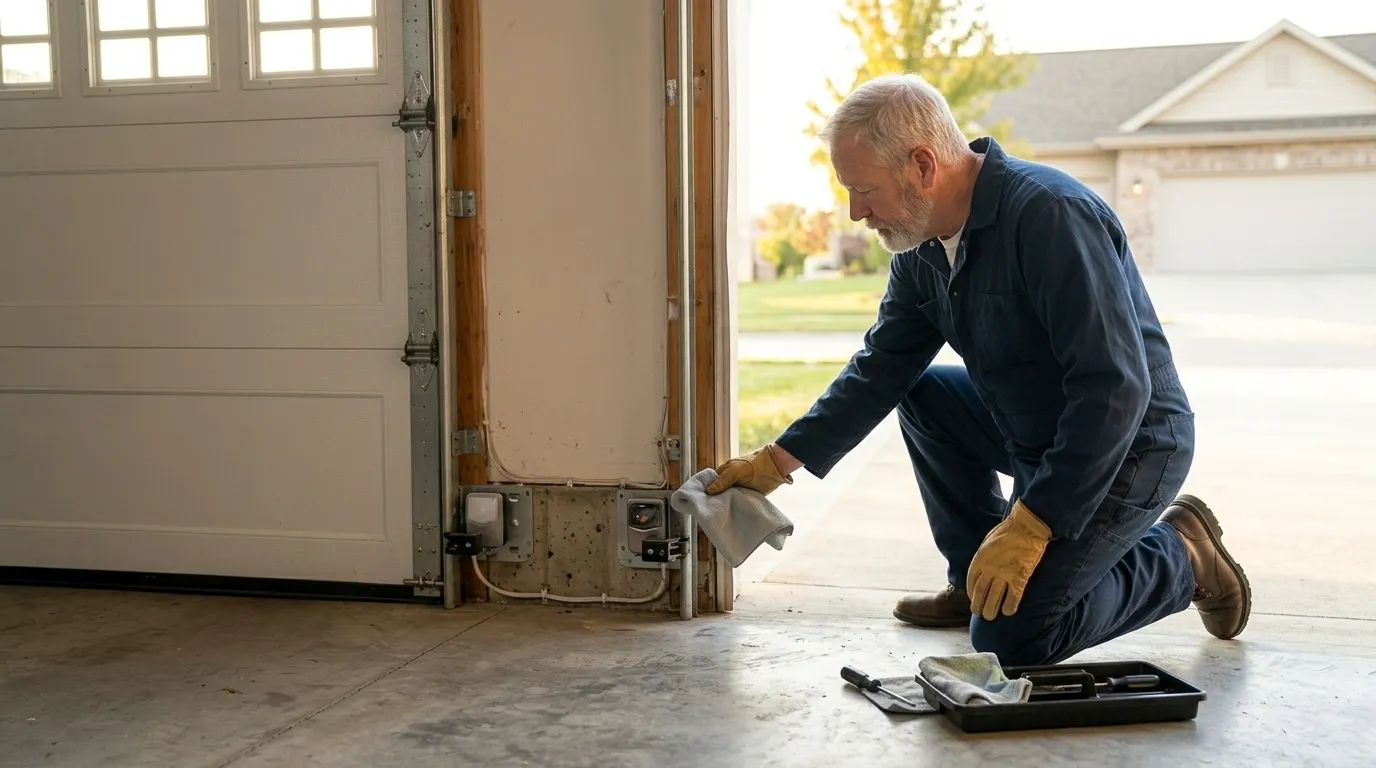
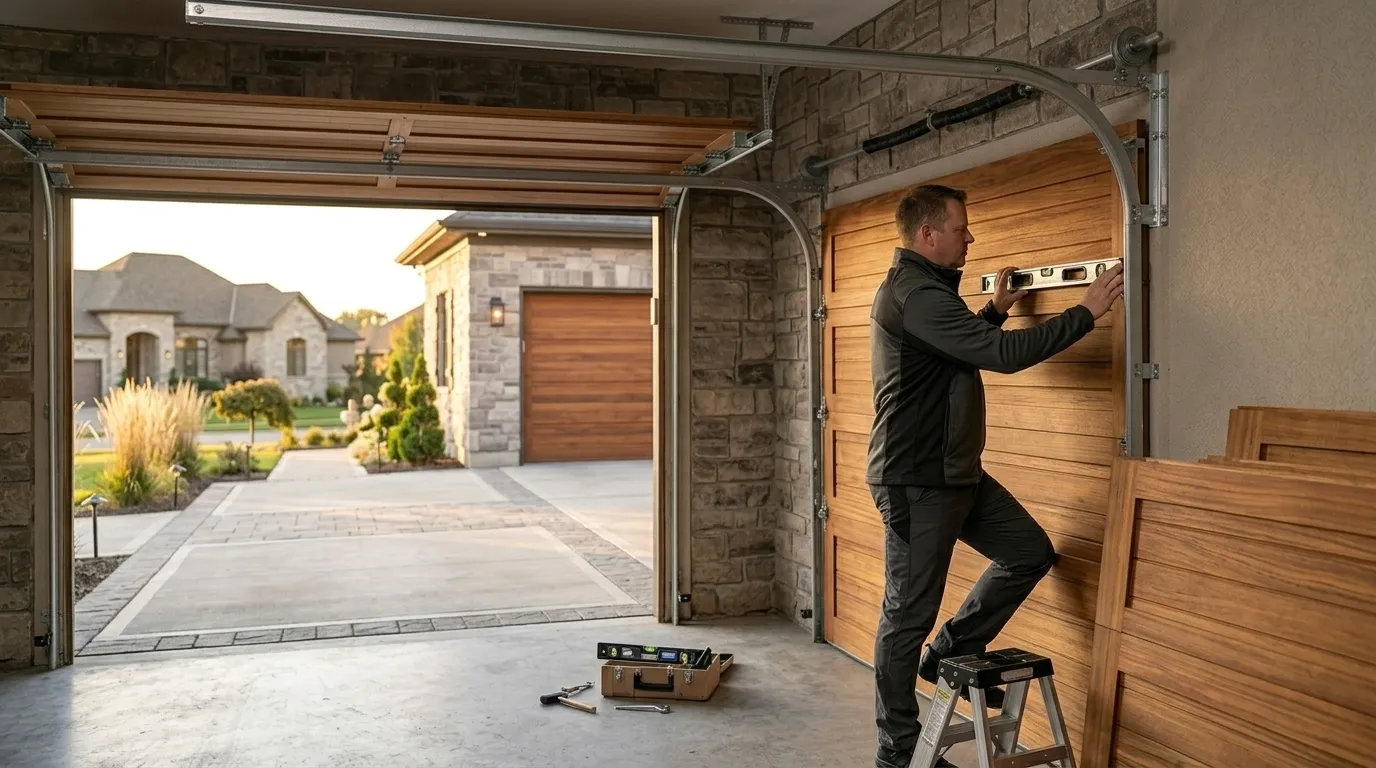
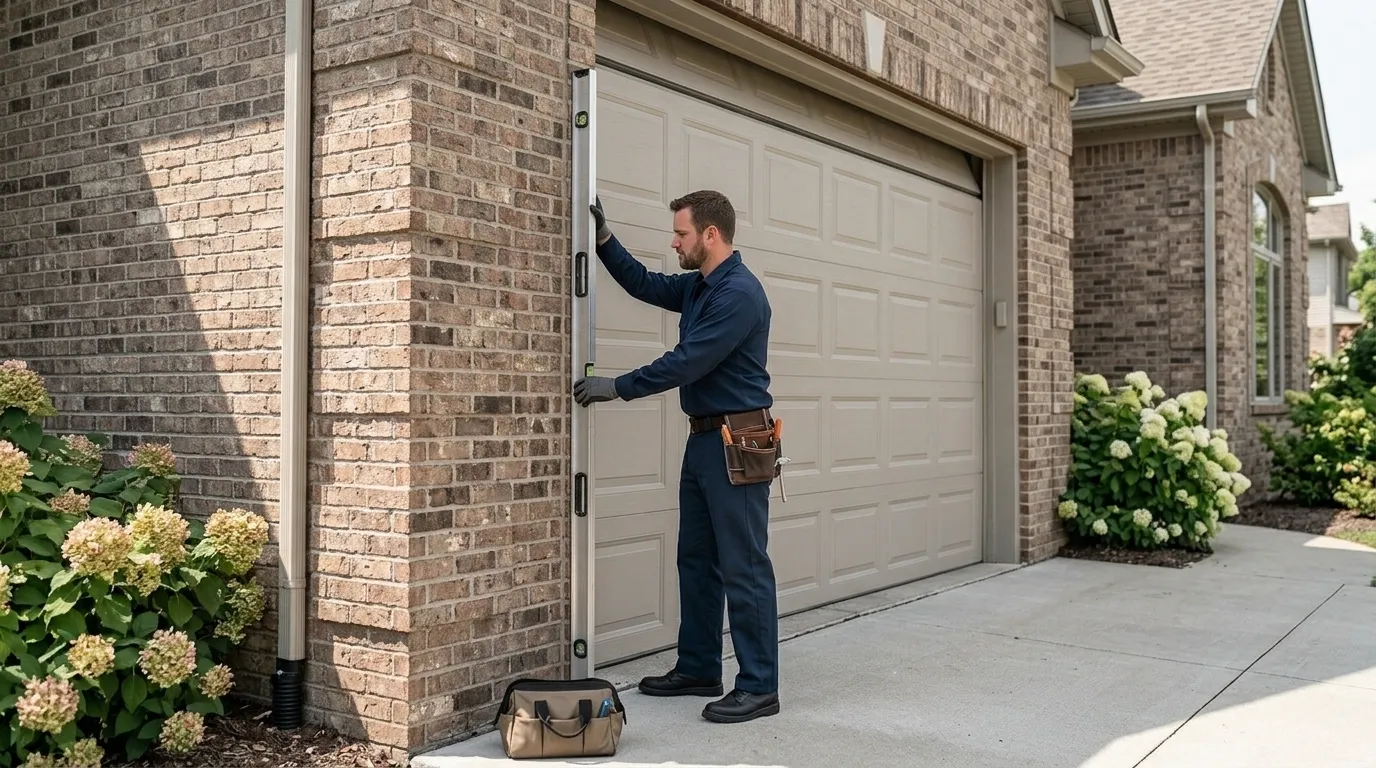
Most of the housing stock out this way went up between 1968 and 1999, with a lot of it clustering around 1979 construction. That matters for garage doors because openers and torsion hardware from that stretch are a mixed bag - some houses still run original steel doors on hardware that's 40-plus years old, others got a replacement door at some point without touching the opener bracket behind it. When we look at a door in Volcano Cliffs, we're checking whether the spring and cable are original to a late-70s build or a later swap, because the two don't always match up cleanly. Albuquerque's cold-moderate climate band means winter temperature swings stress springs and rollers more than a mild coastal town would, so a spring that's been fine for years can snap on a cold morning without much warning. We inspect the track alignment and the panel seams first, since those tell us more about a door's real age than the paint does.
The Housing Here
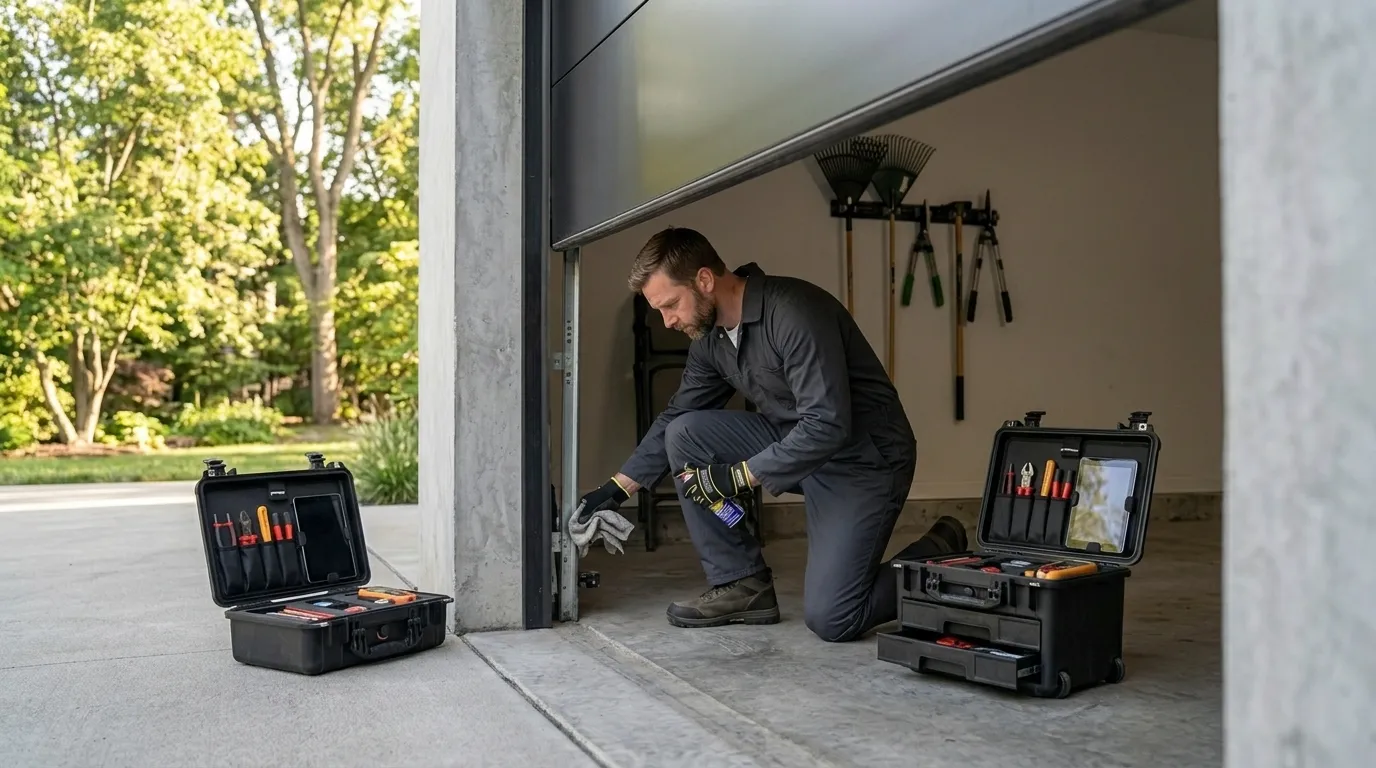
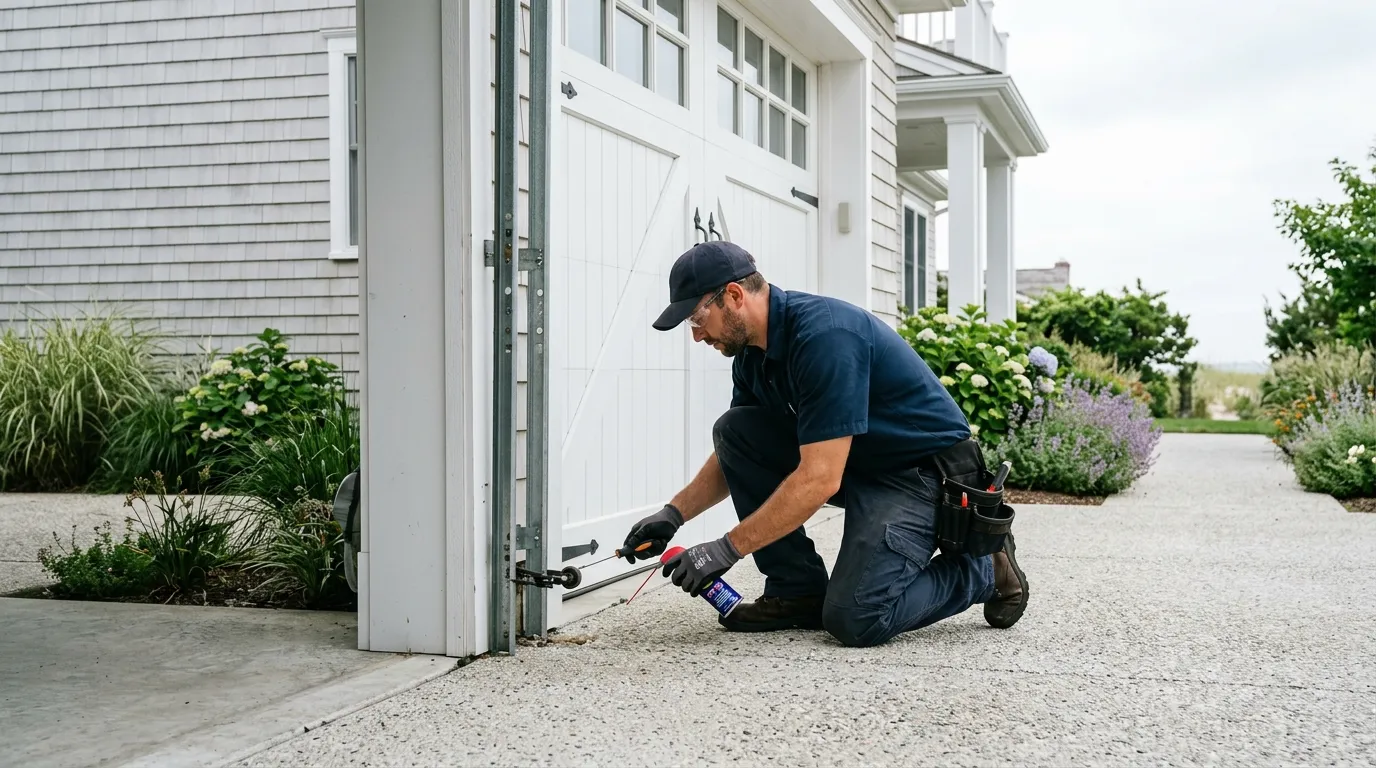
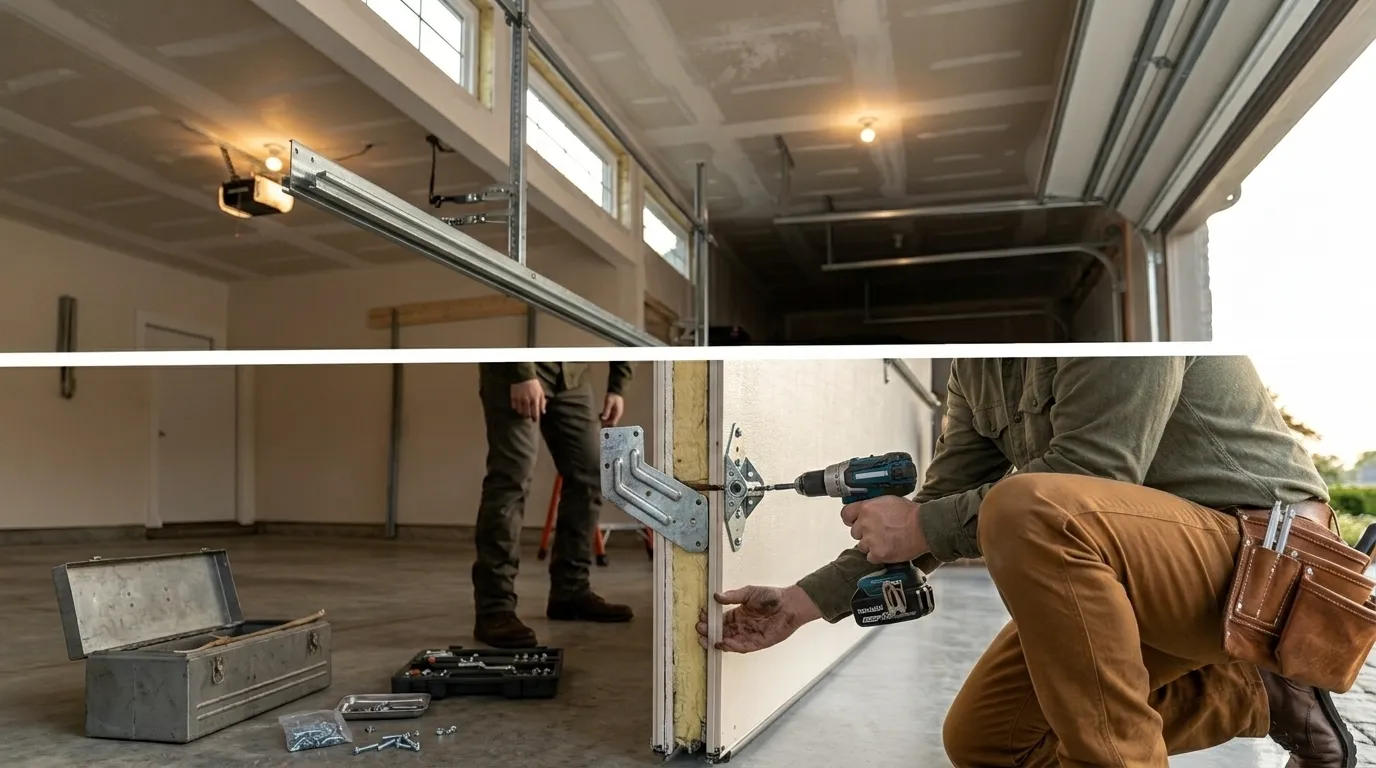
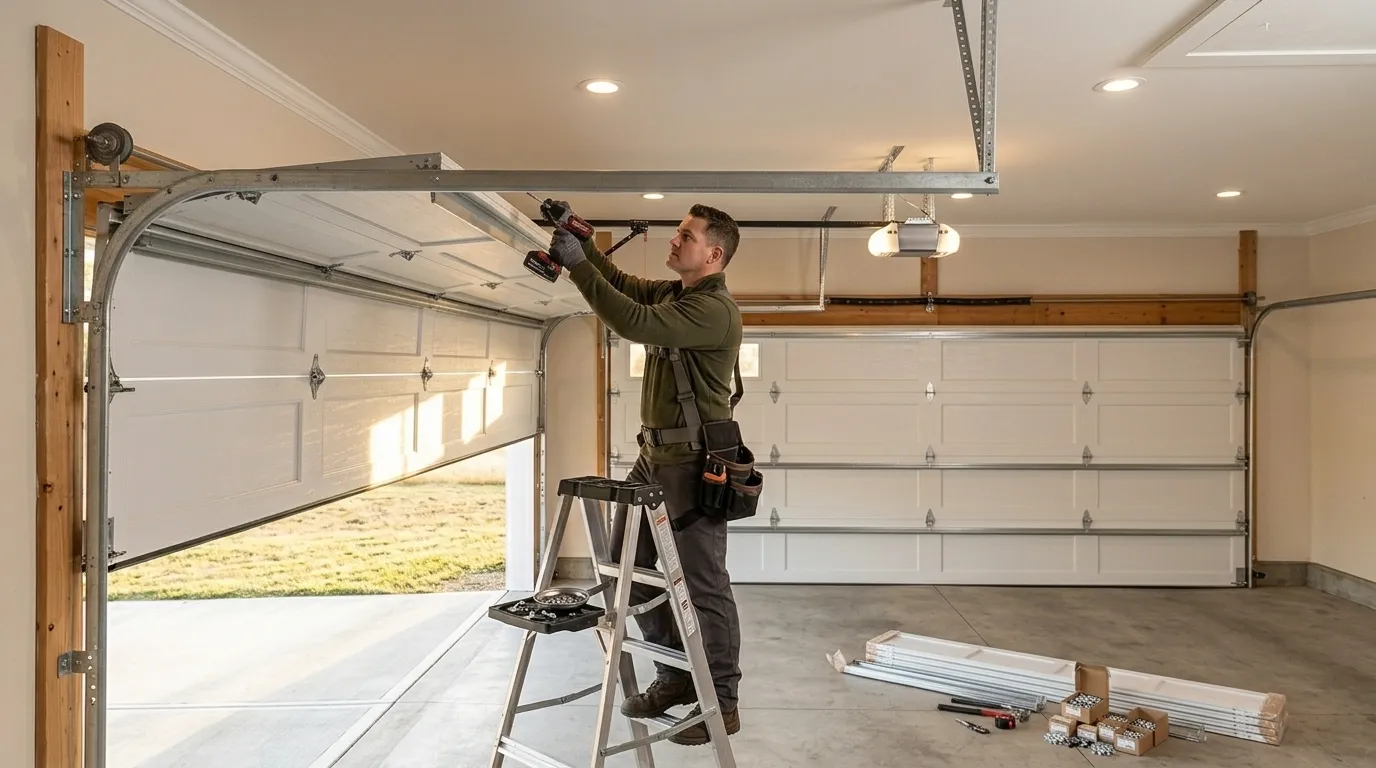
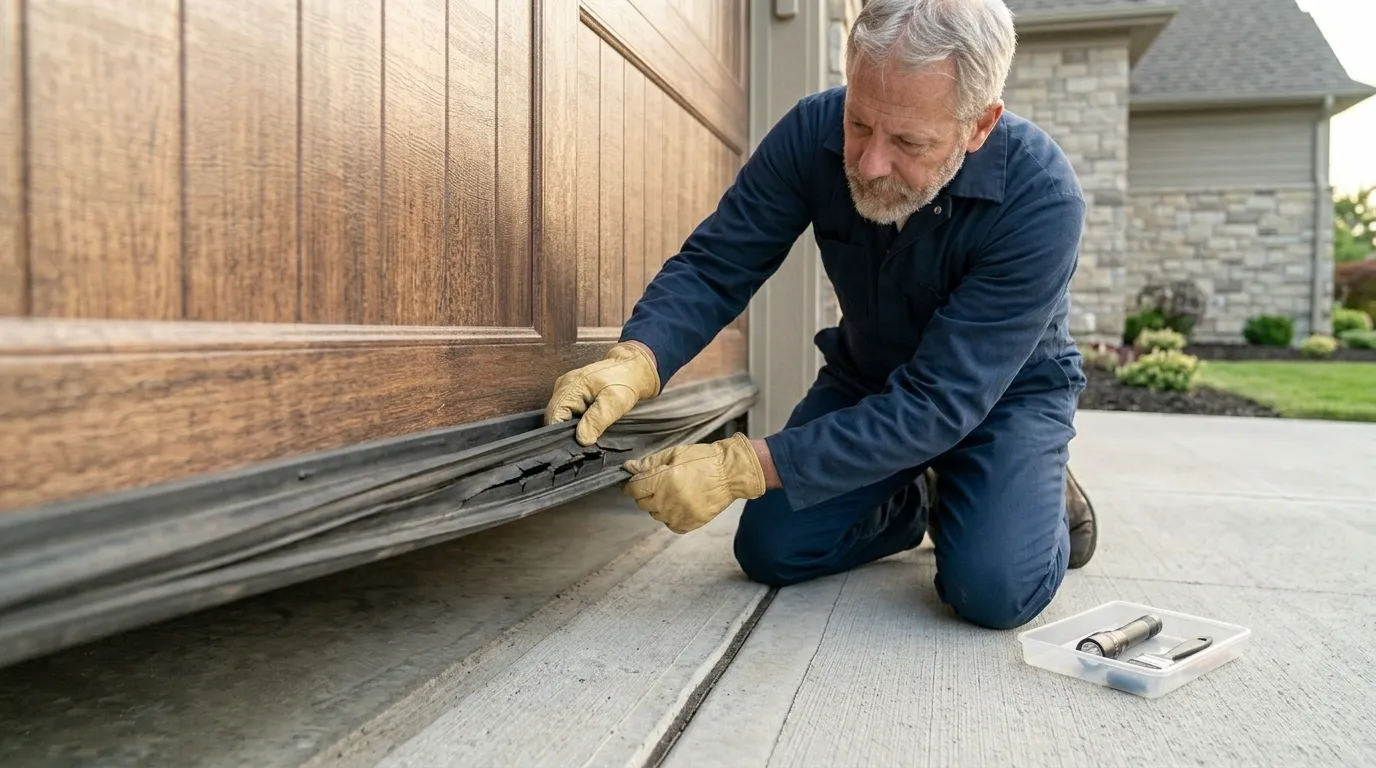
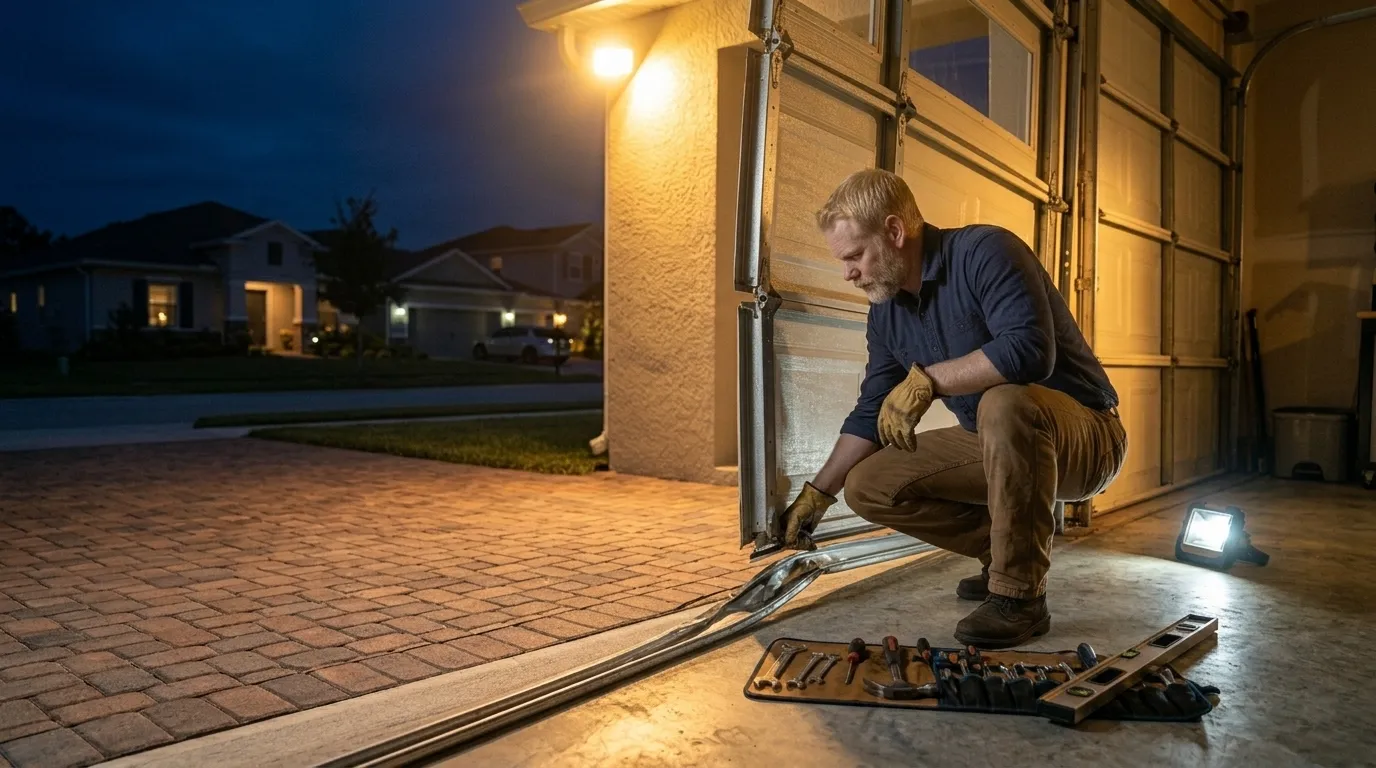
With a median build year around 1979, a fair share of homes in this part of the west side are on their second or third opener but still running the original torsion spring setup, since springs get replaced reactively, not on a schedule. Household income across the broader service area sits at a median of $72,188, which we mention only because it shapes the kind of job we see most: solid repair and upgrade work rather than full custom builds. Owner-occupied houses make up a large share of the roughly 22,430 owner-occupied homes across the service area, and most of what we're called out for in a neighborhood built out over that 1968-1999 span is worn rollers, a cracked bottom panel from age, or a spring that's simply reached the end of its cycle count. We don't do gate or fence work, so if your call turns out to be about a driveway gate rather than the garage door itself, we'll say so up front rather than take the job anyway.